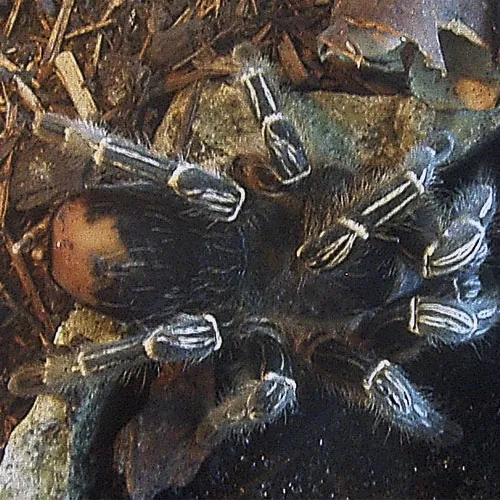
The Striped Knee Tarantula (Aphonopelma seemanni) is a captivating arachnid, known for its striking appearance and relatively manageable care requirements. However, like all tarantulas, they can exhibit aggressive behaviors. Understanding the reasons behind this aggression is crucial for responsible ownership and ensuring both the tarantula’s and the keeper’s safety. This article delves into the key factors that contribute to aggression in Striped Knee Tarantulas, providing essential insights for enthusiasts and aspiring keepers. By understanding the root causes of aggression, one can better appreciate these fascinating creatures and create an environment that promotes their well-being.
What Makes Striped Knee Tarantulas Aggressive
Several factors can trigger aggressive behavior in Striped Knee Tarantulas. These creatures, despite their relatively docile reputation, are still wild animals at heart, and their instincts play a significant role in their actions. Understanding these triggers is the first step towards responsible tarantula keeping. It is important to note that aggression is not necessarily a negative trait; it’s often a survival mechanism. Learning to identify these triggers and responding appropriately is key to a harmonious relationship with your tarantula.
Territorial Behavior
Striped Knee Tarantulas, like many other tarantula species, are highly territorial. They establish a defined space within their enclosure and defend it vigorously. This territoriality is particularly evident when they feel threatened or when resources are scarce. If another tarantula or a perceived threat (like a hand) enters their territory, they may display aggressive behaviors, such as raising their front legs, displaying fangs, or even striking. Providing an adequately sized enclosure with ample space for burrowing and exploration can help mitigate territorial aggression. Creating a secure and private space can also reduce stress levels and make them less likely to feel the need to defend their territory aggressively.
Environmental Factors

The environment in which a Striped Knee Tarantula lives plays a crucial role in its behavior. Improper environmental conditions can lead to stress, which, in turn, can trigger aggression. Factors like inadequate temperature, humidity fluctuations, or poor ventilation can make a tarantula feel vulnerable and defensive. A well-maintained enclosure that accurately replicates the tarantula’s natural habitat is essential for its well-being. Providing the correct temperature gradient, appropriate humidity levels, and proper ventilation will help to keep the tarantula comfortable and less likely to resort to aggressive behaviors. Careful monitoring and adjustment of environmental parameters are vital aspects of responsible tarantula care.
Stress and Fear
Stress and fear are primary drivers of aggression in Striped Knee Tarantulas. Loud noises, sudden movements, or the presence of potential predators (even if they are perceived threats) can cause significant stress. A stressed tarantula may lash out in an attempt to defend itself. Handling a tarantula can be a stressful experience for them, therefore, it’s important to handle them only when necessary and to do so with extreme care and patience. Creating a calm and predictable environment is therefore critical. Avoiding sudden movements near the enclosure, providing a quiet space away from heavy foot traffic, and minimizing disturbances can significantly reduce stress levels and thus minimize the likelihood of aggressive behaviors. A confident and relaxed tarantula is much less likely to display aggressive tendencies.
Top 5 Aggression Facts about Striped Knee Tarantulas
Fact 1 Territoriality

Striped Knee Tarantulas are fiercely territorial, defending their space from perceived threats. This is a fundamental aspect of their behavior. Their territory is usually centered around their burrow or hide. They will often display defensive postures or even strike if they feel their territory is being invaded. This territorial instinct is deeply ingrained and essential for their survival in the wild. Understanding this helps keepers provide appropriate enclosures and avoid behaviors that might trigger a defensive response.
Fact 2 Defensive Posture
When feeling threatened, Striped Knee Tarantulas will often adopt a defensive posture. This typically involves raising their front legs, exposing their fangs, and sometimes flicking urticating hairs. This behavior is a warning, indicating the tarantula feels threatened and is ready to defend itself. Recognizing this posture is crucial for keepers to avoid being bitten or triggering a strike. Observing and understanding the warning signs is an important part of interacting with your tarantula and knowing when to back off.
Fact 3 Feeding Response
Striped Knee Tarantulas can sometimes exhibit aggressive behavior during feeding. If startled or if the prey item moves in an unexpected way, they may strike aggressively. This is a natural hunting response. Feeding the tarantula in a calm and controlled manner, using tongs to present the prey, can help prevent accidental strikes. Additionally, it’s important to remove uneaten prey within a reasonable time to avoid stressing the tarantula and potentially triggering an unnecessary defensive response.
Fact 4 Molting Phase

During the molting phase, Striped Knee Tarantulas are particularly vulnerable and therefore more likely to be aggressive. They are unable to defend themselves effectively while their new exoskeleton hardens. Handling or disturbing a tarantula during molting can be incredibly stressful. Keepers must avoid any interaction during this period, ensuring the tarantula has a safe and undisturbed environment to complete the process. Recognizing the signs of an impending molt is vital to provide appropriate care.
Fact 5 Handling Mistakes
Improper handling is a significant cause of aggression. Attempting to handle a tarantula without proper knowledge or using forceful methods can quickly trigger a defensive reaction. Avoid handling your Striped Knee Tarantula unless absolutely necessary and always approach it with slow, deliberate movements. Understanding their body language, being patient, and allowing them to move onto your hand voluntarily are crucial for a safe and positive interaction. Never try to grab or corner the tarantula, as this will almost certainly result in a defensive strike.
How to Minimize Aggression
While Striped Knee Tarantulas can display aggressive behaviors, there are numerous steps keepers can take to minimize the likelihood of aggression and create a harmonious environment. By understanding the causes of aggression and implementing these strategies, one can enjoy the fascinating behaviors of their tarantula while ensuring both its safety and their own. These best practices are applicable not just to Striped Knee Tarantulas, but to the responsible keeping of many other tarantula species.
Creating a Safe Habitat

The enclosure is the foundation of a tarantula’s well-being. Providing a suitable habitat is paramount to minimizing aggression. This includes selecting an appropriately sized enclosure with ample space for burrowing and exploration. The substrate should be deep enough to allow for burrowing, and appropriate hiding places like cork bark or artificial hides should be provided. Maintaining the correct temperature and humidity levels, and ensuring good ventilation, are essential for a stress-free environment. A well-designed enclosure reduces the tarantula’s stress and provides a sense of security, decreasing the likelihood of defensive behaviors. Make sure that the enclosure is secured and safe from external factors that may stress your tarantula. (See image: striped-knee-tarantula-aggressive-enclosure.webp)
Proper Handling Techniques
Handling should be kept to a minimum and done only when absolutely necessary. If you must handle your Striped Knee Tarantula, do so with patience and respect. Never force the tarantula to do anything. Allow the tarantula to walk onto your hand on its own, and always keep your movements slow and deliberate. Avoid any sudden movements or loud noises that could startle the tarantula. Be mindful of your actions and always support the tarantula’s body to prevent falls. This approach builds trust and reduces stress, minimizing the chances of triggering an aggressive response. (See image: striped-knee-tarantula-aggressive-handling.webp)
Understanding Body Language
Learning to read a Striped Knee Tarantula’s body language is essential. Recognizing the signs of stress and impending aggression can help you avoid triggering a defensive response. Pay attention to the tarantula’s posture, such as raising front legs or exposing fangs. If the tarantula is flicking its urticating hairs, this is a clear warning sign. Understanding these behaviors allows you to take appropriate action, such as retreating or providing the tarantula with more space. By learning to interpret your tarantula’s body language, you can foster a safer and more positive relationship. (See image: striped-knee-tarantula-aggressive-defensive-posture.webp)
In conclusion, while Striped Knee Tarantulas can exhibit aggressive behaviors, understanding the triggers and implementing appropriate care practices can significantly reduce the likelihood of these behaviors. By providing a safe habitat, employing proper handling techniques, and understanding their body language, keepers can enjoy the fascinating presence of these arachnids while ensuring their own safety and the well-being of their tarantulas. Responsible tarantula keeping is about respect, observation, and a deep understanding of these incredible creatures. (See image: striped-knee-tarantula-aggressive-habitat.webp)