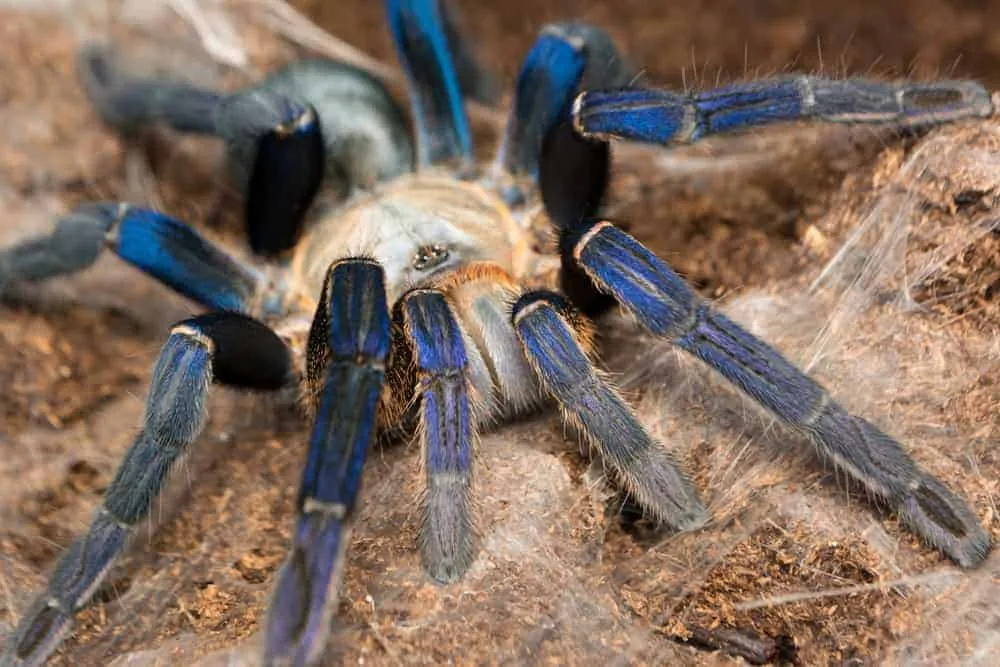
Understanding the Arboreal Cobalt Blue Tarantula
The Cobalt Blue Tarantula (Cyriopagopus lividus) is a stunning and captivating arachnid, highly sought after by tarantula enthusiasts. Known for its striking metallic blue coloration, this species originates from the tropical rainforests of Myanmar and Thailand. As an arboreal species, the Cobalt Blue tarantula spends most of its time in trees, making vertical space a crucial element of its enclosure. Their vibrant blue coloration is most prominent on their legs and carapace, providing an unforgettable visual appeal. Understanding their arboreal nature is the first step in providing appropriate care.
Habitat and Natural Environment
In their natural habitat, Cobalt Blue Tarantulas thrive in warm, humid environments, often found dwelling in burrows within trees or under the bark. They are ambush predators, patiently waiting for prey to come within striking distance. The rainforest environment provides the humidity they need, with plenty of insects, small animals, and a well-drained, yet moist substrate. Replicating this environment in captivity is key to ensuring the health and well-being of your Cobalt Blue Tarantula. The climate is relatively stable throughout the year, with consistent temperatures and humidity levels.
Enclosure Setup for Your Cobalt Blue

Creating the right enclosure is paramount. Since these tarantulas are arboreal, the enclosure must be taller than it is wide. Consider an enclosure made of glass or clear acrylic, to provide good visibility. Ventilation is also crucial to prevent mold and maintain air circulation, typically achieved through cross-ventilation design, such as holes near the top and the bottom of the enclosure. The size of the enclosure should be appropriate for the size of the spider, with juveniles needing smaller setups to feel secure. The key is to provide enough room for climbing and movement without overwhelming the tarantula.
Choosing the Right Enclosure
The enclosure should be at least three times the leg span of your tarantula in height and twice the leg span in width. For adults, a terrarium of approximately 12x12x18 inches or larger is typically recommended. Ensure the enclosure has a secure lid to prevent escapes. Consider front-opening enclosures for easier access and maintenance, and make sure that the material is durable and can withstand accidental drops or impacts. Proper enclosure selection creates a comfortable, secure, and enriching environment for your arboreal pet.
Substrate and Decor
The substrate is critical for maintaining humidity and providing a natural environment. A mixture of peat moss, coco fiber, and vermiculite is ideal. The substrate should be deep enough (around 4-6 inches) to allow the tarantula to burrow and anchor itself. Add climbing decor such as cork bark, branches, and artificial plants to mimic their natural habitat. These elements provide hiding spots, facilitate molting, and encourage natural behaviors. Regularly misting the enclosure will help maintain the required humidity levels.
Temperature and Humidity
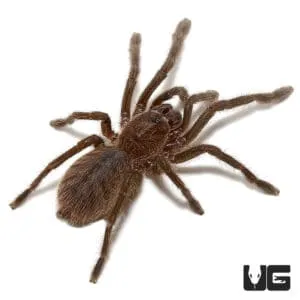
Cobalt Blue Tarantulas thrive in temperatures between 75-85°F (24-29°C). A heat mat on one side of the enclosure can help maintain this temperature. Humidity levels should be kept between 70-80%. Use a hygrometer to monitor the humidity. Misting the enclosure once or twice a week, depending on your climate, is usually sufficient. Avoid placing the enclosure in direct sunlight, as this can lead to overheating.
Feeding Your Cobalt Blue Tarantula
Proper nutrition is essential for the growth and health of your Cobalt Blue Tarantula. They are voracious eaters, and providing the right food is an important aspect of care. Juvenile tarantulas need to eat more frequently than adults, allowing for proper development. Always ensure that the prey is smaller than the tarantula itself to prevent injuries.
What to Feed Your Cobalt Blue
The primary diet for Cobalt Blue Tarantulas consists of insects. Crickets, roaches (such as Dubia roaches), mealworms, and superworms are all suitable food options. Variety in the diet is important, so alternate between different types of insects. Avoid feeding wild-caught insects, as they may carry parasites or pesticides. Dusting the insects with calcium and vitamin supplements can further enhance their nutritional value. Remove uneaten prey after 24 hours to prevent stress and prevent mold growth.
Feeding Frequency and Schedule

Juvenile Cobalt Blue Tarantulas should be fed 2-3 times a week. As they mature, the feeding frequency can be reduced to once or twice a week. Adults can often be fed once every 7-14 days, adjusting the frequency based on their abdomen size and activity level. Observe your tarantula’s behavior and feeding response to determine the optimal feeding schedule. Always ensure that fresh water is available, either in a shallow dish or by misting the enclosure.
Watering and Hydration
Water is crucial for maintaining the health of your Cobalt Blue Tarantula. Provide fresh water at all times. A shallow water dish, such as a bottle cap, is recommended to prevent drowning. Keep the water clean and change it regularly. Alternatively, you can mist the enclosure once or twice a week, depending on your climate, to provide hydration and maintain humidity. Always make sure to avoid oversaturation.
Handling and Interaction
While Cobalt Blue Tarantulas are beautiful to observe, they are not typically considered handleable pets. They possess potent venom and can be prone to defensive behaviors. It’s important to handle them with the utmost care and respect for their safety.
Safe Handling Practices

If you need to handle your Cobalt Blue Tarantula, it is best done only when absolutely necessary, such as for enclosure cleaning or a health check. Before handling, ensure you are calm and that the tarantula is aware of your presence. Always handle them over a soft surface, such as a bed or a rug, to minimize the risk of injury if they fall. Use a soft brush to gently encourage the tarantula onto your hand. Never grab the tarantula; let it walk onto your hand. Always wash your hands before and after handling.
Recognizing Stress and Avoiding Bites
Cobalt Blue Tarantulas can exhibit defensive behaviors when stressed, such as rearing up, displaying their fangs, or flicking hairs. These are warning signs to back off. If the tarantula appears agitated, it’s best to leave it alone. Bites from Cobalt Blue Tarantulas can be painful and result in localized symptoms. Avoid handling if possible, and always be aware of your tarantula’s behavior to avoid being bitten.
Common Health Issues and Care
Like all tarantulas, Cobalt Blues can experience health issues. Recognizing these issues and providing proper care is essential for their well-being. Regularly inspect your tarantula for any signs of illness or injury.
Moulting Process
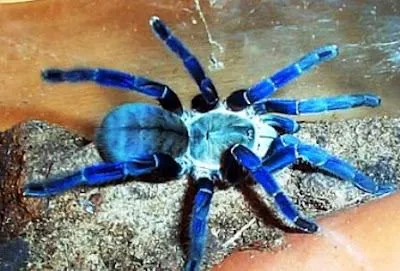
Moulting is a natural process where tarantulas shed their exoskeleton to grow. During this time, your tarantula may lose its appetite, become lethargic, and lay on its back. Provide a humid environment and avoid disturbing the tarantula during the moulting process. Never attempt to help your tarantula moult, as this can be very dangerous. A healthy moult is a sign of a healthy tarantula, and proper care ensures successful moults.
Recognizing and Addressing Health Problems
Common health issues include mites, fungal infections, and injuries. Mites can be identified as small, moving dots on the tarantula’s body. Fungal infections can appear as discolored patches or lesions. Injuries can occur during moulting or from prey. Consult a veterinarian or experienced tarantula keeper if you notice any health problems. Preventative measures such as maintaining a clean enclosure and providing a balanced diet will minimize the risk of disease and injury.
Breeding and Reproduction
Breeding Cobalt Blue Tarantulas can be a rewarding but complex process. It requires careful planning and understanding of tarantula reproductive behaviors. Breeding can only be done by advanced keepers who are experienced with tarantula husbandry.
Sexing Your Cobalt Blue Tarantula

Accurately sexing a Cobalt Blue Tarantula is essential for breeding. This can be done by observing the presence of a spermatheca in females, which is a small sac located between the book lungs, or the presence of tibial hooks on the male’s front legs. These hooks are used to hold the female’s fangs during mating. Sexing spiderlings can be challenging, often requiring the use of a microscope to examine their molt.
Mating and Egg Sac Management
Mating involves introducing the male to the female’s enclosure. The male will often drum on the substrate to signal his intentions. If the female is receptive, mating will occur. After mating, the female will produce an egg sac containing hundreds of eggs. The egg sac needs to be carefully managed to ensure proper incubation. Providing the right temperature and humidity is crucial. The spiderlings will emerge from the egg sac and require specialized care, including appropriate food and housing.
Conclusion
Caring for an arboreal Cobalt Blue Tarantula is a fulfilling experience. By understanding their specific needs, including habitat, feeding, handling, and health, you can ensure that your tarantula thrives. Regular observation, responsible handling, and proper environmental maintenance will provide your Cobalt Blue Tarantula with a long and healthy life. Enjoy the beauty and unique personality of this magnificent creature. With dedication and care, you’ll be able to enjoy your Cobalt Blue tarantula for years to come.