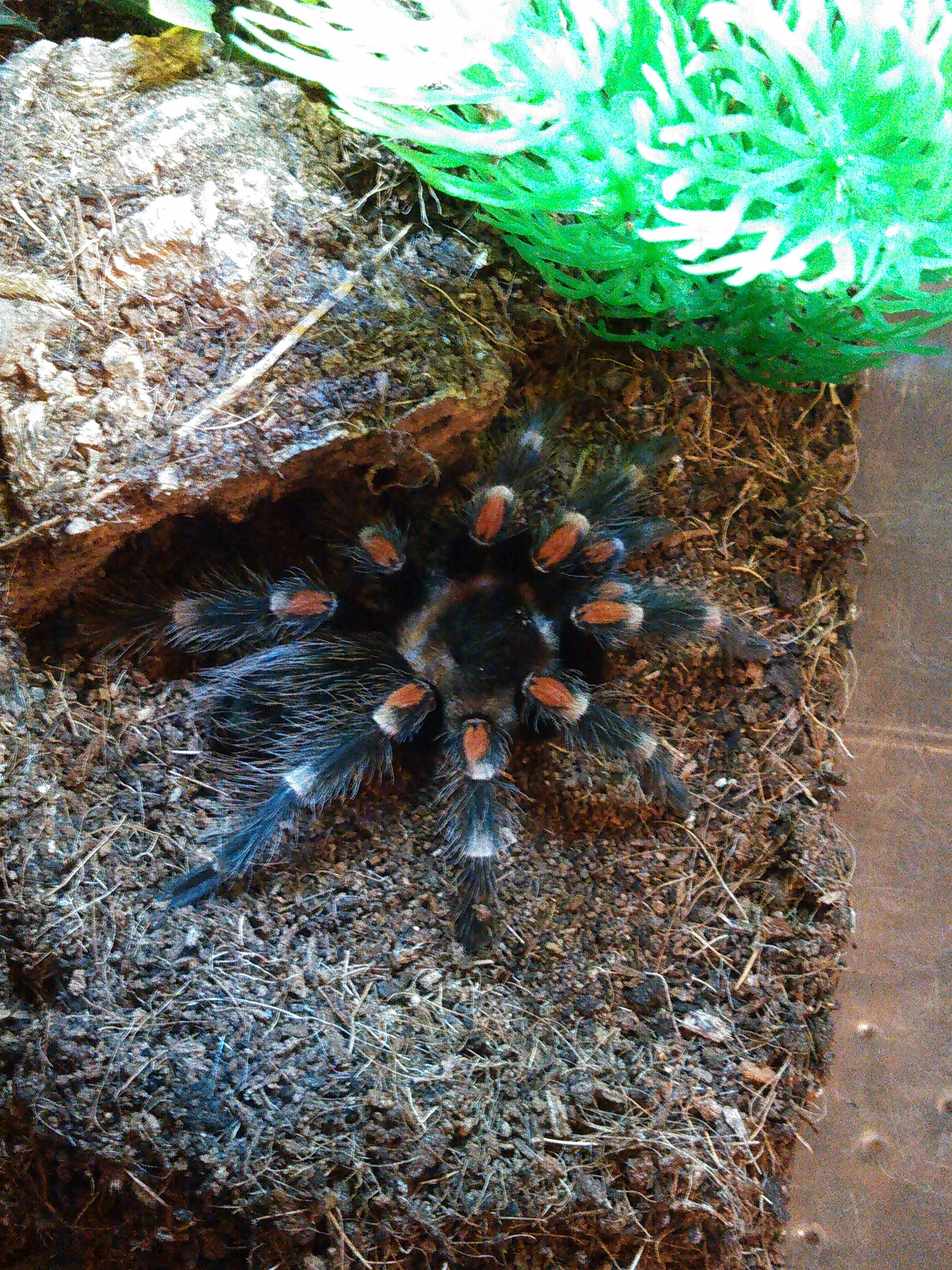
Auratum Tarantula: Top 5 Care Tips
The Auratum Tarantula, also known as the Golden Knee Tarantula, is a captivating species known for its striking coloration and relatively docile temperament. This care sheet provides essential information for both novice and experienced arachnid enthusiasts. Providing the right environment is essential for the well-being of these amazing creatures. By understanding their needs, you can ensure your Auratum Tarantula thrives, displaying its vibrant colors and fascinating behaviors. This guide will cover the top 5 essential care tips that will help you provide an excellent life for your tarantula, ensuring its longevity and happiness in your care. Let’s begin with the basics that will set you up for success in the world of tarantula care.
Choosing Your Auratum Tarantula
Choosing a healthy Auratum Tarantula is the first step towards successful care. It is important to purchase your tarantula from a reputable breeder or pet store that specializes in arachnids. This increases the likelihood that you are obtaining a healthy specimen and helps you avoid purchasing a tarantula that has been wild-caught. Furthermore, it helps to support ethical breeding practices. A reputable source can provide information about the tarantula’s origin, age, and any known health history. This information is important for long-term care and can help you predict potential issues that may arise.
Selecting a Healthy Auratum Tarantula

When selecting your tarantula, look for an active spider. A healthy Auratum Tarantula will be alert and responsive to its environment, showing curiosity and movement. Check for a plump abdomen, which indicates good health and proper hydration. Avoid tarantulas with a shrunken abdomen or visible injuries. Examine the legs for any missing limbs, which is a sign of previous trauma or molting issues, though these can regrow. The tarantula should appear clean and free of any parasites or debris. Observe its feeding behavior; a healthy tarantula will show interest in food, such as crickets or mealworms. Avoid tarantulas that appear lethargic, have a dull coloration, or exhibit any signs of illness, such as tremors or unusual posture.
Housing Your Auratum Tarantula
The proper housing setup is crucial for the health and well-being of your Auratum Tarantula. A well-designed enclosure provides the necessary environment for the tarantula to thrive, mimicking its natural habitat and minimizing stress. The enclosure should be secure, escape-proof, and easy to maintain. It needs to provide appropriate temperature, humidity, and space for the spider to move, hunt, and burrow. You also want the setup to be aesthetically pleasing for you. The size, type of substrate, and furnishings all play a critical role in the overall health and comfort of the tarantula. Careful consideration of these factors can make the difference between a tarantula that survives and one that thrives.
Enclosure Size and Setup
The ideal enclosure size for an Auratum Tarantula should be based on its size, with larger tarantulas needing larger enclosures. A good rule of thumb is to provide an enclosure that is at least three times the tarantula’s leg span in width and length. This allows for adequate space for movement and exploration. The enclosure should be tall enough to accommodate a layer of substrate for burrowing, as well as any decorations or hides you choose to include. The enclosure must have a secure lid to prevent escape. The setup should include a water dish, a hide, and a substrate that allows for burrowing. Proper ventilation is important to prevent excessive humidity buildup and the growth of mold, so ensure the enclosure has adequate airflow.
Substrate and Furnishings

The substrate should be safe, absorbent, and suitable for burrowing. A mixture of coconut fiber and peat moss is a good choice, as it retains moisture well and allows the tarantula to create burrows. Avoid using soil that contains fertilizers or pesticides. The substrate should be deep enough to allow the tarantula to burrow comfortably. In addition to substrate, furnish the enclosure with a hide, such as a piece of cork bark or a pre-made hide, where the tarantula can retreat. Provide a water dish, ideally shallow to prevent accidental drowning. You may also include live or artificial plants to provide additional cover and aesthetic appeal. Ensure that all decorations are securely placed and non-toxic. Adding these elements will make your Auratum feel safe and secure in its new home.
Feeding Your Auratum Tarantula
Feeding is one of the most important aspects of Auratum Tarantula care. Proper nutrition ensures that your tarantula grows and remains healthy. Understanding the diet and feeding frequency is crucial to avoid underfeeding or overfeeding, both of which can cause health problems. A varied diet, incorporating different types of insects, provides the necessary nutrients for optimal growth and development. Furthermore, monitoring your tarantula’s feeding behavior can provide insights into its overall health. Regularly scheduled meals and a diverse diet are essential to providing a long and healthy life for your Auratum Tarantula.
Diet and Feeding Frequency
Auratum Tarantulas are carnivores and thrive on a diet of insects. Crickets, mealworms, and roaches are all excellent choices. The size of the insect should be appropriate for the tarantula’s size; generally, the prey should be no larger than the tarantula’s body. Young tarantulas should be fed two to three times a week, while adults can be fed once or twice a week. Remove any uneaten insects within 24 hours to prevent them from stressing the tarantula or causing injury. Ensure the insects are gut-loaded with nutritious food before feeding them to your tarantula. This will help provide the tarantula with additional vitamins and minerals, contributing to its overall health. Monitoring your tarantula’s abdomen for fullness is a good way to gauge its feeding needs; an appropriately fed tarantula will have a plump abdomen.
Watering and Hydration

Providing a clean water source is essential for your Auratum Tarantula. Tarantulas need water to stay hydrated, especially in drier environments. Maintaining proper hydration helps the tarantula to molt successfully and ensures overall well-being. There are several methods to provide water, and it is essential to choose the appropriate method for your tarantula’s specific needs. Monitoring humidity levels and providing adequate moisture are crucial to the health and survival of your Auratum Tarantula. The care that you provide to meet its hydration needs will have a direct impact on its overall well-being and lifespan.
Maintaining Humidity Levels
Auratum Tarantulas require a specific level of humidity to thrive. The ideal humidity range is generally between 60% and 70%. This can be achieved by misting the enclosure with water once or twice a week, depending on the ventilation and the ambient humidity of your home. Using a hygrometer can accurately measure the humidity levels in the enclosure. The water dish should always be available to provide a constant source of hydration. Avoid over-misting, as this can lead to excessive humidity and the growth of mold, which can be harmful to the tarantula. Monitoring the humidity levels regularly and adjusting your care practices accordingly will help ensure that your Auratum Tarantula remains healthy and comfortable.
Handling and Safety Precautions
While Auratum Tarantulas are known for their relatively docile nature, it is still important to handle them with caution. Tarantulas can be easily startled, and handling can be stressful for the spider. Understanding your tarantula’s behavior and taking proper safety precautions is important to protect yourself and the tarantula. Being prepared with the right knowledge and tools is essential when handling your Auratum Tarantula. Taking the necessary precautions can prevent accidents and ensure that both you and your pet remain safe. When in doubt, it is best to err on the side of caution and avoid handling altogether.
Understanding Auratum Tarantula Behavior
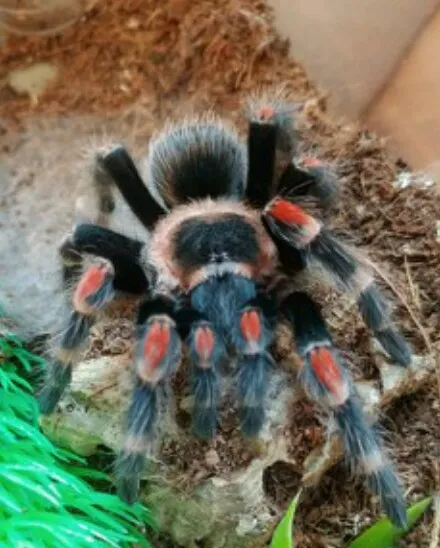
Before attempting to handle your Auratum Tarantula, it is important to understand its behavior. Observe the tarantula’s posture and reactions. A tarantula that feels threatened may raise its front legs, flick hairs (urticating hairs), or retreat. If your tarantula is displaying these behaviors, it is best to leave it undisturbed. Avoid sudden movements and loud noises, as these can startle the tarantula. If you must handle the tarantula, do so in a safe environment, such as close to the ground or over a soft surface. Always wash your hands thoroughly before and after handling the tarantula to prevent the spread of bacteria or chemicals that could be harmful.
Health and Common Issues
Auratum Tarantulas, like all living creatures, can be prone to certain health issues. Being aware of the common health problems and understanding how to recognize them is important for ensuring the well-being of your pet. Providing proper care and a suitable environment greatly reduces the risk of many health issues. Regular observation and quick action are essential for addressing any potential problems. By being proactive and vigilant, you can help your Auratum Tarantula live a long and healthy life. This will help to avoid a lot of heartache and money. By the time you know that something is wrong, it may be too late.
Recognizing and Addressing Health Problems
One of the most common issues is dehydration. This can be recognized by a shrunken abdomen or lethargy. Ensure that a water dish is always available and mist the enclosure regularly. Parasites can be another problem; mites are a common issue. If you notice mites on your tarantula, isolate it and consult a veterinarian or experienced tarantula keeper for treatment. Molting problems can also occur, especially in younger tarantulas. Ensure that the humidity is correct and the enclosure is free of obstructions that could impede the molting process. If a tarantula fails to molt successfully, seek professional advice. Any unusual behaviors or physical signs should be addressed promptly. Consult with a veterinarian or a knowledgeable tarantula keeper to diagnose and treat any potential health issues to ensure your tarantula remains healthy and thriving.
Auratum Tarantula FAQs
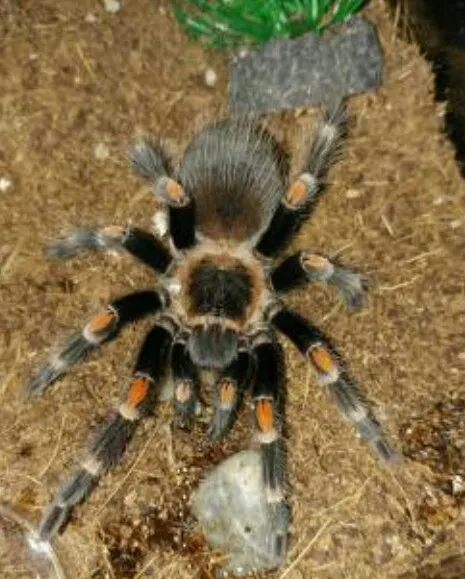
Here are a few of the most frequently asked questions. Where should I buy my tarantula from? Always choose a reputable breeder. How often should I feed my tarantula? Usually, once or twice a week. What is the proper temperature? The ideal temperature range is between 75-85°F. Is it safe to handle my tarantula? Handling is not generally recommended. Do Auratum Tarantulas require any special lighting? No special lighting is needed. The Auratum Tarantula can be a rewarding pet, providing a fascinating glimpse into the world of arachnids. By following these care tips, you can create a healthy and enriching environment for your tarantula, allowing it to thrive and providing you with many years of enjoyment. Remember that proper care is not just about providing basic needs, but also about understanding and appreciating the unique needs of this amazing species. By continuing your education and staying informed, you will enhance the well-being of your Auratum Tarantula.