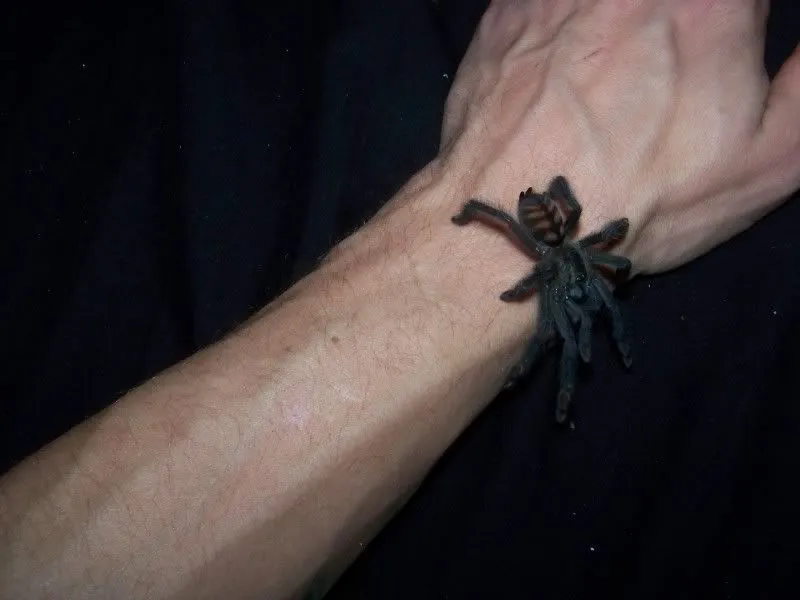
The Avic Versicolor, also known as the Antilles Pinktoe tarantula, is a captivating spider species that has become a popular choice for both novice and experienced tarantula keepers. Known for its striking beauty and relatively docile temperament, the Avic Versicolor offers a fascinating glimpse into the world of arachnids. This guide delves into the essential facts and care requirements for successfully keeping and enjoying these stunning creatures.
What is an Avic Versicolor Tarantula?
The Avic Versicolor is a species of tarantula native to the Caribbean islands of Martinique and Guadeloupe. They are arboreal, meaning they primarily live in trees. These spiders are known for their vibrant coloration and delicate appearance, making them a visually appealing addition to any pet collection. Their relatively small size compared to other tarantula species and their manageable care requirements have contributed to their popularity as pets.
Origin and Habitat
In their natural habitat, Avic Versicolor tarantulas reside in the tropical rainforests of Martinique and Guadeloupe. They construct silken retreats among the branches and leaves of trees. This arboreal lifestyle influences their physical adaptations, such as their ability to climb and their preference for vertical rather than horizontal living spaces. Understanding their natural habitat is crucial for replicating a suitable environment in captivity.
Appearance and Characteristics

Juvenile Avic Versicolor tarantulas exhibit a striking appearance, with a metallic blue carapace, vibrant red/orange abdomen and legs. As they mature, their colors gradually shift. The carapace often transitions to a greenish hue, while the legs and abdomen become more colorful, displaying a range of greens, purples, and pinks. Adults typically reach a leg span of around 5-6 inches. They possess urticating hairs, which they can flick as a defense mechanism, though they are generally considered less defensive than many other tarantula species.
Top 5 Facts About Avic Versicolor
Fact 1: Vibrant Coloration
The Avic Versicolor is renowned for its exceptional coloration. Spiderlings boast a metallic blue carapace and reddish abdomen. As they mature, their appearance transforms, with the body becoming a kaleidoscope of greens, purples, and pinks. This stunning visual display is a key reason for their popularity among tarantula enthusiasts. The intensity and specific shades of color can vary depending on the individual spider and its environmental conditions.
Fact 2: Arboreal Lifestyle

Unlike many terrestrial tarantula species, the Avic Versicolor is arboreal, meaning it lives primarily in trees. In captivity, this means they require vertical space in their enclosure and appreciate climbing structures like branches and cork bark. They construct silken retreats and webs, using them for shelter and as a base for ambushing prey. Providing a habitat that mimics their arboreal lifestyle is essential for their well-being.
Fact 3: Diet and Feeding Habits
Avic Versicolor tarantulas are insectivores, feeding on a variety of insects in the wild and in captivity. Crickets, roaches, mealworms, and other readily available insects are common food choices. Feeding frequency depends on the spider’s age and size, with juveniles requiring more frequent feeding than adults. It’s important to ensure the insects are appropriately sized for the spider and that uneaten food is removed to prevent mold growth.
Fact 4: Handling and Temperament
Avic Versicolor tarantulas are generally considered to have a relatively docile temperament, making them somewhat easier to handle compared to some other species. However, handling should always be approached with caution. They can be fast and skittish, and a fall can be fatal. It’s best to avoid handling them unless absolutely necessary and to always supervise children when they are near the enclosure. Respecting their space and understanding their behavior will lead to a more rewarding experience.
Fact 5: Lifespan and Growth

Avic Versicolor tarantulas have a lifespan of 5-10 years for females and a shorter lifespan for males. Growth is determined by molting, where the spider sheds its exoskeleton to grow. The frequency of molting decreases as the spider matures. Proper care, including appropriate temperature, humidity, and diet, is crucial for supporting healthy growth and maximizing lifespan. Molting is a vulnerable time for the spider, and it’s best not to disturb them during this process.
Caring for Your Avic Versicolor
Enclosure Setup
An appropriate enclosure for an Avic Versicolor should be well-ventilated and provide adequate vertical space. A tall, arboreal-style enclosure with a secure lid is ideal. Substrate can include a mixture of coconut fiber, peat moss, and sphagnum moss to help retain humidity. Provide climbing structures such as cork bark, branches, and artificial plants for the spider to create its web. Make sure the enclosure is escape-proof, as these spiders can be surprisingly agile.
Temperature and Humidity

Avic Versicolor tarantulas thrive in a temperature range of 75-85°F (24-29°C) with a humidity level of 70-80%. Regular misting of the enclosure is necessary to maintain humidity. A hygrometer is useful for monitoring humidity levels. Proper ventilation is also critical to prevent mold and mildew growth. Avoid placing the enclosure in direct sunlight, as this can lead to overheating.
Feeding and Watering
Offer appropriately sized insects 2-3 times a week for juveniles and once a week for adults. Crickets and roaches are commonly used. Always remove uneaten prey within 24 hours to prevent stressing the spider. Provide a shallow water dish with fresh, clean water at all times. Ensure the water dish is shallow enough to prevent the spider from drowning.
Common Health Issues
While Avic Versicolor tarantulas are generally hardy, they can be susceptible to certain health issues. Dehydration can occur if humidity levels are too low or if they don’t have access to water. Mites are another potential problem, which can be identified by small, moving dots on the spider. Parasites can also be an issue. Regular observation of your tarantula is vital. If any health concerns are suspected, consulting with a veterinarian specializing in exotic animals is advisable.
Conclusion

The Avic Versicolor tarantula is a beautiful and fascinating species that offers a rewarding experience for those who enjoy keeping exotic pets. By understanding their basic needs, including appropriate enclosure setup, temperature, humidity, and diet, you can ensure the health and longevity of your tarantula. Remember to handle them with care and respect their natural behaviors. With proper care, the Avic Versicolor will bring a touch of the tropics and a vibrant splash of color to your home.