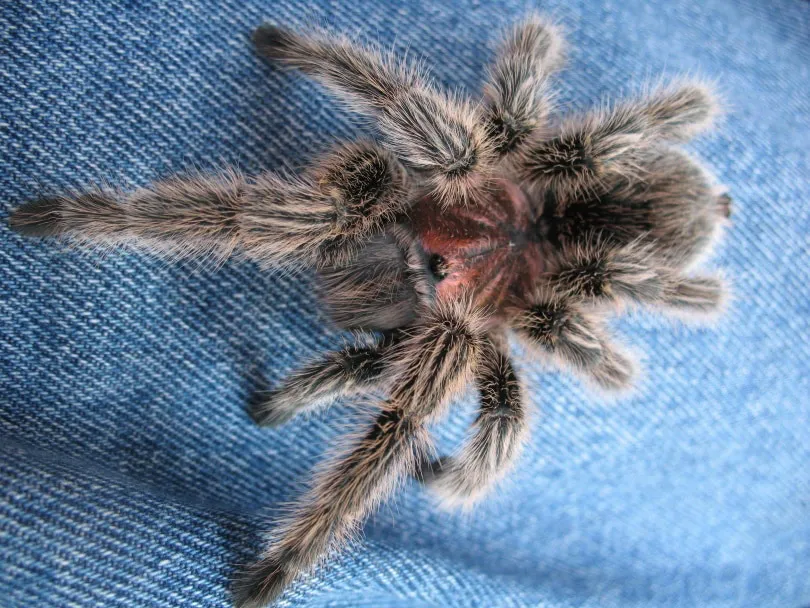
Understanding Baby Tarantula Costs
The allure of owning a baby tarantula is undeniable, captivating enthusiasts with their unique appearance and relatively low-maintenance care requirements. However, before bringing one of these fascinating creatures into your home, it’s essential to understand the associated costs. This comprehensive guide delves into the various factors that influence baby tarantula prices, helping you make informed decisions and budget effectively. From initial purchase prices to ongoing care expenses, we’ll cover everything you need to know to ensure you’re prepared to provide a healthy and happy environment for your new eight-legged friend. Understanding the cost of a baby tarantula involves considering not only the purchase price but also the supplies, food, and potential veterinary care. Careful planning ensures a positive experience for both you and your tarantula.
Factors Affecting Baby Tarantula Prices
Tarantula Species and Their Impact on Cost

The species of baby tarantula is a primary determinant of its cost. Different species possess varying levels of rarity, temperament, and care requirements, which directly influence their market value. Some species are more readily available due to successful captive breeding programs, resulting in lower prices, while others are more challenging to breed or have limited distribution, leading to higher costs. Understanding the demand and availability of a species is crucial when budgeting for your new pet. Before purchasing, research the specific species you are interested in to get a clear picture of its average cost and any potential fluctuations based on its popularity and breeding success.
Common Baby Tarantula Species and Price Ranges
Common species like the Chilean Rose Hair tarantula (Grammostola rosea) and the Curly Hair tarantula (Tliltocatl albopilosus) are generally more affordable, often ranging from $15 to $40 for a spiderling. These species are popular among beginners due to their docile temperaments and relatively easy care. Their widespread availability contributes to their lower cost. These tarantulas are frequently bred in captivity, ensuring a consistent supply and competitive pricing. They are an excellent choice for those looking to begin their journey into tarantula ownership without a significant initial investment. Regularly check with local pet stores and online retailers for current pricing and availability of these beginner-friendly species.
Rare and Exotic Tarantula Species Prices
Rare and exotic species, such as the Cobalt Blue tarantula (Cyaneopubescens) or the Pinktoe tarantula (Avicularia avicularia), can command significantly higher prices, often ranging from $50 to $200 or more. These species may be more challenging to breed, have specific environmental requirements, or have limited availability due to geographical restrictions. Collectors and experienced keepers often seek these species, driving up demand and, consequently, prices. The striking coloration or unique behaviors of these tarantulas also contribute to their allure and cost. Thorough research is essential when considering a rare species, including understanding its specific care needs and ensuring you have the necessary experience and resources. Be prepared to pay a premium for these fascinating but often more demanding species.
Age and Size of the Tarantula and Price

The age and size of a baby tarantula significantly influence its price. Spiderlings, or very young tarantulas, are typically the most affordable option, but they require more specialized care and are more vulnerable. As tarantulas grow, their prices increase due to the extended care they have received and the reduced risk associated with their survival. Larger, more mature juvenile tarantulas often cost more than younger ones, as they are closer to reaching their adult size and have a better established feeding and molting history. Consider your experience level when choosing the age of your tarantula. Beginners might prefer a slightly older juvenile, while experienced keepers may opt for a spiderling to observe its growth and development from the start.
How Does Age and Size Impact the Price?
Spiderlings, typically under an inch in leg span, may range from $15 to $30, while juveniles (1-3 inches) might cost $30 to $75 or more, depending on the species. Sub-adults, nearing maturity, can range from $75 to $150 or more. Adult tarantulas are usually the most expensive, priced at the higher end. This pricing reflects the increased care and resources invested by the breeder. Buying a younger tarantula means you will also need smaller enclosure and more frequent feeding.
The Role of Gender in Tarantula Pricing
In some cases, the gender of a baby tarantula can impact its price. Female tarantulas are often more expensive than males. This is primarily because females have a longer lifespan and can potentially produce offspring, which makes them more valuable to breeders. Males typically mature faster and have a shorter lifespan, which affects their market value. However, gender is not always a significant factor, especially in less common species or when buying from a hobbyist. The price difference is often more noticeable when purchasing from breeders who focus on producing offspring. If you are not planning to breed your tarantula, gender may be less relevant to your purchase decision.
Breeder Reputation and Its Effect on Cost

The reputation of the breeder can significantly impact the cost of a baby tarantula. Reputable breeders invest in the health and well-being of their tarantulas, providing proper care, nutrition, and environmental conditions. They also often have a deep understanding of the species they breed and can offer valuable advice and support to new owners. Buying from a reputable breeder often means paying a premium, but it also reduces the risk of purchasing a tarantula with health issues or questionable genetics. They are more likely to provide a tarantula that is properly sexed and is of a higher quality. Additionally, reputable breeders may guarantee the health of their tarantulas or offer replacement policies, providing peace of mind. The additional cost reflects the breeder’s expertise and commitment to responsible breeding practices.
Why Reputable Breeders Matter
Choosing a reputable breeder is crucial for the health and well-being of your baby tarantula. They prioritize the welfare of their tarantulas. This commitment translates to healthier, more vibrant, and ethically raised animals. Reputable breeders often have extensive knowledge of the species they breed and can provide valuable insights and advice, including proper care, feeding, and environmental needs. They can also help you identify any potential health issues and offer solutions. Moreover, buying from a reputable breeder supports responsible breeding practices and helps to protect wild populations by reducing the demand for illegally collected tarantulas. Their tarantulas are also often more likely to be accurately identified, reducing the risk of unknowingly purchasing a different species than what was advertised.
The Cost of Supplies for Baby Tarantulas
Essential Supplies for Baby Tarantulas
Beyond the initial cost of the tarantula, you must factor in the essential supplies needed to create a suitable environment for your pet. These supplies include an enclosure, substrate, a water dish, and possibly heating and lighting equipment, all of which contribute to the overall cost of owning a baby tarantula. Setting up the right habitat is vital to the tarantula’s health, providing security, and promoting natural behaviors. The initial investment in supplies can be significant, but these costs are essential and should be budgeted for accordingly. Choosing the right supplies at the outset ensures that your tarantula thrives.
Enclosure Requirements
The enclosure is a fundamental requirement, and its size and type will depend on the species and the size of your baby tarantula. For spiderlings, small plastic containers or deli cups with secure lids are often sufficient. As your tarantula grows, you will need to upgrade to a larger enclosure. Consider the adult size of the species when purchasing your initial enclosure. Ventilation is crucial; enclosures should have adequate airflow to prevent mold and maintain optimal humidity levels. Ensure that the enclosure is escape-proof. The cost of enclosures can range from a few dollars for small containers to $30-$100 or more for larger, specialized habitats. Always prioritize a secure and appropriate enclosure to ensure your tarantula’s safety and well-being. Consider the materials and whether it provides adequate ventilation. A good enclosure provides your pet with a sense of security.
Substrate Selection
Substrate, the material that lines the bottom of the enclosure, is essential for providing a natural environment, aiding in humidity regulation, and allowing the tarantula to burrow or create a web. Common substrate options include coco fiber, peat moss, vermiculite, and a mix of these materials. The type of substrate you choose will depend on the specific species and its environmental needs. The cost of substrate varies depending on the type and quantity purchased, but it is generally a recurring expense as you will need to replace the substrate periodically. Consider the substrate’s ability to retain moisture and its suitability for burrowing, as these features are key to creating a comfortable and healthy habitat. Properly chosen substrate is a cornerstone of good tarantula care.
Heating and Lighting

While not always necessary, heating and lighting may be required depending on the species and your local climate. Some tarantulas thrive in warmer environments and will benefit from a heat mat or a ceramic heat emitter. These are usually placed on the side of the enclosure. It is crucial to monitor the temperature inside the enclosure with a thermometer to ensure it remains within the optimal range for the species. Artificial lighting, while not strictly necessary, can help you observe your tarantula. Lighting should not be too bright. The costs for heating and lighting equipment vary, but they are generally a one-time expense. Ensure that the equipment you choose is appropriate for the size of the enclosure and the species of your tarantula.
Feeding Your Baby Tarantula
Proper nutrition is paramount for a baby tarantula’s growth and health. This involves regular feeding with appropriate food items, such as crickets, mealworms, and roaches. The cost of food is an ongoing expense that should be factored into your budget. The nutritional needs of baby tarantulas are different than those of adults, therefore the size and frequency of feeding are also very important.
Types of Food and Their Cost
The staple diet of baby tarantulas typically consists of live insects. Crickets are a common and relatively inexpensive option, with prices varying based on the size and quantity purchased. Mealworms are another popular choice. Purchasing these insects in bulk can help reduce the cost. Consider gut-loading the insects before feeding them to your tarantula to ensure they receive a balanced diet. The cost of food can range from a few dollars per week to more, depending on the size of your tarantula and the availability of food items. The best diet is varied and includes different insect species to promote optimal health and growth. Purchasing from reputable suppliers is also important.
Frequency of Feeding and Cost Implications

The frequency of feeding depends on the age and size of the tarantula. Spiderlings may need to be fed every few days, while juveniles can be fed once or twice a week. Adult tarantulas can often be fed once every week or two. Monitor the tarantula’s abdomen, which should be round and full after feeding. If the abdomen appears too large, reduce the frequency of feeding. These are guidelines only and you must research the specific needs of your tarantula. The cost of food is linked to the frequency of feeding. Plan your feeding schedule and food purchases accordingly to avoid overspending. Regular feeding is necessary, but it is important not to overfeed, because overfeeding can lead to health problems.
Long-Term Costs of Owning a Baby Tarantula
Beyond the initial purchase and setup costs, there are ongoing expenses associated with owning a baby tarantula. These long-term costs include veterinary care, enclosure upgrades, and continued supply purchases. Preparing for these expenses will help you ensure that you can provide your pet with the best possible care throughout its lifespan.
Veterinary Care and Its Costs
While tarantulas are generally hardy creatures, they can still experience health issues. It is crucial to find a veterinarian specializing in exotic animals. Veterinary care can be expensive. If your tarantula becomes ill or injured, you may need to consult a veterinarian. Regular check-ups are not typically required for tarantulas, but a veterinarian can provide guidance on preventive care and address any health concerns. The costs of veterinary care can range from a few dollars for a simple examination to hundreds of dollars for more complex treatments. Research local exotic animal veterinarians before you purchase your tarantula so you know your options in advance.
Potential Health Issues and Treatment Costs
Baby tarantulas are susceptible to various health issues, including mites, fungal infections, and injuries. The costs for treatment can vary significantly. Mite infestations may require specialized mite treatments, while fungal infections may need antifungal medications. Injuries, such as a broken leg or an injured abdomen, may need veterinary attention. Costs can range from a few dollars for medications to hundreds or thousands for more extensive treatments, so prepare to budget for any potential issues. Regular monitoring of your tarantula and its enclosure can help detect potential health problems early on, which often leads to less costly treatment. Maintaining a clean and appropriately humid environment helps to prevent some potential issues.
Cost of Upgrading Enclosures as They Grow
As your baby tarantula grows, you will need to upgrade its enclosure to ensure it has adequate space. The cost of upgrading the enclosure will depend on the size of the tarantula and the type of enclosure you choose. Larger enclosures can range from $30 to $100 or more. Budget for the ongoing cost of purchasing and preparing for larger enclosures. It is important that your tarantula has enough space to move around. Upgrading the enclosure is a necessary investment that ensures your tarantula has an appropriate living space. Consider your tarantula’s future size when planning your purchase. This is a one time cost, but it must be budgeted for.
Finding the Right Baby Tarantula at the Right Price
Where to Buy Baby Tarantulas
When searching for a baby tarantula, you have several options for where to make your purchase. Online retailers, local pet stores, and tarantula shows or expos all offer opportunities to find a suitable pet. Each option has its own advantages and disadvantages. Consider your preferences and budget when deciding where to buy your tarantula.
Online Retailers
Online retailers offer a wide selection of tarantula species and often provide detailed information about each. Prices can vary depending on the retailer and the species. Researching the retailer’s reputation and reading reviews from other customers is vital. Check the retailer’s shipping policies to ensure the tarantula is packaged appropriately and arrives safely. Online retailers can offer more competitive prices than local pet stores, but the lack of being able to see the tarantula in person is a drawback. Look for reputable breeders online. Ensure that they provide images of the exact tarantula you are purchasing and offer a guarantee.
Local Pet Stores
Local pet stores may carry a selection of baby tarantulas. One advantage of buying from a local pet store is you can see the tarantula in person before purchasing it. The staff at the pet store can often provide advice and answer your questions. The selection may be limited compared to online retailers. The prices may be slightly higher than online retailers, but this could be offset by the convenience of purchasing locally and building a relationship with the store. Before purchasing, check the store’s reputation and the health and condition of the tarantulas. Local pet stores are also a good source of other supplies.
Tarantula Shows and Expos
Tarantula shows and expos bring together breeders, retailers, and enthusiasts. These events provide an excellent opportunity to see a wide variety of tarantulas. You can meet breeders in person and ask questions about the tarantulas. Prices can vary, but they are often competitive, as the breeders are competing with each other. Make sure to research breeders and vendors. These events provide an interactive and educational experience. Prepare to bring cash. Consider visiting the event early to have the best selection. Make sure to be familiar with any local rules related to the transportation of exotic animals.
Making an Informed Decision
Before purchasing a baby tarantula, taking the time to research the species, the breeder, and the costs involved will help you make an informed decision. Comparing prices from different sources and carefully evaluating the health and condition of the tarantula is crucial. This preparation ensures that you are prepared to provide a suitable environment. Make an informed decision to ensure you’re prepared to provide a good home for your new pet. This is important for you and the tarantula.
Questions to Ask Before Buying
Before purchasing a baby tarantula, ask the breeder or seller several questions to ensure you understand the tarantula’s needs and the responsibilities of ownership. Inquire about the tarantula’s species, age, and origin. Ask about the tarantula’s feeding history and any health concerns. Find out about the tarantula’s temperament and whether it is suitable for your experience level. Ask the seller if they have any information regarding the tarantula’s lineage. The answers to these questions will help you assess the tarantula’s suitability and will inform your ongoing care. Being well-informed will ensure you are not surprised after you bring it home.
Avoiding Common Pitfalls
Avoid purchasing a baby tarantula impulsively. Research the species and its care requirements. Be wary of sellers offering tarantulas at unusually low prices, as this could indicate poor health or questionable genetics. Verify the seller’s reputation by reading reviews and checking with other tarantula keepers. Do not be afraid to ask questions and request more information about the tarantula’s history and care. Inspect the tarantula for signs of illness. Avoid tarantulas that are lethargic or show signs of parasites. Be patient and make an informed decision. This will ensure you bring home a healthy tarantula.