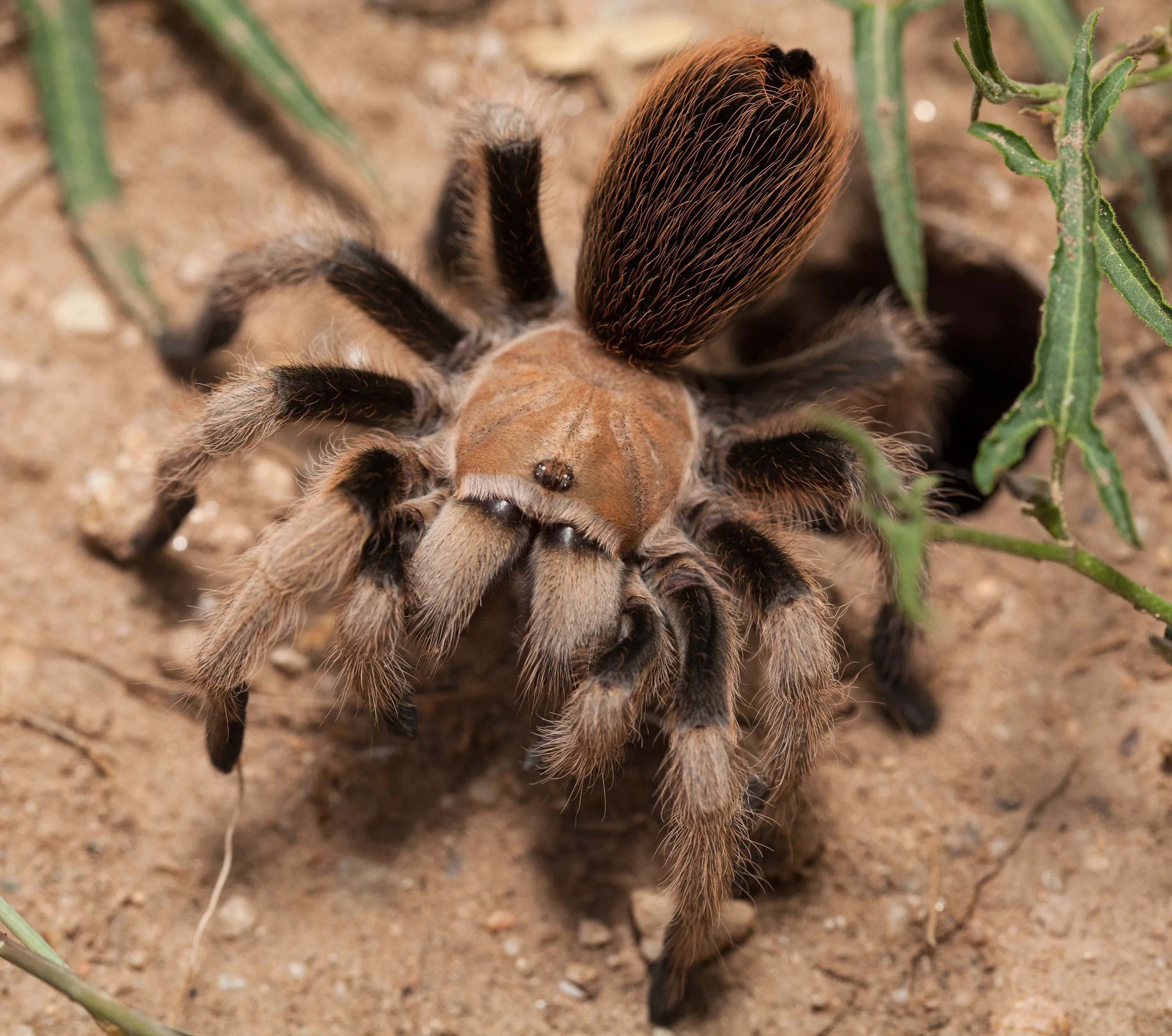
What Makes a Tarantula a Good Pet?
Tarantulas, with their imposing size and fascinating behavior, have become increasingly popular pets. But what makes a tarantula a good pet? Unlike more traditional companions, these arachnids offer a unique and relatively low-maintenance experience. They are generally quiet, don’t require constant attention, and can be quite captivating to observe. Their diverse appearances, ranging from the vibrant hues of the Pinktoe to the striking patterns of the Mexican Red Knee, add a touch of exoticism to any home. However, potential owners should understand that owning a tarantula is different from owning a dog or cat. They are not social animals and prefer to be left alone, which makes them an ideal pet for people with busy lifestyles or those who appreciate the beauty of nature without the demands of more interactive pets. Proper research and understanding of their specific needs are essential for ensuring the health and well-being of your tarantula.
Temperament and Handling
The temperament of a tarantula is a crucial factor to consider when choosing a pet. While generally not aggressive, tarantulas can be skittish and may bite if they feel threatened. Handling a tarantula is generally not recommended, as it can stress the animal and potentially lead to a bite or a release of urticating hairs, which can cause skin irritation. Some species are known for their docile nature, while others are more defensive. It’s essential to research the specific species’ temperament before bringing it home and to always prioritize the tarantula’s well-being. Observing the tarantula in its enclosure provides a great way to interact with your pet without risking any negative interactions.
Docile Tarantula Species

Certain species, such as the Chilean Rose Hair, are known for their relatively calm demeanor, making them a good option for beginner tarantula keepers. These tarantulas are less likely to bite and are generally more tolerant of handling. However, ’tolerant’ does not equate to ’enjoying’. It is important to remember that even docile tarantulas are still wild animals and should be treated with respect and caution. When handling is absolutely necessary, it is best done close to the ground in a soft place and using a soft brush to gently nudge the tarantula if necessary.
Defensive Tarantula Species
Other species, like the Costa Rican Zebra, can be more defensive and may display warning behaviors like raising their front legs or flicking urticating hairs when they feel threatened. These hairs can cause skin irritation and should be avoided. Learning about the defensive behaviors of any tarantula species you consider is vital for your safety. Understanding how a tarantula may react to being startled or handled allows you to create a safe and comfortable environment for both you and your pet. Avoid sudden movements and loud noises to prevent startling your tarantula.
Size and Space Requirements
The size of the tarantula is a key factor in determining the appropriate enclosure. Larger species need more space to move around and establish their territories, while smaller species can thrive in smaller enclosures. The size of the enclosure directly affects the tarantula’s comfort and health. An enclosure that is too small can cause stress and inhibit the tarantula’s natural behaviors, while an enclosure that is too large might make it difficult for the tarantula to find its food. Always make sure you give your tarantula the proper enclosure size for their species.
Small Tarantula Species

Species like the Trinidad Chevron can be kept in smaller enclosures due to their smaller size. These tarantulas are ideal for those with limited space but still want the experience of keeping a pet tarantula. The ease of caring for smaller tarantulas also makes them great choices for beginners. They don’t require as much food or maintenance as larger species, making them a convenient choice for new keepers. Their smaller size also means you don’t need a huge enclosure to have one.
Medium Tarantula Species
Medium-sized tarantulas, such as the Mexican Red Knee, require a moderate-sized enclosure. These tarantulas are perfect for those who want to experience the beauty of a larger tarantula without needing a massive habitat. The balance of size and care requirements makes them a popular choice among intermediate keepers. Ensure there is enough space for them to move around. They will be comfortable and content in a well-maintained enclosure.
Appearance and Colors
Tarantulas boast a wide array of appearances, providing variety for those who appreciate aesthetics. From the subtle beauty of the Chilean Rose Hair to the vibrant hues of the Pinktoe, each species offers a unique visual appeal. The colors and patterns of a tarantula can also be an indicator of its overall health and well-being. A healthy tarantula typically exhibits vibrant colors, while a stressed or unhealthy tarantula may appear dull or faded. Their appearance is one of the many factors that draw people to these unique pets.
Brightly Colored Tarantulas

Some tarantulas, such as the Pinktoe, are known for their striking colors. The bright pink toes of the Pinktoe tarantula are a standout feature that makes them visually appealing. These brightly colored tarantulas add a splash of color to any room and are an exciting pet to observe. Keeping a tarantula with such vibrant colors can make your pet-keeping experience all the more exciting. The bright colors can bring a sense of joy to your day and provide something interesting to observe.
Unique Patterned Tarantulas
Other species, like the Mexican Red Knee, have unique patterns that make them a favorite among keepers. The distinctive red and black bands on their legs and carapace are a sight to behold. These patterns also aid in their camouflage, adding an interesting element to their natural behaviors. Their unique patterns often make them sought-after pets, as each tarantula’s markings are slightly different, making each one unique. These patterns make them beautiful to observe.
Ease of Care and Maintenance
One of the advantages of owning a tarantula is the relatively low maintenance required. Unlike other pets, tarantulas do not need daily walks, playtime, or constant attention. Their needs are simple, primarily consisting of feeding, watering, and maintaining their enclosure. This low-maintenance aspect makes them suitable for people with busy schedules. However, it’s important to note that this does not mean they can be neglected. Regular checks of their enclosure, ensuring they have access to fresh water, and providing appropriate food are essential for their health and well-being. Keeping them well-fed, and properly hydrated will lead to a long and healthy life.
Feeding Habits

Tarantulas are carnivores and primarily feed on insects such as crickets, mealworms, and roaches. The frequency of feeding depends on the tarantula’s age and size. Younger tarantulas need to be fed more often than adults. Adult tarantulas can typically be fed once or twice a week. It’s important to remove any uneaten food after 24 hours to prevent mold and mites. Be sure to always offer a variety of insects to ensure a balanced diet. Also make sure not to overfeed your tarantula. Overfeeding can lead to health problems.
Watering Needs
Providing fresh water is essential for a tarantula’s health. This is usually done by placing a shallow water dish in their enclosure. The water should be changed regularly to prevent contamination. Some species, like arboreal tarantulas, may prefer to drink from droplets on the enclosure walls, so misting the enclosure can also be beneficial. The water dish should be easily accessible to the tarantula but shallow enough to prevent drowning. Always make sure your tarantula has clean, fresh water available at all times.
Enclosure Setup
The enclosure should be appropriately sized for the tarantula and provide a secure and comfortable environment. The enclosure should have a secure lid to prevent escapes, appropriate ventilation, and be made of a material that allows you to see the tarantula. Clear plastic or glass enclosures are ideal. The enclosure should be placed away from direct sunlight and drafts. A proper enclosure is crucial for the overall health and well-being of your pet tarantula.
Substrate and Hiding Places

The substrate, or bedding, in the enclosure should be appropriate for the species and should hold moisture to maintain humidity levels. Common substrates include coconut fiber, peat moss, or vermiculite. Hiding places, such as cork bark or artificial plants, are essential for the tarantula to feel safe and secure. These hiding places allow the tarantula to retreat and reduce stress. They also provide a sense of security for the tarantula. Ensure that the hiding places are stable and do not pose any risk of the tarantula being trapped or injured.
Temperature and Humidity
Maintaining the correct temperature and humidity levels is crucial for a tarantula’s health. Different species have different requirements, so it’s important to research the specific needs of your chosen species. Use a thermometer and hygrometer to monitor the conditions inside the enclosure. In general, tarantulas thrive in temperatures between 70-80°F (21-27°C) and humidity levels between 60-80%. If necessary, use a heat source, such as a heat lamp or mat, to maintain the correct temperature, and mist the enclosure to increase humidity if required. Providing the correct environment will help your tarantula thrive.
Top 7 Best Pet Tarantulas for Beginners
For beginners, choosing the right tarantula can significantly enhance the pet-keeping experience. These seven species are known for their relatively docile temperaments, ease of care, and beautiful appearances. They are often recommended as great entry points into the fascinating world of tarantulas. Remember to always research the specific needs of each tarantula species before acquiring one.
The Chilean Rose Hair Tarantula

The Chilean Rose Hair is one of the most popular beginner tarantulas due to its docile nature and hardiness. They are relatively slow-moving and rarely bite. Their care is simple, requiring moderate humidity and temperature levels. They are also known for their longevity, often living for over 20 years. This species is ideal for those new to tarantula keeping. They will provide you with a great experience of pet tarantulas.
The Mexican Red Knee Tarantula
The Mexican Red Knee is another popular choice, known for its striking red and black markings. They are generally docile, but can be defensive if provoked. Their care is straightforward, requiring a moderate humidity level and a comfortable enclosure. Their impressive size and attractive appearance make them a favorite among beginners. The Mexican Red Knee is a beautiful and exciting addition to any home.
The Brazilian Black Tarantula
The Brazilian Black is known for its jet-black coloration and calm disposition. They are a good choice for beginners who appreciate a low-key pet with a unique look. Their care is relatively easy, needing only basic requirements for enclosure and feeding. They are relatively tolerant of a range of conditions, making them a great choice for beginners. The lack of bright colors makes them an understated beauty.
The Costa Rican Zebra Tarantula
The Costa Rican Zebra Tarantula is known for its striking black and white striped legs. They are generally a calm species, making them manageable for beginners. Their care is very similar to other terrestrial tarantulas. They thrive in a moderate environment, and with an appropriate enclosure and feeding, they are a great choice for any home. The beautiful patterns make them visually appealing.
The Curly Hair Tarantula
The Curly Hair Tarantula is characterized by its brown and tan coloration, with a covering of hair that gives it a curly appearance. This species is known for its docile nature and is therefore a perfect choice for beginners. Its care is quite straightforward, demanding only basic requirements. Their low maintenance makes them a popular choice for people of all experience levels. The Curly Hair tarantula is an easy and beautiful pet.
The Arizona Blonde Tarantula
The Arizona Blonde Tarantula is another terrestrial species and is one of the biggest tarantulas in North America. They are known for their light brown coloration, and their care is relatively easy. They are perfect for beginners. The species’ manageable nature and distinctive appearance make them an ideal entry-level pet. They offer a rewarding and manageable tarantula-keeping experience.
The Pinktoe Tarantula
The Pinktoe tarantula is an arboreal species recognized for its vibrant coloration. The Pinktoe is a beautiful tarantula that makes for a great pet for beginners. While they might be a little more challenging than the other species, the Pinktoe is one of the more enjoyable pets you can have. Their care requires attention to humidity and enclosure setup, but their beauty makes them a worthwhile addition. The colorful pink toes and overall beauty make them an engaging pet.
Health and Lifespan
Understanding the health and lifespan of a tarantula is essential for providing proper care and ensuring a long, happy life for your pet. While tarantulas are generally hardy, they can be susceptible to various health issues. The lifespan of a tarantula varies greatly depending on the species and sex, with females typically living longer than males. Regular observation of your tarantula, coupled with proper care, is vital for maintaining their health and wellbeing.
Common Health Issues
Common health issues in tarantulas include fungal infections, mites, and injuries from falls or bites. Fungal infections can occur if the enclosure is too humid or poorly ventilated. Mites can infest the tarantula and its enclosure, causing stress and potential health problems. Injuries can be caused by mishandling or falls. Early detection and treatment are essential to prevent these issues from worsening. If you notice any changes in your tarantula’s behavior or appearance, it’s best to consult with an experienced tarantula keeper or a veterinarian specializing in exotic animals.
Lifespan of Different Tarantula Species
The lifespan of a tarantula varies significantly between species and genders. Female tarantulas generally live much longer than males. For example, Chilean Rose Hair tarantulas can live for over 20 years, while some male tarantulas only live for a few years. Understanding the lifespan of your specific species helps you plan accordingly. Providing them with optimal care can increase the likelihood of a long and healthy life. Researching the average lifespan of a tarantula is a key part of responsible ownership.
Conclusion
Choosing the best pet tarantula for beginners involves careful consideration of temperament, size, appearance, and care requirements. While these fascinating creatures offer a unique pet-keeping experience, responsible ownership requires diligent research and attention to their specific needs. The seven species discussed provide a good starting point for those new to the world of tarantulas. With the right knowledge and commitment, you can provide a safe and enriching environment for your pet tarantula. Taking care of a tarantula can be an amazing experience.