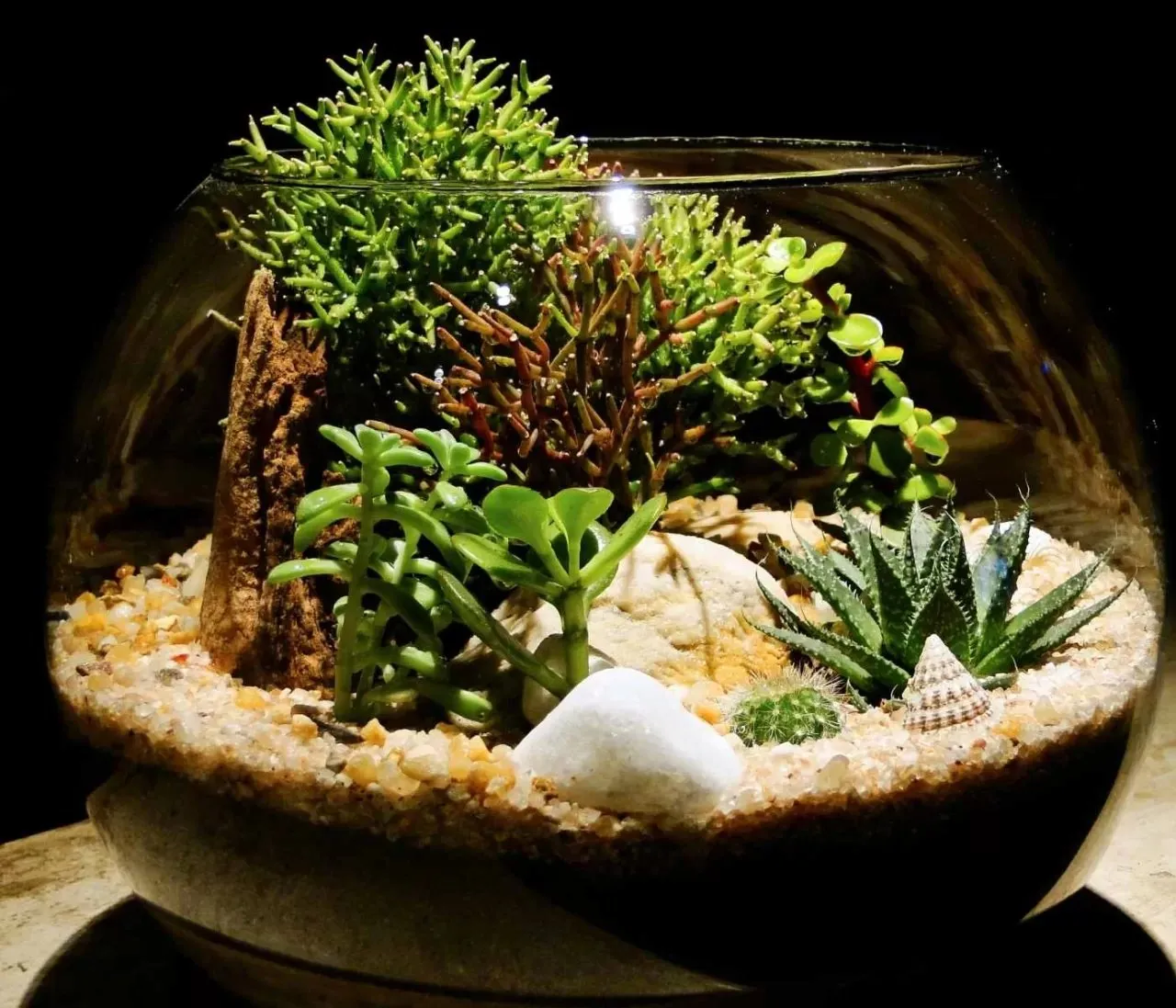
Choosing the Best Tarantula Enclosure
Choosing the best tarantula enclosure is crucial for your pet spider’s health, happiness, and longevity. A well-designed enclosure provides a safe and stimulating environment, allowing your tarantula to thrive. It also makes it easier for you to observe and care for your eight-legged friend. This guide will explore the key factors to consider when selecting an enclosure, as well as provide recommendations for the top choices available. The right enclosure not only houses your tarantula but also replicates its natural habitat as closely as possible, contributing significantly to its overall well-being. Understanding these needs will help you create the perfect home for your tarantula, ensuring it lives a long and fulfilling life.
Understanding Tarantula Enclosure Needs
Before diving into specific enclosure options, it’s essential to understand the fundamental needs of a tarantula. These needs primarily revolve around providing a secure space that mimics their natural environment, allowing them to thrive. This involves carefully considering aspects such as size, ventilation, substrate, and the overall environment. Every aspect of the enclosure plays a vital role in the tarantula’s well-being, from the type of material to the accessories you include. Properly addressing these needs is paramount to ensure your tarantula’s comfort, health, and longevity.
Size Matters for Tarantulas

The size of the enclosure is one of the most critical factors to consider. It should be large enough to allow your tarantula to move around comfortably, molt successfully, and exhibit natural behaviors. As a general rule, the enclosure should be at least twice the tarantula’s leg span in length and width, and the height should be sufficient to accommodate the tarantula’s size and any burrowing or climbing behavior. An enclosure that is too small can lead to stress and prevent your tarantula from behaving naturally, while an enclosure that is too large can make it difficult for the tarantula to find food and feel secure. Always account for the size of your tarantula when selecting the ideal enclosure.
Ventilation Requirements
Proper ventilation is crucial for maintaining a healthy environment and preventing the growth of mold and bacteria within the enclosure. Adequate airflow helps regulate humidity levels, preventing them from becoming too high, which can lead to respiratory problems for your tarantula. Enclosures should have ventilation holes or mesh tops to allow for air circulation. The placement of these vents is also important; cross-ventilation, where air enters from one side and exits from another, is ideal. Ensure the ventilation is secure enough to prevent escapes while still allowing for sufficient airflow. Regularly inspect the ventilation system to ensure it remains clear and unobstructed.
Substrate Selection for Tarantulas
The substrate, or bedding, is the bottom layer of the enclosure and serves multiple purposes, including absorbing waste, maintaining humidity, and providing a surface for burrowing or anchoring. The best substrate options for tarantulas include a mixture of coconut fiber, peat moss, and sphagnum moss. These materials retain moisture well, are safe for tarantulas, and allow for burrowing. Avoid using substrates like sand or gravel, which can be harmful if ingested. The depth of the substrate will depend on the species of tarantula, with burrowing species requiring a deeper layer. Regularly check and replace the substrate to maintain a clean and healthy environment for your tarantula.
Top 5 Tarantula Enclosure Choices
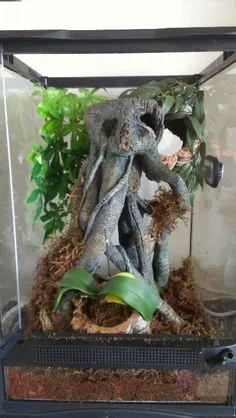
With the basics covered, let’s explore the top five tarantula enclosure choices, each with its own set of pros and cons. Selecting the right enclosure often depends on your preferences, the species of tarantula you own, and your budget. The following options represent some of the most popular and practical choices available. Weighing the advantages and disadvantages of each type will help you make an informed decision and provide the best possible habitat for your pet.
Enclosure Choice 1 Glass Terrariums
Glass terrariums are a classic choice for tarantula housing, offering clear visibility and durability. These enclosures come in various sizes and shapes, making it easy to find one that suits your tarantula’s needs. They are readily available in most pet stores and online. The clear glass allows for excellent viewing of your tarantula, and they are relatively easy to clean. However, there are some drawbacks to consider as well. Their suitability depends on a few crucial factors, particularly the type of tarantula and its specific requirements.
Pros of Glass Terrariums
- Excellent visibility, allowing for easy observation of your tarantula.
- Durable and long-lasting when properly maintained.
- Readily available in various sizes and styles.
- Easy to clean and sanitize.
Cons of Glass Terrariums

- Can be heavy and cumbersome to move.
- May not retain humidity as well as other materials.
- Can be more expensive than some alternatives.
- Glass can break if mishandled.
Enclosure Choice 2 Acrylic Enclosures
Acrylic enclosures are a popular alternative to glass, offering similar visibility with some added benefits. Acrylic is lighter than glass, making it easier to handle and transport. It also provides better insulation, which can help maintain stable temperatures and humidity levels. These enclosures are often specifically designed for reptiles and invertebrates, incorporating features like secure lids and ventilation. Acrylic enclosures come in a range of designs, suitable for various tarantula species and care preferences.
Pros of Acrylic Enclosures
- Lighter and easier to handle than glass.
- Better insulation, helping to maintain temperature and humidity.
- More resistant to shattering than glass.
- Excellent visibility.
Cons of Acrylic Enclosures

- Can scratch more easily than glass.
- May be more expensive than glass terrariums.
- Some acrylic enclosures may have limited ventilation.
- Can warp if exposed to extreme heat.
Enclosure Choice 3 Plastic Containers
Plastic containers, such as storage bins, are an affordable and practical option for housing tarantulas, particularly for beginners or those on a budget. These containers are widely available, customizable, and easy to modify with ventilation holes and secure lids. While they may not offer the same aesthetic appeal as glass or acrylic enclosures, they are highly functional and can provide a suitable environment for your tarantula. Their versatility makes them a great choice for various tarantula species, offering ample room for customization.
Pros of Plastic Containers
- Very affordable and budget-friendly.
- Lightweight and easy to handle.
- Easy to modify with ventilation and accessories.
- Widely available in various sizes.
Cons of Plastic Containers

- Less aesthetically pleasing than glass or acrylic.
- May not offer as clear visibility.
- Can be less durable than other options.
- May be prone to warping with extreme heat.
Enclosure Choice 4 DIY Enclosures
Creating a DIY enclosure allows you to customize the habitat to your exact specifications. This can be a rewarding project for experienced keepers who want to tailor the enclosure to the specific needs of their tarantula. DIY enclosures can be built using various materials, including wood, acrylic, or even repurposed items. This option allows you to incorporate unique features and designs. However, it requires some skill and planning to ensure the enclosure is safe, secure, and suitable for your tarantula. It also provides the ability to create a visually appealing setup that fits your home’s decor.
Pros of DIY Enclosures
- Highly customizable to meet specific needs.
- Can be more cost-effective than purchasing pre-made enclosures.
- Allows for unique designs and features.
- Provides a rewarding and engaging project.
Cons of DIY Enclosures

- Requires skill and planning.
- Can be time-consuming to build.
- Must ensure the enclosure is safe and escape-proof.
- May require specialized tools and materials.
Enclosure Choice 5 Specialized Tarantula Habitats
Specialized tarantula habitats are designed with the specific needs of tarantulas in mind. These enclosures often include features like pre-drilled ventilation holes, secure locking mechanisms, and specialized substrate layers. They come in various designs, ranging from simple, functional setups to more elaborate, aesthetically pleasing options. These enclosures are ideal for keepers who want a ready-made solution. They offer convenience and often incorporate design elements that prioritize the tarantula’s well-being. These habitats are frequently made of durable materials and are available in a range of sizes to suit different species.
Pros of Specialized Habitats
- Designed specifically for tarantulas.
- Often include features like secure lids and ventilation.
- Convenient and ready to use.
- Available in various sizes and designs.
Cons of Specialized Habitats

- Can be more expensive than other options.
- May have limited customization options.
- May not always perfectly suit every species.
- Availability may be limited to certain brands or retailers.
Essential Enclosure Accessories
Besides the enclosure itself, several accessories are essential for creating a comfortable and enriching environment for your tarantula. These accessories enhance the habitat and contribute to the tarantula’s overall well-being. Carefully selecting and arranging these items will provide the tarantula with everything it needs to thrive. Consider the tarantula’s specific species and its natural behaviors when choosing and placing these items to mimic its natural habitat.
Water Dishes for Tarantulas
A water dish is a critical component of any tarantula enclosure, providing a source of fresh water for drinking and maintaining humidity. The dish should be shallow enough to prevent the tarantula from drowning but deep enough to provide a sufficient water supply. Choose a dish made of non-toxic material and place it in a stable location within the enclosure. Regularly clean and refill the water dish to ensure it remains fresh and free of contaminants. Using a water dish specifically designed for reptiles and invertebrates will usually be the best option.
Hides and Decorations
Tarantulas are naturally secretive creatures and require hiding places to feel secure. Providing hides, such as cork bark, artificial caves, or even overturned flower pots, is essential. These hiding spots allow your tarantula to retreat when stressed, molt in privacy, and feel safe within its enclosure. In addition to hides, you can add decorations like artificial plants or branches to enhance the aesthetic appeal and provide climbing opportunities. Make sure any decorations are safe and do not pose a risk of injury to your tarantula. Arrange the decor in a way that mimics the tarantula’s natural environment, if possible.
Temperature and Humidity Control
Maintaining the correct temperature and humidity levels is vital for your tarantula’s health and well-being. Most tarantulas thrive in temperatures between 70 and 80 degrees Fahrenheit (21-27 degrees Celsius). You can use a thermometer to monitor the temperature within the enclosure. Humidity levels vary depending on the species, so research the specific requirements of your tarantula. You can increase humidity by misting the enclosure with water or by using a substrate that retains moisture. Regularly monitor and adjust the temperature and humidity to ensure your tarantula’s environment is optimal.
Maintaining Your Tarantula Enclosure
Regular maintenance is essential to keep your tarantula’s enclosure clean, safe, and healthy. This involves a consistent cleaning schedule and monitoring of environmental conditions. By following a routine, you can provide a consistently good environment for your pet. Proper maintenance also helps prevent the buildup of harmful bacteria and mold, creating a safe and comfortable habitat. These practices help contribute to the well-being and longevity of your tarantula, ensuring it lives a happy life in a well-maintained enclosure.
Cleaning and Maintenance Schedule
Establish a regular cleaning schedule to keep the enclosure tidy and prevent the buildup of waste and debris. Spot-clean the enclosure at least once a week, removing any uneaten food, molted exoskeletons, and fecal matter. Replace the substrate as needed, typically every few months, or more frequently if it becomes soiled or starts to smell. The frequency of substrate replacement depends on the type of substrate, the size of the enclosure, and the species of tarantula. Routinely wipe down the inside of the enclosure to remove any dust or condensation. Keeping to a set schedule makes the task less daunting and helps ensure a consistently clean environment.
Monitoring Environmental Conditions
Regularly monitor the temperature and humidity levels within the enclosure. Use a thermometer and hygrometer to track these parameters and make adjustments as needed. Ensure the temperature and humidity remain within the appropriate range for your tarantula’s species. Also, check the ventilation to ensure proper airflow and prevent excessive humidity buildup. Any sudden changes in these conditions could indicate a problem, so monitoring these factors regularly allows you to detect and address any issues early on. This proactive approach will help maintain a healthy environment for your tarantula.
Conclusion
Choosing the best tarantula enclosure is a crucial decision that directly impacts your pet’s health and well-being. This guide has outlined the key factors to consider, from enclosure size and ventilation to substrate selection and essential accessories. The top five enclosure choices – glass terrariums, acrylic enclosures, plastic containers, DIY enclosures, and specialized habitats – each offer their own set of benefits and drawbacks, so consider your personal needs and the specific requirements of your tarantula. Remember to prioritize your tarantula’s needs by providing a secure, comfortable, and enriching environment. With the right enclosure and consistent care, you can provide your tarantula with a happy and healthy home, allowing you both to enjoy the unique experience of tarantula ownership.