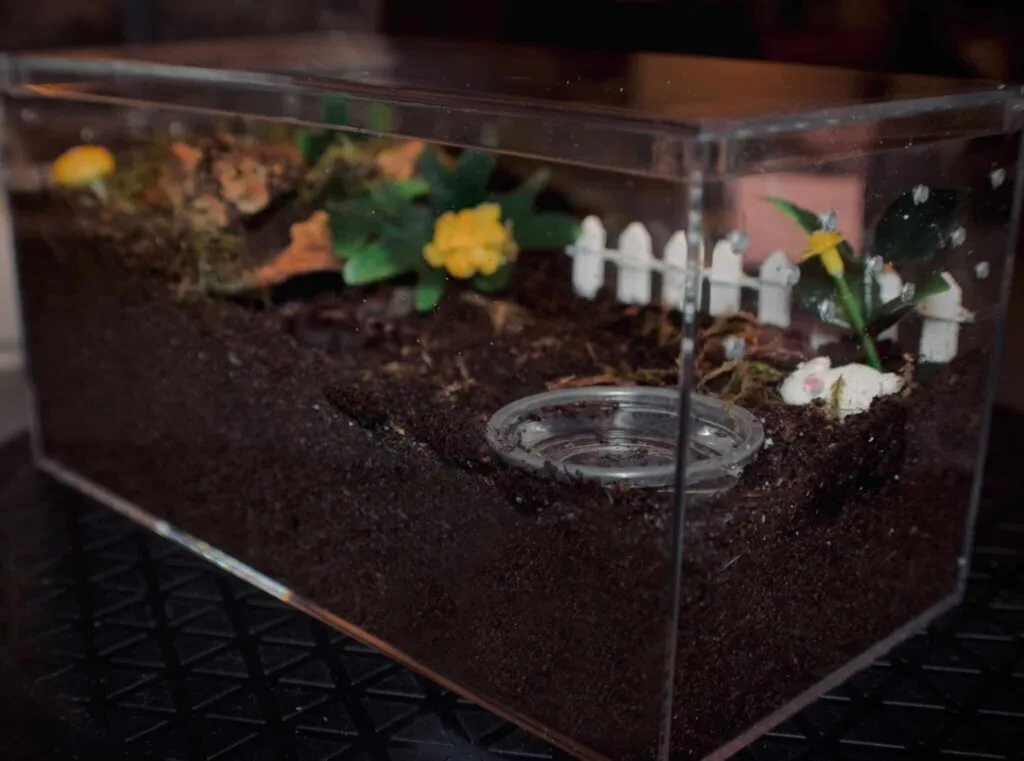
Choosing the Best Tarantula Enclosure
Selecting the best tarantula enclosure is paramount to the health and well-being of your eight-legged companion. The enclosure serves as the tarantula’s home, providing shelter, regulating the environment, and allowing you to observe your pet. There isn’t a one-size-fits-all answer, as the ideal enclosure depends on several factors, including the tarantula species, its size, and its specific needs. This guide will explore the essential elements of a tarantula enclosure, offering insights to help you make informed decisions and create a thriving habitat for your tarantula. Remember to always prioritize the tarantula’s safety and comfort.
Size Matters Choosing the Right Enclosure
Choosing the right size enclosure is crucial for your tarantula’s well-being. An enclosure that is too small can restrict movement and hinder growth, while one that is excessively large can make it difficult for the tarantula to find its prey and feel secure. The general rule is to provide an enclosure that is approximately 2-3 times the tarantula’s leg span in width. Height is also a factor, especially for arboreal species, which need space to climb and establish their web structures. Always consider the adult size of the tarantula species when selecting an enclosure for a juvenile, allowing for future growth.
Enclosure Size for Spider Size

Determining the appropriate size is the first step. For smaller tarantulas, a deli cup or small plastic container may suffice, while larger specimens will need significantly larger enclosures. As a tarantula grows, it will require upgrades. Monitor your tarantula’s size and adjust accordingly. A good practice is to measure your tarantula’s leg span and then select an enclosure with a width at least double that measurement. This approach prevents the enclosure from being excessively large and potentially stressful for the spider.
Considerations for Terrestrial Tarantulas
Terrestrial tarantulas, which spend most of their time on the ground, need more floor space than height. They benefit from a substrate that allows them to burrow. The enclosure’s width and depth are the most important factors. Ensure that the enclosure is wide enough for the tarantula to move around comfortably and long enough to house a hide. Appropriate ventilation is essential to prevent the build-up of stale air and excess moisture. The height should be sufficient to allow for a layer of substrate that enables burrowing.
Considerations for Arboreal Tarantulas
Arboreal tarantulas, conversely, require more vertical space. Their enclosures should be taller than they are wide. They require sturdy branches or other climbing structures to create their habitat. Arboreal species often establish webs in the upper reaches of their enclosures. The enclosure’s height should accommodate this, allowing the tarantula to move freely and create its web structures. The width should provide enough floor space for them to hunt and move about.
Glass Enclosures for Tarantulas

Glass enclosures are a popular choice for tarantulas due to their aesthetic appeal and ease of viewing. They offer excellent visibility, allowing you to observe your tarantula’s behavior without obstruction. Their sturdy construction provides a secure environment, and they’re relatively easy to clean and maintain. However, glass enclosures have both advantages and disadvantages. They can be a good choice if the other considerations are taken into account.
Pros of Glass Enclosures
Glass enclosures are visually appealing and offer a clear view of your tarantula. They are easy to clean and disinfect. Glass is also a non-porous material that helps prevent the build-up of bacteria and other harmful organisms. The smooth surface of glass makes it difficult for tarantulas to climb, which can reduce the risk of escape. They are widely available in a variety of sizes, making it easy to find one to fit your specific needs.
Cons of Glass Enclosures
Glass enclosures can be heavy and fragile. They may retain heat, which may need to be managed to maintain a comfortable temperature for the tarantula. Glass can be more expensive than other enclosure options, such as acrylic. The smooth surfaces may not provide sufficient grip for certain tarantulas, particularly arboreal species, requiring additional decor to facilitate climbing.
Acrylic Enclosures for Tarantulas

Acrylic enclosures present an alternative to glass, offering several advantages. They are typically lighter, making them easier to handle and move. Acrylic also provides excellent clarity, similar to glass, enabling unobstructed viewing of your tarantula. Furthermore, acrylic enclosures are often more durable and less prone to breakage than glass. However, they also come with their own considerations.
Pros of Acrylic Enclosures
Acrylic enclosures are lightweight and durable, making them a practical choice. They offer excellent clarity, similar to glass, providing a clear view of the tarantula. Acrylic is often more affordable than glass. It offers better insulation properties, which can help maintain a stable temperature and humidity level within the enclosure. They are often easier to modify for ventilation and other features.
Cons of Acrylic Enclosures
Acrylic enclosures can scratch easily, which can affect their appearance over time. Some types of acrylic may warp or discolor with prolonged exposure to UV light. They can be more prone to static build-up, which can attract dust and other particles. Although more durable than glass, acrylic enclosures may still crack or break under significant impact.
DIY Tarantula Enclosures

Building your own tarantula enclosure can be a rewarding project, allowing you to customize the habitat to perfectly suit your spider’s needs and your personal preferences. This approach gives you complete control over the size, features, and materials used, making it a great option for those seeking a unique or specialized setup. However, it requires some basic carpentry skills and a willingness to learn. Safety for the tarantula and the builder should always be the priority.
Materials and Tools
For a DIY enclosure, you’ll need materials like wood or acrylic sheets for the enclosure walls. You will need a secure lid and ventilation, and other decorative elements. Essential tools include a saw, drill, measuring tape, and adhesive suitable for the materials. Ensure all materials are non-toxic and safe for your tarantula. Always prioritize safety when working with tools.
Building Steps
Start by designing your enclosure, considering the size and species of your tarantula. Cut the materials to size, ensuring precise measurements for a tight fit. Assemble the walls and base, using appropriate adhesive. Install ventilation, usually in the form of drilled holes or mesh panels. Add the lid, ensuring it’s secure to prevent escape. Finally, add substrate and decorations.
Ventilation and Humidity

Proper ventilation and humidity are crucial aspects of tarantula care, impacting their health, molting process, and overall well-being. Poor ventilation can lead to the buildup of stale air, ammonia, and mold growth, causing respiratory problems and other health issues. Humidity levels need to be maintained depending on the species. Monitoring and maintaining the correct levels ensures a comfortable and healthy environment for your tarantula.
Importance of Ventilation
Ventilation ensures a constant supply of fresh air while removing stale air. It helps prevent the growth of mold and bacteria, as well as the build-up of ammonia from waste. It also regulates humidity levels by preventing excessive moisture. Good ventilation is particularly important in enclosed spaces, where conditions can deteriorate rapidly. Proper ventilation also assists in maintaining the correct temperature within the enclosure, and aids the molting process.
Types of Ventilation Systems
There are several ways to achieve adequate ventilation, including drilled holes, mesh vents, or a combination of both. Strategically placed holes near the top of the enclosure and the sides create a natural airflow. Mesh vents allow for better airflow while preventing escapes, but they need to be fine enough to keep out pests. The best approach often involves a combination of these methods, ensuring fresh air circulation without compromising security or humidity levels.
Maintaining Humidity Levels

Humidity is essential for tarantulas, and the ideal level varies based on species. Tropical species need higher humidity, while arid species require drier conditions. You can maintain humidity by misting the enclosure with water, providing a water dish, and using a substrate that retains moisture. Monitoring humidity levels with a hygrometer is essential. Adjust your methods based on the readings and the specific needs of your tarantula.
Substrate Selection
The substrate, or bedding, is the foundation of your tarantula’s habitat. It provides a surface for the tarantula to walk on, a medium for burrowing, and helps maintain humidity. The ideal substrate should be safe, absorbent, and suitable for the tarantula’s species. It should also be free of harmful chemicals or toxins. The choice of substrate can significantly impact the tarantula’s overall well-being. It’s an essential element that cannot be overlooked.
Best Substrate Options
Popular substrate options include coconut fiber, peat moss, and a mix of these. Coconut fiber, also known as coco coir, is an excellent choice because it retains moisture well, is readily available, and is relatively inexpensive. Peat moss also holds moisture and is widely available, but it may be more acidic. Some keepers use a combination of these to provide the best of both worlds. You can also find commercially available substrate mixes specifically formulated for tarantulas.
Benefits of Each Substrate Type

Coconut fiber offers excellent moisture retention and is resistant to mold and mildew. It provides a natural environment for tarantulas, allowing them to burrow and construct their habitat. Peat moss is a good option for humidity and can also be mixed with other substrates to create a customized blend. However, it can be more acidic, so regular monitoring is necessary. A mix allows you to tailor the substrate to your specific species’ needs.
Substrate Depth and Maintenance
The depth of the substrate should be sufficient to allow your tarantula to burrow if it is a burrowing species. Generally, 4-6 inches is adequate, but this may vary depending on the tarantula’s size and burrowing habits. Regular maintenance involves spot cleaning to remove waste and uneaten food. Complete substrate changes should be performed periodically, usually every 6-12 months, or more frequently if the substrate becomes excessively soiled or moldy.
Decorating Your Tarantula Enclosure
Decorating a tarantula enclosure enhances the aesthetic appeal and provides essential environmental enrichment for your spider. Decorations serve multiple purposes, including creating hiding places, offering climbing surfaces, and mimicking the tarantula’s natural habitat. The right decorations can significantly improve the quality of life for your tarantula. Choosing safe and species-appropriate items is vital.
Essential Decorations
Essential decorations include a hide, such as a cork bark, half log, or artificial cave, providing a secure retreat where the tarantula can feel safe. Climbing structures, such as branches or artificial plants, are crucial for arboreal species. A water dish is vital for providing fresh water. These basic elements create a functional and stimulating environment for your tarantula.
Safe and Toxic Decorations
When selecting decorations, prioritize safety. Avoid items with sharp edges that could injure the tarantula. Make sure the decorations are made from non-toxic materials. Natural wood or cork bark is generally safe, but be cautious with artificial plants. Ensure that any glue or adhesive used is non-toxic and dries completely before placing it in the enclosure. Research all materials thoroughly before introducing them to your tarantula’s habitat.
Creating a Natural Habitat
Aim to create an environment that mirrors the tarantula’s natural habitat. This will reduce stress and encourage natural behaviors. The substrate, hides, and plants should be chosen to resemble the environment from which the tarantula originates. Observe the tarantula’s behavior to understand its preferences and adjust the decorations accordingly. A well-designed enclosure enhances the tarantula’s well-being and allows you to appreciate the beauty of these fascinating creatures.
Enclosure Security
Ensuring the security of your tarantula enclosure is crucial, not only for the safety of your pet but also for the safety of your home and any people or pets that might be around. Tarantulas are masters of escape, and even a small gap can be an invitation to wander. A secure enclosure prevents accidental escapes and minimizes potential risks. Regular checks and maintenance are essential to maintaining a secure environment.
Securing the Lid
The lid of the enclosure is a primary point of potential escape. Ensure that it fits securely and cannot be easily pushed or lifted. For glass enclosures, consider using clips or locks to secure the lid. For screen lids, use a sturdy frame and ensure the screen is tightly secured to the frame. Regular checks are necessary. Also check hinges, clasps, or any locking mechanisms to make sure they are always functioning properly.
Preventing Escape
Beyond the lid, pay attention to any potential escape routes. Seal any gaps or openings in the enclosure, especially where wires or tubing enter. Inspect the enclosure regularly for any signs of wear or damage. Avoid overcrowding the enclosure, as too many decorations can create potential escape routes. Keep the enclosure in a secure location, away from areas where accidental access could occur. Consider the habits of your tarantula to mitigate any escape possibilities.
Regular Checks and Maintenance
Perform regular checks of the enclosure to maintain security. Inspect the lid and all fasteners weekly to ensure everything is secure. Check for any damage or wear and replace damaged items. Pay attention to any changes in the tarantula’s behavior, as this can sometimes indicate a problem with the enclosure. Regular maintenance, combined with vigilance, ensures a safe and secure home for your tarantula, providing you with peace of mind.