Why Choosing the Right Tarantula Enclosure Matters
Choosing the right tarantula enclosure is paramount to the well-being and longevity of your eight-legged friend. A properly designed habitat replicates the tarantula’s natural environment, providing security, facilitating essential behaviors like burrowing or climbing, and regulating crucial environmental factors. The enclosure acts as the tarantula’s home, influencing its health, activity levels, and overall happiness. A poorly chosen enclosure can lead to stress, health problems, and even premature death. Therefore, careful consideration of various factors, including size, ventilation, substrate, and the specific needs of your tarantula species, is essential for creating a thriving and comfortable environment.
Tarantula Enclosure Size Considerations
The size of the enclosure is a critical aspect. A habitat that is too small can restrict movement, while one that is excessively large can make it difficult for the tarantula to find food and feel secure. The general rule is that the enclosure should be at least twice the tarantula’s leg span in width and length. Height is also important, especially for arboreal species, which need ample vertical space to climb and create webs. As the tarantula grows, the enclosure will need to be upgraded. Regularly monitor your tarantula’s size and behavior to determine when an upgrade is necessary. Overcrowding can lead to stress and aggression, so ensure there’s adequate space for your tarantula to thrive.
The Importance of Substrate

Substrate serves multiple purposes, including providing a comfortable surface for the tarantula to walk on, aiding in moisture regulation, and allowing for burrowing behavior in terrestrial species. The type of substrate you choose will depend on the species of tarantula. For example, a mix of coconut fiber, peat moss, and vermiculite works well for many terrestrial species, providing moisture retention and burrowing capability. Arboreal species may benefit from a slightly drier substrate, such as a mix of coco fiber and sphagnum moss. Avoid substrates that are too dusty or that can harbor mites. Regularly monitor the substrate for cleanliness and moisture levels to maintain a healthy environment.
Ventilation is Key for Tarantula Enclosures
Proper ventilation is crucial to prevent the buildup of harmful bacteria, mold, and excess humidity, which can cause respiratory problems and other health issues. Enclosures should have ventilation holes or mesh screens on the sides, top, or both. The amount of ventilation needed will vary depending on the species and the local climate. Avoid enclosures with poor airflow, such as those with only a few small holes. Adequate ventilation promotes air circulation, helping to regulate humidity and prevent the growth of harmful microorganisms. Regularly check the ventilation to ensure it is not blocked by substrate or decorations.
10 Must-Have Features for Tarantula Enclosures
Secure Lid
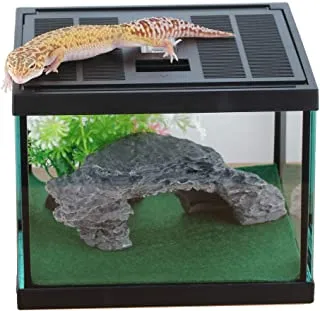
A secure lid is non-negotiable. Tarantulas are escape artists. Make sure the lid fits snugly and has a locking mechanism to prevent escapes. Consider the material of the lid; glass or acrylic lids can allow for better viewing, while mesh lids provide excellent ventilation. Regular checks of the lid’s security will ensure your pet remains safely within its habitat. The lid is essential for keeping predators, children, and other pets away from the tarantula, providing a safe and secure environment.
Appropriate Size
As mentioned previously, size matters. Choose an enclosure that is proportional to your tarantula’s size, allowing ample space for movement and exploration. The enclosure should be large enough to accommodate the tarantula’s full adult size and any necessary decorations, such as hides and water dishes. Remember that too much space can stress a tarantula, making it feel exposed. Select an enclosure that offers a comfortable and secure living space.
Adequate Ventilation
Good ventilation is a must. Proper airflow prevents the build-up of moisture and stale air, reducing the risk of mold growth and respiratory infections. Look for enclosures with ventilation holes strategically placed to promote air circulation. These openings should be appropriately sized to prevent the tarantula from escaping while allowing for adequate airflow. Consider the location of the ventilation holes, as they can affect the enclosure’s temperature and humidity levels.
Substrate Depth
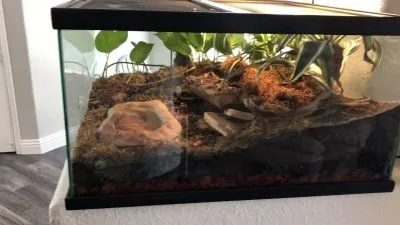
The depth of the substrate is critical, especially for burrowing species. A sufficient depth allows them to dig and create tunnels, providing a secure and enriching environment. The substrate also helps regulate humidity. The depth of the substrate required will vary depending on the species. For example, burrowing species may need several inches of substrate, while arboreal species might require less. Consider the specific needs of your tarantula when determining the appropriate substrate depth, which should also enable moisture control for proper hydration.
Water Dish
A shallow water dish is essential for providing a constant source of fresh water. The dish should be easily accessible and sized appropriately to prevent the tarantula from drowning. Ensure the water dish is cleaned regularly to prevent the growth of bacteria and algae. Consider using a small, stable dish that is easy to fill and won’t tip over easily. Using a sponge in the dish can further prevent drowning and assist with humidity.
Hides and Decorations
Provide hides, such as cork bark, half logs, or artificial hides, to give the tarantula a secure place to retreat and feel safe. Decorations can enrich the environment, simulating the natural habitat. However, avoid overly cluttered enclosures, as they can make cleaning difficult. Choose decorations that are safe, non-toxic, and easy to clean. The inclusion of hides and decorations not only enhances the aesthetic appeal of the enclosure but also provides essential enrichment for the tarantula’s well-being.
Thermometer and Hygrometer

Monitoring the temperature and humidity levels inside the enclosure is crucial for maintaining a healthy environment. A thermometer and hygrometer will provide accurate readings, allowing you to make necessary adjustments. Place the thermometer and hygrometer in an easily visible location within the enclosure. Regularly check the readings to ensure the environment is suitable for your tarantula. Temperature and humidity are fundamental for a tarantula’s health and molting.
Heating Options
Depending on the species and your local climate, you may need to provide supplemental heating. Heat pads, placed on the side or back of the enclosure (never underneath), are a common choice. Be sure to regulate the temperature carefully and avoid overheating the enclosure. Always monitor the temperature with a thermometer. The optimal temperature range will depend on the tarantula species, so research their specific requirements to ensure the right environment.
Ease of Cleaning
Choose an enclosure that is easy to clean and maintain. This includes having a design that facilitates easy access to the inside for spot cleaning and substrate changes. The enclosure should also be made of materials that are easy to wipe down and disinfect. Regular cleaning is essential for maintaining a healthy environment and preventing the buildup of waste and bacteria. A well-designed enclosure will make cleaning a simple and less time-consuming task.
Accessibility for Maintenance

The enclosure should be designed in such a way that allows you to easily access the inside for feeding, watering, cleaning, and other maintenance tasks. This may include features like a removable lid or front-opening doors. Consider the overall design and functionality of the enclosure to ensure ease of use. A user-friendly design will make caring for your tarantula a more enjoyable experience, making it simple to tend to your pet’s requirements.
Choosing the Right Enclosure Material
Glass Enclosures
Glass enclosures are a popular choice due to their durability and aesthetic appeal. They offer excellent visibility, allowing you to observe your tarantula easily. Glass enclosures are also relatively easy to clean and disinfect. However, glass can be heavy and fragile, requiring careful handling. Make sure the glass enclosure has adequate ventilation and a secure lid to provide a safe and stable environment for your tarantula.
Acrylic Enclosures

Acrylic enclosures are a lightweight alternative to glass, making them easier to handle and transport. Acrylic is also highly transparent, providing excellent visibility. It is more impact-resistant than glass, making it a good choice for households with children or pets. However, acrylic can scratch easily, so be careful when cleaning. Ensure the acrylic enclosure has proper ventilation and a secure lid.
Plastic Enclosures
Plastic enclosures offer a cost-effective option and are generally lightweight. They come in various sizes and styles, making them suitable for many different species. However, plastic enclosures may not be as durable or scratch-resistant as glass or acrylic. They can also be less aesthetically pleasing. Ensure the plastic enclosure has adequate ventilation, a secure lid, and is made of a non-toxic material safe for your pet tarantula.
Best Tarantula Enclosures for Different Species
Arboreal Tarantulas
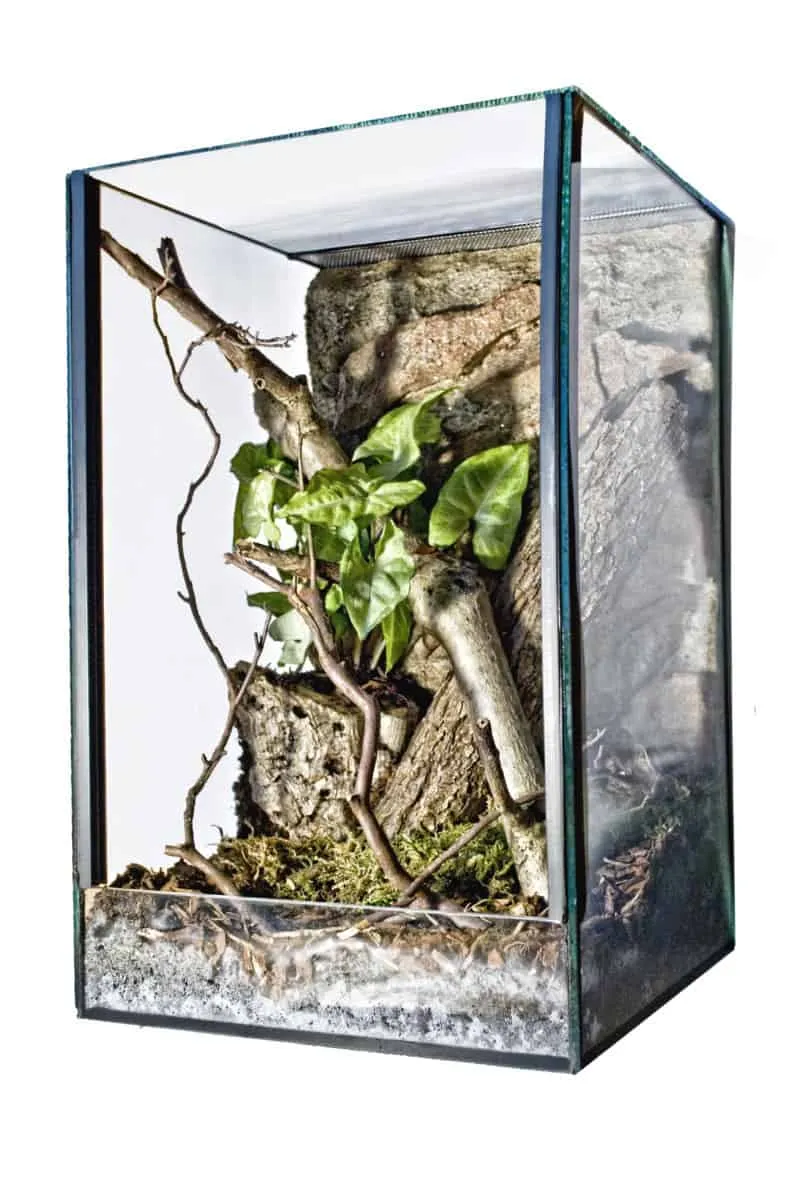
Arboreal tarantulas, which live in trees, require taller enclosures to accommodate their climbing behavior. A vertical enclosure with ample height and some climbing structures, such as cork bark or branches, is ideal. Adequate ventilation is particularly important for arboreal species, as they tend to live in more humid environments. The enclosure should also include a secure lid and a substrate that is appropriate for the species.
Terrestrial Tarantulas
Terrestrial tarantulas, which live on the ground, need enclosures that are wider than they are tall. A terrestrial enclosure should include a substrate that allows them to burrow, a water dish, and a hide. Ensure the enclosure is of appropriate size for the tarantula’s species and life stage. The terrestrial enclosure should prioritize ample space for movement and burrowing capabilities to facilitate the tarantula’s natural behaviors.
Burrowing Tarantulas
Burrowing tarantulas require deep substrate to create extensive burrow systems. The enclosure should be filled with several inches of substrate, such as a mix of coconut fiber and peat moss. Consider the species-specific needs and adjust the substrate depth accordingly. A secure lid is critical for preventing escapes. Ensure the enclosure provides a suitable environment for the tarantula to thrive within its burrowing environment.
Maintaining Your Tarantula Enclosure
Cleaning Your Enclosure
Regular cleaning is essential for maintaining a healthy environment. Spot-clean the enclosure daily to remove any uneaten food, fecal matter, or dead insects. Replace the substrate regularly, typically every few months, or more frequently if necessary. Clean the water dish and any decorations during each spot clean. Disinfect the enclosure thoroughly with a reptile-safe disinfectant during substrate changes. Cleanliness is a crucial part of ensuring your pet’s health.
Providing Fresh Water
Provide fresh water at all times. Refill the water dish daily, and clean the dish regularly to prevent the growth of bacteria and algae. For species that are sensitive to humidity, consider using a shallow water dish or a water source that is less prone to spills. Clean water is critical for hydration, and it’s an essential element for maintaining a healthy environment.
Feeding Your Tarantula
Feeding your tarantula appropriately contributes to a healthy enclosure. Remove any uneaten prey within 24 hours to prevent the buildup of waste. Consider the size and age of your tarantula and adjust the feeding schedule accordingly. Overfeeding can lead to a buildup of waste and a less healthy enclosure, so pay close attention to your pet’s eating habits. A well-fed tarantula in a well-maintained enclosure is a happy and healthy tarantula.
Conclusion
Choosing the best tarantula enclosure is an investment in your pet’s well-being. By considering size, ventilation, substrate, and other essential features, you can create a safe and comfortable habitat that allows your tarantula to thrive. Remember to research the specific needs of your tarantula species and tailor the enclosure accordingly. Regular maintenance, including cleaning, providing fresh water, and proper feeding, will further contribute to your tarantula’s health and longevity. Enjoy the fascinating world of tarantulas and the unique pleasure of caring for these remarkable creatures.