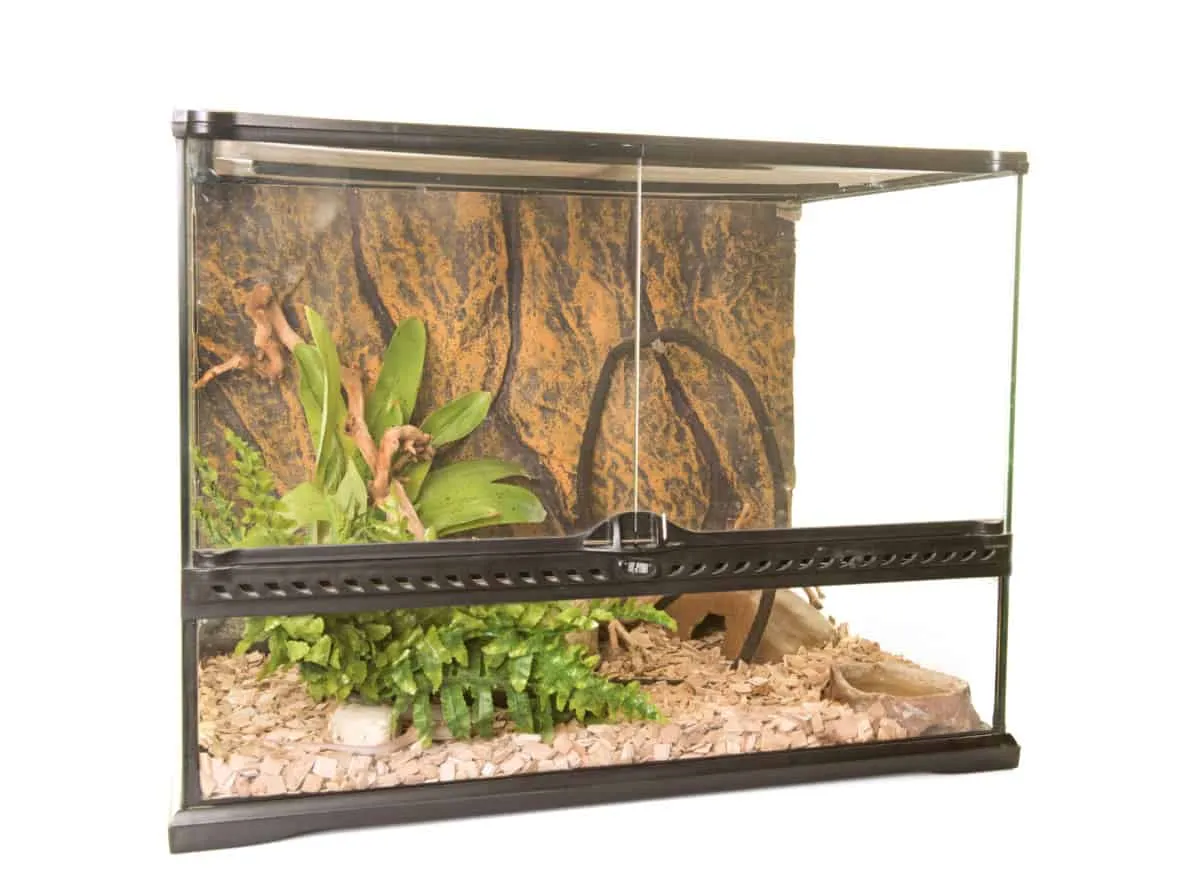
What Makes the Best Tarantula Enclosure in Kenya
Choosing the right tarantula enclosure is crucial for the health and happiness of your eight-legged friend. In Kenya’s diverse climate, the perfect enclosure provides not only a secure habitat but also regulates temperature and humidity, mimicking the tarantula’s natural environment. This guide delves into the essential aspects of selecting the best tarantula enclosure in Kenya, covering size, materials, ventilation, substrate, decor, and maintenance. By following these guidelines, you can ensure your tarantula thrives in a comfortable and enriching habitat.
Size Matters Choosing the Right Dimensions
The size of your tarantula enclosure directly impacts your pet’s well-being. A cramped space can stress your tarantula, hindering its ability to move, hunt, and molt successfully. Conversely, a too-large enclosure can make it difficult for the tarantula to find its food and can potentially lead to stress. Consider the tarantula’s adult size and its lifestyle (terrestrial, arboreal, or fossorial) when choosing the dimensions. Wider enclosures are generally preferable for terrestrial species, while arboreal tarantulas require height for climbing. This is also a good time to think of the substrate depth you want.
Understanding Tarantula Species Needs

Different tarantula species have varied needs. For example, fast-growing species will need larger enclosures sooner than slower-growing ones. Arboreal tarantulas, like the Pinktoe, will appreciate height for climbing and webbing, while terrestrial species, such as the Brazilian Black, require more floor space. Fossorial tarantulas, which burrow, need deep substrate. Research your specific tarantula species to understand its requirements and select an enclosure that meets its needs, this also includes temperature and humidity needs.
Enclosure Size by Tarantula Type
Generally, a good starting point for juvenile terrestrial tarantulas is an enclosure about 3-4 times the spider’s leg span in width and length. For arboreal species, the height should be greater than the width. As your tarantula grows, you’ll need to upgrade to larger enclosures. For adult tarantulas, a 10-gallon tank is often sufficient for terrestrial species, while larger enclosures may be needed for arboreal species. It’s always better to err on the side of providing more space. Don’t overcrowd the enclosure, and be sure to provide ample space for your tarantula to move freely. This will help reduce stress, and will contribute to your tarantula’s overall health and happiness.
Material Matters Best Enclosure Materials
The material of your tarantula enclosure affects its durability, visibility, and ability to maintain the ideal environment. In Kenya, factors such as the availability and cost of materials also come into play. The most common enclosure materials include glass, acrylic, and mesh. Each has its advantages and disadvantages, which you will need to consider. It is also important to make sure you choose a material that can contain the humidity levels suitable for your specific species. Remember that you will need to clean your enclosure, so choosing a material that is easy to clean is a must.
Glass Enclosures

Glass enclosures offer excellent visibility, allowing you to observe your tarantula without obstruction. They are also easy to clean and maintain, and are readily available in Kenya. However, glass can be heavier than other materials and may not retain heat as efficiently. Glass also can break, and is less resistant to physical damage than other enclosure options. Glass enclosures are ideal for maintaining a stable humidity level, which is important for many species. It is also an aesthetically pleasing option for displaying your pet. For Kenyan climate, glass is a good option, but make sure you have a way to manage temperature and humidity.
Acrylic Enclosures
Acrylic enclosures are lightweight, durable, and offer excellent visibility, similar to glass. They are also often available in Kenya. Acrylic retains heat better than glass, making it easier to maintain the desired temperature. Acrylic enclosures are available in a variety of shapes and sizes. A downside is that acrylic can scratch more easily than glass. Acrylic is also less resistant to certain cleaning products, and might discolor with the use of some chemical cleaners. Choose acrylic enclosures for your pet if you want a durable option that is easy to move.
Mesh Enclosures
Mesh enclosures are often used for arboreal tarantulas, providing excellent ventilation, which is vital in Kenya’s humid climate. They are lightweight and allow for good airflow. However, mesh enclosures may not retain humidity well, requiring frequent misting or other methods to maintain humidity levels. Mesh can also be difficult to clean, and tarantulas’ fangs can sometimes get caught in the mesh, leading to injury. Consider a mesh enclosure if you can closely control humidity and are prepared for frequent cleaning and maintenance.
Ventilation and Humidity

Proper ventilation and humidity control are critical for a healthy tarantula habitat. In Kenya’s climate, which can vary significantly depending on the region and season, it’s essential to regulate these factors to prevent fungal infections and respiratory issues. Adequate ventilation ensures that the enclosure doesn’t become stagnant, reducing the risk of mold and bacterial growth. Meanwhile, maintaining the correct humidity level supports the tarantula’s molting process and overall well-being.
Importance of Ventilation for Tarantulas
Good ventilation helps to prevent the buildup of stale air and harmful gases within the enclosure. This can be achieved through cross-ventilation, where air enters from one side and exits from another. Proper ventilation also helps to prevent the growth of mold and mildew, which can be detrimental to your tarantula’s health. Mesh enclosures provide excellent ventilation, while glass and acrylic enclosures require carefully placed vents. Ensure that your enclosure provides sufficient airflow without compromising humidity levels.
Humidity Control Techniques for Kenya’s Climate
Controlling humidity is vital in Kenya’s varied climate. The ideal humidity level depends on the species of tarantula. Use a hygrometer to monitor humidity levels within the enclosure. To increase humidity, mist the enclosure with dechlorinated water, especially for arboreal species. Provide a water dish, which contributes to humidity through evaporation. Substrate selection also plays a significant role in humidity control; moist substrates help to maintain higher humidity levels. To decrease humidity, increase ventilation or use a dehumidifier. In general, ensure humidity levels are appropriate for your tarantula’s needs. The key is to strike a balance between adequate moisture and proper ventilation.
Substrate Selection for a Healthy Habitat

The substrate provides a base for your tarantula’s habitat, offering a place to burrow, hide, and walk. It also helps to regulate humidity and can contribute to the overall aesthetic of the enclosure. In Kenya, where diverse materials are available, selecting the right substrate is crucial for the comfort and well-being of your tarantula. Consider factors such as water retention, mold resistance, and ease of cleaning when choosing a substrate.
Optimal Substrates by Tarantula Species
Different tarantula species have different substrate preferences. For terrestrial tarantulas, a mix of coconut fiber, peat moss, and a small amount of vermiculite is a good choice. This mixture retains moisture well while providing good drainage. Arboreal tarantulas may prefer a substrate with more ventilation, like a blend of coco fiber and sphagnum moss. Fossorial tarantulas, which burrow, need a substrate that holds its shape, such as a mix of soil, sand, and clay. Always research your tarantula’s specific needs before selecting a substrate, or it may not thrive.
Substrate Depth Considerations
The depth of the substrate depends on the species and its burrowing behavior. Terrestrial species generally require a substrate depth of 2-4 inches, while fossorial species may need 6-8 inches or more to facilitate burrowing. Arboreal species don’t need as much substrate, but providing a layer of 1-2 inches can help maintain humidity. The right substrate depth ensures your tarantula can express its natural behaviors and helps regulate humidity within the enclosure. A good depth makes the enclosure look more natural, and provides some places to build their homes.
Decor and Enrichment

Providing decor and enrichment within your tarantula’s enclosure enhances its well-being and adds visual appeal to the habitat. Decor provides hiding places, climbing opportunities, and a more natural environment, reducing stress and encouraging natural behaviors. When selecting decor, prioritize safety and consider the tarantula’s species-specific needs and preferences.
Essential Decor for Tarantula Wellbeing
Essential decor includes items that provide shelter and security. Cork bark, artificial plants, and hollow logs are excellent choices for hiding places, allowing your tarantula to retreat when it feels vulnerable. Artificial plants and branches provide climbing opportunities for arboreal species and can also help to increase humidity by providing surfaces for condensation. Avoid sharp or abrasive decorations that could injure your tarantula, and ensure that all decor is clean and non-toxic.
Hiding Places and Climbing Structures
Hiding places are crucial for tarantulas, as they help to reduce stress and provide a sense of security. Cork bark, which is readily available in Kenya, is a popular choice, as it provides a natural-looking shelter that tarantulas can easily hide under. Artificial hides are another option, offering a safe and enclosed space. Climbing structures, such as branches and artificial plants, are essential for arboreal species, providing opportunities to climb and web. Ensure that climbing structures are securely placed and do not pose a risk of collapse or injury.
Feeding and Watering Setup

Proper feeding and watering are essential for your tarantula’s health and survival. A well-designed setup ensures that your tarantula can access food and water easily while maintaining a clean and hygienic environment. It is important to select appropriate dishes and to provide water regularly. Cleanliness in this area is also very important, to help keep your tarantula from getting sick.
Placement of Food and Water Dishes
Place food and water dishes in easily accessible locations within the enclosure. For terrestrial species, position the dishes on the substrate where the tarantula can easily reach them. Arboreal species may require dishes that are elevated. Choose shallow dishes to prevent the tarantula from falling in and to allow for easy access. Ensure that the dishes are stable and won’t tip over. This is important for the safety of the animal, and will help keep food and water where it should be. If you do not supply enough food and water, this can be detrimental to your pet’s health.
Watering Techniques to Maintain Hydration
Provide fresh water in a shallow dish, replacing it regularly to prevent bacterial growth. For smaller tarantulas, use a small water dish or moisten a cotton ball. Mist the enclosure with dechlorinated water, especially for arboreal species, to maintain humidity and provide drinking water. Monitor the water level and adjust watering frequency based on the species’ needs and the environmental conditions. Make sure to use dechlorinated water to avoid harmful chemicals. Watch your tarantula and adjust the amount of water based on their needs.
Maintaining and Cleaning the Enclosure
Regular maintenance and cleaning are crucial for maintaining a healthy and hygienic environment for your tarantula. A clean enclosure prevents the buildup of waste products, bacteria, and mold, reducing the risk of illness and promoting your pet’s well-being. Following a consistent cleaning schedule and addressing any issues promptly ensures that your tarantula thrives in a comfortable and safe habitat.
Regular Cleaning Schedule
Establish a regular cleaning schedule to maintain the enclosure. Spot-clean the enclosure weekly, removing uneaten food, feces, and any other debris. Replace the water dish and clean it regularly. Perform a full substrate change every 6-12 months, or more frequently if necessary, to prevent the buildup of waste products. The frequency of cleaning will depend on the size of the enclosure, the species of tarantula, and the amount of food provided. Cleaning is important, because your tarantula’s health is at risk if the enclosure is not kept clean.
Signs of a Dirty Enclosure and Solutions
Look for signs of a dirty enclosure, such as the accumulation of uneaten food, excessive mold growth, or a foul odor. Uneaten food can attract mites and other pests, while mold can be harmful to your tarantula. If you observe these signs, take immediate action. Remove the uneaten food and any moldy areas. If the enclosure is heavily soiled, perform a full substrate change and thoroughly clean the enclosure. Regularly inspect the enclosure for any signs of issues to ensure that your tarantula is living in a clean and healthy environment.
Where to Buy Tarantula Enclosures in Kenya
Finding the right tarantula enclosure in Kenya is easier than you might think. Several options are available, from local pet stores to online retailers, each offering a range of enclosures to meet your specific needs. This section outlines where to find the perfect enclosure for your tarantula in Kenya, considering both the availability and accessibility of different options.
Local Pet Stores
Local pet stores are a convenient option for purchasing tarantula enclosures in Kenya. They often have a selection of enclosures, substrate, and decor, allowing you to browse and make your purchase in person. Staff members can provide advice and answer your questions. Check local pet stores in your area to see what enclosures they have available. You can also ask the staff any questions that you have about tarantulas, their habitat needs, and other care tips. Local pet stores can be a great place to begin your research, and may be a good option for someone new to the hobby.
Online Retailers
Online retailers offer a wide variety of tarantula enclosures, often at competitive prices. You can compare different options and read reviews before making a purchase. When buying online, consider shipping costs, return policies, and the retailer’s reputation. Check online marketplaces and pet supply stores to find a diverse selection of enclosures. You can also easily compare prices to find the best deals. Ensure that the retailer ships to your location in Kenya and offers secure payment options. Online shopping is often the most convenient option, and can be a good way to save money.