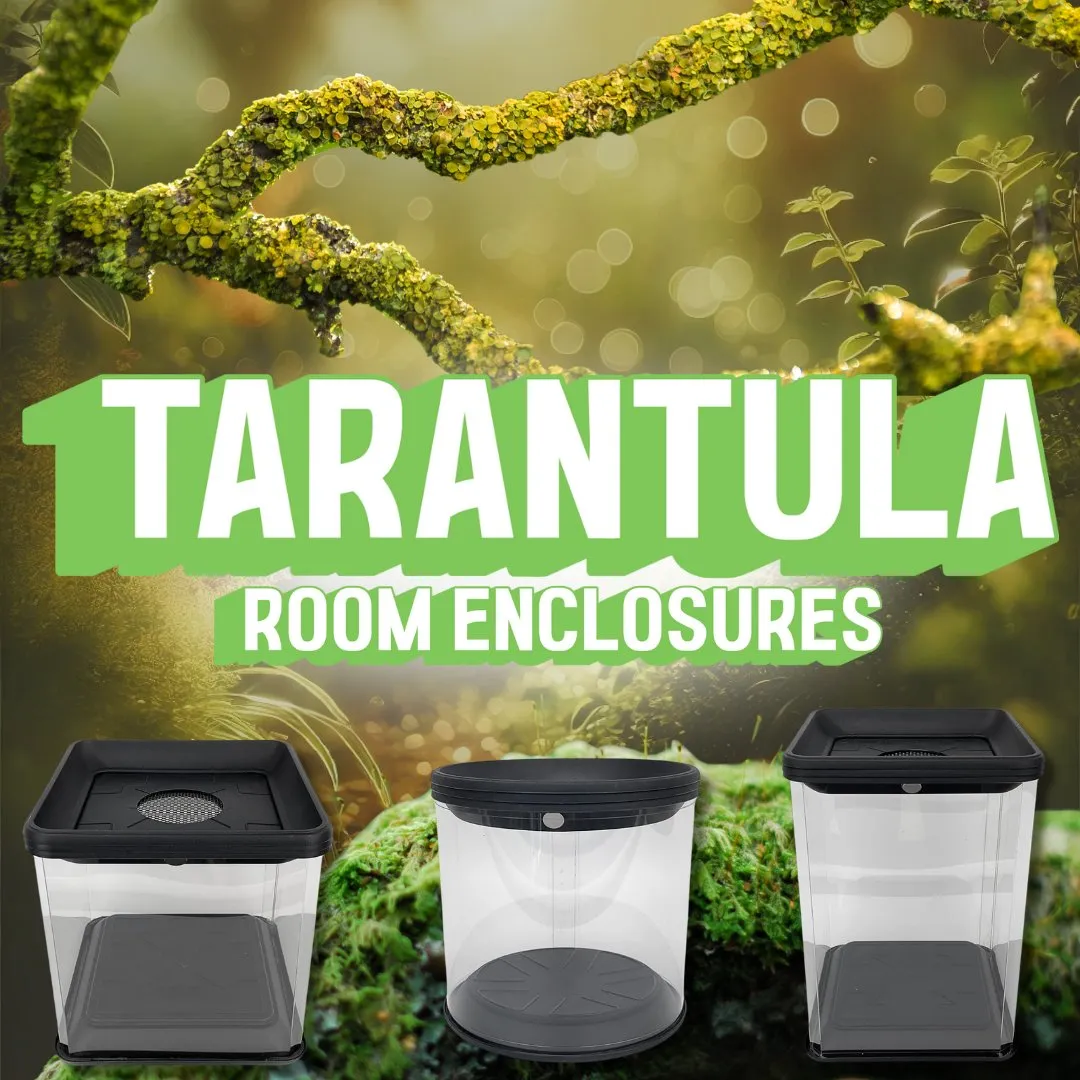
Choosing the Best Tarantula Enclosure
Selecting the right enclosure is crucial for the health and well-being of your tarantula. A suitable habitat provides a safe and comfortable environment, allowing your pet to thrive. This guide will walk you through the essential factors to consider when choosing the best tarantula enclosures, particularly those available at Petco. From size and material to features and maintenance, we’ll cover everything you need to know to create the perfect home for your eight-legged friend. Remember, a well-chosen enclosure not only meets the tarantula’s needs but also enhances your enjoyment of these fascinating creatures.
Size Matters Appropriate Enclosure Dimensions
The size of the enclosure is a primary consideration. A tarantula’s enclosure should be large enough for it to move around comfortably, but not so large that the tarantula feels exposed and stressed. A general rule of thumb is to provide an enclosure that is at least twice the tarantula’s leg span in width and length. The height should also be sufficient, particularly for arboreal species that climb. Consider the adult size of your tarantula species when choosing an enclosure; a juvenile tarantula will require a smaller habitat initially, with plans for an upgrade as it grows. Incorrect sizing can lead to difficulties in hunting, and can cause stress to your tarantula.
Consider Tarantula Species
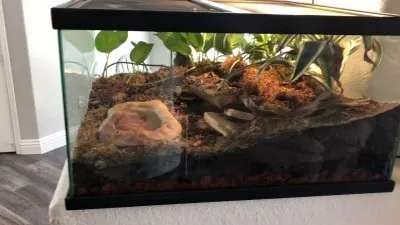
Different tarantula species have different needs, so research the specific requirements of your tarantula. Terrestrial species, which live on the ground, typically require more floor space, while arboreal species, which live in trees, need more height for climbing. Knowing your tarantula’s natural habitat will also help you determine the ideal substrate, humidity, and temperature for its enclosure. This species-specific knowledge will guide you in selecting the right enclosure type and dimensions, ensuring a comfortable and healthy environment. For instance, a burrowing species will require a deeper substrate than a surface-dwelling one.
Juvenile Tarantulas
Juvenile tarantulas, being smaller and more vulnerable, often benefit from smaller enclosures. This reduces the risk of them feeling overwhelmed and helps them find food more easily. A deli cup or a small, appropriately sized terrarium is often suitable for juveniles. As the tarantula grows, it’s crucial to upgrade the enclosure gradually to avoid stressing the spider and provide adequate space. Regular monitoring and observation will help you determine when it’s time for a larger enclosure. Using appropriately sized enclosures at the juvenile stage will help your pet settle in and grow successfully.
Adult Tarantulas
Adult tarantulas need significantly larger enclosures to accommodate their full size and provide enough space for them to move, hunt, and establish a comfortable territory. The enclosure should be at least twice the tarantula’s leg span in both width and length, with sufficient height, especially for arboreal species. This will ensure your adult tarantula has ample room to thrive and exhibit natural behaviors. Additionally, a larger enclosure makes it easier to maintain optimal humidity and temperature levels, important for the tarantula’s health. An appropriately sized enclosure is the foundation of a comfortable habitat for an adult tarantula.
Enclosure Material Glass vs Acrylic

The material of your tarantula enclosure significantly impacts its functionality and your convenience in caring for your pet. Glass and acrylic are the two most common materials used for tarantula enclosures, each with its own advantages and disadvantages. Considering the material’s properties will help you select an enclosure that is both suitable for the tarantula and easy to manage. Proper enclosure material directly affects the overall well-being and comfort of the tarantula, and your ability to keep the environment safe and stable.
Glass Enclosures
Glass enclosures are a popular choice due to their durability and scratch resistance. They offer excellent visibility, allowing you to observe your tarantula without distortion. Glass is also easy to clean and sanitize, making it a hygienic option. However, glass enclosures tend to be heavier than acrylic ones and can be more prone to shattering if dropped. The weight can make them less convenient to handle, especially when moving or cleaning. Furthermore, glass does not insulate as well as acrylic, which can lead to temperature fluctuations inside the enclosure, especially in changing climates. Glass enclosures are a classic and reliable choice for experienced keepers.
Acrylic Enclosures
Acrylic enclosures offer several advantages, including being lightweight and shatter-resistant, making them safer for both you and your tarantula. Acrylic provides excellent insulation, helping to maintain a stable temperature within the enclosure, which is beneficial for tarantula health. Acrylic is also often clearer than glass, allowing for exceptional viewing of your tarantula. However, acrylic enclosures can be prone to scratching, requiring careful handling during cleaning and maintenance. The cost may also be a factor, as acrylic enclosures can sometimes be more expensive than glass ones. Overall, acrylic enclosures offer a practical and safe option for tarantula keepers.
Essential Enclosure Features

Beyond size and material, several features are essential for a well-designed tarantula enclosure. These features contribute to the overall safety, comfort, and well-being of your tarantula. Paying attention to ventilation, substrate, and the provision of hides and decorations will help create a suitable habitat that mimics the tarantula’s natural environment and encourages healthy behavior. These features ensure the enclosure functions well, providing the correct climate and security that your pet requires to flourish.
Ventilation
Proper ventilation is critical to prevent the buildup of humidity and the growth of mold and bacteria. Enclosures should have adequate ventilation to ensure a constant flow of fresh air. This typically involves a combination of vents, usually on the top and sides of the enclosure. The design of the ventilation system varies, with some enclosures having screened tops, while others feature strategically placed vent holes. Insufficient ventilation can lead to respiratory problems and other health issues for your tarantula. Always inspect the ventilation system on a new enclosure and ensure it is adequate for your pet’s needs. Effective ventilation is essential for maintaining a healthy environment.
Substrate
The substrate serves as the tarantula’s flooring and plays a crucial role in maintaining humidity, providing a surface for burrowing (for terrestrial species), and absorbing waste. Suitable substrate options include coconut fiber, peat moss, vermiculite, and a mix of these materials. The choice of substrate depends on the species of tarantula and its specific humidity requirements. The depth of the substrate should be appropriate for the tarantula’s size and burrowing habits. Maintaining a clean and appropriate substrate is critical for the overall health and well-being of your pet. Regularly check and replace the substrate to prevent the buildup of harmful bacteria and mold. Ensure the substrate is non-toxic and free of harmful chemicals.
Hides and Decorations
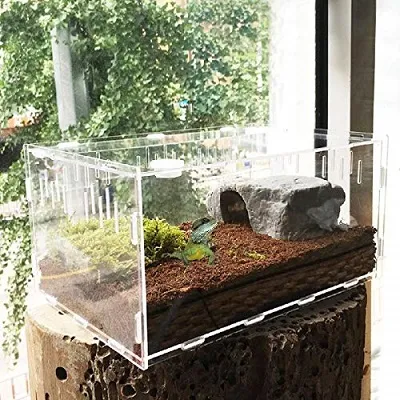
Providing hides and decorations is essential for creating a natural and enriching environment for your tarantula. Hides offer a sense of security and allow your tarantula to retreat and feel safe. Suitable options include cork bark, artificial caves, and half-logs. The hide should be sized appropriately for the tarantula to comfortably fit inside. Decorations such as artificial plants, branches, and rocks can also be added to the enclosure to provide enrichment and stimulate natural behaviors. These decorations not only enhance the aesthetic appeal of the enclosure but also provide climbing opportunities and hiding spots. Ensure all decorations are safe and non-toxic and do not have any sharp edges that could harm your tarantula. The correct hide provides the tarantula with security, which will help keep it stress-free.
Top 5 Petco Tarantula Enclosures
Petco offers a variety of tarantula enclosures, each with unique features. Here are five of the best options available, considering factors such as size, material, and overall suitability for tarantulas:
Petco Tarantula Enclosure 1
This enclosure features a durable construction with excellent ventilation and is easy to clean. It offers a great balance of features and affordability, making it a solid choice for beginners. The design promotes optimal airflow, which helps to keep the enclosure environment healthy for the tarantula. Its transparent design allows easy viewing, so you can keep a close eye on your pet. The enclosure is a good choice for those starting out and looking for a reliable option.
Petco Tarantula Enclosure 2

This enclosure is designed with advanced features, offering enhanced security and ease of use. It often includes features like a secure locking mechanism to prevent escapes and a convenient feeding door. The enclosure usually provides superior ventilation and sturdy construction. This enclosure is perfect for owners that want an easy to manage and durable enclosure.
Petco Tarantula Enclosure 3
This enclosure provides the best value, combining essential features with a budget-friendly price point. This enclosure often comes with essential features like a secure lid and adequate ventilation, offering a basic yet functional habitat. The ease of use makes it a great option for new and experienced tarantula owners alike. This provides everything a tarantula needs to live a long and stress-free life.
Petco Tarantula Enclosure 4
This enclosure is specifically designed for arboreal tarantulas. With its taller design, it accommodates species that climb and offers ample vertical space. The enclosure’s features include secure ventilation and a sturdy lid. It includes features to support the tarantula’s vertical habits and offers a safe and visually appealing habitat. The layout encourages natural behaviors and is ideal for species that prefer to live in trees.
Petco Tarantula Enclosure 5

This enclosure features a unique design, setting it apart from standard options. Often incorporating innovative features like a built-in hygrometer and thermometer or a distinctive aesthetic appeal. It may be constructed from specialized materials or have unique ventilation systems. This enclosure is for experienced keepers that want something different for their tarantula.
Maintaining Your Tarantula Enclosure
Regular maintenance is crucial for maintaining a healthy environment. This includes cleaning, monitoring humidity and temperature, and ensuring the overall well-being of your tarantula. Regular maintenance helps prevent the buildup of harmful bacteria and mold, and ensures that your pet’s enclosure remains a safe and comfortable space. Consistent care will help ensure your tarantula thrives for years to come. Following a routine schedule will make this task easier.
Cleaning and Maintenance
Regular cleaning of the enclosure is essential. Spot clean the enclosure weekly by removing any uneaten food, feces, and shed exoskeletons. Complete the enclosure by removing and replacing the substrate every few months. Clean the enclosure itself with a mild, non-toxic cleaner, and avoid using harsh chemicals that could harm your tarantula. Proper cleaning practices are vital for maintaining a hygienic environment and preventing the spread of bacteria and parasites. Regular maintenance extends the lifespan of your enclosure and reduces health risks.
Humidity and Temperature
Monitoring and maintaining the correct humidity and temperature levels is crucial. Use a hygrometer and thermometer to measure these conditions within the enclosure. Adjust humidity by misting the enclosure with water, and ensure proper ventilation to prevent excessive humidity. Maintain a consistent temperature suitable for your tarantula species, using a heat lamp or mat if necessary, and ensure that the heat source is regulated to prevent overheating. Providing the correct humidity and temperature will help your tarantula thrive. Regularly check and adjust conditions, ensuring the ideal environment for your pet.
Conclusion
Choosing the right tarantula enclosure from Petco involves considering factors like size, material, ventilation, and species-specific needs. By selecting an appropriate habitat and providing proper care, you can ensure your tarantula lives a long, healthy, and fulfilling life. Regularly maintain your enclosure, and monitor environmental conditions to promote the well-being of your pet. With the right enclosure and consistent care, your tarantula will thrive, providing you with years of fascination and enjoyment. Enjoy the rewarding experience of caring for these amazing creatures.