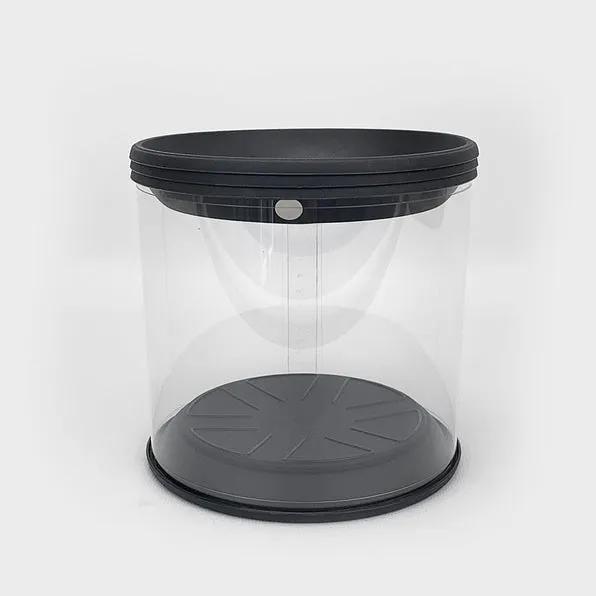
Best Tarantula Enclosures
Choosing the best tarantula enclosure is crucial for the health and happiness of your eight-legged friend. A proper enclosure provides a safe, comfortable, and stimulating environment that allows your tarantula to thrive. There are many factors to consider when selecting an enclosure, including size, ventilation, substrate, and accessories. In this guide, we’ll explore the essential aspects of tarantula enclosures and highlight the top 5 picks to help you create the perfect habitat for your pet tarantula. Understanding these elements will allow you to make informed decisions and provide the best possible care for your tarantula. Remember, the right enclosure is an investment in your pet’s well-being, ensuring a long and fulfilling life.
Enclosure Size Matters
One of the most critical aspects of a tarantula enclosure is its size. A properly sized enclosure allows the tarantula to move around, hunt, and behave naturally. Too small an enclosure can restrict movement and lead to stress, while too large an enclosure might make it difficult for the tarantula to find food or feel secure. The ideal size depends on the species and the size of your tarantula, with juvenile tarantulas requiring smaller enclosures than adults. It’s important to provide enough space for the tarantula to molt and for the addition of essential elements such as hides, water dishes, and substrate, creating a balanced and functional environment.
Choosing the Right Size for Your Tarantula

When selecting an enclosure, consider the species and the adult size of your tarantula. For terrestrial species, the enclosure should be at least twice as wide as the tarantula’s leg span, and the height should be at least one and a half times the leg span. Arboreal species require taller enclosures to accommodate their climbing habits. It’s always better to err on the side of a slightly larger enclosure rather than a smaller one. Always plan for future growth, especially if you have a juvenile tarantula. This ensures the tarantula has ample space as it matures. This proactive approach helps maintain a comfortable and healthy habitat throughout its life.
Factors influencing enclosure size
Several factors influence the choice of enclosure size, including the tarantula’s species, its age, and its terrestrial or arboreal nature. Terrestrial tarantulas, which live on the ground, require more floor space. Arboreal tarantulas, which live in trees, need more vertical space for climbing. Juveniles require smaller enclosures to help them feel secure and to make it easier to find food. As the tarantula grows, you’ll need to upgrade the enclosure to accommodate its increasing size. Be sure to also consider the addition of hides, water dishes, and other accessories when determining the size. The inclusion of these elements enhances the habitat’s functionality and enriches the tarantula’s living space.
Ventilation Essentials
Adequate ventilation is essential for maintaining a healthy environment in your tarantula’s enclosure. Proper airflow helps prevent the buildup of harmful mold and bacteria and reduces excessive humidity, which can be detrimental to your tarantula’s health. Poor ventilation can lead to respiratory problems and other health issues. A well-ventilated enclosure ensures the tarantula receives enough fresh air, which is crucial for its overall well-being. The best enclosures have ventilation on the top and sides to create cross-flow and prevent stagnant air. This is a critical element for ensuring the tarantula thrives in its habitat.
Importance of Proper Airflow

Proper airflow is critical for maintaining a healthy environment within the enclosure. It helps to regulate humidity levels, preventing the growth of mold and bacteria, which can be harmful to the tarantula. Good ventilation also helps to prevent the buildup of ammonia from waste. The goal is to ensure a consistent flow of fresh air, which improves the overall air quality inside the enclosure. Proper ventilation is essential for maintaining the tarantula’s health and preventing respiratory problems and other illnesses. Regular inspection and maintenance of the ventilation system is essential for long-term benefits and the well-being of your tarantula.
Ventilation types and their impact
There are several types of ventilation systems used in tarantula enclosures. Cross-ventilation, which involves vents on opposite sides of the enclosure, is generally the most effective because it promotes a consistent airflow. Top ventilation can also be effective, especially when combined with side vents. Avoid enclosures with poor ventilation, such as those with only a small number of vents, as these can lead to stagnant air and humidity issues. Mesh tops can provide good ventilation, but they may also allow for the escape of feeder insects. Choosing the right ventilation system is crucial for maintaining the right environmental conditions for the tarantula to thrive.
Substrate Selection
The substrate, or bedding, is the material that lines the bottom of your tarantula’s enclosure. It serves multiple purposes, including absorbing waste, maintaining humidity, and providing a comfortable environment for burrowing and hiding. The right substrate is crucial for the well-being of your tarantula, supporting its natural behaviors and maintaining a safe, healthy habitat. It also helps in the regulation of humidity levels, which is vital for the tarantula’s health, especially during molting. The choice of substrate should be based on the specific needs of your tarantula species.
Best Substrates for Tarantulas

Several substrates are suitable for tarantula enclosures. Popular choices include coconut fiber, peat moss, and vermiculite. Coconut fiber is a natural substrate that holds moisture well and provides good burrowing material for terrestrial species. Peat moss is another excellent option that also retains moisture. Vermiculite, often mixed with other substrates, helps to retain humidity. Avoid substrates that are toxic or contain harmful chemicals, such as cedar or pine shavings. Always choose substrates that are safe for your tarantula, creating a comfortable and healthy living environment. Remember to regularly monitor and replace the substrate to maintain its effectiveness and cleanliness.
Substrate depth considerations
The depth of the substrate is important, particularly for burrowing species. The substrate should be deep enough to allow the tarantula to burrow comfortably. Terrestrial species generally need a substrate depth equal to the tarantula’s leg span. For arboreal species, a shallower substrate is usually sufficient, as they are less likely to burrow. Regular maintenance, including spot cleaning and replacing soiled areas, is also essential for maintaining a healthy substrate. The right substrate depth supports the natural behaviors of your tarantula, ensuring it can thrive in its habitat.
Top 5 Best Tarantula Enclosures
Here are the top 5 best tarantula enclosures, considering factors such as size, ventilation, material, and ease of use. These enclosures are suitable for various species and offer optimal living conditions for your tarantula. When selecting an enclosure, always consider your tarantula’s specific needs. The top choices offer a balanced blend of safety, convenience, and optimal environmental control, helping your tarantula live a long, healthy, and fulfilling life.
Enclosure 1 Overview

Enclosure 1 is a versatile terrarium made of high-quality materials. It features excellent ventilation with a mesh top and side vents, promoting optimal airflow and preventing humidity buildup. The enclosure is available in several sizes to accommodate different tarantula species, making it ideal for both beginners and experienced keepers. The clear design allows for easy viewing of your tarantula. The enclosure also features a secure locking mechanism to prevent escapes.
Features and benefits of Enclosure 1
The key benefits of Enclosure 1 include its durable construction and excellent ventilation. The secure locking mechanism and easy access make it simple to care for your tarantula. The enclosure is also easy to clean, which helps maintain a healthy environment. The multiple sizes available make it easy to choose the right option for your tarantula. It’s a fantastic choice for tarantula keepers looking for a balance of functionality, aesthetics, and ease of maintenance, ensuring a stress-free experience for both the keeper and the tarantula.
Enclosure 2 Overview
Enclosure 2 offers a sleek, modern design with a focus on providing a natural environment for your tarantula. It includes a built-in ventilation system with strategically placed vents to ensure adequate airflow. The enclosure is made of high-quality materials, offering excellent durability and security. Its design allows for easy decoration with hides, plants, and other accessories, enhancing the tarantula’s living space. The front-opening doors provide easy access for feeding and maintenance, and the secure latches ensure safety.
Features and benefits of Enclosure 2
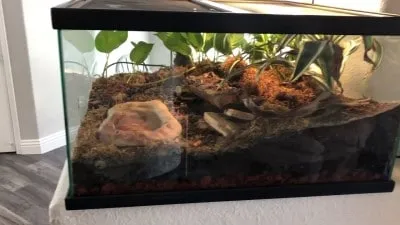
The features of Enclosure 2 include its stylish design, which complements any room. It offers superior ventilation, maintaining the ideal humidity and temperature. The easy-access front-opening doors simplify feeding and maintenance, reducing stress for both the keeper and the tarantula. The secure latches ensure the enclosure is escape-proof. The enclosure is designed to blend seamlessly into your home while providing an optimal living environment for your tarantula, ensuring the safety and well-being of your pet.
Enclosure 3 Overview
Enclosure 3 is a classic design, known for its durability and ease of use. Made from sturdy materials, it offers excellent visibility. The enclosure features a secure lid and a mesh top for ventilation. Its simple design makes it an excellent option for beginners and experienced keepers alike. The enclosure is easy to clean and maintain, promoting a healthy environment. Enclosure 3 is a reliable, practical choice for housing your tarantula, providing a secure and comfortable habitat.
Features and benefits of Enclosure 3
Key benefits of Enclosure 3 include its simplicity and durability. The secure lid and mesh top ensure proper ventilation and prevent escapes. The enclosure is easy to clean and maintain, making it ideal for busy keepers. The clear design provides excellent viewing of your tarantula, while its sturdy construction guarantees long-lasting use. It’s a reliable and practical option for providing a safe and comfortable habitat for your tarantula.
Enclosure 4 Overview

Enclosure 4 is specifically designed for arboreal tarantulas, offering a taller design to accommodate their natural climbing habits. It features ample ventilation to maintain optimal air circulation and humidity levels. The enclosure is made from clear, durable materials that offer a great view of your tarantula. The front-opening doors and secure locks make feeding and maintenance simple. With its vertical design, the enclosure allows for the creation of a naturalistic environment, encouraging your tarantula’s natural behaviors.
Features and benefits of Enclosure 4
Enclosure 4’s benefits include its vertical design, which suits arboreal species perfectly. The superior ventilation ensures a healthy environment. Its clear construction provides excellent viewing, allowing you to observe your tarantula. The secure front-opening doors and latches simplify access and maintenance, ensuring your tarantula’s well-being and safety. It is specifically crafted to cater to the needs of arboreal species, offering an ideal habitat that fosters a thriving environment.
Enclosure 5 Overview
Enclosure 5 is an innovative terrarium with advanced features for tarantula keeping. It comes with built-in temperature and humidity sensors. It provides precise environmental control and a convenient monitoring system. Made from high-quality, durable materials, the enclosure is designed for long-lasting use. It also features a user-friendly design with easy access and a secure locking mechanism. Enclosure 5 is a great choice for advanced keepers who want to ensure optimal environmental conditions.
Features and benefits of Enclosure 5

The main benefits of Enclosure 5 include its advanced environmental control, allowing for precise regulation of temperature and humidity. The built-in sensors make it easy to monitor conditions. The enclosure’s durable construction and secure locking mechanism provide a safe and long-lasting habitat. The user-friendly design allows for ease of maintenance and access. For keepers seeking the best control and monitoring features, Enclosure 5 provides optimal living conditions for your tarantula and ensures their well-being.
Essential Enclosure Accessories
In addition to the enclosure itself, several accessories are necessary to create a suitable habitat for your tarantula. These accessories help in maintaining the proper environment and allowing your tarantula to thrive. Essential accessories include a water dish, hides or shelters, and decorations. The right accessories not only create a comfortable and stimulating environment for your tarantula but also facilitate its natural behaviors, contributing to its overall well-being and longevity. Proper planning and selection of accessories is critical for ensuring your tarantula’s happiness and health.
Water Dish and Placement
A water dish is a crucial accessory for providing your tarantula with a source of fresh water. The dish should be shallow enough to prevent drowning. It should also be easily accessible for the tarantula. Consider the size and the species’ needs when selecting the dish. Positioning the water dish strategically within the enclosure ensures the tarantula can readily access the water. Regular cleaning of the water dish is vital to maintain water quality. Providing fresh, clean water is essential for keeping your tarantula hydrated and healthy, promoting optimal well-being.
Hides and Decorations
Hides and decorations are essential for providing a sense of security and enrichment for your tarantula. These accessories allow the tarantula to hide from view, reducing stress and mimicking its natural environment. Choose hides that are appropriate for the tarantula’s size and species, such as cork bark, artificial caves, or other suitable objects. Decorations such as plants (real or artificial) can enhance the aesthetic appeal of the enclosure and provide additional hiding spots. The inclusion of these elements promotes natural behaviors and makes the enclosure a stimulating and comfortable habitat.
Maintaining Humidity and Temperature
Maintaining the correct humidity and temperature levels is crucial for your tarantula’s health. Different species have different requirements, so it’s essential to research the specific needs of your tarantula. Use a hygrometer to monitor humidity levels and a thermometer to monitor temperature. Regular monitoring and adjustments are crucial. Providing the correct environment is essential for promoting molting, preventing health issues, and keeping your tarantula comfortable. A well-maintained environment helps your tarantula thrive, ensuring its long-term well-being.
Monitoring Humidity Levels
Humidity levels should be monitored regularly using a hygrometer. The ideal humidity level varies depending on the tarantula species. Keep track of the humidity to make necessary adjustments. If the humidity is too low, mist the enclosure with water. Be sure to provide proper ventilation to avoid excessive humidity. Regular monitoring ensures your tarantula lives in a healthy environment. Appropriate humidity levels are crucial for healthy molting and overall health. Adjustments should be made based on the species’ specific requirements.
Maintaining Optimal Temperature
Temperature is another critical factor in your tarantula’s enclosure. The ideal temperature range also varies by species. Use a thermometer to monitor the temperature. Ensure the enclosure is not too hot or too cold, as extreme temperatures can be harmful. Provide a heat source, such as a heat mat, if needed. Place the heat source on the side of the enclosure, and never place it directly under the enclosure, to prevent overheating. Always monitor and adjust the temperature to maintain the correct range, supporting your tarantula’s health and well-being, and fostering optimal living conditions.
Conclusion
Choosing the best tarantula enclosure is a key step in providing a comfortable and healthy environment for your pet. Consider factors such as size, ventilation, substrate, and accessories to ensure you create the perfect habitat for your tarantula. Remember to research the specific needs of your tarantula species. Regularly monitor and maintain the enclosure to ensure the well-being of your pet. By following these guidelines and selecting the right enclosure, you can enjoy watching your tarantula thrive in its new home, creating a rewarding experience for both you and your fascinating eight-legged friend. The right enclosure promotes a long and healthy life for your tarantula.