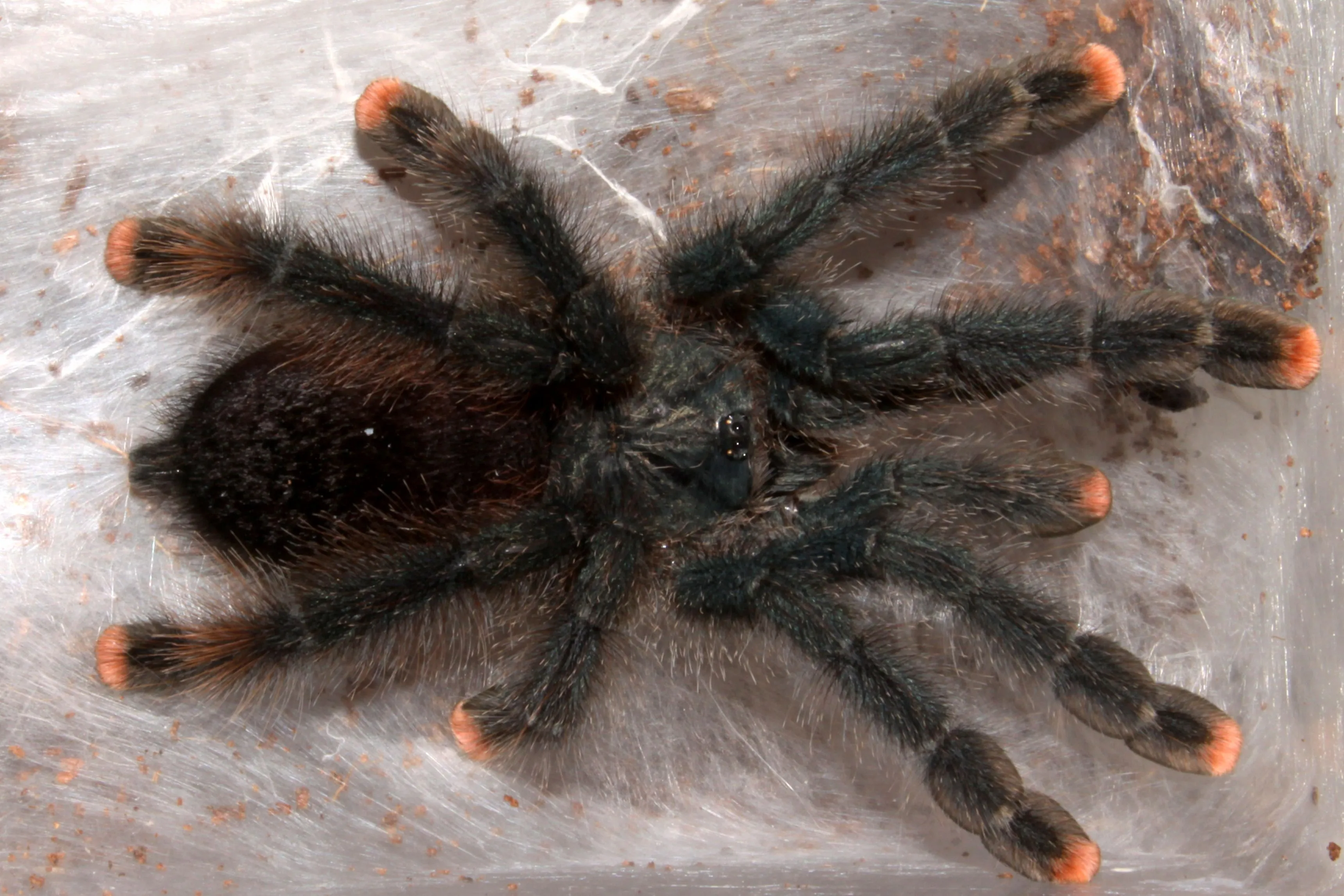
Why Choose a Tarantula as a Pet
Tarantulas have become increasingly popular pets, captivating individuals with their unique appearance and relatively low-maintenance care requirements. Unlike many other pets, tarantulas don’t demand constant attention or require daily walks. Their quiet nature and fascinating behaviors provide a captivating experience for owners who appreciate observing the intricacies of the natural world. They are also relatively clean pets, producing minimal waste and odors, which is a significant advantage for those with allergies or limited living space. Furthermore, the lifespan of many tarantula species can be quite impressive, allowing for a long-term companionship that extends for several years, even decades in some cases. Considering these factors, the allure of a tarantula as a pet becomes evident, offering a blend of convenience, intrigue, and longevity that appeals to a growing number of enthusiasts.
Top 5 Best Tarantulas to Get
Choosing the best tarantula to get depends heavily on individual preferences, experience level, and the environment you can provide. While many species are suitable for beginners, some offer unique characteristics that might appeal to experienced keepers. This list provides a comprehensive overview of some of the most popular and manageable tarantula species, considering factors like temperament, care requirements, and overall suitability for pet ownership. Remember to always research and understand the specific needs of any tarantula before acquiring it to ensure a healthy and fulfilling experience for both the owner and the pet. The tarantulas featured here are generally docile, relatively easy to care for, and readily available in the pet trade, making them excellent choices for both novice and seasoned arachnid enthusiasts.
1. Chilean Rose Hair Tarantula

The Chilean Rose Hair Tarantula (Grammostola rosea) is arguably the most popular tarantula for beginners. Its docile temperament, coupled with its relatively low care requirements, makes it an ideal choice for those new to the hobby. They are generally slow-moving and less prone to biting or flicking urticating hairs, which are defense mechanisms employed by many tarantulas. Their reddish-brown coloration is also aesthetically pleasing, and they can live for over 20 years in captivity, offering long-term companionship. They are also quite hardy and can tolerate a wider range of environmental conditions than some other species. The Chilean Rose Hair tarantula is a great starting point for anyone considering bringing a tarantula into their home, providing a rewarding experience without overwhelming complexities.
Characteristics of the Chilean Rose Hair Tarantula
Chilean Rose Hair tarantulas are known for their calm and gentle nature. They are typically a terrestrial species, meaning they spend most of their time on the ground. They exhibit a reddish-brown hue and are relatively large, with females reaching up to 6 inches in leg span. These tarantulas are generally not aggressive and rarely bite unless severely provoked. They have a lifespan that can exceed 20 years for females, making them a long-term commitment. They are also relatively slow-growing, adding to their manageable nature as pets. Overall, their docile temperament and manageable size and lifespan make them an excellent choice for beginners.
Care Requirements for Chilean Rose Hair Tarantula
Caring for a Chilean Rose Hair tarantula is straightforward. They require a terrarium with approximately 5-10 gallons of space, depending on the size of the tarantula. The enclosure should have a substrate of approximately 4-6 inches of a mixture of peat moss, vermiculite, and coconut fiber to provide moisture and burrowing opportunities. Maintain a temperature between 70-85°F (21-29°C) and a humidity level of 60-70%. Provide a shallow water dish for drinking and mist the enclosure once or twice a week to maintain humidity. Feed them appropriately sized insects such as crickets, mealworms, or roaches, usually once or twice a week. Handling should be kept to a minimum as it can stress the tarantula, and always approach these pets with respect.
2. Mexican Red Knee Tarantula

The Mexican Red Knee Tarantula (Brachypelma hamorii) is another popular choice, known for its striking coloration and relatively docile temperament. The distinct red-orange markings on their leg joints make them visually appealing. They are moderately sized, making them easier to manage than some of the larger species. While they may be more prone to flicking urticating hairs than the Chilean Rose Hair, they are generally not aggressive. This species is also relatively hardy and adaptable to various conditions, making them a good choice for beginners with some prior research and preparation. Their captivating appearance and manageable care requirements make them a desirable pet for many.
Characteristics of the Mexican Red Knee Tarantula
Mexican Red Knee tarantulas are renowned for their beautiful appearance, marked by vibrant red-orange bands on their leg joints. This striking coloration contrasts with their black body, creating a captivating visual display. They are a terrestrial species, growing to a moderate size with females reaching up to 6 inches in leg span. They are known to be docile, though they may flick urticating hairs when feeling threatened. Their lifespan can extend up to 20-25 years for females, making them a long-term pet. They are generally slow-growing and have a calm demeanor, making them an attractive pet for those interested in observing interesting spider behavior.
Care Requirements for Mexican Red Knee Tarantula
The care for a Mexican Red Knee tarantula is similar to that of the Chilean Rose Hair, though it is important to note any species-specific differences. A 10-20 gallon terrarium is sufficient for an adult. The substrate should be similar, with a mix of peat moss, vermiculite, and coconut fiber, maintained at a depth of 4-6 inches. Keep the temperature between 70-80°F (21-27°C) and humidity around 65-75%. A shallow water dish is necessary for hydration, and the enclosure should be lightly misted once or twice a week to maintain humidity. Feed them insects like crickets or roaches, usually once or twice a week. Handling should still be kept to a minimum to avoid stress and potential defensive behavior. Careful research and consideration for your species’ environment is always recommended.
3. Pink Zebra Beauty Tarantula

The Pink Zebra Beauty Tarantula (Grammostola pulchra) offers an appealing aesthetic with its contrasting black and pink stripes. This terrestrial species is known for its generally docile temperament, making it a good choice for keepers who want to handle their tarantula, but it is recommended to keep handling to a minimum. While not as readily available as some other species, its unique appearance and manageable care requirements make it worth considering. They are relatively slow-growing and have a moderate size, fitting comfortably in a standard terrarium setup. Their calm demeanor and striking appearance make them a favorite among tarantula enthusiasts.
Characteristics of the Pink Zebra Beauty Tarantula
Pink Zebra Beauty tarantulas, as their name suggests, are characterized by their distinctive black and pink striped patterns. This terrestrial species is known for its docile nature, making them a good option for owners who appreciate observing their pet. They are a moderate size, with females reaching approximately 5-6 inches in leg span. They are generally not aggressive and are known to be slow-moving, contributing to their suitability as pets. They also possess a lifespan of up to 25 years for females. This makes them a calm, long-lived, and visually striking species.
Care Requirements for Pink Zebra Beauty Tarantula
Pink Zebra Beauty tarantulas have care needs similar to those of the Chilean Rose Hair and Mexican Red Knee tarantulas. A 10-20 gallon terrarium is typically adequate for an adult. A substrate mix of peat moss, vermiculite, and coconut fiber, approximately 4-6 inches deep, is ideal for burrowing. Maintain the temperature between 70-80°F (21-27°C) and the humidity around 65-75%. Provide a shallow water dish for drinking and mist the enclosure lightly once or twice a week. Feed appropriately sized insects once or twice a week. Handling should be kept to a minimum, and when done, it should be with extreme care due to their potential for defensive behavior if threatened.
4. Cobalt Blue Tarantula

The Cobalt Blue Tarantula (Cyaneopubescens) offers a striking visual appearance with its iridescent blue coloration. This species is considered a more advanced choice due to its potentially unpredictable temperament and fast movement. They are not recommended for beginners. They are a semi-arboreal species, meaning they will benefit from having some climbing opportunities. Their vibrant coloration is a significant draw, but potential keepers should be prepared for the challenges that come with their temperament and activity levels. Proper research and experience with tarantulas are essential before acquiring one.
Characteristics of the Cobalt Blue Tarantula
Cobalt Blue tarantulas are famous for their stunning iridescent blue coloration, which intensifies with each molt. This is a semi-arboreal species, meaning they will spend time both on the ground and climbing. They can be fast and defensive. Females can grow up to 5-6 inches in leg span, and their lifespan can be 10-15 years. They have a very noticeable temperament. This species is a good option for those with some tarantula-keeping experience due to its higher level of care.
Care Requirements for Cobalt Blue Tarantula
Because Cobalt Blue tarantulas are more demanding than the previous tarantulas mentioned, it is important to conduct sufficient research before owning one. A 10-20 gallon terrarium is suitable, with the addition of some vertical climbing opportunities like cork bark or branches. The substrate should be a mixture of peat moss, vermiculite, and coconut fiber, with a depth of 4-6 inches. Maintain a temperature range of 75-85°F (24-29°C) and humidity levels between 70-80%. A shallow water dish is essential for drinking, and the enclosure should be misted regularly to maintain humidity. Feeding should consist of appropriately sized insects once or twice a week. Handling should be strictly avoided due to their speed and potential for defensive behavior.
5. Brazilian White Knee Tarantula

The Brazilian White Knee Tarantula (Acanthoscurria geniculata) is another popular choice, known for its striking black body with white markings on its leg joints, which resemble white knees. This species is known for its rapid growth and large size. They are typically docile when they are small, but they can become more defensive as they mature. They are a terrestrial species, and their bold markings and impressive size make them a visually appealing pet. While not as beginner-friendly as the Chilean Rose Hair, their manageable care requirements and striking appearance continue to draw enthusiasts.
Characteristics of the Brazilian White Knee Tarantula
Brazilian White Knee tarantulas are characterized by their bold black bodies with distinctive white markings on their leg joints. They are a terrestrial species and can grow to a significant size, with females reaching leg spans of 8-9 inches. These tarantulas grow rapidly and can be somewhat defensive, especially as they mature. Their lifespan can range from 15-20 years. Their size and markings make them a visually interesting species, and their manageable care makes them attractive to owners.
Care Requirements for Brazilian White Knee Tarantula
Brazilian White Knee tarantulas require similar care to other terrestrial tarantulas, though their larger size necessitates a bigger enclosure. A 20-gallon or larger terrarium is recommended for adults. A substrate of peat moss, vermiculite, and coconut fiber, about 4-6 inches deep, is ideal for burrowing. Maintain a temperature range of 70-80°F (21-27°C) and humidity levels between 65-75%. A large water dish is essential, and the enclosure should be misted regularly to maintain humidity. Feed them appropriately sized insects once or twice a week. Although these tarantulas are generally docile, caution should be exercised when handling them due to their size and potential for defensive behaviors, such as flicking urticating hairs. It is always recommended to conduct extensive research to understand the tarantula’s specific needs before owning.
Factors to Consider Before Getting a Tarantula

Before welcoming a tarantula into your home, there are several factors you need to consider to ensure you can provide the best possible care and create a suitable environment. First, assess your lifestyle and whether you can commit to long-term care. Tarantulas, especially females, can live for many years, requiring consistent attention to their environment and feeding. Research the specific needs of the species you are considering, including their preferred temperature, humidity levels, and substrate requirements. Make sure you have the space and resources to set up a proper enclosure, which includes a secure terrarium, appropriate substrate, a water dish, and any necessary decorations. Be sure to take note of the legalities, as some areas may have restrictions on keeping certain exotic pets. Finally, consider the potential for allergies or sensitivities, as urticating hairs and venom can cause reactions in some individuals. Thorough preparation and understanding will ensure a rewarding tarantula-keeping experience.
Temperament and Handling
The temperament of a tarantula species is a critical factor in determining its suitability as a pet, particularly for beginners. Some species are known for their docile nature, exhibiting a slow-moving and generally non-aggressive behavior. These tarantulas rarely bite and are more likely to flee or flick urticating hairs as a defense mechanism. Other species are more defensive and may bite or display aggressive behaviors, especially when threatened. Handling a tarantula is generally discouraged unless absolutely necessary, even with docile species, as it can stress the animal. If handling is required, it should be done with extreme caution and gentleness, minimizing the risk of injury to both the tarantula and the handler. It is essential to research the temperament of any tarantula species before acquiring it, understanding its potential defensive behaviors to handle the species with caution.
Habitat and Enclosure
Creating the right habitat is crucial for a tarantula’s well-being, mimicking its natural environment as closely as possible. The enclosure should be appropriately sized for the species, allowing ample space for movement and burrowing. The substrate is the foundation, with options including peat moss, coconut fiber, and vermiculite. The substrate depth varies depending on the species, with burrowing species needing more depth. Maintaining the correct temperature and humidity levels is vital. Use a thermometer and hygrometer to monitor these conditions, and provide a heat source if needed. A shallow water dish should always be available, and the enclosure should be lightly misted to maintain humidity, particularly in drier environments. Decorations such as hides, cork bark, and artificial plants provide enrichment and security, allowing the tarantula to feel safe and secure. Regularly clean the enclosure to remove uneaten food and waste, maintaining a healthy environment.
Feeding and Diet

Feeding tarantulas is generally straightforward. The diet of a tarantula primarily consists of live insects, such as crickets, mealworms, and roaches. The frequency of feeding varies depending on the species and the tarantula’s age, with younger tarantulas needing to be fed more often than adults. It is crucial to provide appropriately sized insects that are no larger than the tarantula’s body. Ensure the insects are healthy and well-fed, as they contribute to the nutritional value of the tarantula’s diet. Remove any uneaten insects within 24 hours to prevent stress and potential harm to the tarantula. Regularly monitor the tarantula’s feeding behavior and body condition. A tarantula that is not eating may be stressed or approaching a molt, while a tarantula that is consistently eating and appears healthy is a good sign.
Health and Lifespan
Understanding the health and lifespan of tarantulas is important for responsible pet ownership. Tarantulas are generally hardy creatures, but they can be susceptible to certain health issues, such as fungal infections, mites, and parasites. Regular observation of your tarantula is essential, looking for signs of illness like lethargy, loss of appetite, or unusual behaviors. The lifespan of a tarantula varies significantly depending on the species and sex. Females generally live much longer than males, with some species living for over 20 years. The lifespan can also be affected by environmental factors, such as diet, temperature, and humidity. Providing proper care and a suitable environment will promote the health and longevity of your tarantula. It is recommended to research the typical lifespan of the species you choose and be prepared for the long-term commitment.
Conclusion Choosing Your Best Tarantula
Choosing the best tarantula to get is a deeply personal decision. Factors such as your experience level, living environment, and desired level of interaction with your pet all play a role in making the right choice. By carefully considering the characteristics, care requirements, and potential challenges of each species, you can make an informed decision and create a rewarding tarantula-keeping experience. Remember to prioritize the well-being of the animal, providing a suitable habitat and responsible care. Research is essential, and you must be committed to the long-term care that these fascinating creatures demand. With the right preparation and dedication, you can enjoy the unique experience of owning a tarantula, observing its fascinating behaviors, and appreciating its beauty.