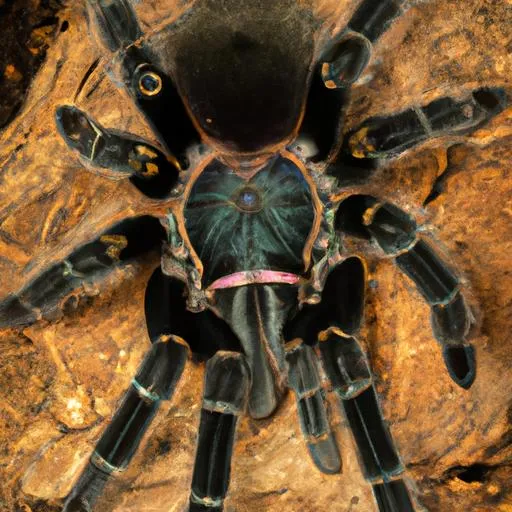
What Defines a ‘Biggest’ Tarantula?
When discussing the ‘biggest’ tarantula, it’s crucial to define what measurement we’re using. Size in the animal kingdom can be expressed in various ways, and for tarantulas, both body size (length of the carapace and abdomen) and leg span are considered. The leg span is often the more impressive measurement, creating the illusion of a larger spider, while body size gives a better indication of the spider’s overall mass and potential for weight. Understanding these distinctions helps to accurately compare different species and appreciate the truly colossal nature of some of these arachnids. The concept of ‘biggest’ can thus be subjective, depending on whether one prioritizes sheer size or overall bulk. It sets the stage for a fascinating exploration into the world of these impressive invertebrates.
Body Size vs Leg Span
The Goliath Birdeater (Theraphosa blondi) often claims the title of the largest tarantula based on leg span, sometimes exceeding 12 inches. However, in terms of body mass, other species might rival or even surpass it. The leg span, which is measured from the tip of one leg to the tip of the opposite leg when the spider is fully extended, provides a dramatic visual of size, but it doesn’t always correlate with the overall mass of the spider. A tarantula with a large leg span may appear imposing, but a bulkier species might weigh more due to a larger abdomen and carapace. Comparing the two metrics offers a more comprehensive understanding of a tarantula’s size and physical capabilities. The difference highlights the unique adaptations and evolutionary pressures shaping these creatures.
Top 10 Biggest Tarantula Facts

Here are 10 amazing facts that highlight the remarkable aspects of the biggest tarantulas. This list will delve into their impressive sizes, behaviors, habitats, and other intriguing characteristics. From their hunting strategies to their life cycles, these facts offer a comprehensive look into the fascinating world of giant spiders, providing insight into what makes them so unique and awe-inspiring. Prepare to be amazed by the extraordinary details of these arachnids, discovering what sets them apart in the world of invertebrates.
- Goliath Birdeater can have a leg span of over 12 inches.
- Some species weigh over 6 ounces.
- They are native to South America.
- Their diet includes insects, small vertebrates.
- They have urticating hairs for defense.
- Their fangs can be over an inch long.
- They can live for over 25 years in captivity.
- They are nocturnal hunters.
- Females are typically larger than males.
- They play a crucial role in their ecosystems.
Goliath Birdeater Tarantula (Theraphosa blondi)
The Goliath Birdeater, scientifically known as Theraphosa blondi, is often considered the largest tarantula species in the world. This title is primarily based on leg span, with some specimens reaching up to 12 inches or more. Their sheer size is truly remarkable, making them one of the most visually impressive spiders. The Goliath Birdeater is not just large; it also possesses a robust build, with a heavy body covered in dense hairs. This combination of size and physical attributes makes it a formidable predator and an iconic representative of the tarantula family. The name ‘Birdeater’ comes from the early observations of these spiders preying on small birds, although their diet primarily consists of insects and other invertebrates. Their large size is a direct result of their predatory lifestyle.
Size and Appearance
The Goliath Birdeater is a behemoth of the spider world. Their leg span is the most striking feature, but their body size is also significant, with some specimens reaching over 4 inches in body length. Their appearance is characterized by a dark brown coloration and a covering of coarse, reddish-brown hairs. These hairs serve a dual purpose, providing camouflage and acting as a defense mechanism. The Goliath Birdeater’s fangs are also incredibly large, capable of delivering a potent bite. The overall impression is one of both power and imposing size. Their physical characteristics are a testament to their adaptation to a predatory lifestyle in the rainforest environment. Their size, combined with their physical attributes, makes them a fascinating subject of study for arachnologists and enthusiasts alike.
Habitat and Distribution

Goliath Birdeaters are native to the rainforests of northern South America, including countries such as Guyana, Suriname, French Guiana, and parts of Brazil and Venezuela. They prefer to live in burrows, often found in swampy or marshy areas where the soil is moist and provides suitable conditions for burrowing. These spiders are well-adapted to the warm, humid environment of their habitats. Their distribution is influenced by the availability of prey, suitable soil for burrowing, and the presence of dense vegetation for cover. The specific habitats include areas with high humidity, which helps to prevent dehydration. Understanding their habitat requirements is essential for conservation efforts.
Diet and Feeding Habits
Despite their name, Goliath Birdeaters rarely eat birds. Their diet primarily consists of large insects, such as crickets and beetles, as well as small vertebrates, including lizards, frogs, and occasionally, small snakes. These tarantulas are ambush predators, using their size and camouflage to their advantage. They wait patiently in or near their burrows, striking quickly when prey comes within range. Their fangs are used to inject venom, which paralyzes the prey, after which they use digestive enzymes to liquefy the prey’s internal organs. The spiders then suck up the nutrient-rich fluid. This efficient hunting strategy allows them to sustain their large size and survive in their demanding environment. Their diet reflects their role as apex predators within their ecosystem.
Other Large Tarantula Contenders
While the Goliath Birdeater often takes the spotlight, other tarantula species are also contenders for the title of ’largest’. These spiders showcase remarkable size and impressive characteristics that make them stand out in the arachnid world. Some of these species can rival the Goliath Birdeater in certain measurements, and they present unique adaptations and features. Comparing these species provides a broader perspective on the diversity within the largest tarantulas. The competitive nature and physical variation show the fascinating evolutionary landscape shaping these amazing creatures.
The Theraphosa Apophysis

The Theraphosa apophysis is a close relative of the Goliath Birdeater and often mistaken for it, sharing similar characteristics, but is a distinct species. It has a substantial leg span and robust body. Known for its aggressive behavior, this spider is a formidable predator. The Theraphosa apophysis lives in similar habitats to the Goliath Birdeater, adapting to the rainforest environments of northern South America. This species is another impressive example of the giant tarantulas, showcasing the evolutionary adaptations that allow them to thrive in their natural habitats. They are very similar in size to the Goliath Birdeater and are often used as a point of comparison in discussions about the largest tarantulas.
The Heteroscodra maculata
The Heteroscodra maculata, also known as the Togo Starburst tarantula, while not as large in leg span as the Goliath Birdeater, is still a sizable tarantula. Native to West Africa, it has a distinctive appearance with a starburst pattern on its carapace. This species offers a unique contrast to the South American giants. It has a different evolutionary history and a unique habitat. Their vibrant coloration and striking markings contribute to their appeal to arachnid enthusiasts. Their size, combined with their unique features, makes them a fascinating example of diversity within the larger tarantula family.
Factors Influencing Tarantula Size
Several factors influence the size of tarantulas, including genetics, nutrition, environmental conditions, and lifespan. Understanding these factors helps explain the variations in size observed within and between species. Each factor contributes to the ultimate size of the tarantula. The complex interaction of these elements highlights the delicate balance required for optimal growth and development.
Genetics and Species

Genetic makeup plays a crucial role in determining a tarantula’s potential size. Different species have inherent size limits, influenced by their evolutionary history and genetic predispositions. Some species are simply genetically programmed to grow larger than others. The specific genes responsible for growth and development vary, resulting in significant size differences among tarantulas. This genetic variation contributes to the diversity observed in the tarantula world.
Nutrition and Diet
Proper nutrition is essential for growth and reaching maximum size potential. A diet rich in protein and other essential nutrients supports healthy development. Regular feeding, along with access to a variety of prey, is important. In captivity, tarantula keepers must carefully manage their spiders’ diets to ensure optimal growth. Insufficient or unbalanced nutrition can stunt growth, while overfeeding may lead to health problems. Therefore, diet management is a key consideration.
Environmental Conditions
Environmental conditions, such as temperature and humidity, can significantly affect tarantula growth. Optimal temperature and humidity levels support the molting process, which is necessary for growth. Stressful conditions can slow down growth or even lead to premature death. Providing a stable and appropriate environment is crucial for the tarantula to thrive and reach its full size potential. These conditions often include access to a water source to help with hydration. Careful attention to these factors improves the chances of a healthy and long-lived tarantula.
Lifespan and Growth

The lifespan of a tarantula also affects its size. Tarantulas continue to grow throughout their lives, molting periodically to shed their exoskeletons and expand. The more molts a tarantula undergoes, the larger it can potentially become. Female tarantulas typically live longer than males, allowing them to undergo more molts and grow to a larger size. The length of a tarantula’s life plays a significant role in how big it ultimately gets. The growth process, linked with a healthy lifespan, is essential for the spider to reach its maximum size.
Why Size Matters in the Tarantula World
In the tarantula world, size offers several advantages, primarily in predatory success, mating, and overall survival. The evolutionary pressures have shaped the largest tarantulas to become formidable hunters, capable of capturing larger prey and defending themselves against predators. Size is a clear indicator of dominance within the ecosystem, impacting both their hunting abilities and their ability to compete for resources. Large tarantulas also have an advantage in mating, as larger females are often more attractive to males, while larger males may be more successful in mating competition.
Predatory Advantages
Larger tarantulas can hunt larger prey, giving them access to more food resources. Their size and strength allow them to overpower prey, and their powerful fangs deliver more potent venom. Size also enhances their ability to ambush their prey. In environments with fewer resources, this predatory advantage becomes crucial for survival. The combination of size, strength, and effective hunting techniques enables them to thrive as apex predators within their habitats. This highlights the importance of physical attributes in hunting prowess.
Mating and Reproduction

Size can play a significant role in mating and reproduction. Female tarantulas often prefer larger males, as their size may indicate greater fitness and the ability to provide resources. Larger males might also be more successful in competing for mates. Size can affect their reproductive success and their overall genetic contribution to future generations. In addition, female tarantulas’ size directly affects their ability to produce and care for offspring. The larger the female, the more eggs and spiderlings she can nurture. This demonstrates the interplay between size and reproductive success.
Conservation Status and Threats
While many tarantula species are not currently considered endangered, several face significant threats. Habitat loss, primarily due to deforestation and urbanization, is a major concern. The pet trade and collection for scientific research can also put pressure on wild populations. Understanding these threats is essential for implementing conservation efforts. Protecting their natural habitats and regulating the pet trade are critical steps. Conservation measures should include ongoing monitoring, habitat preservation, and community education. The long-term survival of these magnificent creatures depends on these sustained conservation efforts.
Conclusion
The world of the biggest tarantulas is filled with remarkable creatures, each with unique characteristics and adaptations. Understanding their size, habitats, and behaviors offers a deeper appreciation for these fascinating arachnids. As we’ve seen, the Goliath Birdeater and other large species represent the pinnacle of spider evolution, showcasing the power and beauty of nature. Continued research and conservation efforts are vital to ensure their survival. By appreciating these creatures, we can work to protect their habitats and ensure that future generations can marvel at the giants of the spider world. Embracing our understanding of these fascinating spiders encourages curiosity and fosters respect for the natural world.