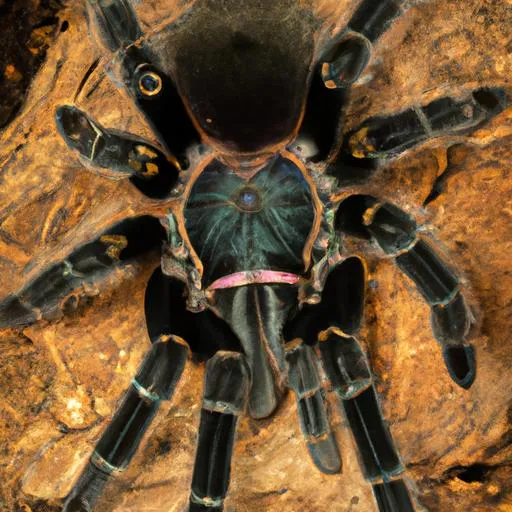
What Defines a “Biggest” Tarantula?
When we talk about the biggest tarantula breeds, it’s important to clarify what “biggest” actually means. Size in tarantulas can be measured in a couple of ways, primarily focusing on leg span and body length. Leg span, the distance from the tip of one leg to the tip of the opposite leg, is often used to give a general sense of size. Body length, the measurement from the front of the cephalothorax (the head and chest section) to the end of the abdomen, is also important, but leg span tends to be the more impressive measurement when considering the overall scale of these arachnids. Understanding these metrics helps us appreciate the true giants within the tarantula world.
Leg Span vs. Body Length
Leg span often creates a visual impact and is what many people notice first. A tarantula with a large leg span can look truly intimidating. However, body length is also important as it indicates the bulk and mass of the spider. Some species may have a relatively smaller body length compared to their leg span, while others are more compact but still massive. The largest tarantula breeds typically excel in both measurements, combining impressive leg spans with substantial body lengths to create truly imposing figures. The interplay of these measurements contributes to the unique characteristics of each species.
Top 5 Biggest Tarantula Breeds

The world of tarantulas is filled with remarkable creatures, but some stand out due to their impressive size. Identifying the absolute “biggest” can be a matter of debate, as sizes vary among individuals and can change with age and conditions. However, based on averages and maximum recorded sizes, a few species consistently top the list. These giants not only captivate with their size, but also with their unique characteristics, behaviors, and the challenges they present to keepers. Below is a glimpse into some of the most impressive tarantula breeds.
The Goliath Birdeater (Theraphosa blondi)
The Goliath Birdeater (Theraphosa blondi) often claims the title of the world’s largest tarantula by weight and leg span. Native to the rainforests of northern South America, this species can have a leg span reaching up to 12 inches or more. This size is truly awe-inspiring. Their sheer mass, combined with their impressive leg span, makes them a dominant presence in their natural habitat. The Goliath Birdeater is not only large but also known for its defensive behavior and unique feeding habits, which include consuming small birds, though their diet primarily consists of insects.
Size and Appearance
The Goliath Birdeater’s size is its most striking feature. Their bodies are robust and covered in brown to dark brown hairs. They have powerful fangs and a formidable presence. Their size also makes them a challenge to handle, and they should only be handled by experienced keepers. They are a true spectacle of nature, and the size of the Goliath Birdeater is unparalleled in the tarantula world.
Habitat and Behavior

In the wild, Goliath Birdeaters live in burrows and are ambush predators. They are nocturnal and typically emerge at night to hunt. They are aggressive spiders, and their defensive mechanisms include urticating hairs (which can cause skin irritation) and a bite. Their natural habitat is the humid, tropical rainforests of South America. They require a specific environment to thrive in captivity, mimicking their natural surroundings.
The Goliath Pinkfoot (Theraphosa apophysis)
Closely related to the Goliath Birdeater, the Goliath Pinkfoot (Theraphosa apophysis) is another contender for the title of largest tarantula. While often slightly smaller in leg span than T. blondi, it is still a massive species, reaching impressive sizes. Its unique appearance, particularly the pink coloration on its feet, sets it apart. They share many characteristics with the Goliath Birdeater, including their size, habitat, and predatory behavior. They are a great addition to the list of the largest tarantula breeds.
Distinguishing Features
The primary distinguishing feature of the Goliath Pinkfoot is the pink coloration on the tarsi (feet). This coloration contrasts with the brown body and adds to the visual appeal of this species. They also have similar characteristics as the Goliath Birdeater, such as the urticating hairs, strong bite, and defensive behavior. These details make them a unique species.
Care and Considerations

Like the Goliath Birdeater, the Goliath Pinkfoot requires careful handling and specialized care. They need large enclosures with a substrate suitable for burrowing. Maintaining the right humidity and temperature is essential. They have a large appetite, and their care requires experience. Their large size and temperament make them more suitable for experienced keepers. Always do thorough research before acquiring this species.
The Pinkfoot Goliath vs. Goliath Birdeater
The Goliath Pinkfoot and the Goliath Birdeater are very closely related and often confused. The main difference lies in the pink coloration on the feet of the Pinkfoot. Both species are huge, but the Goliath Birdeater may have a slight edge in terms of leg span and overall weight. Both are impressive creatures and pose similar challenges and rewards for keepers. Both species require considerable care, handling, and expertise. Each of these breeds provide different characteristics for keepers.
The Giant Huntsman Spider (Heteropoda maxima) Comparison
While technically not a tarantula, the Giant Huntsman Spider (Heteropoda maxima) is often mentioned in discussions about large spiders. With impressive leg spans, it can rival the biggest tarantulas in terms of overall size. Huntsman spiders have a different body shape, being flatter and more elongated than tarantulas. Although not a tarantula, it’s important to acknowledge the Giant Huntsman Spider when discussing large arachnids. They are often considered to be the largest spider by leg span in the world, which makes them a formidable species. They are found primarily in caves in Southeast Asia.
Other Notable Large Tarantula Breeds

Besides the top contenders, several other tarantula breeds reach impressive sizes. These species add diversity to the world of giant spiders. They each have unique characteristics, making them popular among tarantula enthusiasts. They are often beautiful and have their own care requirements. From different colors to unique temperaments, these species provide a wide range of experiences for keepers.
The Brazilian Giant Blonde (Lasiodora parahybana)
The Brazilian Giant Blonde is one of the largest tarantulas readily available in the pet trade. They can have a leg span of up to 10 inches. Known for their relatively docile temperament compared to some other large species, they are a popular choice for intermediate keepers. The Brazilian Giant Blonde offers an accessible option for those interested in experiencing the size and presence of a large tarantula without some of the more aggressive traits found in other species. Their size and striking appearance make them very popular.
The Burgundy Goliath Birdeater (Theraphosa stirmi)
The Burgundy Goliath Birdeater is very similar to the Goliath Birdeater but has a distinct burgundy coloration. Their size is impressive. It is slightly smaller than the Goliath Birdeater, but they remain among the largest tarantulas. The Burgundy Goliath shares the demanding care requirements and the impressive size of its relatives. This species is popular among experienced keepers. The Burgundy Goliath is known to be a very beautiful species, with a stunning burgundy color.
The Greenbottle Blue Tarantula (Chromatopelma cyaneopubescens)

While not the largest in terms of leg span, the Greenbottle Blue Tarantula is a stunning species. Their vibrant coloration includes a metallic blue body and orange legs. They are a medium-sized species. The Greenbottle Blue is admired for its beauty, making them very popular in the tarantula hobby. They are a great option for intermediate keepers.
Biggest Tarantula Breeds Myths and Misconceptions
When dealing with large and often intimidating creatures like the biggest tarantula breeds, many myths and misconceptions arise. These can lead to fear, misunderstanding, and, in some cases, poor care practices. It’s important to debunk these myths and provide accurate information. Addressing these misconceptions helps potential owners make informed decisions. Education is essential for responsible tarantula ownership.
Debunking Common Myths
One common myth is that all tarantulas are highly dangerous. While some species have venom and defensive behaviors, most tarantulas are not aggressive and prefer to flee from threats. Another myth suggests that tarantula bites are always deadly. In reality, tarantula bites are rarely life-threatening to humans, with effects typically similar to a bee sting. The presence of urticating hairs, which can cause skin irritation, also creates confusion. Understanding the reality of tarantula behavior and defenses dispels many fears. It’s all about a responsible approach to the species.
The Importance of Research

Thorough research is the cornerstone of responsible tarantula ownership. Before acquiring any tarantula, particularly a large species, research the specific care requirements, temperament, and potential health issues. Information on their natural habitats, feeding habits, and ideal enclosure conditions is crucial. This allows owners to provide the best possible environment and ensure the well-being of their pet. With knowledge comes the ability to keep these amazing species.
Caring for a Large Tarantula
Caring for a large tarantula requires dedication and preparation. Due to their size, these tarantulas need specific conditions to thrive. This means having the right enclosure, proper feeding practices, and an understanding of their behavior. Handling a large tarantula should be approached with caution and experience. Creating an ideal environment is the key to responsible ownership.
Enclosure Requirements
The enclosure for a large tarantula must be spacious and secure. A large enclosure will allow the tarantula to move and behave naturally. The enclosure should be large enough to accommodate the full leg span of the tarantula. The enclosure must be escape-proof. The substrate must be suitable for burrowing. Maintaining the right temperature and humidity levels is also very important. These things ensure the tarantula’s health and well-being.
Feeding and Handling
Large tarantulas have significant appetites and require a varied diet of insects, such as crickets, roaches, and mealworms. Food should be appropriately sized for the tarantula to consume. Handling should be kept to a minimum and only undertaken by experienced keepers. Tarantulas can be easily injured, and handling carries the risk of a bite or defensive behavior. Understanding the tarantula’s body language is essential. It’s all about providing the right care for these beautiful and imposing creatures.