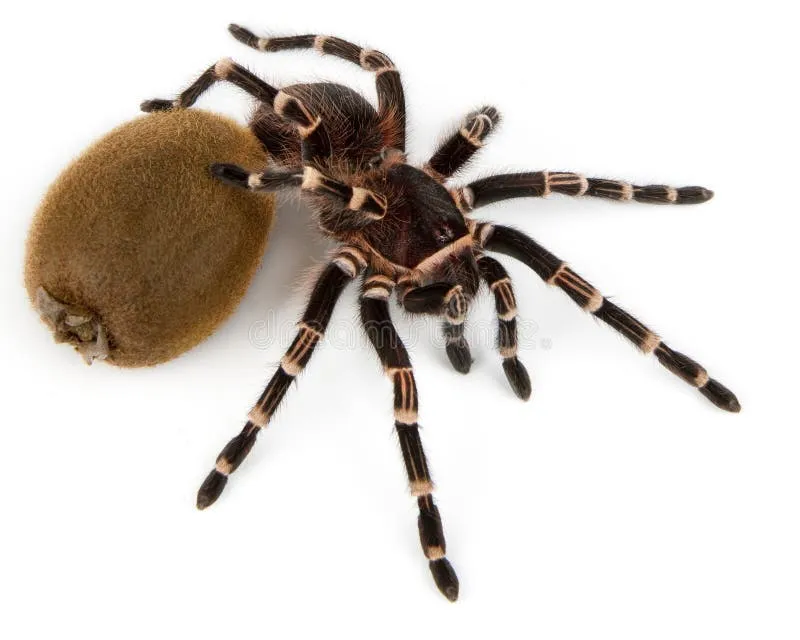
What is the Biggest Tarantula
The world of arachnids is filled with fascinating creatures, and among them, the tarantula stands out as a captivating subject. These large, hairy spiders have captured the imagination of many, and the question of which tarantula is the biggest is one that often arises. The answer, as you might suspect, isn’t as straightforward as it seems. Several species vie for the title, but one consistently takes the crown based on its sheer size and impressive characteristics. This article dives into the world of the biggest tarantula, providing amazing facts and insights into these incredible creatures. We will explore their habitats, behaviors, and what makes them so unique, with videos and images to illustrate the points.
Defining the Goliath Birdeater (Theraphosa blondi)
When discussing the biggest tarantula, the Goliath Birdeater (Theraphosa blondi) almost always comes to mind. This impressive arachnid is not only the largest tarantula in terms of weight and leg span, but it also holds the record for being one of the largest spiders in the world. Originating from the rainforests of South America, the Goliath Birdeater is a sight to behold. Its size alone makes it a remarkable creature, and its behavior and lifestyle further add to its mystique. Understanding the characteristics of this species is the first step in appreciating what makes it so significant in the arachnid world. The goliath birdeater video is a great way to visualize their greatness.
Habitat and Distribution

The Goliath Birdeater thrives in the humid, swampy environments of the rainforests in northern South America. Their habitat includes countries such as Brazil, Venezuela, Guyana, Suriname, and French Guiana. These spiders prefer to live in burrows, which they often create in the ground near swamps or marshes. The damp and warm conditions of these environments are ideal for their survival, providing them with the necessary moisture and temperature regulation. They are typically found in areas with dense vegetation, which offers both shelter and a plentiful supply of food. The goliath birdeater habitat is crucial for its survival.
Appearance and Size
The Goliath Birdeater is an imposing creature, with females typically reaching a leg span of up to 12 inches (30 cm). Males are often slightly smaller. They can weigh up to 6 ounces (170 grams), making them one of the heaviest spiders in the world. Their bodies are covered in reddish-brown hairs, which help them blend in with their surroundings. They have large fangs, which they use to inject venom into their prey. The overall appearance is one of strength and dominance, perfectly adapted to their role as apex predators in their ecosystem. Videos of the biggest tarantula often highlight these features.
Notable Features of the Goliath Birdeater
Beyond its impressive size, the Goliath Birdeater has several notable features. One is its ability to produce a hissing sound by rubbing its legs together. This is a defensive mechanism used to ward off potential predators. Another interesting aspect is their urticating hairs. These hairs are barbed and can be flicked off the spider’s abdomen as a defense. When these hairs come into contact with skin or eyes, they cause irritation. The Goliath Birdeater also has powerful chelicerae (fangs) that are used to subdue prey. These features collectively make it a formidable and fascinating species. Videos often show these features in detail.
Venom and Bite

While the Goliath Birdeater is venomous, its bite is not considered life-threatening to humans. The venom is relatively mild and typically causes symptoms similar to a bee sting, such as localized pain, redness, and swelling. However, the bite itself can be painful due to the size of the fangs and the potential for tissue damage. Additionally, the urticating hairs pose a greater threat, causing significant irritation if they come into contact with the skin or eyes. It’s always important to treat any bite from a wild animal with caution and seek medical attention if symptoms worsen. Understanding the goliath birdeater bite is important for handling or encountering them.
Are Tarantulas Dangerous to Humans
In general, tarantulas are not considered highly dangerous to humans. Their venom is usually not potent enough to cause severe harm. However, the size of the Goliath Birdeater and its potent bite can result in significant pain and discomfort. The primary danger they pose to humans comes from their defense mechanisms, such as the urticating hairs, which can cause significant skin irritation. Despite their intimidating appearance, tarantulas are generally more inclined to flee than attack. They are usually more scared of you than you are of them. Proper handling and respect for their defensive behaviors are key to avoiding any issues. Many biggest tarantula videos showcase their defensive behaviors.
Diet and Feeding Habits
The Goliath Birdeater is an opportunistic predator with a varied diet. Despite their name, they rarely eat birds. Their diet consists mainly of insects, worms, and other invertebrates. They also prey on small vertebrates, such as lizards, frogs, and occasionally, small snakes. They are ambush predators, waiting patiently in their burrows for prey to come within striking distance. Once a target is within reach, they quickly pounce and inject venom to subdue it. The spiders then use digestive enzymes to liquefy the prey, which they then suck up. Witnessing a Goliath Birdeater feed is an impressive sight, shown in various biggest tarantula videos.
What do They Eat

The diet of the Goliath Birdeater is quite diverse, mainly consisting of a range of insects, worms, and other invertebrates. They will also consume small vertebrates, including lizards, frogs, and sometimes, small snakes and rodents. The availability of food in their habitat influences their dietary preferences. Being opportunistic feeders, they will eat whatever they can catch. Their powerful fangs and venom help them to take down prey much larger than themselves, although insects and worms usually make up the majority of their food intake. A goliath birdeater video may feature their feeding habits.
Hunting Techniques
The Goliath Birdeater primarily uses ambush hunting techniques. They typically stay in their burrows, waiting for prey to pass by. They have excellent senses to detect movement and vibrations, which alerts them to the presence of potential meals. When prey comes within range, the spider quickly emerges, ambushing the unsuspecting animal. They then inject venom to paralyze their prey, making it easier to consume. The hunting success depends greatly on their patience and ability to stay hidden until the perfect moment. Observing a Goliath Birdeater hunting is fascinating and a testament to their survival skills. Many videos document the hunting techniques of the biggest tarantula.
Behavior and Lifespan
Goliath Birdeaters are generally nocturnal, meaning they are most active at night. During the day, they typically remain in their burrows. They are solitary creatures, except during mating season. They are known for their docile nature, although they will defend themselves if threatened. Their behavior is largely driven by the need to find food and avoid predators. Understanding their natural behaviors helps in appreciating their place within their ecosystem. Their lifespan is significant, with females living much longer than males. Videos often show aspects of goliath birdeater behavior.
Lifespan of Goliath Birdeaters

The lifespan of a Goliath Birdeater varies between males and females. Males typically live for only 3 to 6 years, while females can live for 12 to 25 years in the wild. This significant difference is due to the energy demands of mating. Females invest heavily in reproduction and can live much longer if they successfully reproduce and avoid predators. The lifespan of these spiders is a testament to their resilience and adaptation to their environment. Watching biggest tarantula videos also provides a sense of their long lifespans.
Goliath Birdeater in Captivity
Keeping a Goliath Birdeater in captivity is a challenging but rewarding experience for experienced arachnid enthusiasts. They require a large enclosure with appropriate substrate, temperature, and humidity to replicate their natural habitat. They need a well-balanced diet of insects, with occasional small vertebrates. Handling these spiders should be done with caution, as they can be defensive and have urticating hairs. Their size and care needs make them a commitment. Videos on goliath birdeater care provide useful information.
How to Care for a Goliath Birdeater
Caring for a Goliath Birdeater requires attention to detail. The enclosure should be spacious, typically at least 20 gallons for a juvenile and larger for an adult. The substrate should be a mix of coconut fiber, peat moss, and sphagnum moss to maintain humidity. Temperature should be kept between 75-85°F (24-29°C), and humidity levels should be around 75-85%. Provide a water dish and ensure the enclosure is cleaned regularly. Feeding should be done a few times a week, offering a variety of insects. Careful handling and observation of the spider’s behavior are essential for a healthy pet. Many videos show how to care for the biggest tarantula.
Other Giant Tarantula Species

While the Goliath Birdeater is often considered the largest, there are other giant tarantula species worth mentioning. The Theraphosa apophysis, also known as the Pinkfoot Goliath, is a close contender, with a leg span and weight comparable to the Goliath Birdeater. Other notable species include the Brazilian giant blond tarantula (Lasiodora parahybana), which can reach impressive sizes, and various other species within the Theraphosidae family. These species all highlight the diversity and size variation within the tarantula family. Exploring various giant tarantula species is an interesting topic for spider enthusiasts. Footage of them often appears in biggest tarantula videos.
Other contenders for the title
Various other tarantula species could be seen as contenders for the title of the biggest. The Theraphosa apophysis, or the Pinkfoot Goliath, often comes in close second in terms of leg span. Additionally, species like the Brazilian giant blond tarantula (Lasiodora parahybana) are also contenders due to their considerable size. The exact ranking of the biggest tarantula species can sometimes vary depending on the metrics used, such as leg span, weight, or body size. Investigating these other species provides a broader understanding of the impressive size range and variety found in the tarantula family. Comparing different tarantulas is a topic often shown in the biggest tarantula video compilations.
Conclusion - The Giant Tarantula
The Goliath Birdeater is indeed an impressive creature, a testament to the wonders of the natural world. This article only scratches the surface of their incredible traits. From their massive size and imposing appearance to their unique defensive mechanisms and fascinating behaviors, the biggest tarantula exemplifies the diversity and complexity found in the animal kingdom. Whether you are a seasoned arachnid enthusiast or a curious observer, the Goliath Birdeater and its relatives are guaranteed to capture your attention. Exploring the world of giant tarantulas can lead to a deeper appreciation for these amazing creatures and the important role they play in their ecosystems. Videos of the biggest tarantula are a great way to explore the world of arachnids.