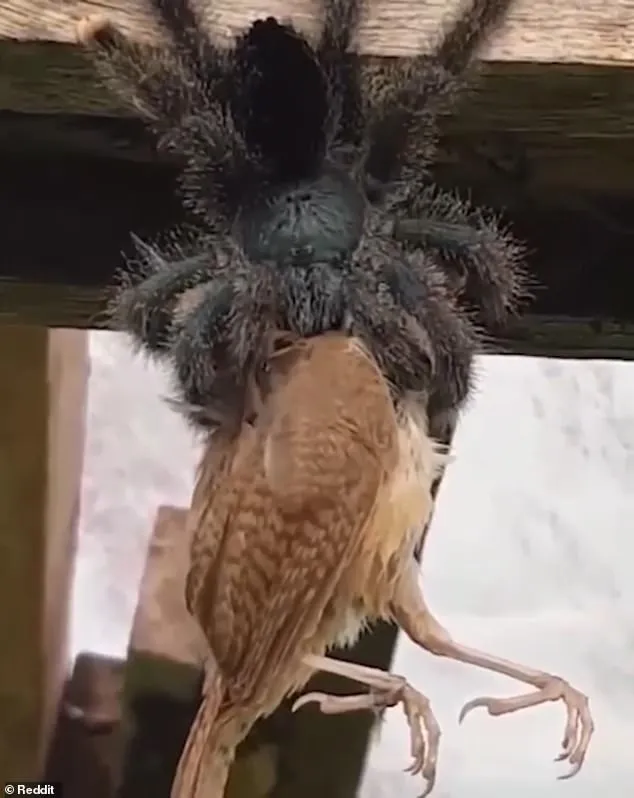
What is a Bird Eating Tarantula
Bird eating tarantulas, despite their name, are a fascinating group of spiders. They are among the largest spiders in the world, known for their impressive size and striking appearance. These spiders are part of the Theraphosidae family, which includes many other large tarantula species. The term “bird-eating” comes from early observations of these spiders consuming small birds, although their diet primarily consists of insects and other invertebrates. These creatures are a testament to the diversity and complexity of the natural world. They inhabit various ecosystems and play a vital role in their environments. Understanding these amazing arachnids offers a unique glimpse into the lives of these remarkable creatures, revealing their intricate behaviors, and the challenges they face in their habitats.
Appearance
Bird eating tarantulas are known for their impressive size and distinctive appearance. Their bodies are covered in dense hairs, which can range in color depending on the species and habitat. These hairs serve multiple purposes, including sensory perception, defense, and thermoregulation. The spiders’ overall appearance is a blend of impressive size, striking colors, and unique adaptations. These features make them both captivating and formidable predators in their ecosystems.
Size

These tarantulas are among the largest spiders in the world. Their leg spans can reach up to 12 inches or more, making them truly awe-inspiring. The females are generally larger than the males. The sheer size of these spiders is a defining characteristic, and it allows them to hunt a wider range of prey. This size contributes to their dominant role in their ecosystems.
Color
The coloration of bird-eating tarantulas varies greatly depending on the species. Some are predominantly brown or black, while others display vibrant patterns of red, orange, or yellow. These colors can serve as camouflage, helping them blend into their surroundings. The diversity in color adds to the aesthetic appeal of these creatures, making each species unique. The patterns also play a role in mating rituals and predator avoidance.
Habitat and Distribution
Bird-eating tarantulas are found in a variety of habitats, mainly in tropical and subtropical regions. They are well-adapted to their environments, where they hunt and live. These spiders play a role in their ecosystems, contributing to the balance of nature. Understanding their habitat helps to appreciate their adaptations and conservation needs.
Where They Live

These spiders typically live in burrows, under rocks, or in tree hollows. Some species construct elaborate webs, while others are more opportunistic, using natural shelters. The choice of habitat depends on the species and the availability of resources. Their ability to adapt to different environments is one of the reasons for their widespread distribution. The habitats provide protection from predators and the elements.
Geographic Range
They are native to the Americas, with some species found in South and Central America, as well as parts of North America. Their distribution is influenced by factors such as climate, vegetation, and the availability of prey. Understanding their geographic range is crucial for conservation efforts, as it helps to identify areas where these spiders are most vulnerable. Their presence in these regions highlights the biodiversity of the Americas.
Diet and Feeding Habits
Despite their name, bird-eating tarantulas have a varied diet that extends beyond birds. They are opportunistic predators, feeding on what is available in their environment. Their feeding habits are crucial for their survival and the balance of their ecosystems. Understanding their diet helps to appreciate their ecological role and the challenges they face in securing food.
What Do They Eat

Their diet primarily consists of insects, such as crickets, beetles, and grasshoppers. They also consume other invertebrates, including other spiders, and sometimes small vertebrates like lizards, rodents, and, yes, occasionally, small birds. Their diet varies based on the size of the tarantula and the availability of prey in their habitat. Their varied diet showcases their adaptability and hunting prowess.
How They Hunt
These spiders are ambush predators. They lie in wait for their prey, using their excellent senses to detect movement and vibrations. When prey comes within range, they quickly pounce, injecting venom through their fangs. The venom paralyzes the prey, allowing the tarantula to consume it. Their hunting strategy is efficient and well-suited to their lifestyle. Their stealth and precision are key to their survival.
Bird Eating Tarantula Behavior
Bird-eating tarantulas exhibit interesting behaviors that are essential to their survival and reproduction. These behaviors include defense mechanisms, mating rituals, and interactions with their environment. Understanding their behavior gives insight into their lives and challenges. Their behavior patterns show the complexity and adaptability of these spiders.
Defensive Mechanisms

When threatened, bird-eating tarantulas have several defensive mechanisms. They can flick urticating hairs from their abdomen, which irritate potential predators. They also possess large fangs and can bite if provoked. Some species may also make a hissing sound to deter threats. These defense strategies are crucial for survival, helping them ward off predators and protect themselves.
Lifespan
Bird-eating tarantulas can live for a considerable amount of time. Females can live for up to 25 years or more in captivity, while males typically have a shorter lifespan, often only a few years. Their longevity is a testament to their robust nature and adaptation to their environments. Understanding their life cycle is vital for their conservation and care.
Conservation Status
The conservation status of bird-eating tarantulas varies depending on the species and their geographic location. Some species are relatively common, while others face threats due to habitat loss, the pet trade, and climate change. Conservation efforts are essential to protect these fascinating creatures and ensure their survival. These efforts include habitat preservation, responsible pet ownership, and monitoring of populations.