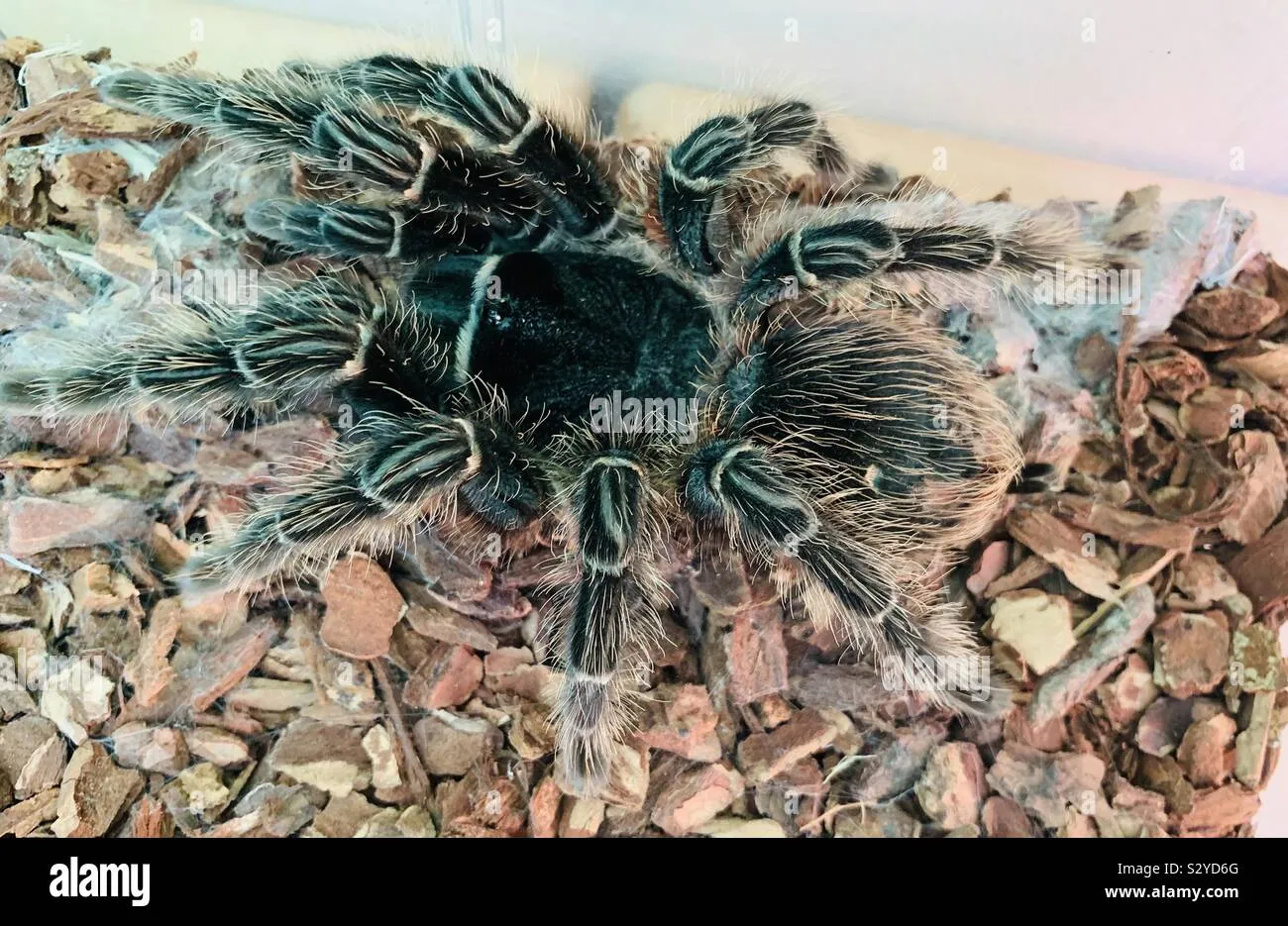
What is a Bird-Eating Tarantula
The bird-eating tarantula, scientifically known as Theraphosa blondi, is a fascinating creature that sparks both curiosity and apprehension. Despite its name, this spider rarely consumes birds. The moniker arose from an early engraving depicting one feeding on a hummingbird. However, the name stuck, and it continues to capture the imagination of many. These spiders are among the largest in the world, boasting impressive size and weight. They are native to the rainforests of South America, where they play a vital role in the ecosystem. Understanding the bird-eating tarantula involves dispelling myths and appreciating its unique characteristics. These spiders are not aggressive by nature but will defend themselves if threatened. Their impressive size and appearance, combined with their intriguing behaviors, make them a subject of great interest for both scientists and enthusiasts.
Bird-Eating Tarantula Size and Appearance
One of the most striking features of the bird-eating tarantula is its sheer size. With a leg span that can reach up to 12 inches or more, these spiders are truly impressive. Their bodies alone can measure several inches in length, making them one of the largest spider species on Earth. Their appearance is also notable. They are typically covered in reddish-brown hairs, providing excellent camouflage in their natural habitat. Their fangs, while not typically used on birds, are quite large and capable of delivering a potent bite if provoked. The overall impression is one of a powerful and formidable creature, well-adapted to its environment. Understanding their size and appearance is crucial to appreciating these arachnids.
Identifying a Bird-Eating Tarantula

Identifying a bird-eating tarantula can be done by several key characteristics. The most obvious is their size. If you encounter a spider with a leg span exceeding 10 inches, you’re likely looking at a bird-eating tarantula. Their coloration, a mix of reddish-brown and dark hues, is another indicator. However, since several tarantula species share similar traits, it’s important to consider their origin. Bird-eating tarantulas are native to South America. Look for the presence of urticating hairs, which they can flick off their abdomen as a defense mechanism. These hairs can cause significant irritation to human skin and eyes. While their fangs are large, their primary means of defense involves these hairs and a defensive posture rather than aggressive biting unless directly threatened.
Bird-Eating Tarantula Habitat and Distribution
Bird-eating tarantulas are primarily found in the rainforests of South America. Their distribution spans countries such as Brazil, Venezuela, Guyana, Suriname, and French Guiana. These spiders thrive in humid, tropical environments. They prefer to live in burrows they construct in the ground, often near water sources. These burrows offer protection from predators and the harsh elements of their habitat. They also venture out to hunt for food. Their range is limited to areas with suitable climatic conditions and an abundance of prey. The survival of this species is closely tied to the preservation of these rainforest ecosystems. Habitat loss due to deforestation and other human activities poses a significant threat to their long-term survival, highlighting the importance of conservation efforts.
Where Bird-Eating Tarantulas Live
Bird-eating tarantulas are terrestrial creatures, meaning they spend most of their lives on the ground. They build their burrows in the soil, often under the cover of roots, rocks, or leaf litter. These burrows are usually quite deep, providing protection from predators and regulating temperature and humidity. They favor areas with high humidity, which is crucial for their survival, as it prevents them from drying out. You might find them in the undergrowth of the rainforest, near streams or other water sources. They are solitary creatures, preferring to live alone except during mating season. Their burrows are their homes, where they spend most of their time, venturing out to hunt and explore their surroundings.
Bird-Eating Tarantula Diet

Despite the name, the diet of a bird-eating tarantula is quite varied, and birds are not a primary food source. Their diet consists mainly of insects, such as crickets, beetles, and other invertebrates. They also consume larger prey, including small lizards, frogs, and rodents. They are opportunistic hunters, ambushing their prey from their burrows. They use their powerful fangs to inject venom, which paralyzes their victims. The venom also begins the process of digestion, breaking down the prey’s tissues. They then consume the resulting liquid, leaving behind the exoskeleton. A bird-eating tarantula’s diet reflects its habitat and the availability of prey. They are crucial predators in their ecosystems, helping to control the populations of various animals.
What Do They Eat
Bird-eating tarantulas are carnivores, with their diet primarily consisting of insects and other invertebrates. They will eat a wide variety of prey, depending on what is available in their habitat. This can include crickets, mealworms, cockroaches, and other insects. They also consume larger prey, like small rodents, lizards, and frogs. Although the name suggests otherwise, birds are rarely, if ever, on the menu. They ambush their prey and inject venom to immobilize them. The venom also begins the digestive process, allowing the spider to consume the nutrient-rich fluids. They are highly adaptable eaters, taking advantage of whatever prey is most readily available in their environment.
How They Hunt
Bird-eating tarantulas are ambush predators, meaning they wait for their prey to come within striking distance. They often sit at the entrance of their burrows, sensing vibrations in the ground or air that indicate the presence of potential prey. Once a suitable target is identified, they quickly lunge out, using their large fangs to inject venom. The venom paralyzes the prey, making it easy for the spider to handle. They also have the ability to use urticating hairs as a defense mechanism. These hairs can be flicked off their abdomen and into the face or eyes of a predator, causing irritation. Hunting is a crucial part of their survival, and their behavior is perfectly adapted to the rainforest environment where they live.
Bird-Eating Tarantula Behavior

Bird-eating tarantulas are generally nocturnal creatures, being most active during the night. They are solitary animals, except during the mating season. When threatened, they may exhibit a defensive posture, rearing up on their hind legs and displaying their fangs. They can also release urticating hairs as a defense mechanism. Despite their intimidating appearance, they are not typically aggressive unless provoked. They spend most of their time in their burrows, waiting for prey or hiding from potential predators. They are relatively sedentary, conserving energy. Their behavior is adapted to their habitat and their role as apex predators. Understanding their behavior helps appreciate their adaptations for survival.
Are Bird-Eating Tarantulas Dangerous
While bird-eating tarantulas have a fearsome reputation, they are not inherently dangerous to humans. Their bite can be painful, but the venom is generally not considered lethal. The greatest risk comes from the urticating hairs, which can cause skin irritation and, if inhaled, respiratory issues. Handling them should be done with caution. Avoid provoking the spider, as this increases the likelihood of a defensive reaction. It is important to note that the venom of these spiders can cause allergic reactions in some individuals, and medical attention should be sought in such cases. Proper handling techniques and respect for their natural behavior are crucial for minimizing the risk of injury.
Do Bird-Eating Tarantulas Eat Birds
The name ‘bird-eating tarantula’ is a misnomer. While they are capable of preying on small birds, it is not a common occurrence. Their diet consists primarily of insects, small mammals, and amphibians. They are opportunistic predators, so they will consume whatever prey is available. The ‘bird-eating’ aspect of their name likely originated from an early engraving that depicted a tarantula feeding on a hummingbird. This depiction, although unusual, solidified the name. In their natural habitat, birds are generally too agile to be a regular part of their diet. The majority of a bird-eating tarantula’s meals will come from insects and other small animals found on the rainforest floor.
Conclusion

The bird-eating tarantula is a remarkable creature, demonstrating the fascinating diversity of the natural world. Despite their intimidating appearance, they are generally docile spiders that play a crucial role in their ecosystem. Learning about their habitat, diet, and behavior helps us appreciate their unique adaptations for survival. Understanding these spiders dispels myths and promotes a greater respect for all life forms. Conservation efforts are essential to protect their rainforest habitats. By understanding and appreciating bird-eating tarantulas, we can contribute to preserving biodiversity for future generations.