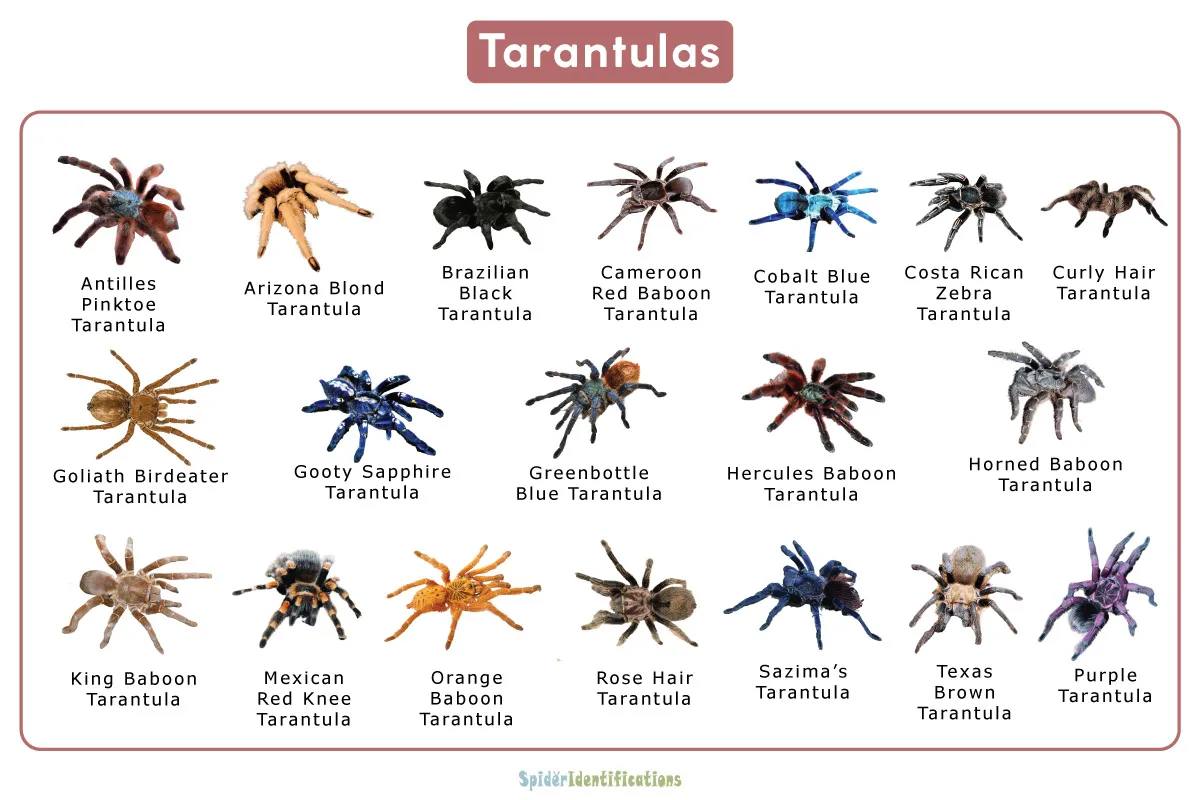
What is a Birdeater Tarantula?
Birdeater tarantulas, belonging to the Theraphosidae family, are among the largest and most impressive spiders in the world. These formidable arachnids are native to the rainforests of South America, where they command attention with their size, striking appearance, and fascinating behaviors. Despite their name, which might suggest a diet solely consisting of birds, their feeding habits are much more diverse. These spiders are popular among enthusiasts, and are known for their impressive size and unique characteristics. Their care requirements can be surprisingly straightforward, making them an intriguing choice for experienced pet owners. This comprehensive guide will delve into the captivating world of birdeater tarantulas, exploring their characteristics, habitats, care requirements, and some amazing facts.
Size and Appearance
Birdeater tarantulas are giants in the spider world, with some species boasting leg spans that can exceed 10 inches (25 cm). Their bodies, often covered in dense hairs, can range in color from deep browns and blacks to vibrant hues of orange and red. The size of these spiders is truly remarkable; their impressive bulk gives them a commanding presence in their natural habitats. Their powerful legs and large fangs reflect their predatory lifestyle. The visual impact of a fully grown birdeater tarantula is a sight to behold. The sheer size and robust appearance are what initially attract many people to these fascinating creatures.
Where Do They Live?

These tarantulas are primarily found in the tropical rainforests of South America. They thrive in warm, humid environments, where they create burrows or utilize existing shelters like hollow logs and rock crevices. The specific habitat varies among different species, some prefer terrestrial lives, while others may be found higher up in trees. The rainforest environment provides the perfect conditions for these spiders to thrive, offering a plentiful supply of insects, their main food source. Understanding their natural habitat is important for the proper care of birdeater tarantulas in captivity.
Diet and Feeding Habits
Despite their intimidating name, birdeater tarantulas aren’t always feasting on birds. While they are opportunistic predators and will consume small birds if the opportunity arises, their diet mainly consists of insects. Crickets, roaches, and mealworms are common choices in captivity. They also feed on larger prey such as small lizards and rodents. Their powerful fangs and potent venom help them subdue their prey quickly. The frequency of feeding depends on the tarantula’s size and growth stage, with juveniles requiring more frequent meals than adults.
Birdeater Tarantula Facts
Fact 1 Size

As mentioned earlier, birdeater tarantulas are massive. Some species can have leg spans of over 10 inches, making them some of the largest spiders in the world. This impressive size contributes to their status as a favorite among spider enthusiasts.
Fact 2 The Biggest Spider
The Goliath birdeater (Theraphosa blondi) is often cited as the largest spider species by mass and leg span. They can weigh over 6 ounces (170 grams) and have leg spans exceeding 12 inches (30 cm). These giants showcase the ultimate size and power of birdeater tarantulas, truly remarkable creatures.
Fact 3 They Can Eat Birds
Although not their primary diet, birdeater tarantulas are capable of preying on small birds. This behavior gives rise to their dramatic name. In the wild, they are opportunistic hunters and will consume any prey they can overpower.
Fact 4 Lifespan

Female birdeater tarantulas can live for an astonishingly long time, often exceeding 20 years in captivity. Males have shorter lifespans, typically living only a few years after reaching maturity. Their longevity makes them a long-term commitment for pet owners.
Fact 5 Defensive Mechanisms
Birdeater tarantulas have several defensive mechanisms. They may flick urticating hairs from their abdomen, which can cause skin and eye irritation. They also have powerful fangs and can bite if threatened. Their defense system makes them fascinating creatures but also necessitates that you handle them with care.
Fact 6 Breeding Habits
Breeding birdeater tarantulas in captivity can be challenging, but it is possible. Females lay eggs in a silken egg sac, which they guard until the spiderlings hatch. The process requires specific environmental conditions and expertise, making it a rewarding endeavor for dedicated breeders.
Fact 7 Popular Species

Several species are particularly popular among hobbyists. The Goliath birdeater (Theraphosa blondi), the Pinkfoot goliath (Theraphosa apophysis), and the Burgundy birdeater (Grammostola pulchra) are a few of the most sought-after species. The variety in size, color, and temperament makes them attractive pets for experienced owners.
Caring for Birdeater Tarantulas
Choosing a Birdeater Tarantula
When choosing a birdeater tarantula, it is essential to research different species and their specific care requirements. Consider the size, temperament, and venom potency of each species. Purchasing from a reputable breeder or pet store is also crucial to ensure that you are getting a healthy spider. Furthermore, consider your personal comfort level with these spiders and select a species that aligns with your experience.
Habitat and Enclosure

A suitable enclosure is vital for the well-being of a birdeater tarantula. A glass terrarium or a plastic enclosure with adequate ventilation is ideal. The size of the enclosure should be appropriate for the size of the spider; larger spiders require more space. Substrate should consist of a mixture of soil, peat moss, and vermiculite to maintain humidity. Decorate the enclosure with hides like cork bark or artificial plants to provide security. Maintaining the correct temperature and humidity levels is also critical.
Feeding and Hydration
Feeding birdeater tarantulas typically involves providing them with a diet of insects such as crickets, roaches, and mealworms. The frequency of feeding depends on the spider’s age and size; juveniles need more frequent meals than adults. Always remove uneaten prey to prevent stress and potential injury to the spider. Provide a shallow water dish with fresh water at all times for hydration. The water should be available to maintain a healthy and thriving environment.
Handling and Safety
Handling a birdeater tarantula is generally not recommended, as they can be unpredictable and may bite or flick urticating hairs. If handling is necessary, do so with extreme caution and only if you are experienced. Always wash your hands thoroughly before and after handling the spider. Be aware of the potential for an allergic reaction to the urticating hairs, which can cause skin irritation and respiratory problems. Handle them with respect and caution.
Conclusion

Birdeater tarantulas are amazing creatures that captivate with their impressive size and exotic appearance. These spiders offer a unique opportunity for experienced enthusiasts to care for a truly remarkable species. Remember to research each species’ specific requirements and prioritize their well-being through proper habitat, feeding, and handling practices. If you’re seeking an exciting and rewarding challenge, a birdeater tarantula might be the perfect addition to your collection.