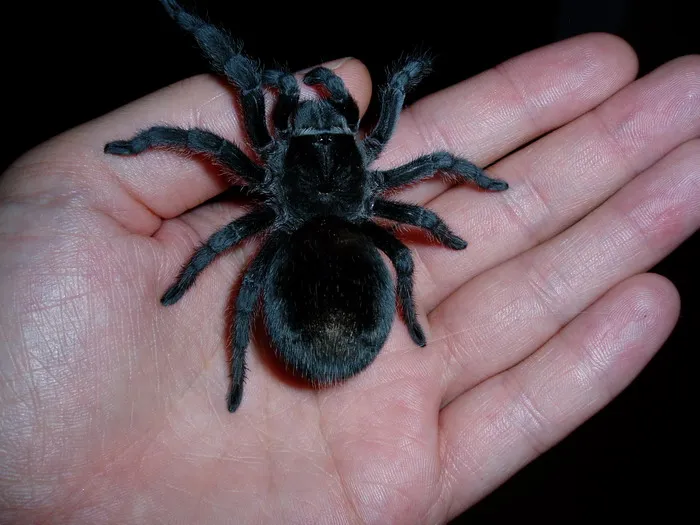
What is a Brazilian Black Tarantula (Grammostola pulchra)
The Brazilian Black Tarantula (Grammostola pulchra), a captivating species in the arachnid world, is a sought-after pet due to its docile nature and striking appearance. Originating from the grasslands and tropical forests of Southern Brazil, this tarantula has gained popularity among enthusiasts for its manageable size and relatively easy care requirements. Known for its all-black coloration, the Brazilian Black Tarantula presents a sleek and elegant aesthetic, making it a favorite for both novice and experienced keepers. Understanding the basics of this species is essential for anyone considering bringing one home or simply curious about these fascinating creatures. This guide provides a comprehensive overview of the Brazilian Black Tarantula, covering its characteristics, habitat, behavior, and care.
Appearance and Physical Characteristics
The Brazilian Black Tarantula is aptly named, boasting a velvety black coloration across its entire body, including the carapace, legs, and abdomen. This uniform hue gives it a polished appearance, distinguishing it from other tarantula species. The body of the Brazilian Black Tarantula is covered in fine hairs, which contribute to its tactile sensitivity and ability to detect vibrations. When fully grown, the tarantula’s legs have a notable span, adding to its impressive size. This species exhibits sexual dimorphism, though it may not be immediately apparent. Males tend to be slightly smaller than females and possess smaller bodies. The pedipalps, located near the mouth, are also used for sensing the environment and manipulating food. Their overall aesthetic makes them a striking centerpiece for any tarantula collection, evoking both fascination and respect.
Size and Lifespan

Brazilian Black Tarantulas reach a moderate size compared to some other tarantula species, with females typically growing larger than males. The leg span of a mature female can reach up to 6-7 inches, making them a substantial presence. The lifespan of this species is also noteworthy. Females can live for an impressive 15 to 20 years or even longer under optimal conditions, which is a significant commitment for any pet owner. Males, on the other hand, have a shorter lifespan, typically living for 5 to 8 years, as they tend to die shortly after mating. The size and lifespan are important factors to consider when deciding to keep a Brazilian Black Tarantula, requiring a long-term dedication to care and maintenance. The gradual growth of these spiders is part of the appeal for many owners who enjoy watching the tarantula mature over several years. Their long lifespan makes them a constant companion for many years to come.
Habitat and Native Range
Natural Environment
In the wild, Brazilian Black Tarantulas inhabit the warm, humid environments of Southern Brazil. They thrive in grasslands, scrublands, and tropical forests, where they create burrows or utilize natural shelters like crevices and under rocks. These habitats provide the necessary humidity and temperature gradients for their survival. The natural environment consists of dense vegetation and loose soil that aids in burrowing. They prefer a terrestrial lifestyle, spending most of their time on the ground. The microclimates within their habitats are critical, providing the tarantula with the conditions it needs for molting and overall health. Understanding their natural environment is essential for replicating it in a captive setting and ensuring the tarantula’s well-being. The tarantula often stays hidden in these habitats to avoid predators and ambush their prey.
Geographical Distribution

The geographical distribution of the Brazilian Black Tarantula is primarily limited to Southern Brazil. They are most commonly found in the states of Rio Grande do Sul, Santa Catarina, and Paraná. Within these regions, they occupy a variety of habitats, from open grasslands to more forested areas. Their specific distribution reflects their adaptation to local climatic conditions, which is reflected in their needs in a captive environment. The availability of prey and suitable burrowing locations also influences their distribution. Although they are native to a relatively small region, their presence provides a unique ecosystem element. Conservation efforts are focused on understanding their range and ensuring the preservation of their natural habitats, which faces threats from agriculture and habitat destruction. Knowing their location helps identify the types of conditions they’re used to, helping with their care.
Behavior and Temperament
Common Behaviors
Brazilian Black Tarantulas are generally known for their docile temperament, making them a popular choice for tarantula keepers. They are relatively calm spiders, and rarely display aggression unless provoked. They are typically slow-moving, spending much of their time hiding in their burrows or retreats. When they are active, they can be seen foraging for food, exploring their enclosure, or simply resting. One common behavior is their digging instinct, which leads them to create intricate burrows in the substrate of their enclosures. They also exhibit molting behavior, where they shed their exoskeleton to grow. During this process, they are particularly vulnerable, so it is important to avoid disturbing them. Their nocturnal habits mean they are most active during the night. Understanding these behaviors helps in providing the right environment and care.
Defensive Mechanisms

While Brazilian Black Tarantulas are not aggressive, they do have defensive mechanisms. Their primary defense is to flee and retreat into their burrow. If they feel threatened and cannot escape, they may raise their front legs and display a threat posture. They do not have urticating hairs, unlike many New World tarantulas, meaning they do not flick off irritating hairs. Their bite is not considered medically significant to humans, but it can be painful. They are more likely to bite if they are mishandled or feel cornered. Their defensive behavior is a sign that they are stressed or feel unsafe. Being aware of these mechanisms helps in handling them safely. Approaching a tarantula calmly and slowly usually prevents it from feeling the need to defend itself. It is best to handle them when necessary and avoid unnecessary disturbance.
Diet and Feeding Habits
Feeding Frequency
The feeding habits of Brazilian Black Tarantulas are straightforward. Young tarantulas should be fed more frequently, typically every 3-5 days, to support their rapid growth. Adult tarantulas can be fed less frequently, perhaps once or twice a week. Overfeeding can lead to health issues, so it is important to monitor their abdomen size and adjust feeding accordingly. The tarantula’s appetite may also vary depending on the season and its molting cycle. Before a molt, they usually stop eating. The frequency also depends on the size and age of the tarantula. When the tarantula consumes its meal, it leaves behind a small amount of the prey, so the enclosure does not become messy. Proper feeding practices contribute to the overall health and longevity of the tarantula.
Suitable Prey

Brazilian Black Tarantulas are carnivores, primarily feeding on insects in the wild. In captivity, a variety of readily available feeder insects can be used. Crickets, mealworms, and dubia roaches are popular choices, providing a balanced diet. It is crucial to feed the tarantula with prey that is appropriately sized. For smaller tarantulas, small crickets or mealworms are best, while larger individuals can handle larger prey items. Variety is important. The prey should be gut-loaded, meaning they are fed nutritious food prior to being fed to the tarantula. This provides the tarantula with additional vitamins and minerals. Avoid feeding wild-caught insects, as they may contain parasites or pesticides. Fresh water should be provided at all times.
Care and Captive Environment
Housing Requirements
Creating the right captive environment is essential for the health and well-being of a Brazilian Black Tarantula. A secure and well-ventilated enclosure is necessary, and the size should match the size of the tarantula. A good rule of thumb is to provide an enclosure that is at least three times the tarantula’s leg span. The enclosure needs substrate to allow burrowing, such as a mixture of peat moss, coco fiber, and vermiculite. A water dish must be provided to ensure the tarantula can stay hydrated. Hiding places, like cork bark or artificial plants, provide security and comfort. The enclosure should be kept clean, removing any uneaten prey or waste to prevent mold growth. The setup should mirror the natural environment of the tarantula as closely as possible. Careful attention to these housing requirements creates a comfortable and stimulating environment.
Temperature and Humidity

Maintaining the correct temperature and humidity levels is critical for the health of your Brazilian Black Tarantula. The ideal temperature range is between 75°F and 85°F (24°C to 29°C). Supplemental heat is rarely required, but a heat mat placed on the side of the enclosure can be used if the room temperature is consistently low. Humidity should be kept between 60% and 70%. This can be achieved by misting the enclosure with water a few times a week and ensuring there is adequate ventilation to prevent mold growth. A hygrometer is useful for monitoring the humidity levels. The substrate also helps to maintain the humidity. Proper temperature and humidity conditions aid the tarantula in molting and also promote healthy growth. Regularly check and adjust these parameters to provide an optimal environment.
Conclusion
The Brazilian Black Tarantula is a remarkable species that brings fascination and enjoyment to its keepers. Its striking appearance, docile temperament, and manageable care requirements make it an excellent choice for both novice and experienced tarantula enthusiasts. By understanding its needs and providing a suitable environment, you can ensure that your Brazilian Black Tarantula thrives and lives a long, healthy life. From its burrowing habits to its dietary preferences, every aspect contributes to its unique character. As you learn and grow in your understanding of this amazing creature, you will find the rewards of tarantula keeping to be both fascinating and rewarding. The commitment to their well-being brings satisfaction and fosters a greater appreciation for the wonders of the natural world, one black tarantula at a time.