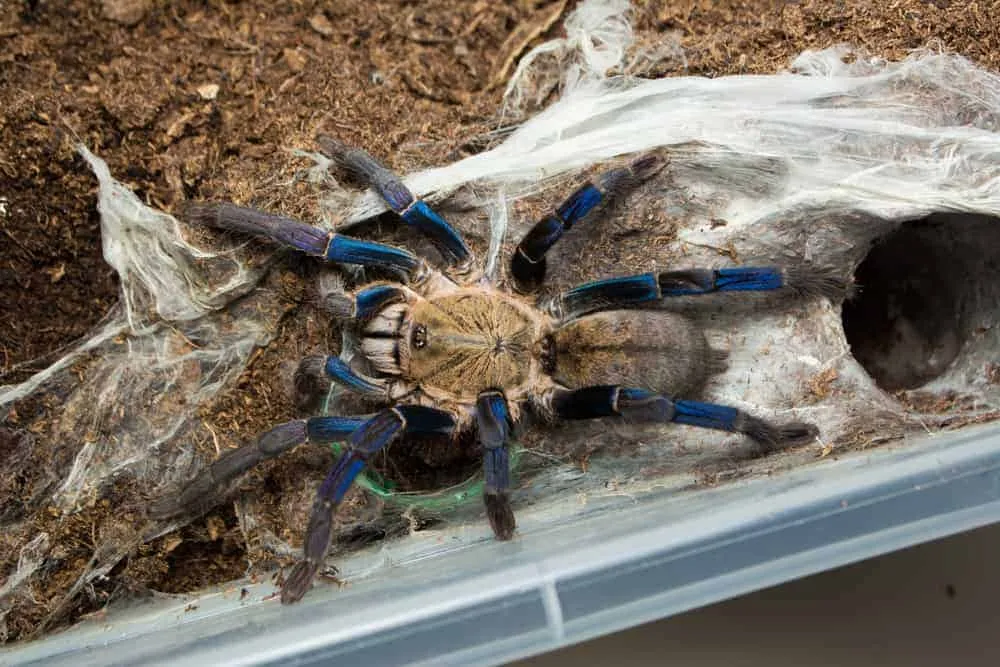
What is a Blue Cobalt Tarantula?
The Blue Cobalt Tarantula, scientifically known as Cyriopagopus lividus, is a striking and captivating species native to the tropical forests of Myanmar and Thailand. Renowned for its vibrant blue coloration, particularly on its legs, the Blue Cobalt Tarantula is a popular choice among arachnid enthusiasts. These spiders are terrestrial, meaning they primarily live on the ground, and are known for their relatively fast growth rate and impressive size. However, while visually stunning, they are also known for their defensive nature, which makes understanding their habitat and proper care crucial for successful keeping. Their beauty and unique characteristics make them a fascinating subject for both observation and responsible pet ownership. The term “Cobalt” refers to the vibrant blue coloration, making it a very fitting name for these arachnids.
Appearance of Blue Cobalt Tarantula
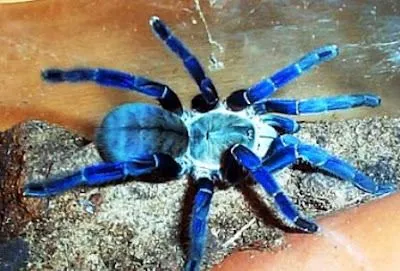
The most distinguishing feature of the Blue Cobalt Tarantula is undoubtedly its coloration. Juveniles often start with a more muted color, gradually developing the characteristic cobalt blue hue as they mature. This blue coloration is most prominent on the legs, with the carapace and abdomen typically displaying shades of bronze, brown, or grey. The contrast between the vibrant blue legs and the darker body creates a visually stunning effect. The size of the Blue Cobalt Tarantula can vary, with females generally growing larger than males. Adult females can reach a leg span of up to 5-6 inches, while males are usually slightly smaller. Their overall appearance is a testament to the diversity and beauty found within the tarantula family, making them a sought-after species for those who appreciate the intricacies of the natural world and who can provide the necessary care.
Habitat Requirements

Creating the right habitat is essential for the health and well-being of a Blue Cobalt Tarantula. These spiders thrive in a warm, humid environment that mimics their natural tropical habitat. Providing the correct conditions can significantly impact their activity levels, feeding habits, and overall lifespan. There are several key aspects to consider when setting up a Blue Cobalt Tarantula habitat including temperature, humidity, substrate, and enclosure size, all of which contribute to their survival in captivity. A properly designed habitat not only supports the spider’s physical needs, but also provides a stimulating environment that encourages natural behaviors. Remember that in the wild, they are burrowing tarantulas, so the habitat should reflect this.
Temperature and Humidity
Maintaining the correct temperature and humidity levels is paramount. The ideal temperature range for a Blue Cobalt Tarantula habitat is between 75-85°F (24-29°C). Consistent temperature is crucial to avoid stress. Humidity should be kept at around 70-80%. Monitoring these levels using a thermometer and hygrometer is recommended. You can achieve this humidity level by misting the enclosure regularly and using a substrate that retains moisture. Good ventilation is also essential to prevent mold and mildew growth. Overly humid environments can be as detrimental as environments that are too dry, so balance is key. Regular monitoring and adjustments are critical to provide a stable environment.
Substrate and Furnishings
The substrate and furnishings within the enclosure play an important role in the spider’s well-being. A good substrate should retain moisture, allow for burrowing, and provide a natural feel. A mixture of coco fiber, peat moss, and vermiculite is a popular choice. The substrate should be deep enough, at least 4-6 inches, to allow the tarantula to burrow. Providing hiding places is crucial. This can be achieved through the use of cork bark, artificial plants, or even a small, sturdy hide. The hide allows the tarantula to feel secure and retreat when it is stressed or molting. The substrate should be regularly spot-cleaned to remove any uneaten food or waste. Remember, Blue Cobalt Tarantulas are burrowers, and this behavior is vital to their health.
Enclosure Size

The size of the enclosure should be appropriate for the size of the tarantula. A juvenile Blue Cobalt Tarantula can start in a smaller enclosure, such as a 5-gallon tank. As they grow, they will require a larger enclosure. An adult Blue Cobalt Tarantula will need a 10-20 gallon tank, depending on the size of the individual. The enclosure should be taller than it is wide, as this species is terrestrial and not a climber. Make sure the enclosure has a secure lid to prevent escapes. Proper ventilation is a must, as well. The enclosure should be designed to provide the tarantula with enough space to move around, hunt, and feel secure.
Feeding and Water
Providing proper nutrition and hydration is a fundamental aspect of Blue Cobalt Tarantula care. These spiders are carnivores, primarily feeding on insects. The diet should consist of appropriately sized insects, such as crickets, roaches, and mealworms. The size of the prey should be no larger than the tarantula’s body. Feeding frequency depends on the tarantula’s age and size. Juveniles should be fed more frequently, usually 2-3 times a week, while adults can be fed once a week or every other week. Always remove any uneaten prey after 24 hours. A shallow water dish should be available at all times. This allows the tarantula to drink and maintain hydration. The water should be clean and fresh, and the dish should be checked and refilled regularly. Poor eating habits or lack of water may indicate that there is something wrong in the habitat, such as a temperature or humidity imbalance.
Blue Cobalt Tarantula Behavior
Understanding the behavior of Blue Cobalt Tarantulas is crucial for responsible pet ownership. These spiders are generally defensive and can be skittish, especially when they are young. They may display a threat posture if they feel threatened, which involves raising their front legs and fangs. They can also flick urticating hairs from their abdomen as a defense mechanism, causing irritation to the skin. Proper handling practices and understanding their temperament can help minimize stress for both the spider and the keeper. It is important to allow the spider to acclimate to its environment and handle it only when necessary. With patience and observation, it’s possible to build a good relationship with your pet, but always respect its space and natural instincts.
Understanding the Temperament
Blue Cobalt Tarantulas are known for being defensive. They are not generally considered a species that enjoys handling. When feeling threatened, they can display a threat posture, which involves raising their front legs and fangs. Some individuals are more docile than others, but it is always best to approach these spiders with caution and respect. Understanding their temperament and recognizing the signs of stress can prevent bites and promote a positive experience for both the tarantula and the keeper. Never attempt to force interaction with a spider that appears stressed or defensive. It is important to observe their behavior closely to learn to anticipate their reactions and respond accordingly.
How to Handle
Handling a Blue Cobalt Tarantula is generally not recommended. However, if it is necessary, it should be done with utmost care and caution. It is best to handle them in a controlled environment, such as close to the enclosure or over a soft surface. Always approach the spider calmly and avoid sudden movements. Use a soft brush or cup to gently guide the spider. Never grab or try to force the spider to move. If the spider displays a threat posture, back off and allow it to calm down. Always wash your hands thoroughly before and after handling the spider. Even if a bite is avoided, handling can still be stressful for the tarantula. Keep handling to a minimum to reduce stress and promote the spider’s well-being. Consider the spider’s best interests, and prioritize its comfort.
Health and Lifespan
Maintaining the health of a Blue Cobalt Tarantula involves several key considerations. A properly maintained habitat, proper nutrition, and regular observation are essential for a long and healthy life. Regular monitoring for signs of illness, such as lethargy, loss of appetite, or unusual behavior, is important. Being proactive and addressing any issues quickly is key. Understanding the lifespan of this species is also important when making your decision to own one. These tarantulas have specific health needs that must be taken care of to increase the chances of a long and healthy life. A healthy Blue Cobalt Tarantula is a happy Blue Cobalt Tarantula!
Common Health Issues

Like all living creatures, Blue Cobalt Tarantulas are susceptible to health issues. Common health problems include mites, which can infest the tarantula and its enclosure, leading to discomfort and potential health issues. Respiratory infections can occur if the humidity is too high or the ventilation is poor. Parasites can also be a concern, especially if the tarantula consumes contaminated prey. Recognizing the signs of illness is the first step in addressing any health problems. If you notice any unusual behavior, such as lethargy, loss of appetite, or difficulty moving, it is important to consult with a veterinarian or experienced tarantula keeper. Early intervention can often prevent minor issues from escalating into more serious problems.
Lifespan of Blue Cobalt Tarantulas
The lifespan of a Blue Cobalt Tarantula varies depending on the sex. Females generally live longer than males. Female Blue Cobalt Tarantulas can live for 10-12 years or longer with proper care. Males typically have a shorter lifespan, around 3-5 years, as their primary role is to reproduce. Providing the best possible care, including a suitable habitat, proper nutrition, and regular observation, can help maximize the lifespan of your Blue Cobalt Tarantula. It’s important to be aware of the lifespan when making the decision to own one of these beautiful creatures. Their long lifespans can be a very rewarding experience. Their lives can be greatly enhanced with the right care.
Caring for Blue Cobalt Tarantulas
Caring for a Blue Cobalt Tarantula involves a commitment to providing the best possible environment and care. This includes regularly monitoring and maintaining the habitat, providing a nutritious diet, and observing their behavior. Routine tasks include feeding, watering, and spot-cleaning the enclosure. Regular inspection of the spider for any signs of illness or stress is also necessary. Knowledge and understanding of the spider’s needs are crucial. Proper care ensures that the spider will thrive. The more you learn about these creatures, the more rewarding the experience will be. Providing a proper habitat is only the first step.
Regular Maintenance

Regular maintenance is essential to maintaining a healthy habitat. Spot-cleaning the enclosure is important to remove uneaten food and waste, which can attract mites or bacteria. The substrate should be checked regularly and replaced as needed. The water dish should be cleaned and refilled with fresh water daily. Monitoring the temperature and humidity levels and making any necessary adjustments is crucial. Regular observation of the tarantula’s behavior is also important. Keeping up with these tasks will help to ensure the health and well-being of the spider, as well as create a more enjoyable experience for the keeper. Create a schedule for your Blue Cobalt Tarantula and stick to it.
Ensuring a Thriving Habitat
Ensuring a thriving habitat for a Blue Cobalt Tarantula involves providing the right conditions. This includes maintaining the proper temperature and humidity, providing a suitable substrate, and providing ample hiding places. Regular maintenance, including spot-cleaning and water changes, is also important. Offering a varied diet of appropriately sized insects is essential for their health and well-being. Regular observation of the spider’s behavior can help you catch any potential issues early. With dedication and care, you can create a flourishing environment where your Blue Cobalt Tarantula can thrive. A thriving Blue Cobalt Tarantula is a happy one.