Blue Tarantula Sarawak Top 5 Facts!
The Blue Tarantula, a captivating arachnid found in the lush rainforests of Sarawak, Malaysia, has captured the attention of both scientists and nature enthusiasts alike. Its striking blue coloration, combined with its relatively elusive nature, makes it a fascinating subject of study. This article delves into the top 5 facts about this unique species, providing insights into its appearance, habitat, behavior, and conservation status. From its vibrant hues to its specific dietary preferences, we will explore the key characteristics that make the Blue Tarantula of Sarawak a truly remarkable creature. Understanding these facts is crucial for appreciating the beauty and importance of this species, and for supporting efforts to protect its fragile ecosystem.
What is the Blue Tarantula Sarawak?
The Blue Tarantula of Sarawak, scientifically known as Cyriopagopus sp., is a species of tarantula native to the Malaysian state of Sarawak, located on the island of Borneo. It is distinguished by its vivid blue coloration, which varies in intensity depending on the individual spider and its stage of life. This tarantula belongs to the family Theraphosidae, which encompasses a wide variety of tarantula species found around the world. The Blue Tarantula is known for its relatively large size, with females often growing larger than males. Its presence in the rainforest ecosystem plays an important role, particularly in controlling insect populations. The species’ unique coloration and relatively restricted habitat make it a highly sought-after species among arachnid enthusiasts and researchers, but also underscore the importance of conserving its natural environment.
Appearance and Characteristics

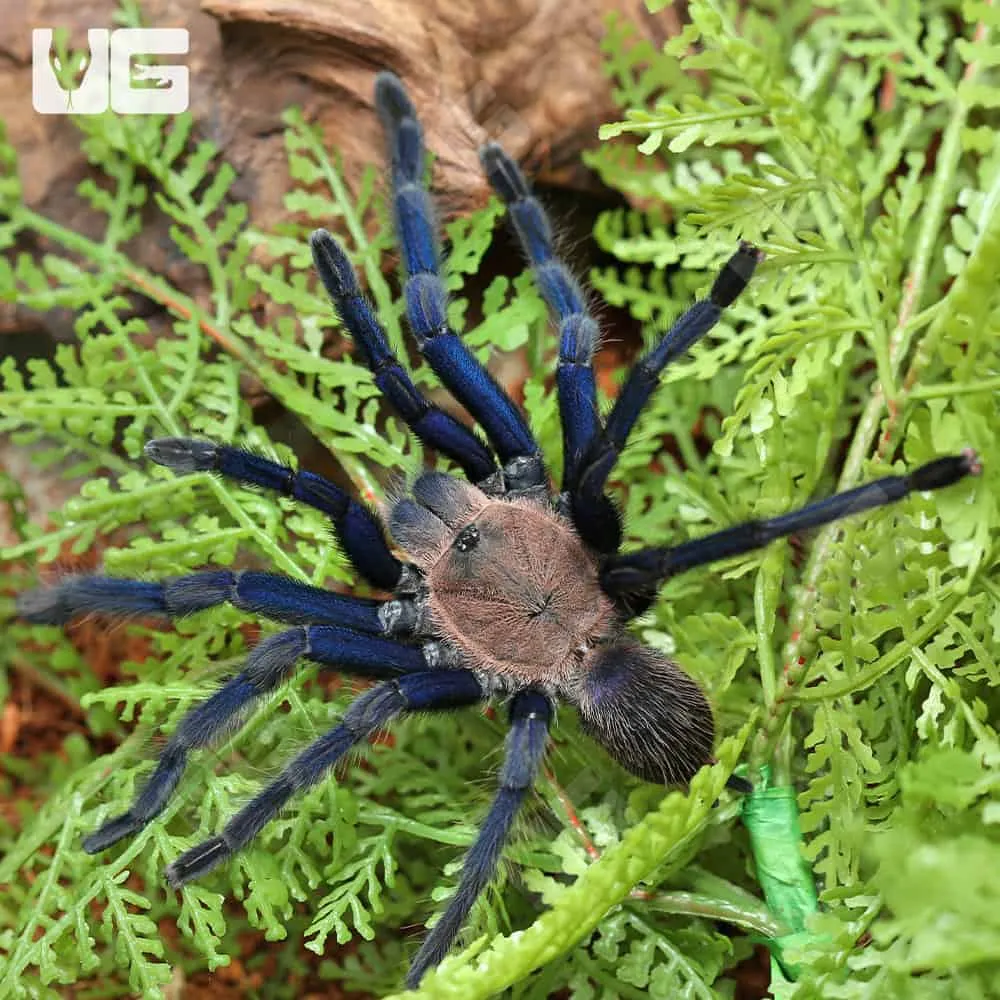
One of the most striking features of the Blue Tarantula Sarawak is, of course, its vivid blue coloration. This blue hue is not derived from pigments, but rather from structural coloration, which means the color is produced by the way light interacts with the microscopic structures on the spider’s exoskeleton. The intensity of the blue can vary, with some individuals displaying a more vibrant shade than others. The body of the tarantula is covered in fine hairs, and the legs typically have a darker coloration, often a deep blue or black. Females are generally larger and more robust than males. These spiders also possess large fangs, used for injecting venom into their prey. Furthermore, like all tarantulas, the Blue Tarantula has eight eyes, which though not providing excellent vision, allow it to detect movement and changes in light.
Habitat and Distribution
The Blue Tarantula Sarawak is endemic to the rainforests of Sarawak, Malaysia, specifically in areas with high humidity and dense vegetation. Their habitat typically includes areas near streams and rivers, where they can find suitable conditions for burrowing and hunting. These tarantulas are terrestrial and live in burrows, which they excavate in the soil or find in pre-existing cavities, such as under rocks or tree roots. The distribution of this species is relatively localized, making them particularly vulnerable to habitat loss and environmental changes. The specific microclimates of these rainforests are essential for their survival, providing the right balance of temperature and moisture. Protecting these natural habitats is crucial for the conservation of the Blue Tarantula and the biodiversity of Sarawak.
Behavior and Diet
The Blue Tarantula Sarawak is a nocturnal predator, primarily active during the night, when it hunts for prey. Their diet mainly consists of insects, such as crickets, cockroaches, and other invertebrates. They are ambush predators, meaning they wait patiently in or near their burrows, and then swiftly pounce on unsuspecting prey. They use their fangs to inject venom, which paralyzes the prey before the spider begins to feed. Juvenile tarantulas often feed on smaller insects, while adults can take down larger prey. The Blue Tarantula is generally a solitary species, except during mating season. Their behavior is heavily influenced by their environment and the availability of food. Furthermore, their burrowing behavior helps them to regulate their body temperature and humidity levels, essential for their survival.
Conservation Status

The conservation status of the Blue Tarantula Sarawak is a growing concern due to various threats. Habitat loss, primarily driven by deforestation for agriculture and logging, is the most significant threat. The shrinking rainforests directly impact their natural habitat, limiting their ability to find food, shelter, and mates. Another threat is the illegal pet trade, as these tarantulas are highly sought after by collectors, which further pressures wild populations. Efforts to protect this species include habitat preservation, sustainable forestry practices, and regulations to combat the illegal pet trade. Raising public awareness about the Blue Tarantula’s importance and the need for its conservation is also critical. Scientists and conservationists are working collaboratively to monitor populations and develop strategies for their long-term survival.
Unique Blue Tarantula Sarawak Features
The Blue Tarantula Sarawak boasts several unique features, starting with its striking blue coloration, which sets it apart from many other tarantula species. Beyond its aesthetics, its behavioral adaptations are also notable. They are relatively docile compared to some other tarantulas, making them popular among experienced keepers. Their burrowing behavior and habitat preferences are another unique aspect, with their adaptation to the humid rainforest environment. The males also show specific mating behaviors that are unique to this species. These behavioral traits, combined with their distinctive appearance, make them a special and much-studied species. They play an important role in their ecosystem, by helping to control insect populations. The unique features all contribute to their ecological significance and allure.
Where to Find Them
Finding the Blue Tarantula Sarawak in its natural habitat is a challenging but rewarding experience. These tarantulas are primarily found in the rainforests of Sarawak, Malaysia, and their presence is often indicated by the burrows they create in the soil or under rocks and logs. To increase the chances of spotting one, it’s best to search in areas with high humidity, near streams or rivers, and in regions with dense vegetation. The best time to look for them is at night, when they are most active. However, it is essential to approach their habitat responsibly, avoiding any disturbance to the natural environment. Local guides and experts with familiarity of the area can provide valuable assistance and ensure a safe and ethical observation experience. Always remember to respect the animal and its habitat and avoid any actions that might disturb or harm it.
What do They Eat

The Blue Tarantula Sarawak is a carnivore, with its diet primarily consisting of various insects. They are opportunistic feeders, and their diet includes crickets, cockroaches, beetles, and other invertebrates that they can overpower. Juveniles typically eat smaller insects, while adults can consume larger prey. These tarantulas are ambush predators, waiting in or near their burrows for unsuspecting prey to come within striking distance. They use their venom to immobilize their prey before feeding. In their natural habitat, the availability of prey influences their feeding habits. Proper diet is also crucial for them, as it is essential for their overall health, growth, and reproductive success. In captivity, a varied diet of appropriately sized insects is necessary to ensure their well-being.
Is the Blue Tarantula Dangerous?
While the Blue Tarantula Sarawak does possess venom and can bite if provoked, it is not considered particularly dangerous to humans. Its venom is typically not potent enough to cause significant harm to a healthy adult. The bite may result in local pain, redness, and swelling, similar to a bee sting, but rarely causes severe systemic symptoms. However, individuals with allergies to insect venom should exercise caution. The tarantula’s defensive behavior primarily involves flicking urticating hairs from its abdomen, which can cause skin irritation and discomfort. Therefore, it is essential to handle these tarantulas with care and avoid unnecessary contact. As with any wildlife encounter, it’s crucial to respect their space and avoid actions that could lead to defensive behavior.
How to Protect the Blue Tarantula
Protecting the Blue Tarantula Sarawak requires a multi-faceted approach involving conservation efforts and public awareness. Supporting sustainable forestry practices and advocating for the protection of rainforest habitats is essential. Another crucial aspect is to minimize the demand for these tarantulas in the illegal pet trade, which can be done through education. Supporting local conservation projects and organizations working to protect their habitat is also significant. Spreading awareness about the importance of biodiversity and the Blue Tarantula is key to building support. Avoiding any actions that could disturb their habitat, such as collecting wild specimens or introducing invasive species, is also crucial. Every action, from individual choices to broader policy decisions, contributes to the protection of this striking species.
Conclusion

The Blue Tarantula Sarawak stands as a testament to the rich biodiversity of Sarawak’s rainforests. Its unique coloration, specific habitat requirements, and intriguing behaviors make it a fascinating creature to study and protect. By understanding its characteristics, appreciating its ecological role, and supporting conservation efforts, we can work together to ensure this striking species thrives for generations to come. The future of the Blue Tarantula Sarawak depends on our continued commitment to protecting its environment and addressing the threats it faces. Continued research, habitat preservation, and responsible practices are essential to safeguard this magnificent species and the unique ecosystems in which it thrives.