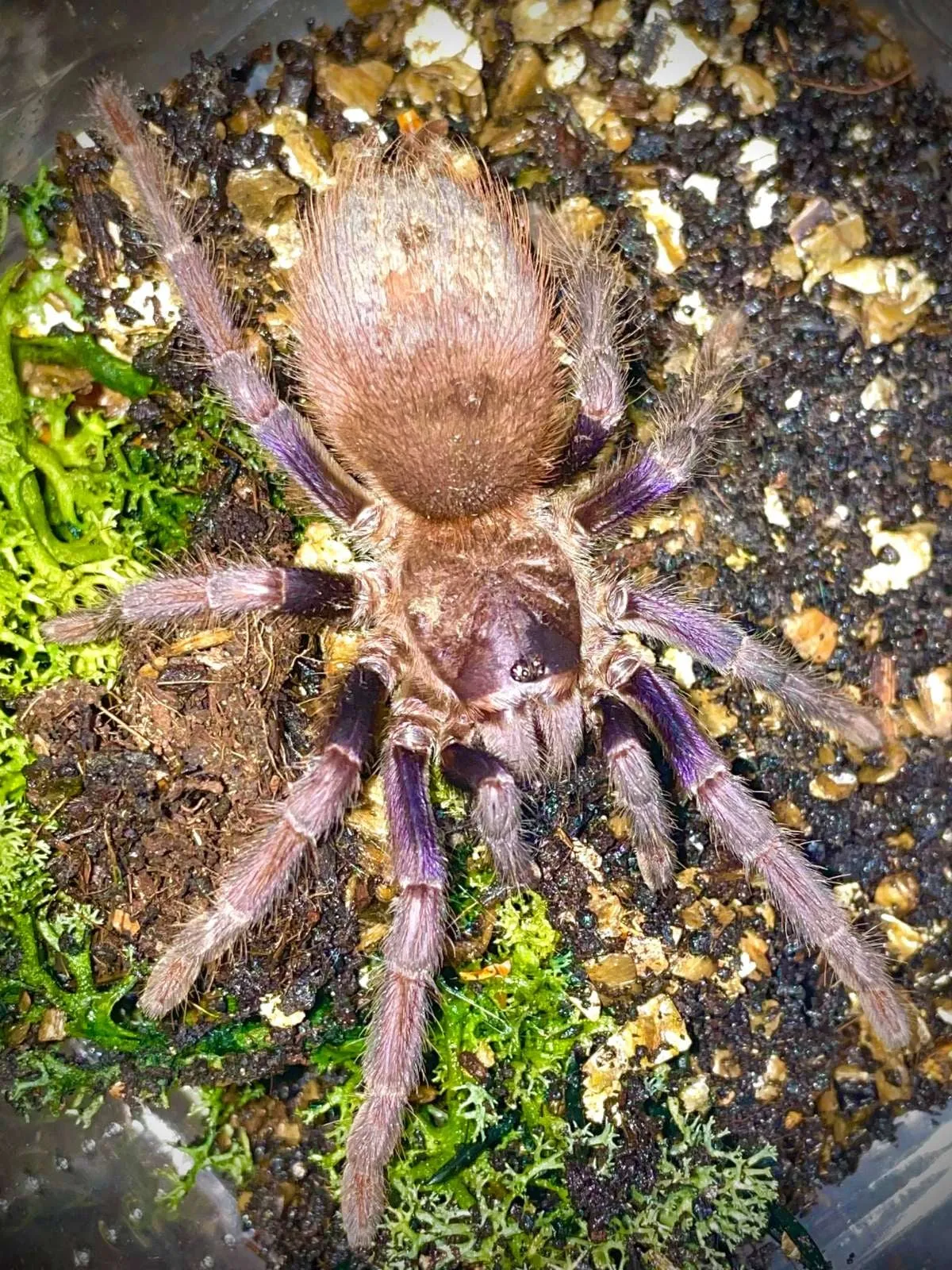
Brazilian Blue Tarantula Growth Rate Overview
The Brazilian Blue Tarantula (Pterinopelma sazimai) is a captivating species, renowned for its striking blue coloration and relatively manageable care requirements. One of the most common questions among keepers and potential owners is, “How fast do Brazilian Blue Tarantulas grow?” The growth rate of these fascinating creatures is influenced by several factors, including environmental conditions, feeding habits, and genetics. Understanding these elements is crucial for providing the best possible care and ensuring the tarantula’s healthy development. Generally, they are considered a moderately fast-growing species compared to some other tarantulas, with females typically living longer and reaching a larger size than males. This article delves into the specifics of their growth, providing a comprehensive guide for both novice and experienced tarantula enthusiasts. We will explore the stages of growth, factors influencing development, and tips for optimizing the health and growth of your Brazilian Blue Tarantula.
Factors Influencing Growth Rate
Several factors play a significant role in determining how quickly a Brazilian Blue Tarantula grows. These factors are interconnected and must be carefully managed to ensure optimal growth and well-being. Environmental conditions, particularly temperature and humidity, are critical. Additionally, the frequency and amount of feeding directly impact growth, as tarantulas require sufficient nutrients to molt and develop. Genetics also play a role, but environmental and care factors are generally more controllable and have a more immediate impact on the growth rate. Providing a balanced environment that addresses all these factors is key to a healthy and growing tarantula. Failure to address these factors may lead to stunted growth, health problems, or even premature death. Consistent monitoring and adjustments are essential for providing the best possible care.
Temperature’s Impact
Temperature is a crucial environmental factor that significantly influences a Brazilian Blue Tarantula’s metabolism and growth rate. Tarantulas are ectothermic, meaning they rely on external heat sources to regulate their body temperature. Keeping the terrarium within the optimal temperature range is vital for their well-being. The ideal temperature for Brazilian Blue Tarantulas is generally between 75°F and 80°F (24°C and 27°C). At these temperatures, their metabolism is active, which promotes healthy growth and molting. If the temperature is too low, the tarantula’s metabolism slows down, resulting in a decreased appetite, slower growth, and a higher risk of health issues. Conversely, excessively high temperatures can also be detrimental, leading to dehydration and stress. Consistent monitoring and adjustment of the terrarium temperature are therefore crucial to maintain optimal conditions for growth.
Humidity and its Role
Humidity is another critical factor affecting the Brazilian Blue Tarantula’s growth and overall health. These tarantulas thrive in a moderate humidity environment, typically around 65% to 75%. Humidity plays a vital role in the molting process; it helps to soften the exoskeleton, making it easier for the tarantula to shed its old skin. Low humidity levels can lead to difficulties during molting, potentially causing the tarantula to become stuck in its old exoskeleton, which can be fatal. Conversely, excessively high humidity can promote mold and bacterial growth, which can be harmful to the tarantula. To maintain proper humidity, keepers often use a combination of a water dish, substrate that retains moisture, and occasional misting. Regular monitoring with a hygrometer is essential to ensure that the humidity levels remain within the optimal range, promoting successful molting and healthy growth.
Feeding Frequency and Amount
Feeding frequency and the amount of food provided directly impact the growth rate of a Brazilian Blue Tarantula. Young spiderlings and juveniles require more frequent feeding than adults, as they are actively growing and need more energy to develop. Spiderlings can be fed 2-3 times a week, while juveniles may be fed once or twice a week. Adult tarantulas typically need feeding only once every 1-2 weeks. The size of the prey should correspond to the size of the tarantula; appropriately sized crickets, roaches, or mealworms are common choices. Overfeeding can lead to obesity, which might negatively affect the tarantula’s health, while underfeeding can stunt growth and impact molting frequency. Observing the tarantula’s abdomen is a good way to gauge its feeding needs; a healthy tarantula should have a slightly rounded abdomen, but not overly plump. Adjusting the feeding schedule based on the tarantula’s size and activity level ensures optimal growth and health.
The Molting Process

Molting is a fundamental aspect of a tarantula’s life, essential for growth and development. As tarantulas are arthropods, they have an exoskeleton that doesn’t grow. Therefore, they must shed their old exoskeleton to grow larger. This process is called molting. During molting, the tarantula creates a new, larger exoskeleton beneath the old one, then sheds the old one, revealing the new, bigger version. The frequency of molting varies depending on the tarantula’s age, growth rate, and overall health. Young tarantulas molt more frequently than adults. Understanding the molting process is essential for tarantula keepers to provide proper care and avoid any unnecessary stress during this vulnerable time. Providing a stable and stress-free environment is critical to ensure the tarantula can successfully molt.
Understanding Molting
Molting is a complex and energy-intensive process for tarantulas. It involves the creation of a new exoskeleton beneath the old one, followed by the shedding of the old shell. The tarantula typically stops eating a few weeks or days before molting, and may become lethargic. The tarantula will often lie on its back to molt, which is a vulnerable position. Once the old exoskeleton splits open, the tarantula slowly extracts itself, leaving behind its old skin. The new exoskeleton is initially soft and vulnerable, so the tarantula is particularly susceptible to injury during this period. It takes a few days or weeks for the new exoskeleton to harden fully. During this time, the tarantula should be left undisturbed, with no feeding or handling.
Signs Your Tarantula Will Molt
Several signs indicate that a Brazilian Blue Tarantula is about to molt. The most common sign is a decrease in appetite, where the tarantula may refuse food for several days or even weeks before molting. The tarantula’s abdomen might appear darker or more translucent, and the tarantula may become less active, spending more time in its burrow or hiding spot. The tarantula may also start to create a web mat or seal off its burrow. Another sign is a change in the tarantula’s coloration; the vibrant blue color may appear less intense as the new exoskeleton develops underneath. Keeping a close eye on the tarantula’s behavior and appearance can help you anticipate an upcoming molt and make necessary adjustments to their care routine, such as providing increased humidity and minimizing disturbances.
Post-Molting Care

After a successful molt, the Brazilian Blue Tarantula will be in a very vulnerable state. The new exoskeleton is soft and delicate, making the tarantula susceptible to injury. It is crucial to provide appropriate care during this period. Avoid handling the tarantula for at least a week or two until the exoskeleton has fully hardened. Provide plenty of fresh water and allow the tarantula to rest undisturbed. It’s also best to avoid feeding the tarantula immediately after molting; wait for a few days to allow the new fangs to harden. Once the tarantula is ready to eat, start with small, soft-bodied prey items, gradually increasing the size of the prey as the tarantula’s fangs and exoskeleton harden. Providing a stress-free and stable environment is essential for the tarantula’s recovery and continued growth.
Growth Stages
The Brazilian Blue Tarantula, like other tarantula species, goes through several growth stages throughout its life. Each stage is characterized by specific behaviors, care requirements, and growth rates. These stages are broadly categorized as spiderling, juvenile, and adult. The duration of each stage and the frequency of molting depend on various factors, including genetics, environment, and nutrition. Understanding these stages is essential for providing appropriate care at each phase of their life cycle, ensuring optimal growth and well-being. The transition between each stage is marked by molting, where the tarantula sheds its exoskeleton, revealing a new, larger one.
Spiderling Stage
The spiderling stage is the initial phase of life for a Brazilian Blue Tarantula. Spiderlings are small, delicate, and require a carefully controlled environment. During this stage, the tarantula is growing rapidly and molting frequently, sometimes every few weeks. Spiderlings should be kept in a small, secure enclosure with appropriate ventilation and a moist substrate to maintain humidity. They require frequent feeding with small prey items, such as fruit flies or pinhead crickets. Care should be taken to avoid overfeeding, as this can lead to health issues. Handling should be kept to a minimum to avoid stressing the spiderling. As the spiderling grows, it will go through several molts, gradually increasing in size and developing its characteristic blue coloration. Proper care during the spiderling stage is crucial for ensuring a healthy start to life.
Juvenile Stage

The juvenile stage follows the spiderling stage and is marked by continued growth and development. Juvenile Brazilian Blue Tarantulas are larger and more robust than spiderlings, but they still require careful attention to their care. Molting frequency decreases in the juvenile stage, typically occurring every few months. The tarantula will begin to display more of its adult coloration, and the blue hues will become more vibrant. Juvenile tarantulas can be fed larger prey items, such as small crickets or roaches, and their enclosure can be gradually increased in size. It is essential to maintain appropriate temperature and humidity levels and provide a suitable substrate for burrowing and hiding. During the juvenile stage, the tarantula’s personality and behavior become more apparent, and you can begin to observe their unique characteristics.
Adult Stage
The adult stage represents the final stage of growth for the Brazilian Blue Tarantula. Adult tarantulas are fully grown and typically reach their maximum size. The molting frequency significantly decreases during this stage, often occurring only once a year or even less frequently. Adult females are typically larger than males and can live for several years. The care requirements for adult tarantulas remain similar to those of juveniles, with an emphasis on maintaining a stable environment and providing appropriate prey. The focus shifts towards ensuring the tarantula’s long-term health and well-being. Mating behavior may also become apparent in adult tarantulas, with males actively seeking females. Providing a well-maintained environment and adhering to their specific needs will ensure the longevity and health of your adult Brazilian Blue Tarantula.
Comparing Growth Rates
The growth rate of a Brazilian Blue Tarantula can vary depending on the individual tarantula, its sex, and the conditions in which it is kept. Generally, they are considered a moderately fast-growing species compared to some other tarantula species. Understanding the factors that affect growth rate will help you manage their care properly. Comparing their growth rates to other tarantula species helps put their development into context. The differences in growth rates often highlight the importance of proper care, genetic factors, and environmental influences. By making comparisons and understanding these variances, tarantula keepers can better gauge the progress of their pet and make necessary adjustments to their care routine.
Male vs Female Tarantulas

Male and female Brazilian Blue Tarantulas often exhibit different growth patterns. Generally, females tend to grow larger and live longer than males. Females also tend to molt more frequently than males. Males reach their sexual maturity faster, and after their final molt, they typically have a shorter lifespan. This is due to the energy expenditure required for reproduction. The rate of growth is therefore influenced by biological sex. Observing the differences in growth can help you better understand the life cycle of your tarantula. It is vital to consider the differences when planning for the long-term care and keeping of the tarantula.
Other Tarantula Species
Comparing the growth rate of Brazilian Blue Tarantulas to other species can provide a broader perspective on tarantula development. Some species, such as the Grammostola genus, are known for their slower growth, while others, like the Chiliean Rose tarantula, are known for growing at a moderate pace. Species-specific growth rates are influenced by genetics, environment, and feeding habits. Understanding the growth rates of other tarantula species allows tarantula keepers to make informed decisions about the care requirements of their pets. These comparisons will help understand the Brazilian Blue Tarantula’s growth rate in the wider context of tarantula diversity.
Tips for Optimal Growth
Providing optimal conditions is key to ensuring a healthy and growing Brazilian Blue Tarantula. Several factors, from environmental conditions to nutrition and handling, must be managed to maximize the growth potential of your tarantula. By following these tips, you can create an environment that fosters the development of your tarantula. Creating a healthy habitat will result in better development, molting, and overall health for your Brazilian Blue Tarantula. Consistently following these guidelines will allow you to enjoy your tarantula for a longer period.
Maintaining Ideal Conditions

Maintaining ideal environmental conditions is paramount for the optimal growth of a Brazilian Blue Tarantula. The terrarium’s temperature should be kept consistently within the range of 75°F to 80°F (24°C to 27°C), using a heat mat or a ceramic heat emitter if necessary. Humidity levels should be maintained between 65% and 75%, achieved through a water dish, a moist substrate, and occasional misting. Regularly monitor the temperature and humidity with a thermometer and hygrometer to ensure these parameters are within the recommended range. Provide adequate ventilation to prevent the buildup of mold and bacteria. Maintaining the appropriate environment will minimize stress and promote healthy growth.
Providing Proper Nutrition
Proper nutrition is a cornerstone of the growth and health of your Brazilian Blue Tarantula. Provide a varied diet consisting of appropriately sized insects, such as crickets, roaches, or mealworms. Adjust the feeding frequency based on the tarantula’s age and stage of development; spiderlings and juveniles require more frequent feeding than adults. Avoid overfeeding, as this can lead to obesity, which may negatively affect the health. Remove any uneaten prey after 24 hours to prevent the build-up of harmful bacteria. Ensure the prey insects are gut-loaded with nutritious food to provide the tarantula with a balanced diet. Proper nutrition will fuel the growth of the tarantula.
Handling and Stress
Handling Brazilian Blue Tarantulas should be minimized, as it can cause stress and potentially hinder their growth. Tarantulas are generally solitary creatures that do not enjoy being handled. Excessive handling can disrupt their natural behavior and increase their stress levels, which can negatively impact their growth and overall health. If handling is necessary, do so with caution, using a soft brush to gently guide the tarantula, and avoid sudden movements or dropping the tarantula. Provide a safe and secure enclosure with ample hiding places and minimize disturbances. Keeping the environment calm and stress-free is essential for facilitating healthy growth and development.