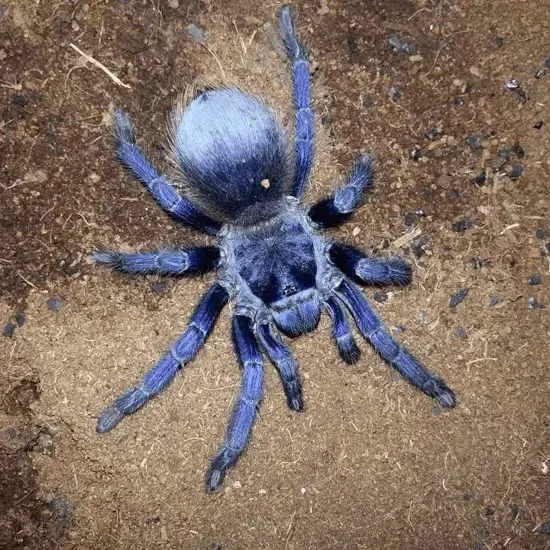
Understanding Brazilian Blue Tarantula Slings
The Brazilian Blue Tarantula sling, a captivating creature in the arachnid world, presents a unique opportunity for enthusiasts to observe the growth and development of a beautiful species. These young tarantulas, also known as Pterinopelma sazimai slings, are a popular choice for both novice and experienced keepers due to their striking coloration and manageable size. Understanding the specific needs of these delicate creatures is crucial for their survival and well-being. This guide dives into the essential aspects of caring for Brazilian Blue Tarantula slings, ensuring a thriving environment for these fascinating pets. From housing and feeding to health maintenance, this is your comprehensive guide.
What Makes Brazilian Blue Tarantulas Special
Brazilian Blue Tarantulas are renowned for their vibrant blue coloration, which intensifies as they mature. This striking appearance sets them apart from many other tarantula species. The coloration is not just for show; it’s a form of camouflage, providing them with a degree of protection in their natural habitat. Furthermore, they are relatively docile compared to some other tarantula species, making them a more approachable pet for beginners. Their moderate size also makes them easier to manage. They are generally active, displaying interesting behaviors that make them engaging to observe. Their relatively moderate venom potency, although still venomous, makes them a less dangerous pet than some larger, more aggressive species.
Appearance and Characteristics

Brazilian Blue Tarantula slings start with a more subdued coloration, gradually developing their characteristic blue hues with each molt. The intensity of the blue varies depending on factors like genetics, diet, and the individual tarantula’s age and health. They typically have a body length of about 1/2 to 1 inch when they are slings. As they grow, their legs become a brilliant blue, contrasting beautifully with the darker carapace and abdomen. Their overall size is moderate, with adult females reaching a leg span of around 5-6 inches. The males are usually smaller and have a shorter lifespan. Recognizing the subtle changes in color and behavior as they grow helps keepers monitor their health and well-being. Their overall size, coloration, and temperament make them one of the most desired tarantula species.
Top 5 Care Tips for Brazilian Blue Tarantula Slings
Caring for a Brazilian Blue Tarantula sling requires a meticulous approach to ensure their optimal development and longevity. These young tarantulas are more susceptible to environmental fluctuations and require careful attention to detail. The following care tips are crucial for creating a suitable habitat and providing the necessary conditions for a thriving sling. Implementing these tips will help provide a long and happy life for your pet tarantula. Remember to always observe your tarantula’s behavior and adjust your care practices accordingly. A healthy tarantula is a happy tarantula.
Providing the Right Housing
Choosing the right housing is the first and most important step in caring for a Brazilian Blue Tarantula sling. The enclosure must be secure, appropriately sized, and provide a suitable environment for the tarantula to thrive. Slings are delicate, so their enclosure must be escape-proof. A well-designed enclosure ensures the tarantula feels safe and secure, reducing stress and promoting healthy growth. This initial investment in proper housing pays off in the long run, as it is the foundation of a tarantula’s health and happiness.
Choosing the Right Enclosure
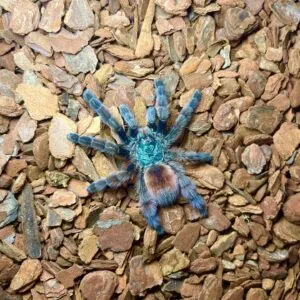
For Brazilian Blue Tarantula slings, a small, clear plastic container or a specialized terrarium is ideal. The enclosure should be at least three times the tarantula’s leg span in width, and the height should be sufficient to allow for molting. Make sure the enclosure is well-ventilated to prevent the buildup of moisture and mold, but also secure to prevent escape. A lid that fits snugly and is easy to open for feeding and maintenance is essential. Some keepers also prefer enclosures with a side-opening door rather than a top-opening lid, as it reduces the chances of disturbing the tarantula. The key is to choose an enclosure that is both practical and safe for the sling.
Substrate and Decor
The substrate and decor provide essential environmental elements. A suitable substrate for Brazilian Blue Tarantula slings is a mix of coco fiber, peat moss, and a small amount of vermiculite. This combination helps to maintain humidity while providing a naturalistic environment. The substrate should be deep enough for the tarantula to burrow if it chooses. Decor should be simple, including a small hide, such as a piece of cork bark, to provide a secure retreat. Avoid sharp objects that could potentially harm the sling. The decor must create a comfortable environment. A well-chosen substrate and some simple decor can significantly improve the sling’s quality of life.
Maintaining Humidity and Temperature
Humidity and temperature are critical factors in maintaining the health of a Brazilian Blue Tarantula sling. These factors directly impact the tarantula’s ability to molt and thrive. A properly maintained environment reduces the risk of health issues and promotes the sling’s overall well-being. Monitoring and adjusting these environmental parameters is essential for proper care.
Humidity Requirements

Brazilian Blue Tarantulas thrive in a moderately humid environment. The ideal humidity range for slings is between 60% and 70%. To maintain this humidity level, mist the enclosure with dechlorinated water a few times a week. Be careful not to over-saturate the substrate, which can lead to mold and other complications. Monitor the humidity levels using a hygrometer, which can be purchased at most pet stores. Providing the correct humidity levels helps the tarantula molt properly and maintain healthy skin.
Temperature Requirements
A consistent temperature between 75°F and 80°F (24°C and 27°C) is optimal for Brazilian Blue Tarantula slings. Use a thermometer to monitor the temperature within the enclosure. Avoid placing the enclosure in direct sunlight or near heat sources that could cause temperature fluctuations. If the room temperature is not within the ideal range, you might need to use a heat mat or a small ceramic heat emitter, placing it on the side of the enclosure. Maintain a stable temperature to ensure the sling’s metabolism and development remain healthy.
Proper Feeding Habits
Proper feeding is essential for the growth and development of a Brazilian Blue Tarantula sling. A well-nourished sling is more likely to grow quickly and remain healthy. The type of food and the frequency of feeding are crucial factors. Proper nutrition supports the tarantula’s molting process, ensuring it can shed its exoskeleton without difficulty. Regular feeding, according to the sling’s needs, prevents any potential health issues due to malnutrition. A consistent feeding schedule provides the necessary nutrients for the sling’s growth.
Choosing the Right Food

The primary food source for Brazilian Blue Tarantula slings should be appropriately sized insects. Small crickets, flightless fruit flies, and pinhead mealworms are all suitable options. The size of the prey should be roughly the same size as the tarantula’s abdomen. Avoid feeding the sling any insects that are too large, as this could cause stress or potential injury. When selecting food, ensure the insects are gut-loaded with nutritious food such as vegetables, to provide the tarantula with the essential nutrients. Always remove any uneaten prey after 24 hours to prevent stress and potential contamination.
Feeding Frequency
The feeding frequency for a Brazilian Blue Tarantula sling depends on its size, age, and the frequency of molting. Generally, slings should be fed two to three times per week. Observe how quickly the tarantula consumes its meals and adjust the feeding schedule accordingly. If the tarantula seems uninterested in food, it may be in premolt and should be left alone. After molting, the tarantula’s appetite will increase. It is important to provide a consistent food supply to support their rapid growth, while avoiding overfeeding, which can lead to obesity and potential health issues. The feeding frequency may also change based on seasonal variation.
Watering and Hydration
Hydration is an often-overlooked aspect of tarantula care, but it is crucial for the health of a Brazilian Blue Tarantula sling. Tarantulas, like all living creatures, require water to survive. The correct watering methods and a clean water source are essential for maintaining the sling’s health and well-being. Dehydration can lead to health problems and even death. Water helps the tarantula to properly process its food and maintain its internal functions. Providing regular hydration helps the tarantula maintain a healthy metabolism.
Watering Techniques

For Brazilian Blue Tarantula slings, provide water through a shallow water dish or by misting the enclosure. A small, shallow water dish with a sponge can prevent the sling from drowning. Alternatively, mist the enclosure with dechlorinated water a couple of times a week, allowing the tarantula to drink the droplets. Always use dechlorinated water to avoid exposing the tarantula to harmful chemicals. It’s important to regularly clean the water dish to prevent mold growth. The frequency and method will depend on the size of the sling. Consistent hydration is one of the most important aspects of care.
Preventing Dehydration
To prevent dehydration, regularly monitor the sling’s enclosure for appropriate humidity levels. Ensure the substrate is slightly moist but not waterlogged. Observe the tarantula’s behavior; a dehydrated tarantula may appear sluggish or have a shriveled abdomen. Increase the humidity levels by misting the enclosure more frequently if signs of dehydration are visible. Be careful not to overdo the watering, as it can lead to fungal growth. A well-hydrated tarantula is a healthy tarantula. Preventing dehydration is one of the most important aspects of care.
Handling and Safety Precautions
Handling a Brazilian Blue Tarantula sling, though generally docile, should be approached with caution and respect. Tarantulas are delicate creatures, and even a small fall can be fatal to a sling. Proper handling is crucial for both the safety of the tarantula and the keeper. Understanding the potential risks and taking precautions is essential. Safety precautions are fundamental to maintaining the health and well-being of both the tarantula and the keeper. Proper handling allows for a closer interaction while minimizing risks.
Safe Handling Practices

Handling should be kept to a minimum, especially with slings. If handling is necessary, do so close to the ground or a soft surface to minimize the risk of injury if the tarantula falls. Use a soft brush or a piece of paper to gently guide the sling. Never use your hands directly unless you’re experienced and feel confident. Always supervise the sling. If the sling shows signs of stress or agitation, return it to its enclosure immediately. Gentle handling is essential. Always wash your hands before and after handling to prevent the transfer of chemicals or bacteria.
Recognizing Stress Signals
Observe the tarantula’s behavior. A stressed sling may flick its legs, raise its front legs in a defensive posture, or try to escape. These behaviors indicate the tarantula is uncomfortable. If these signs are observed, immediately cease any attempts at handling. Provide a safe and undisturbed environment. Learn to recognize these behaviors, which is a key aspect of responsible tarantula ownership. A healthy tarantula is one that feels safe and secure.
Health and Common Issues
Even with the best care, Brazilian Blue Tarantula slings can experience health issues. Recognizing common problems and knowing how to respond is important. Early detection and intervention are key to successful treatment. Regular monitoring is essential. Keeping the environment clean and providing adequate care can often prevent health issues. Knowing the signs of illness and the proper course of action can significantly improve the tarantula’s chances of a full recovery.
Recognizing and Treating Common Diseases
Common diseases in tarantulas include fungal infections, bacterial infections, and parasitic infestations. Symptoms include lethargy, loss of appetite, and unusual behavior. If you notice any of these signs, consult a veterinarian or a tarantula expert immediately. Some treatments involve adjusting the environment to reduce humidity or using antifungal medications. Maintaining a clean enclosure and providing proper ventilation can help prevent these diseases. Proper sanitation and environmental management are key in disease prevention.
Mites and Parasites
Mites and parasites can be a significant problem for tarantulas. These tiny pests can feed on the tarantula, causing irritation and stress. Signs of infestation include small, moving dots on the tarantula or its enclosure, and the tarantula may be seen rubbing its legs or abdomen. If an infestation is suspected, isolate the tarantula and clean its enclosure thoroughly. Consider using a mite-killing product specifically designed for tarantulas, following all the manufacturer’s instructions. Preventing these problems is as simple as good hygiene and proper quarantine procedures. Regularly inspect your tarantula and enclosure for any signs of these infestations.
Shedding Process
Molting, or shedding their exoskeleton, is a crucial process for tarantulas as they grow. Before molting, the tarantula will typically stop eating, become less active, and may change its posture. Create a safe environment with adequate humidity to facilitate a successful molt. Avoid disturbing the tarantula during this vulnerable period. The process can take several hours or even days. After molting, the tarantula’s new exoskeleton will be soft, and it will need time to harden. Provide a steady food supply after a molt to help replenish its energy. Molting is a natural process, but a supportive environment will promote good health.
Conclusion
Caring for a Brazilian Blue Tarantula sling is a rewarding experience that combines the beauty of nature with the responsibility of pet ownership. By following these top 5 care tips, you can create a thriving environment for your tarantula. Providing the correct housing, maintaining the right humidity and temperature, feeding appropriately, ensuring hydration, and handling with care are key to a long and healthy life for your sling. Remember, consistency and observation are your best tools. Enjoy the journey of raising these captivating creatures and watching them grow and thrive. With proper care, your Brazilian Blue Tarantula sling can bring you years of enjoyment.