What is a Brazilian Salmon Pink Bird Eating Tarantula
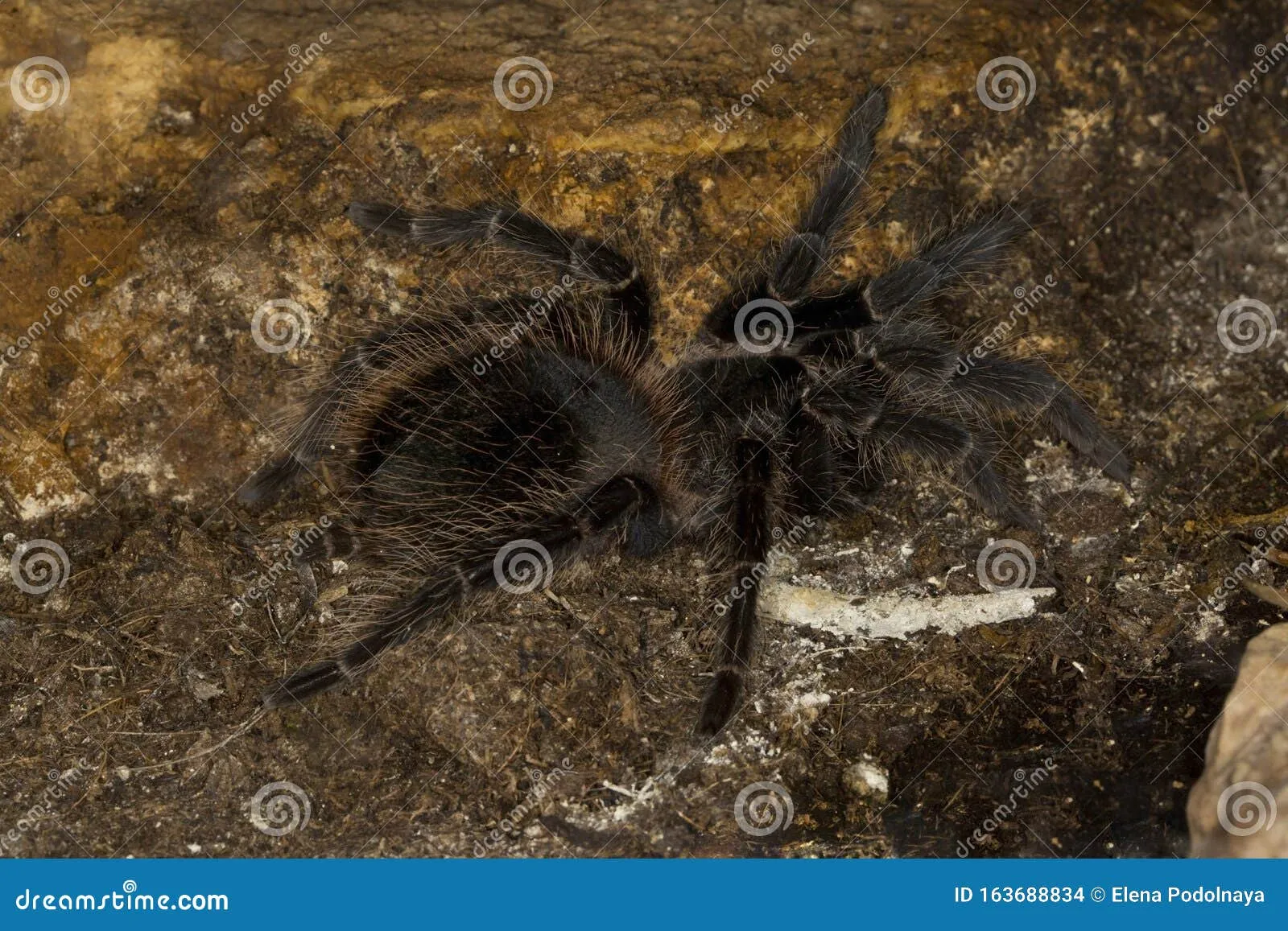
The Brazilian Salmon Pink Bird Eating Tarantula ( Lasiodora parahybana) is one of the largest tarantula species in the world, native to the rainforests of Brazil. Despite their intimidating size and impressive appearance, these spiders are popular pets. They are known for their relatively docile temperament, making them a favorite among tarantula enthusiasts. They are called “bird eating” because in the wild they may feed on small birds but usually eat insects and other invertebrates. These spiders are truly fascinating creatures and are an amazing addition to any collection of exotic animals.
Appearance and Characteristics
Brazilian Salmon Pink tarantulas are visually striking creatures. Their bodies are covered in dense hairs, with the most notable feature being their coloration. The carapace, or the top part of their cephalothorax, is typically a dark brown or black. The legs and abdomen showcase a stunning combination of colors, primarily shades of salmon pink, brown, and sometimes hints of tan. These colors can vary slightly depending on the individual spider and its age, but the overall effect is an eye-catching display. These tarantulas also possess a prominent chelicerae, the mouthparts used for biting and injecting venom, adding to their impressive appearance.
Size and Coloration

As one of the largest tarantula species, the Brazilian Salmon Pink Bird Eating Tarantula can reach a leg span of up to 10 inches or more, with some females exceeding this size. This impressive size, combined with their vibrant coloration, makes them a spectacular sight. The size of the spider is affected by the frequency of molting and the amount of food it consumes. As they grow, they shed their exoskeleton, revealing a new, larger one. The colors of the tarantula become more vivid with each molt, adding to their appeal.
Lifespan
The lifespan of a Brazilian Salmon Pink Bird Eating Tarantula can vary, but they typically live for a considerable amount of time. Females generally have a longer lifespan than males. Females can live for 15 to 20 years, sometimes even longer. Males, on the other hand, tend to have a shorter lifespan, typically living for 3 to 5 years after reaching maturity. The lifespan can also be affected by factors such as care, diet, and environmental conditions. Proper care and husbandry are essential to ensure a long and healthy life for these fascinating creatures.
Origin and Habitat
Understanding the origin and natural habitat of the Brazilian Salmon Pink Bird Eating Tarantula is crucial for providing proper care. These tarantulas are native to the rainforests of Brazil, specifically in the regions of Paraíba and surrounding areas. Their natural habitat plays a significant role in shaping their behavior and needs. These environments are characterized by high humidity, moderate temperatures, and dense vegetation, providing the perfect conditions for these arachnids to thrive. Replicating these conditions in captivity is essential for the well-being of pet tarantulas.
Where They Come From

Brazilian Salmon Pink Bird Eating Tarantulas are endemic to Brazil, meaning they are found naturally only in this specific region. They are primarily found in the northeastern part of the country. The precise location encompasses states like Paraíba, where they were first identified. The presence of this species in a specific geographical location highlights the importance of conservation efforts to protect their habitat and ensure their survival. The understanding of their origin helps in preserving them.
Natural Habitat
In the wild, these tarantulas inhabit a terrestrial environment, preferring to dwell on the ground in burrows or under rocks and fallen logs. They seek shelter in these locations to protect themselves from predators and the elements. Their natural habitat is characterized by dense rainforest vegetation, providing ample cover and humidity. They are well-adapted to these environmental conditions, and their care in captivity should mimic their natural environment. The habitat of this species also has an abundance of insects and other small creatures that serve as their food source.
Behavior and Temperament
The Brazilian Salmon Pink Bird Eating Tarantula is known for its relatively docile temperament, which makes it a popular choice among tarantula enthusiasts. However, it is important to remember that each tarantula has its own personality, and their behavior can vary. Understanding their behavior and defensive mechanisms is key to handling them safely and providing them with proper care. While generally calm, they can display defensive behaviors when feeling threatened or stressed. As responsible owners, we must be prepared to interpret their behavior and respect their boundaries.
General Temperament

These tarantulas are often described as having a calm and gentle demeanor. They are not known for being overly aggressive, making them suitable for experienced keepers. They spend most of their time hiding in their burrows or under shelters. With proper care and handling, they can become accustomed to their keepers and may even be observed during feeding. This makes them a rewarding pet for those interested in observing their behavior. However, it is crucial to always handle them with caution and respect their space.
Defensive Behaviors
Even with their generally docile nature, these tarantulas possess defensive behaviors. The most common defense mechanism is the flicking of urticating hairs from their abdomen. These hairs are irritating to the skin and eyes and serve as a deterrent to potential predators. They may also raise their front legs in a threat posture or bite if they feel cornered or threatened. Avoiding sudden movements and respecting their space can help minimize these defensive behaviors. A good practice is to handle them gently and avoid startling them.
Diet and Feeding Habits
Understanding the diet and feeding habits of the Brazilian Salmon Pink Bird Eating Tarantula is essential for their health and well-being. They are opportunistic feeders, meaning they will consume a wide variety of prey items. Their natural diet primarily consists of insects and other invertebrates found in their habitat. In captivity, it is important to provide a balanced diet that meets their nutritional needs. A proper diet helps them grow and remain healthy, contributing to their longevity. Providing them with a variety of foods is also a good practice.
What They Eat

Their diet in the wild consists of various insects, such as crickets, cockroaches, and mealworms. Occasionally, they may consume small vertebrates, like lizards or even small birds, hence the name “bird eating”. In captivity, the best practice is to feed them a diet of commercially available insects, such as crickets, dubia roaches, and mealworms. It is important to provide a varied diet to ensure they receive all the necessary nutrients. It is important to avoid feeding them wild-caught insects, as they may contain pesticides or parasites that can harm the tarantula.
Feeding Frequency
The feeding frequency for these tarantulas depends on their age and size. Younger spiderlings require more frequent feedings, typically 2-3 times a week. As they grow older, the frequency can be reduced to once or twice a week. It is important not to overfeed them, as this can lead to health issues. Always remove any uneaten food within 24 hours to prevent the buildup of mold and bacteria in the enclosure. Providing fresh water in a shallow dish is also crucial.
Care and Husbandry
Proper care and husbandry are crucial for the health and well-being of Brazilian Salmon Pink Bird Eating Tarantulas. This includes providing a suitable enclosure, maintaining the appropriate temperature and humidity levels, and addressing any health issues that may arise. Creating a comfortable environment that mimics their natural habitat is crucial for them to thrive. The environment also influences their behavior and longevity. Regular monitoring and maintenance are essential for their well-being.
Enclosure Requirements

The enclosure for a Brazilian Salmon Pink Bird Eating Tarantula should be appropriately sized. It should allow for enough space for them to move around and create a burrow or hiding place. A good rule of thumb is to provide an enclosure that is at least 2-3 times the tarantula’s leg span in width. The enclosure should be made of glass or acrylic, and it should have a secure lid to prevent escape. Substrate, such as coconut fiber or peat moss, should be used to create a natural environment. Providing decorations like cork bark or artificial plants also adds to their comfort and well-being.
Temperature and Humidity
Maintaining the correct temperature and humidity levels is essential for the health of a Brazilian Salmon Pink Bird Eating Tarantula. The ideal temperature range is between 75-85°F (24-29°C). A heat source, such as a heat mat, can be used to maintain this temperature. It is important to avoid placing the heat source directly under the enclosure, as this can overheat the tarantula. The humidity level should be maintained between 60-70%. This can be achieved by misting the enclosure with water regularly. Providing a shallow water dish is also essential.
Common Health Issues
Like any pet, Brazilian Salmon Pink Bird Eating Tarantulas can be susceptible to certain health issues. The most common problems include dehydration, injuries from falls, and parasitic infections. Ensuring a clean and well-maintained enclosure can help prevent many health problems. Always provide fresh water and monitor the tarantula for any signs of illness or distress. If you notice any unusual behavior or symptoms, it is important to consult with a veterinarian experienced in treating exotic pets.
Breeding Information

Breeding Brazilian Salmon Pink Bird Eating Tarantulas can be a rewarding experience, but it requires careful planning and understanding. This includes understanding the mating process, providing the right conditions for breeding, and caring for the egg sac and spiderlings. Breeding tarantulas should only be attempted by experienced keepers, as it can be complex and demanding. Patience and knowledge are key to successful breeding. This also helps in the conservation efforts for this species.
Mating Process
Mating these tarantulas is a delicate process. It’s important to introduce the male to the female’s enclosure, under close supervision. The male must be larger than the female to successfully mate without being eaten. The male will approach the female and begin to drum on the ground to attract her attention. The female will then approach the male, and they will engage in a mating dance. If the female accepts the male, they will mate, and the male will deposit his sperm into the female. After mating, the male should be removed from the enclosure to avoid being eaten by the female.
Egg Sac and Spiderlings
After mating, the female will lay eggs and create an egg sac, which she will protect. The egg sac will contain hundreds of eggs. The female will care for the egg sac until the spiderlings hatch. The spiderlings will then molt several times before becoming independent. Providing the right conditions for the eggs and the spiderlings is crucial for their survival. This includes maintaining the correct temperature and humidity levels, and providing small prey items for the spiderlings to feed on. The spiderlings will start to disperse after a few weeks.
Conservation Status
The Brazilian Salmon Pink Bird Eating Tarantula is not currently listed as an endangered species. However, their populations can be threatened by habitat loss, over-collection for the pet trade, and climate change. Understanding the threats to their survival is crucial for conservation efforts. Conservation efforts help protect their natural habitat and ensure the survival of this species. It is essential to support sustainable practices and responsible pet ownership to help protect these amazing creatures.
Threats and Conservation Efforts
The primary threats to the Brazilian Salmon Pink Bird Eating Tarantula include habitat destruction, deforestation, and collection from the wild for the pet trade. Climate change also has the potential to impact their habitat. Conservation efforts include protecting their natural habitat, regulating the pet trade, and promoting responsible pet ownership. Supporting organizations involved in conservation and advocating for sustainable practices can help protect this species. Educating people about the importance of conservation helps reduce the impacts on the tarantula population.
Why They’re Popular
The Brazilian Salmon Pink Bird Eating Tarantula is popular for several reasons. Their impressive size and striking coloration make them a visually stunning pet. Their relatively docile temperament and ease of care contribute to their popularity among experienced keepers. These tarantulas are relatively low-maintenance, which makes them a suitable choice for those new to the hobby. Their longevity also means they can be a long-term companion, which adds to their appeal. These traits make them a fascinating addition to the pet world.