What are Tarantulas and Do They Bite?
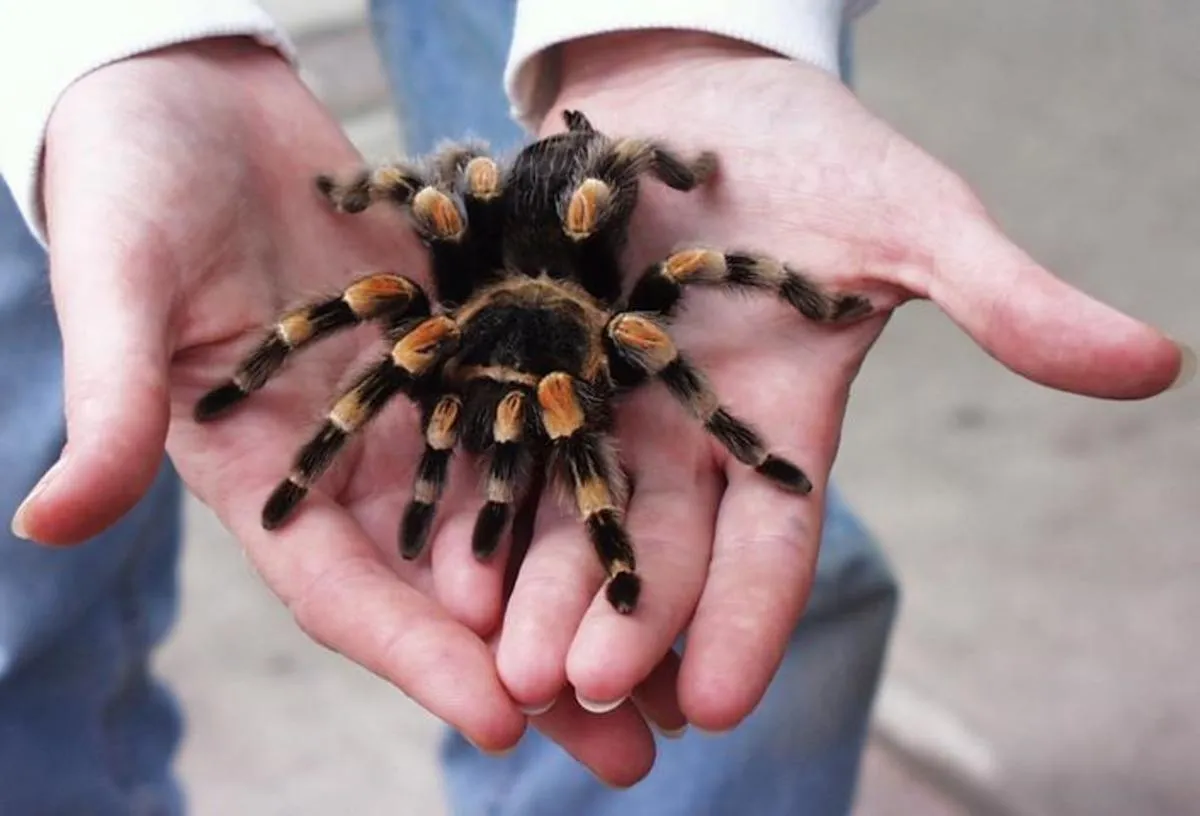
Tarantulas, belonging to the Theraphosidae family, are large, hairy spiders that are popular pets due to their relatively docile nature and impressive size. Originating from various regions worldwide, including the Americas, Africa, Asia, and Australia, they are known for their diversity, with over 900 species identified. These arachnids captivate enthusiasts with their unique behaviors and long lifespans. While tarantulas are often perceived as intimidating, understanding their behavior and potential risks is crucial for responsible pet ownership or any interaction with them. Their anatomy, including their fangs and venom, play significant roles in their survival and how they interact with their environment and other creatures. Despite their intimidating appearance, many tarantula species are not highly venomous to humans, however, knowing how they use their anatomy is vital.
Tarantula Anatomy and Bite Mechanism
The bite mechanism of a tarantula is a fascinating example of adaptation and survival. Their anatomy includes two prominent fangs, which are modified chelicerae, located at the front of their body. These fangs are the primary tools used for capturing prey and, defensively, for biting. When a tarantula bites, it rapidly uses these fangs to pierce its target, injecting venom if necessary. The structure of the fangs varies slightly depending on the species, influencing the effectiveness of the bite. Understanding this mechanism helps in assessing the potential risks associated with tarantula bites and the appropriate responses. The size and strength of the fangs also indicate the size of the prey that a tarantula can handle, from small insects to larger animals, depending on the species.
How Tarantulas Use Their Fangs

Tarantulas employ their fangs primarily for hunting and self-defense. When hunting, they use their fangs to quickly grasp and inject venom into their prey, paralyzing or killing it. The fang’s size and shape are optimized for this purpose, allowing for a swift and effective strike. In defense, tarantulas will bite if they feel threatened, such as when they are startled or handled roughly. This defensive behavior serves to protect them from potential predators, including larger animals or humans. The use of fangs is therefore a critical aspect of a tarantula’s survival strategy, highlighting their predatory nature and their ability to protect themselves in various situations. The sharpness and reach of the fangs also affect the severity of the bite, making it important to handle tarantulas with care to avoid any potential contact.
Understanding Tarantula Venom
Tarantula venom varies significantly between species. While most tarantula bites are not deadly to humans, the venom can cause local reactions such as pain, redness, swelling, and itching. Some species have more potent venom than others, but severe systemic reactions are rare. The composition of the venom includes various enzymes and toxins that serve different purposes, mainly to immobilize prey. The effects of the venom depend on factors like the amount injected, the species of tarantula, and the individual’s sensitivity. Understanding the venom is crucial for assessing the potential health risks and determining appropriate first aid and medical treatment if necessary. Furthermore, research into tarantula venom has revealed potential applications in medicine, showcasing the complex nature of these fascinating creatures.
Can a Tarantula Bite? Top 5 Things to Know
Yes, tarantulas can bite, and it’s essential to be aware of the potential risks associated with these bites, especially if you own one as a pet or encounter one in the wild. The bite is their primary defense mechanism, and they will use it if they feel threatened or provoked. However, the severity of a tarantula bite varies greatly depending on several factors, including the species of the tarantula, the amount of venom injected, and the individual’s sensitivity to the venom. While most bites are not life-threatening to humans, they can still cause local reactions such as pain, redness, and swelling. It is important to handle tarantulas with care and avoid any actions that might cause them to feel threatened, thereby minimizing the risk of being bitten. Understanding these aspects is vital for responsible tarantula ownership and safety.
The Myth of the Deadly Tarantula Bite

A common misconception is that tarantulas are highly venomous and pose a significant threat to humans. The reality is that most tarantula bites are not deadly. Their venom is generally not potent enough to cause severe systemic reactions in healthy adults. The myth of the deadly tarantula likely stems from their intimidating size and appearance, as well as the historical association with other dangerous spiders. Furthermore, the effects of a tarantula bite are often less severe than a bee sting. It is true that some species have more potent venom than others, and there may be allergic reactions in sensitive individuals, but fatalities are exceedingly rare. Therefore, a clear understanding of the true dangers associated with tarantula bites is crucial to dispelling this widespread myth and fostering a more informed perception of these fascinating creatures.
Tarantula Bites for Humans
When a tarantula bites a human, the immediate effects usually include localized pain, redness, swelling, and itching at the bite site. The intensity of these symptoms can vary widely depending on the species of tarantula and the individual’s sensitivity. In some cases, the symptoms may be mild and resolve quickly, while in others, they may persist for a few days. Other symptoms might include muscle cramps, nausea, or general malaise are less common. It is very rare to experience any serious systemic reactions like difficulty breathing or severe allergic reactions, however. The experience for each individual can vary greatly. Those who are bitten are advised to keep the wound clean and monitor for any signs of infection or severe symptoms. Additionally, if more severe symptoms develop, it is crucial to seek medical attention.
What to Do If You Get Bitten
If you are bitten by a tarantula, it is important to remain calm and take appropriate steps to care for the wound. Clean the bite area gently with mild soap and water to reduce the risk of infection. Applying a cold compress to the area can help to reduce pain, swelling, and inflammation. It is crucial to observe yourself for any signs of an allergic reaction, such as difficulty breathing, swelling of the face or throat, or dizziness, in which case you should seek immediate medical attention. While most tarantula bites are not dangerous, monitoring the bite site for infection is also crucial, and you should consult a doctor if any signs of infection arise, such as increased pain, redness, or pus. Further, keep the affected area elevated and avoid strenuous activity.
The Severity of a Tarantula Bite

The severity of a tarantula bite varies depending on several factors. The tarantula species plays a key role, as some species have more potent venom than others. The amount of venom injected during the bite also affects the severity, as a smaller amount of venom will likely result in milder symptoms. Individual sensitivity also influences the reaction; some people may experience more severe symptoms than others due to allergies or other health conditions. Moreover, the location of the bite on the body and the individual’s overall health can impact the severity of the bite. While most tarantula bites are considered to be a minor nuisance, it is essential to be aware of these factors and to seek medical attention if severe symptoms develop. The overall health of the person who is bitten is also a determining factor in how they react to the bite.
Top 5 Things to Know About Tarantula Bites
Understanding tarantula bites is crucial for anyone considering owning a tarantula or interacting with them. These are some of the most important aspects to consider. They help to inform and educate enthusiasts to ensure they are well-prepared and can act effectively. Handling tarantulas with caution and respect for their natural behaviors will greatly reduce the risk of a bite. Also, recognizing that tarantulas are not inherently dangerous and that most bites are not life-threatening promotes a balanced perspective. Knowing these points is fundamental to ensuring safety and responsible ownership.
How Often Do Tarantulas Bite?
Tarantulas do not bite frequently. They generally only bite when they feel threatened, such as when they are handled roughly or when they perceive a threat to their safety. Therefore, the likelihood of being bitten can be significantly reduced by handling tarantulas with care and respecting their space. The frequency of bites varies depending on the species’ temperament and the conditions of their environment. Some species are naturally more docile than others, while others may be more defensive and prone to biting when provoked. Moreover, how a tarantula is handled impacts its behavior, with gentler and more patient handling resulting in fewer bites. The key to minimizing the risk of bites is to create a safe and stress-free environment.
Prevention of Tarantula Bites

Preventing tarantula bites is mostly about handling them responsibly and understanding their behavior. The best way to prevent bites is to avoid handling tarantulas unnecessarily, as this is when the risk of being bitten is highest. If you must handle a tarantula, do so gently and slowly, avoiding sudden movements that could startle the spider. Always be aware of the tarantula’s body language, and look for signs of stress or agitation, such as a raised posture or the display of fangs. Additionally, using appropriate handling tools, such as tongs or a container, can significantly reduce the risk of direct contact and bites. Proper husbandry practices, such as providing an adequate enclosure and a suitable environment, also contribute to the tarantula’s overall well-being and reduce the likelihood of defensive behavior. Furthermore, always wash your hands after handling a tarantula or any items that have been in contact with it.
Are Tarantulas Dangerous?
Whether tarantulas are dangerous depends on how you define danger. While they are venomous and can bite, the majority of species are not highly dangerous to humans. Their venom typically causes only localized reactions like pain and swelling, and fatalities are extremely rare. However, it is important to acknowledge that all tarantulas possess the potential to bite if provoked, and some species may have a more potent venom than others. Moreover, individual sensitivity to the venom can vary, with some people experiencing more severe reactions than others. For responsible pet owners, the key is to understand tarantula behavior and to handle them safely. If you’re in an area where wild tarantulas are found, maintaining a respectful distance and avoiding any actions that may disturb them will help to prevent bites and minimize the risks associated with these arachnids. It is important to note that any bite can lead to secondary infections if not cared for.