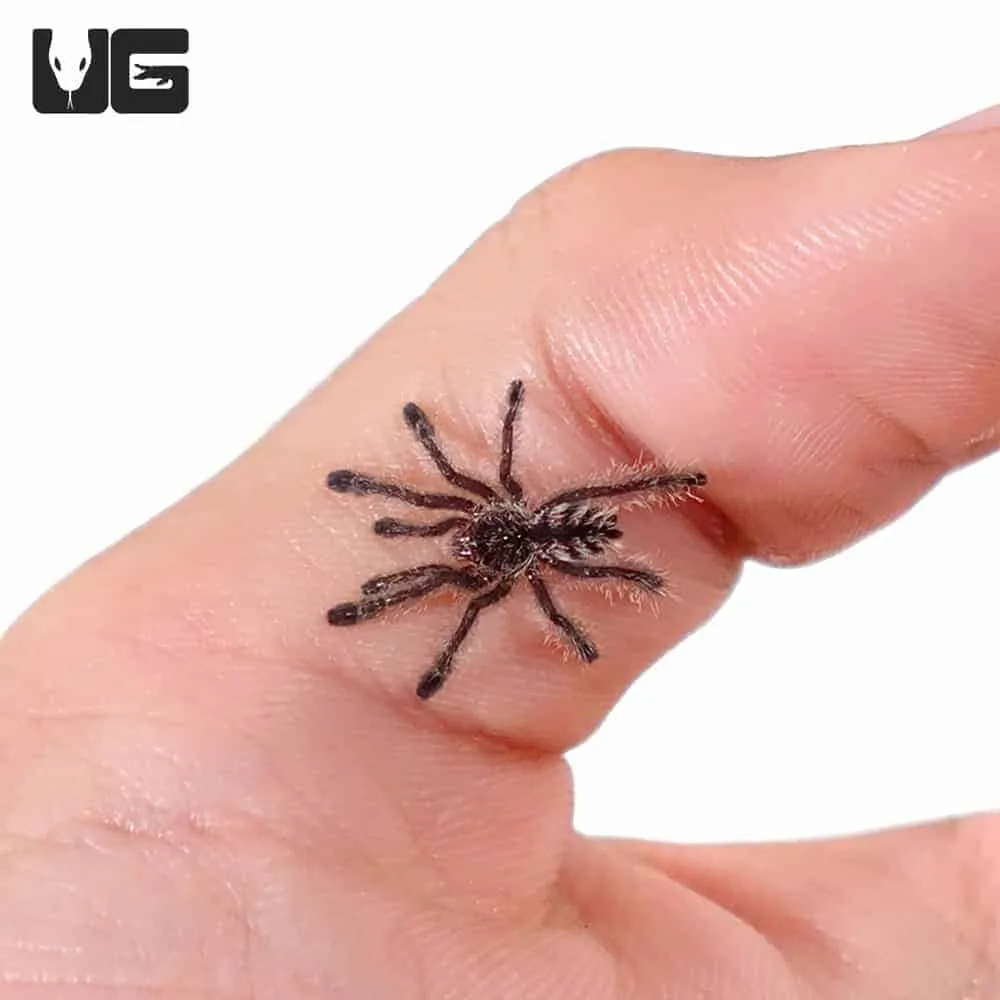
What is a Caribbean Purple Tarantula (C. versicolor)?
The Caribbean Purple Tarantula, scientifically known as Caribena versicolor (formerly Avicularia versicolor), is a stunning arboreal tarantula species highly sought after by arachnid enthusiasts. Native to the islands of Martinique and Guadeloupe, this spider is prized for its vibrant coloration, docile temperament (generally), and manageable size. Its beauty and relatively easy care requirements make it a popular choice for both novice and experienced tarantula keepers. This guide will delve into ten fascinating facts about this captivating creature, along with essential care tips to ensure its well-being in captivity.
Origin and Habitat
The Caribbean Purple Tarantula hails from the lush, tropical rainforests of the Lesser Antilles, specifically the islands of Martinique and Guadeloupe. These islands provide a warm, humid environment, ideal for these spiders to thrive. In their natural habitat, they construct silk retreats within the hollows of trees, under loose bark, or amongst dense vegetation, creating a safe haven from predators and the elements. The consistent temperature and high humidity of their natural environment are crucial factors to consider when replicating their habitat in captivity.
Appearance and Characteristics

The Caribbean Purple Tarantula truly lives up to its name, showcasing a dazzling array of colors. Spiderlings often display a striking metallic blue coloration on their carapace and legs. As they mature, their colors transform, eventually developing a vibrant mix of purple, pink, red, and green hues on their legs, carapace, and abdomen. The overall coloration can vary depending on the individual spider and its molting cycle. These tarantulas typically reach a leg span of up to 5-6 inches, making them a medium-sized species.
Where to Find Caribbean Purple Tarantulas
In their native habitats, Caribbean Purple Tarantulas are found in the rainforests of Martinique and Guadeloupe. These spiders are often spotted in trees and other elevated locations. Due to habitat loss and other environmental changes, their numbers have been reduced in the wild. They are readily available in the pet trade, making them an accessible option for enthusiasts. When purchasing a Caribbean Purple Tarantula, ensure you are buying from a reputable breeder to guarantee the spider’s health and origin.
10 Fascinating Facts About Caribbean Purple Tarantulas
Fact 1 Their Vibrant Colors

The most striking feature of the Caribbean Purple Tarantula is, without a doubt, its dazzling color palette. The metallic blues, purples, pinks, and greens create a visual spectacle that is truly unique in the tarantula world. The intensity and specific hues can vary, adding to the individuality of each spider. This colorful display is a key reason why so many people are drawn to this species.
Fact 2 Arboreal Nature
Unlike many tarantula species that are terrestrial (ground-dwelling), the Caribbean Purple Tarantula is arboreal. This means they prefer to live in trees, utilizing their strong claws and adhesive pads on their feet to climb and cling to vertical surfaces. This arboreal lifestyle necessitates a vertically oriented enclosure with plenty of climbing opportunities in captivity.
Fact 3 Moderate Size
Compared to some of the giant tarantula species, the Caribbean Purple Tarantula is considered a medium-sized spider. With a leg span of up to 5-6 inches, they are manageable in size, making them suitable for keepers with limited space or those new to tarantula ownership. Their moderate size also contributes to their popularity.
Fact 4 Venom Potency

Like all tarantulas, the Caribbean Purple Tarantula possesses venom. However, their venom is generally considered to be of low potency to humans. A bite is unlikely to cause serious harm, and symptoms are usually localized, similar to a bee sting. However, it’s always best to avoid being bitten by any tarantula and to handle them with care.
Fact 5 Feeding Habits
Caribbean Purple Tarantulas are carnivores, primarily feeding on insects in the wild. In captivity, they readily accept a variety of feeder insects, such as crickets, roaches, and mealworms. Spiderlings require smaller prey, such as flightless fruit flies, while adults can consume larger insects. They typically ambush their prey and inject venom to immobilize it before feeding.
Fact 6 Lifespan
Caribbean Purple Tarantulas have a relatively long lifespan, especially for females. Females can live for 10-12 years or even longer with proper care, while males typically have a shorter lifespan, around 3-5 years after reaching maturity. This longevity makes them a rewarding pet, providing years of enjoyment for their owners.
Fact 7 Molting Process

Tarantulas, including the Caribbean Purple, molt periodically throughout their lives to shed their exoskeletons and grow. This process involves the spider creating a new exoskeleton underneath the old one, then splitting the old one open and emerging. Molting is a vulnerable time for the tarantula, and they are best left undisturbed during this period. The frequency of molting decreases as they age.
Fact 8 Temperament
Caribbean Purple Tarantulas are generally known for having a docile temperament, making them a good choice for tarantula keepers. However, like all tarantulas, they can be skittish and may flick urticating hairs as a defense mechanism. Gentle handling is recommended, and it’s always important to respect their space and avoid startling them.
Fact 9 Breeding
Breeding Caribbean Purple Tarantulas can be a rewarding experience for experienced keepers. It involves pairing a mature male and female, and if successful, the female will lay an egg sac. The spiderlings will hatch and require specialized care. Breeding tarantulas is a complex process that requires knowledge and expertise.
Fact 10 Conservation Status

While not currently listed as endangered, the Caribbean Purple Tarantula faces threats in its native habitat due to deforestation and habitat loss. Supporting responsible breeders and conservation efforts helps ensure the long-term survival of this beautiful species. Always purchase from reputable sources to avoid contributing to unsustainable practices.
Caring for a Caribbean Purple Tarantula
Enclosure Setup
Providing the right enclosure is critical for the well-being of your Caribbean Purple Tarantula. A vertically oriented enclosure is essential, as this species is arboreal. A glass or acrylic terrarium of approximately 10 gallons is suitable for an adult. The enclosure should include a substrate such as coconut fiber or peat moss, a secure hide (such as a piece of cork bark), and plenty of climbing opportunities in the form of branches and artificial plants. Make sure that the enclosure has adequate ventilation and a secure lid to prevent escape.
Temperature and Humidity

Maintaining proper temperature and humidity levels is vital for the health of your tarantula. The ideal temperature range is between 75-85°F (24-29°C). You can use a heat mat or a low-wattage heat lamp to maintain the proper temperature. Humidity should be kept between 70-80%. Regular misting of the enclosure with dechlorinated water, especially during molting, is required to maintain the humidity.
Feeding and Hydration
Feeding your Caribbean Purple Tarantula is straightforward. Offer a variety of feeder insects, such as crickets, roaches, and mealworms, a few times a week. The frequency of feeding depends on the age and size of the tarantula; juveniles may need to be fed more often than adults. Always ensure your tarantula has access to fresh, clean water in a shallow water dish. Refill the water dish regularly. Do not overfeed as uneaten prey can stress your tarantula.
Handling and Safety
While Caribbean Purple Tarantulas are generally docile, handling them is not recommended unless absolutely necessary. Tarantulas can be easily injured if they fall. Always handle them near the ground or a soft surface. If you must handle your tarantula, be gentle and avoid sudden movements. Always wash your hands after handling the tarantula or anything in its enclosure to remove any possible allergens.
Health and Common Issues

Like any pet, Caribbean Purple Tarantulas can be susceptible to certain health issues. Common problems include mites, fungal infections, and dehydration. Regular monitoring of the tarantula and its enclosure is important. If you notice any unusual symptoms, such as lethargy, loss of appetite, or mites, consult a veterinarian or experienced tarantula keeper for advice. Maintain a clean and properly humid environment, and offer fresh water.
Conclusion
The Caribbean Purple Tarantula is a truly captivating creature that offers a rewarding experience for tarantula enthusiasts. With its stunning colors, manageable size, and generally docile temperament, this species is a popular choice for many. By providing proper care, including the right enclosure, temperature, humidity, and diet, you can ensure that your Caribbean Purple Tarantula thrives and brings years of beauty and fascination to your home. Remember to research and understand the needs of these amazing animals before acquiring one, and enjoy the wonder of the Caribbean Purple Tarantula!