What is a Tarantula Hawk (Understanding)
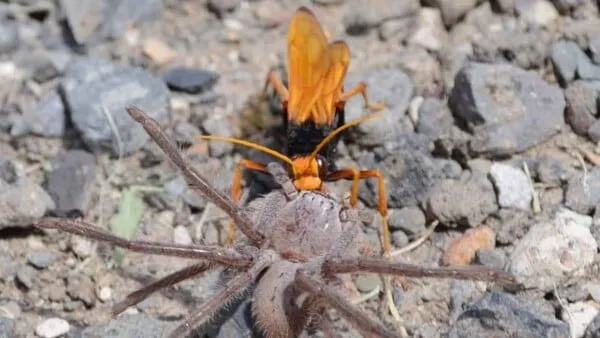
The tarantula hawk is a remarkable insect, a member of the spider wasp family, known for its large size and potent sting. These wasps are not just imposing in appearance; they are also predators of tarantulas. The female tarantula hawk paralyzes a tarantula, dragging it to a burrow, and lays a single egg on the spider’s abdomen. The larva then feeds on the paralyzed, but still living, tarantula. These wasps are native to various regions, primarily in the Americas, and are a testament to nature’s intricate and sometimes brutal designs. Understanding the tarantula hawk is the first step in appreciating the complexities of this fascinating creature and the potential challenges of attempting to catch one.
Appearance of Tarantula Hawks
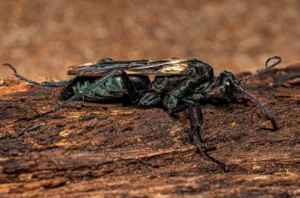
Identifying a tarantula hawk is relatively straightforward due to their distinctive appearance. They typically measure between 1 to 2 inches in length, making them one of the largest wasps in the world. They have a striking color combination, with a metallic blue-black body and rusty orange wings. The coloration serves as a warning to potential predators. They possess powerful mandibles and long legs adapted for grappling with tarantulas. The females are larger than the males and have a longer, more prominent stinger. Their appearance alone is enough to command respect and emphasize the importance of careful handling.
Habitat and Distribution of Tarantula Hawks

Tarantula hawks are primarily found in arid and semi-arid regions of the Americas. Their habitat includes deserts, scrublands, and open woodlands, where tarantulas are prevalent. In the United States, they are most commonly seen in the southwestern states, such as Arizona, New Mexico, and Texas. They also inhabit parts of South America. The distribution of these wasps is closely tied to the presence of tarantulas, as they are the primary food source for their larvae. When considering catching a tarantula hawk, it’s crucial to understand their geographical distribution to increase the chances of encountering one.
Behavior of Tarantula Hawks
The behavior of tarantula hawks is fascinating and complex. Males are generally less aggressive than females and primarily focus on finding mates. Females, on the other hand, are fiercely independent, hunting tarantulas to provide a host for their offspring. The process of hunting and paralyzing a tarantula is a display of remarkable skill and precision. After paralyzing the tarantula, the female drags the spider to a burrow, where she lays a single egg. Understanding their behavior is essential for anyone attempting to catch one, as it dictates the best approach and timing. Observing them from a safe distance can provide valuable insights into their routines.
Why Catch a Tarantula Hawk
The question of why someone would want to catch a tarantula hawk is valid. Capturing these wasps is generally not recommended for recreational purposes due to their potent sting and challenging handling requirements. However, some researchers and entomologists may need to collect them for study. Others may be interested in observing their behavior more closely or collecting them for educational displays. It’s important to prioritize safety and consider the ethical implications before attempting to catch a tarantula hawk. The risks associated with these wasps far outweigh any casual curiosity.
Reasons to Catch a Tarantula Hawk
For those with a professional interest in entomology, catching a tarantula hawk might be necessary for research purposes. Scientists may study them to understand insect behavior, the effects of their venom, or the relationship between predators and prey. Educational institutions might collect them for display in natural history exhibits, offering visitors a glimpse into the remarkable world of insects. Capturing tarantula hawks should be undertaken only by trained professionals with the appropriate equipment and knowledge to ensure the safety of both the handler and the wasp. Any potential catching must be for a defined scientific or educational objective.
Precautions and Safety Measures
Safety is paramount when dealing with tarantula hawks. Their sting is notoriously painful, and can be debilitating, with descriptions ranging from intense pain to a burning sensation that can last for several minutes. Allergies can also trigger severe reactions. Never attempt to catch a tarantula hawk without the appropriate protective gear. The following precautions are extremely important to minimizing risks. Always maintain a safe distance, be aware of your surroundings, and know the symptoms of an allergic reaction. Handling these wasps should only be attempted by individuals who are prepared for the potential dangers.
Protective Gear for Catching
The right protective gear is crucial for catching tarantula hawks. A beekeeping suit is ideal, offering full body coverage and protection from stings. Thick gloves that extend up the forearms are essential to prevent stings on the hands and wrists. Wear long pants and a long-sleeved shirt made of heavy-duty fabric. Eye protection, such as safety glasses or a face shield, is also necessary to prevent accidental exposure to venom. Consider wearing a hat with a wide brim to protect the neck and face. This gear will minimize the risk of stings while allowing for a more controlled and safer approach to catching the wasp.
Best Time to Catch a Tarantula Hawk

The best time to attempt to catch a tarantula hawk is during the cooler parts of the day, such as early morning or late afternoon. This is when they are typically less active and the risk of being stung may be slightly reduced. Avoid catching them during the hottest part of the day when they are most aggressive. Researching their specific activity patterns in your area will further increase your chances of success. The conditions in their natural environment play a significant role in their behavior. Planning ahead and being aware of environmental influences on these wasps is essential.
How to Approach a Tarantula Hawk
Approach a tarantula hawk slowly and cautiously. Avoid sudden movements or loud noises, as these can startle the wasp and trigger a defensive response. Observe the wasp’s behavior before attempting to catch it. If it appears agitated or aggressive, it’s best to retreat. Always keep a safe distance and have an escape plan in place. Patience and a calm approach are key to minimizing the risk of being stung. Be aware of the direction of the wind, and position yourself so that the wind is at your back, preventing the wasp from detecting your presence through scent.
Techniques for Catching Tarantula Hawks
There are several techniques that can be used to catch tarantula hawks, each with its own set of advantages and disadvantages. Choosing the right method depends on your equipment, experience, and the specific circumstances. Ensure you have the necessary permits and authorizations before attempting to catch a tarantula hawk, especially if it involves interfering with their natural habitat. It’s best to have a clear strategy and understanding of the risks involved before you proceed.
Using a Net to Catch

Using a net is a common method for catching insects. Choose a net with a long handle and a fine mesh to prevent the wasp from escaping or injuring itself. Approach the wasp slowly and carefully, and quickly sweep the net over it. Once the wasp is captured, carefully close the net to prevent escape. This method requires quick reflexes and a steady hand. It is important to have a plan for how to transfer the wasp safely into a container after netting it.
Using a Container
Another method is to use a container to trap the wasp. Place a clear container, such as a jar or a plastic box, over the wasp. Once the wasp is inside, quickly place a lid or piece of cardboard over the opening to seal it. This method requires precision and speed to avoid being stung. This approach is often combined with a net to control the wasp’s movements before it is directed into the container. Ensure there are no sharp edges or hazards within the container that could injure the wasp.
Post-Catch Handling
Once you have successfully caught a tarantula hawk, handle it with utmost care. Avoid unnecessary handling, and minimize the time the wasp spends in captivity. Have a plan for what you intend to do with the wasp, such as relocating it, studying it, or collecting it for a collection. This is a critical step in ensuring the wasp’s wellbeing and minimizing risk to the handler. Always ensure you have the necessary permits and authorizations before handling the wasp. Respect their place in the environment.
Safe Storage of a Tarantula Hawk

If you intend to keep the tarantula hawk, provide a suitable container. The container should be well-ventilated but secure, preventing escape. The container’s walls must be smooth to stop it from climbing and escaping. The container should mimic the wasp’s natural environment as much as possible to provide a safe and stress-free environment. Avoid any conditions that might cause the wasp to overheat or dehydrate. Proper storage is critical for the health and safety of the wasp, as well as the safety of the person handling it.
Things to Avoid
There are certain things you should always avoid when dealing with tarantula hawks. Never attempt to catch one without proper protective gear. Avoid making any sudden movements or loud noises that could provoke the wasp. Never handle the wasp with bare hands, and never agitate the wasp. Do not approach a tarantula hawk if you are unsure of your safety measures. Do not underestimate their capabilities. Be mindful of the laws and regulations concerning wildlife in your area.
Do Not Touch
Never touch a tarantula hawk directly with your bare skin. Their stinger is extremely potent, and their sting is notoriously painful. Even if you are wearing protective gear, avoid touching the wasp unless necessary. Always maintain a safe distance and use tools or containers to interact with the wasp. The level of pain associated with a tarantula hawk sting has been rated as one of the most painful stings known.
Do Not Aggravate

Do not aggravate a tarantula hawk. Avoid any actions that might provoke the wasp, such as making loud noises or making sudden movements. Do not attempt to catch one if it appears agitated or aggressive. Give the wasp space and time. Be aware of the weather conditions, as extreme heat can make tarantula hawks more aggressive. Respect their space, and observe them from a distance. Always prioritize safety and act responsibly.
Ethical Considerations
Consider the ethical implications before catching a tarantula hawk. Consider the welfare of the wasp, and the potential impact on its environment. Ensure you have a clear reason for catching the wasp and that your actions are justified. Minimize your impact on the environment, and avoid causing unnecessary harm or stress to the wasp. Follow all relevant laws and regulations. Think through your motivations and actions before engaging with this species.
Releasing the Tarantula Hawk
If you intend to release the tarantula hawk, do so in a safe and appropriate location. Choose an area similar to its original habitat, with access to the resources it needs. Release the wasp during a time when it is active, such as the morning or late afternoon. Avoid releasing it in an area where it might face immediate danger. Release the wasp gently, giving it time to adjust to its surroundings. Monitor the wasp for a short time to ensure it is able to fly off. It is often best to leave them alone, if possible.
Caring for a Captured Tarantula Hawk

If you must keep a tarantula hawk in captivity, provide the necessary care to ensure its survival. This includes a suitable habitat, food, and water. Be sure you have a plan for what you are going to do with the wasp. Caring for the wasp responsibly is critical to its survival and wellbeing. Always follow the specific recommendations and guidelines for the wasp’s specific needs.
Feeding and Hydration
Tarantula hawks feed primarily on nectar, so offer a source of sugar water or honey. Provide a shallow dish with a small amount of the sugar solution. Ensure that fresh water is available at all times. Change the food and water frequently to prevent spoilage and contamination. Be sure to also research the particular species’ dietary needs, because their specific dietary needs can vary. Observe its feeding habits.
Providing Shelter
Provide a suitable shelter for the wasp. This could include a small container or a section of a tree. Ensure the shelter is well-ventilated but protected from extreme temperatures and direct sunlight. The shelter should provide a place where the wasp can rest and feel secure. Try to replicate some aspects of the wasp’s natural habitat in the shelter. This will help with its wellbeing and help reduce stress. Avoid overcrowding, which can lead to fighting and stress.
Potential Risks and Challenges
Catching a tarantula hawk carries several potential risks and challenges, including the risk of a painful sting and the possibility of allergic reactions. Also be aware of the challenges involved with handling and caring for these wasps. It is important to be aware of the potential risks, so you can mitigate them. Always make sure you prioritize safety. Be aware of the potential medical risks, as well as the challenges inherent in their capture and care.
Sting Severity
The sting of a tarantula hawk is notoriously painful. The venom is highly potent, and can cause intense pain that can last for several minutes or even hours. The pain has been described as one of the most painful stings in the world. The intensity of the pain can vary depending on the individual and the location of the sting. If you are stung, seek immediate medical attention, especially if you experience any signs of an allergic reaction.
Allergic Reactions
Allergic reactions to tarantula hawk stings are possible and can range from mild to severe. Symptoms may include swelling, hives, difficulty breathing, and anaphylaxis. If you have a history of allergies to insect stings, or develop any symptoms of an allergic reaction, seek immediate medical attention. Bring any medication you might have, such as an epinephrine auto-injector. Allergies may change with time, so it is critical to be vigilant. Do not take chances.
Dealing with Aggression
Tarantula hawks can be aggressive, especially if they feel threatened. If a wasp displays aggressive behavior, such as raising its abdomen or buzzing around, back away slowly. Do not make any sudden movements. If you are stung, remove the stinger as quickly as possible. Apply a cold compress and seek medical attention. If you are having trouble, call for assistance. Take a calm and measured approach to de-escalate a dangerous situation.
Conclusion
Catching a tarantula hawk is a challenging and potentially dangerous undertaking. The risks are very real, and should not be taken lightly. This guide provides detailed information on how to approach these remarkable insects. Always prioritize safety and adhere to ethical considerations. Handling these wasps requires proper precautions, including specialized equipment and a thorough understanding of their behavior. If you choose to engage with these wasps, approach them with caution, respect, and a commitment to safety. By understanding the risks, taking appropriate precautions, and following ethical guidelines, you can minimize danger and appreciate this amazing insect. Remember, the decision to catch a tarantula hawk should not be taken lightly, and should only be pursued if there is a justifiable reason for doing so.