Understanding the Chile Rose Tarantula
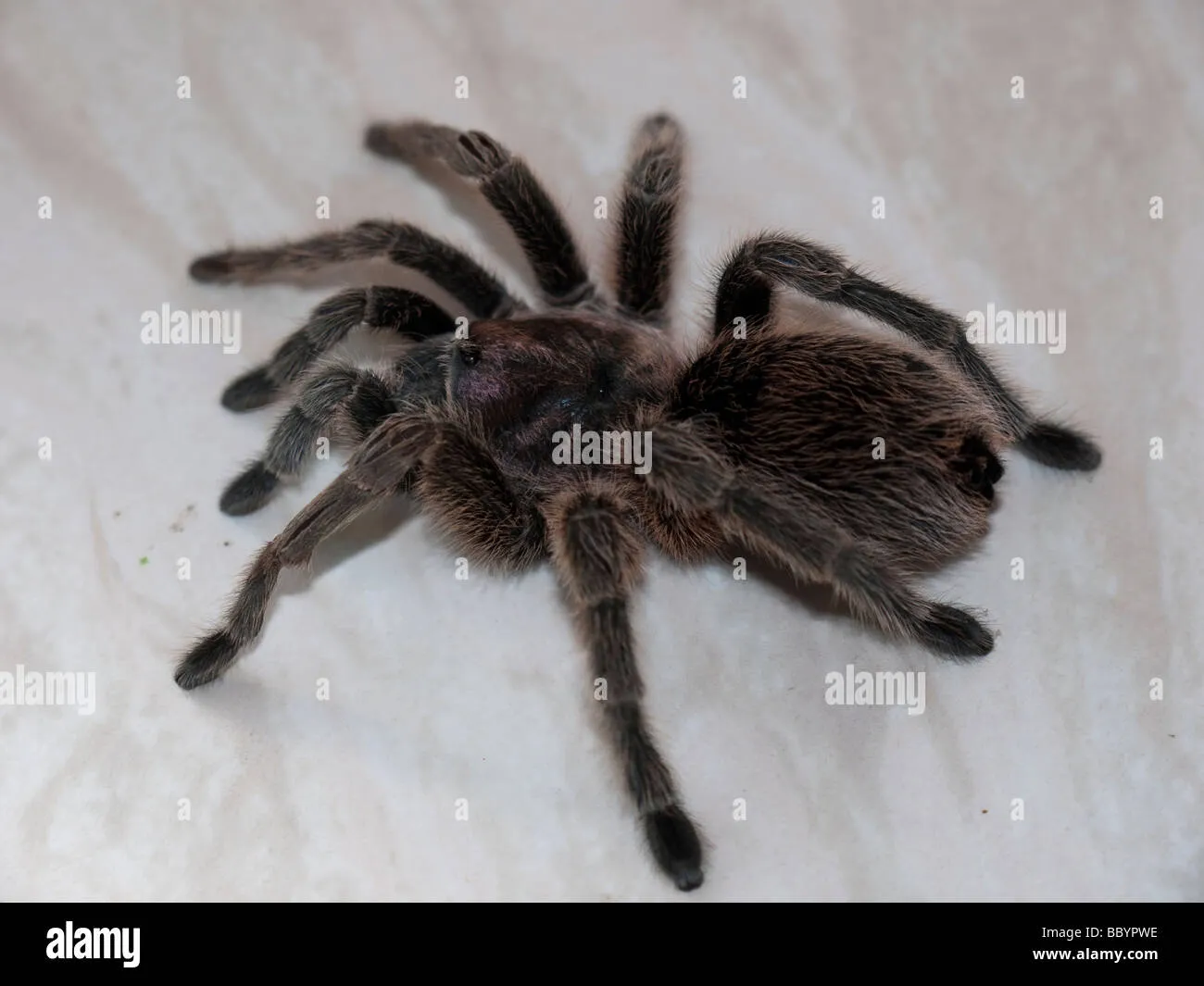
The Chile Rose Tarantula, scientifically known as Grammostola rosea, is a popular choice for first-time tarantula owners due to its docile temperament and relatively easy care requirements. These spiders are native to the arid regions of Chile, Bolivia, and Argentina, where they thrive in environments that mimic their natural habitat. Understanding their origins and characteristics is the first step towards providing the best possible care and ensuring their well-being. They are known for their calm demeanor, making them less prone to defensive behaviors like biting or flicking urticating hairs, a defense mechanism used by some tarantulas. This makes them an excellent choice for those new to the hobby, allowing for a less stressful experience for both the owner and the spider.
Origin and Natural Habitat
In their natural habitat, Chile Rose Tarantulas are found in burrows or under rocks in arid or semi-arid environments. They are well-adapted to these conditions, which are characterized by low humidity and moderate temperatures. The ability to replicate these conditions is critical to their survival in captivity. They are ground-dwelling spiders that prefer to remain hidden, emerging primarily at night to hunt for food. Knowing their natural environment helps us to understand their needs. Replicating their native habitat in captivity is crucial for their health and happiness. They thrive in areas with sparse vegetation, and they can survive in temperatures ranging from 70 to 80 degrees Fahrenheit. The key is to provide the right environmental conditions and to take care of them.
Appearance and Characteristics

Chile Rose Tarantulas are typically a reddish-brown color with a light pinkish hue on their legs, earning them their common name. They are relatively large spiders, with a leg span that can reach up to 5-6 inches for females. Males are generally smaller and may have a less vibrant color. The lifespan of a Chile Rose Tarantula can be quite impressive, with females often living for 15-20 years, while males typically have a shorter lifespan of 5-7 years. They have a docile temperament, making them a good choice for beginners. These tarantulas are not aggressive. However, they will defend themselves if they feel threatened. They are covered in tiny hairs that they use for sensory input. These hairs are also useful for climbing and navigating their environment.
Setting Up the Perfect Enclosure
Creating a suitable enclosure is crucial for the health and well-being of your Chile Rose Tarantula. The setup should mimic their natural habitat and provide a secure and comfortable environment. The correct enclosure setup reduces stress and makes it easier for the tarantula to thrive. The enclosure should be large enough for the spider to move around comfortably, with sufficient space for burrowing and hiding. The size of the enclosure will depend on the size of your tarantula. The essential elements of the setup include a suitable tank, a proper substrate, and appropriate decorations. Proper temperature and humidity levels are also vital for their health and well-being.
Choosing the Right Tank
A glass or clear plastic enclosure is ideal, allowing you to observe your tarantula while maintaining a secure environment. The tank should be well-ventilated to prevent the build-up of excessive humidity, which can lead to health issues. The size of the tank should be appropriate for the tarantula’s size; a 10-gallon tank is often suitable for adults. Ensure the tank has a secure lid to prevent escape, as these spiders are escape artists. Avoid tanks that are too tall. They are terrestrial spiders and do not require much vertical space. The tank should provide enough space for the tarantula to move and feel safe. Choose a tank that is easy to clean and maintain, as this will help you keep your tarantula healthy.
Substrate and Decorations

The substrate, or bedding, is an essential part of the enclosure. It should be able to retain some humidity while allowing for burrowing. A mixture of coconut fiber, peat moss, and a small amount of vermiculite is a good choice. The substrate should be deep enough (3-4 inches) to allow the tarantula to burrow. Add decorations such as cork bark, artificial plants, and hides to provide shelter and enrichment. Ensure the decorations are secure and will not tip over, potentially harming the tarantula. These decorations offer a sense of security for the tarantula. The decorations also make the enclosure more aesthetically pleasing.
Maintaining Temperature and Humidity
Chile Rose Tarantulas thrive in temperatures between 70-80°F (21-27°C). Maintain these temperatures using a heat mat placed on the side of the enclosure. Avoid placing the heat mat directly under the tank, as this can cause the substrate to dry out too quickly. The humidity level should be kept relatively low, around 60-70%. This can be achieved by lightly misting the enclosure once or twice a week, being careful not to over-saturate the substrate. Monitoring temperature and humidity is essential, using a thermometer and hygrometer. Proper temperature and humidity levels will help the tarantula thrive, preventing health issues.
Feeding Your Chile Rose Tarantula
Proper feeding is vital to the health and growth of your Chile Rose Tarantula. They are opportunistic eaters, meaning they will consume a variety of insects in the wild. In captivity, providing a balanced diet and appropriate feeding frequency are essential to their well-being. You should also supply fresh, clean water at all times. Overfeeding can lead to health problems, while underfeeding can slow their growth. Feeding your tarantula is an important part of caring for it. They will be more active and will show natural behaviors.
What to Feed
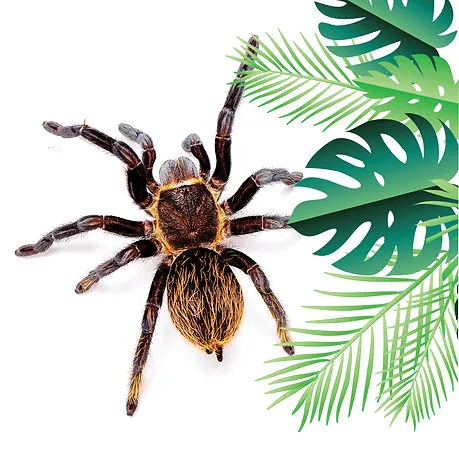
The staple diet for a Chile Rose Tarantula should consist of insects such as crickets, mealworms, and roaches. Ensure that the insects are gut-loaded (fed nutritious food) before offering them to your tarantula. This ensures your tarantula gets the maximum nutrients. Avoid feeding wild-caught insects, as they may carry parasites or pesticides. You can also offer occasional treats like small pieces of cooked chicken or pre-killed pinky mice for adult tarantulas. Ensure that the prey is appropriately sized. This prevents injury to your tarantula. The size of the prey should be appropriate for the size of your tarantula, usually no larger than the size of its abdomen.
Feeding Frequency
Young tarantulas should be fed more frequently, about twice a week, while adults can be fed once or twice a week. Adjust the feeding schedule based on the tarantula’s appetite and body condition. If the tarantula refuses food, it may be in premolt. Remove any uneaten food within 24 hours to prevent mold and mites. Overfeeding can lead to obesity and other health problems. Providing a consistent and appropriate feeding schedule is important. This also will help the tarantula to grow. The tarantula’s abdomen should be roughly the size of the carapace.
Watering and Hydration
Providing fresh water is essential for the health of your Chile Rose Tarantula. A shallow water dish should always be available. This dish should be kept clean and refilled regularly. Some keepers also mist the enclosure lightly once or twice a week to maintain humidity levels. The water dish should be shallow to prevent the tarantula from drowning. Make sure that you are using clean water. Avoid tap water, use bottled or filtered water. Proper hydration is crucial for tarantulas to thrive. They need water for drinking and molting. Regular hydration will keep your tarantula healthy and active. Make sure there is always a water dish available.
Essential Care and Maintenance

Consistent care and maintenance are crucial for the long-term health and well-being of your Chile Rose Tarantula. This includes regular cleaning, proper handling, and monitoring for any signs of illness. Regular maintenance will help to identify any potential health issues early on. Monitoring your tarantula’s behavior and appearance will also help you provide optimal care. They should be cleaned on a regular basis. You should also monitor the tarantula to observe for changes in its behavior or appearance. Maintaining your tarantula’s health is an important part of its care.
Handling and Interaction
Chile Rose Tarantulas are generally docile, but handling should be kept to a minimum to avoid stressing the spider. When handling is necessary, do so gently and close to the ground to prevent injury in case of a fall. Wash your hands before and after handling to avoid transferring any substances to or from the tarantula. Avoid handling the tarantula during molting, as they are extremely vulnerable during this period. Handle them gently and carefully. Observe their behavior. If your tarantula is agitated, it is best to leave it alone. Handling can be stressful to the spider. The tarantula can fall and injure itself. They can also bite if provoked.
Recognizing and Addressing Health Issues
Monitor your tarantula for signs of illness, such as lethargy, loss of appetite, or unusual behavior. Check for any signs of parasites or mites, which can be treated with appropriate remedies. Maintain proper humidity and temperature levels. Check the enclosure for mold. Provide clean water and proper food. If you observe any health issues, consult with a veterinarian or experienced tarantula keeper for advice. Recognize any health issues early and address them promptly. Early intervention is often the key to successful treatment. Quarantine a sick tarantula from others.
Molting Process Explained

Molting is a natural process where tarantulas shed their exoskeleton to grow. During this time, the tarantula may stop eating and become less active. It may also lay on its back. Do not disturb the tarantula during the molting process, as it is extremely vulnerable. Provide a humid environment to aid the molting process. Ensure the tarantula has enough space to molt without obstruction. After molting, the tarantula’s new exoskeleton will be soft and vulnerable. Do not feed the tarantula until its fangs have hardened, which may take a week or two. This is a natural process in which the tarantula discards its exoskeleton. It is important to not disturb it during this time.
Breeding Chile Rose Tarantulas
Breeding Chile Rose Tarantulas can be a rewarding experience, but it requires careful planning and knowledge of their mating behaviors. The tarantula will need specific environmental conditions. It’s important to consider the well-being of both the male and female tarantula. You must understand the challenges involved. It is a specialized area of tarantula keeping. This is for more experienced keepers who are committed to providing the required care. There are considerations with breeding tarantulas.
Sexing and Mating Behavior
Sexing your tarantula is the first step. Males have a slightly different appearance than females. Males also have mating spurs. Introduce a mature male to a receptive female. Mating involves a complex dance. Monitor the behavior of both spiders during the mating process. Separate the male from the female after mating. Monitor the female for signs of egg sac production. This is important to ensure the health and safety of both tarantulas. Carefully observe their interactions.
Egg Sac and Spiderlings Care

If the female produces an egg sac, provide her with a secure environment to care for it. After a few weeks, the eggs will hatch into spiderlings. Separate the spiderlings. Offer them small prey. Ensure the spiderlings have the correct environmental conditions. It is important to learn about spiderling care. This is an advanced stage of care and breeding. They require specialized care. They have specific requirements. Caring for spiderlings requires dedication and attention.
Conclusion
Caring for a Chile Rose Tarantula can be a rewarding experience. They are fascinating creatures. They are known for their calm personalities. They are relatively easy to care for. By understanding their needs and providing the proper care, you can ensure that your tarantula thrives. This includes providing a suitable enclosure, proper feeding, and maintaining a clean and healthy environment. The Chile Rose Tarantula can provide companionship. Enjoy the fascinating world of these amazing creatures.