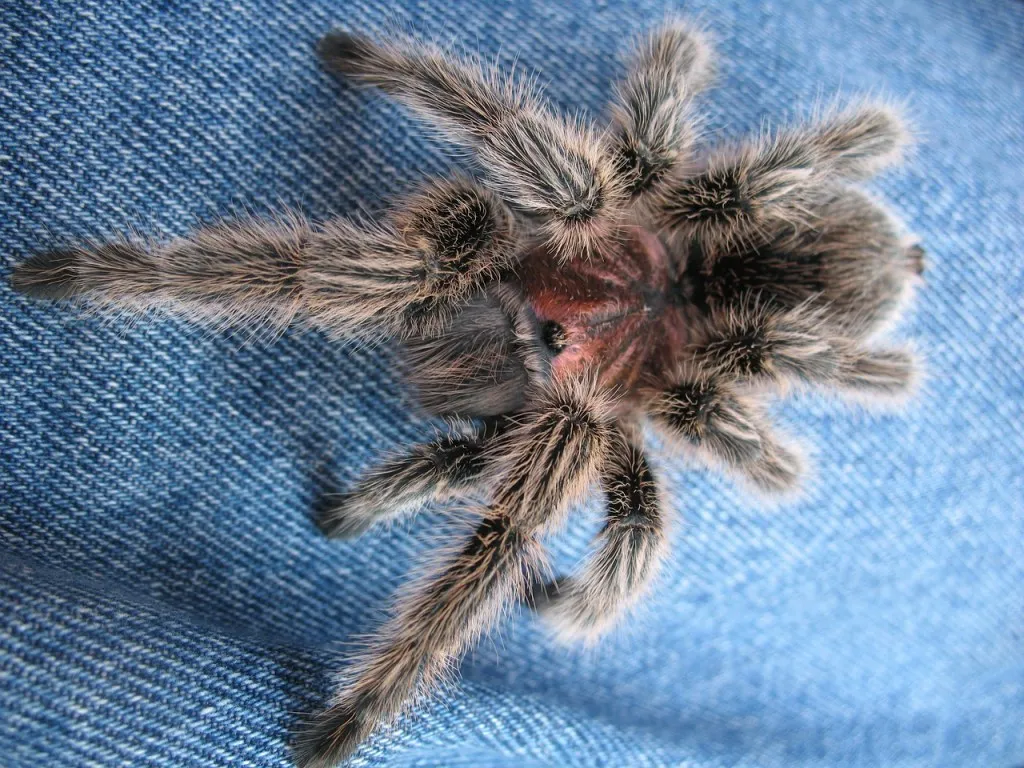
Understanding the Chilean Rose Tarantula
The Chilean Rose Tarantula (Grammostola rosea), often simply called the Chilean Rose, is a popular choice for beginner tarantula keepers. Known for their docile nature and relatively easy care requirements, these arachnids can make fascinating pets. Native to the deserts of Chile, Argentina, and Bolivia, they are hardy and adaptable, thriving in a range of conditions. Before you even consider getting one, it’s essential to understand their basic needs, including habitat setup, feeding, and handling. This guide will cover the top seven essential tips for successfully caring for a Chilean Rose Tarantula, ensuring its health and happiness in your care. Proper research and preparation are key to providing a suitable environment for your new pet and enjoying a rewarding experience.
Chilean Rose Tarantula Habitat Setup
Creating the right habitat is fundamental to the well-being of your Chilean Rose Tarantula. They are terrestrial tarantulas, meaning they spend most of their time on the ground. A properly designed enclosure will mimic their natural environment and provide security and comfort. The habitat should be spacious enough for the tarantula to move around and express natural behaviors. This includes areas for burrowing, hiding, and exploring. The right setup minimizes stress and supports overall health. Consider both the size and the materials used when creating the perfect habitat.
Selecting the Right Enclosure

The enclosure should be appropriately sized for your tarantula’s current and expected adult size. A juvenile Chilean Rose can start in a small enclosure, such as a 5-gallon tank, while an adult will need at least a 10-gallon tank, or larger. The enclosure should have a secure lid to prevent escape, as tarantulas are skilled climbers. Glass or clear plastic enclosures are ideal, allowing for easy viewing and monitoring of your pet. Ensure the enclosure has proper ventilation to prevent the buildup of moisture, but avoid excessive airflow that could dry out the habitat. The enclosure should be easy to clean and maintain. Consider the access points for feeding and watering when selecting the enclosure type.
Substrate and Decor Considerations
The substrate is the bedding material in the enclosure and should be several inches deep to allow for burrowing. Suitable substrate options include a mix of peat moss, coconut fiber, and a small amount of vermiculite. This combination provides good moisture retention and allows the tarantula to create a burrow. Avoid using cedar or pine shavings, as these can be toxic to tarantulas. Decorate the enclosure with a hide, such as a piece of cork bark or a half log, to provide a secure retreat. Add a few artificial or real (non-toxic) plants for visual appeal and additional hiding places. Ensure all decor is securely placed and won’t crush the tarantula if it digs underneath.
Maintaining Optimal Temperature and Humidity
Chilean Rose Tarantulas thrive in a temperature range of 70-80°F (21-27°C). A heat source, such as a heat mat attached to the side of the enclosure, can be used if the ambient temperature is too low. Always monitor the temperature with a thermometer placed inside the enclosure. Humidity levels should be kept at around 60-70%. This can be achieved by lightly misting the enclosure every few days, being careful not to oversaturate the substrate. Poorly regulated temperature and humidity can lead to health problems, so consistent monitoring is crucial. Regular spot cleaning to remove waste and uneaten food is essential to maintain a healthy environment.
Feeding Your Chilean Rose Tarantula

Feeding your Chilean Rose Tarantula is a straightforward process, but it’s important to get it right to ensure the spider’s health. They have specific dietary needs and feeding habits that you need to understand. The right food, offered in the right amount, helps to support growth, molting, and overall vitality. Avoid overfeeding, and be sure to remove any uneaten food to prevent the buildup of mold or bacteria in the enclosure. Also, be aware that tarantulas can go for extended periods without eating, especially before a molt. Regular monitoring and attention to detail is important.
Choosing the Right Food
The primary diet for Chilean Rose Tarantulas consists of insects. Crickets, mealworms, and Dubia roaches are readily available and nutritious options. Ensure that the insects are gut-loaded, meaning they have been fed a nutritious diet themselves, to provide your tarantula with the best possible nutrition. Avoid feeding wild-caught insects, as they may carry pesticides or parasites. The size of the food should be appropriate for the size of your tarantula. As a general rule, the prey should be no larger than the tarantula’s abdomen. Variety in the diet is also beneficial, so consider offering different types of insects occasionally.
Feeding Frequency
The feeding frequency depends on the tarantula’s age and size. Spiderlings and juveniles should be fed two to three times per week. Adults can be fed once every one to two weeks. Monitor your tarantula’s abdomen; if it appears swollen, it’s well-fed. If the tarantula refuses food, it may be about to molt. Remove any uneaten food within 24 hours to prevent mold or mites. Always ensure that the tarantula has access to fresh, clean water at all times. Overfeeding can lead to health problems, and underfeeding can stunt growth; finding the right balance is essential for their well-being.
Watering and Hydration

Providing a constant supply of fresh water is essential for the health of your Chilean Rose Tarantula. They need water to drink and also to help them with the molting process. Dehydration can be a serious issue, so ensuring they have access to water at all times will support the overall health and well-being of the spider. Providing clean water and monitoring water consumption will help avoid health concerns.
Providing Fresh Water
Use a shallow water dish that is easily accessible but not so deep that the tarantula could drown. A bottle cap or a small, sturdy dish is ideal. Ensure the water dish is cleaned and refilled regularly, at least once a week. Some tarantulas may prefer to drink from the water droplets that form on the enclosure walls after misting. Always use dechlorinated water, as chlorine can be harmful to tarantulas. Keep the water dish in a safe location where it can’t be easily overturned by the tarantula or its prey. Clean water is essential to prevent infections.
Maintaining Humidity Levels
While Chilean Rose Tarantulas are desert dwellers and don’t need high humidity, maintaining the right level is still important. Misting the enclosure lightly once or twice a week, or as needed, can help maintain the appropriate humidity level. Avoid over-misting, which can lead to mold growth and other problems. Monitor the humidity with a hygrometer to ensure it stays within the recommended range of 60-70%. If the humidity is too low, the tarantula may have difficulty molting. If it is too high, the tarantula can experience health problems. Adjust the misting frequency based on the conditions.
Handling and Safety
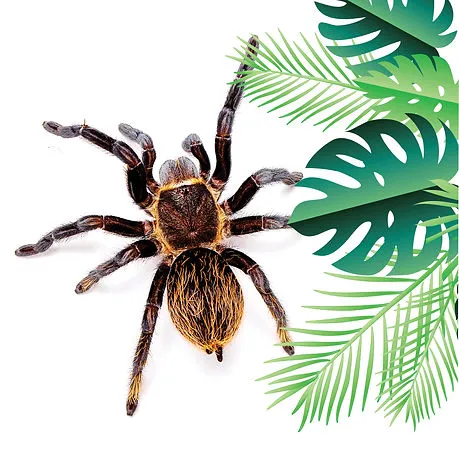
Chilean Rose Tarantulas are generally docile, but it’s important to handle them with care and respect. Tarantula bites, while not usually life-threatening, can be painful and can cause irritation. Handling should be kept to a minimum to avoid stressing the tarantula. Safe handling requires understanding the tarantula’s behavior and knowing how to react to any potential threats. This helps to provide a safe environment for both you and your pet.
Safe Handling Practices
If you choose to handle your tarantula, do so gently and slowly. Avoid sudden movements, as they can startle the tarantula. Handle the tarantula over a soft surface, such as a bed or a carpet, in case it falls. Wash your hands thoroughly before and after handling to prevent the transfer of any substances. Never force a tarantula to come out of its enclosure. Avoid handling during or shortly after molting. Be aware that some tarantulas have urticating hairs on their abdomen, which can be released as a defense mechanism, causing irritation to your skin and eyes. Keeping handling time to a minimum will minimize stress on the tarantula.
Recognizing Stress Signals
Observe your tarantula for signs of stress. A tarantula may exhibit defensive behaviors, such as raising its front legs, flicking its urticating hairs, or attempting to flee. If your tarantula displays these behaviors, it’s best to leave it alone. Ensure the tarantula has a secure hiding place in its enclosure to retreat to when it feels threatened. Providing a stable, stress-free environment is crucial for its health and well-being. Avoiding unnecessary handling and providing a comfortable habitat can significantly reduce stress. If the tarantula appears stressed, re-evaluate its enclosure and care routine.
Chilean Rose Tarantula Health and Wellness

Like any pet, Chilean Rose Tarantulas can experience health issues. Recognizing these problems and providing appropriate care is essential to ensure their long-term health and happiness. Understanding the common health issues, particularly the molting process, can give you a better idea of how to care for your tarantula and what to expect. Early detection of issues and an understanding of the natural processes will lead to better outcomes.
Identifying Common Health Issues
Common health issues include mites, fungal infections, and injuries. Mites can be identified by small, moving dots on the tarantula or in the enclosure. If you spot mites, you should immediately remove the tarantula and clean and disinfect the enclosure. Fungal infections can appear as discoloration or lesions on the tarantula. Seek advice from a veterinarian familiar with tarantulas if you suspect a fungal infection. Provide appropriate care, including maintaining optimal temperature and humidity levels, proper hygiene, and a balanced diet. Regular observation and good husbandry practices can prevent many health issues.
Molting Process
Molting is a natural process where tarantulas shed their exoskeletons to grow. During this time, the tarantula will typically stop eating, and its abdomen may appear darker. It may also lie on its back. Do not disturb a tarantula while it’s molting. Provide a humid environment, as this helps the process. After molting, the tarantula’s new exoskeleton will be soft. It will take a few days for it to harden completely. Provide food after the exoskeleton has fully hardened.
What to Expect

Before a molt, the tarantula will typically stop eating and may become reclusive. The abdomen may appear darker, and the tarantula may spend more time in its hide. The molt itself can take several hours. The tarantula will typically lie on its back, and its exoskeleton will split open. After molting, the tarantula will be vulnerable and soft. Avoid disturbing the tarantula during this critical period. Give it time to adjust to its new exoskeleton before providing food.
When to be Concerned
If the tarantula seems to be struggling during a molt, it could be an indication of a problem. Signs of distress include failure to shed the exoskeleton or the tarantula getting stuck. In such cases, providing additional humidity can sometimes help. If the tarantula does not molt successfully, contact a veterinarian specializing in exotic animals. Avoid handling the tarantula during the molting process unless absolutely necessary, and always prioritize its safety and well-being.
Conclusion
Caring for a Chilean Rose Tarantula is a rewarding experience, especially when you are well-informed and prepared. By following these seven key tips, you can provide a healthy and enriching environment for your pet. Understanding their habitat requirements, feeding habits, handling practices, and potential health issues will contribute to a happy and long-lived tarantula. Remember that each tarantula is an individual, so paying close attention to their unique needs and behaviors is essential. With proper care, your Chilean Rose Tarantula will be a fascinating and enjoyable companion for many years to come. Enjoy the journey of tarantula ownership and the unique experiences they bring!