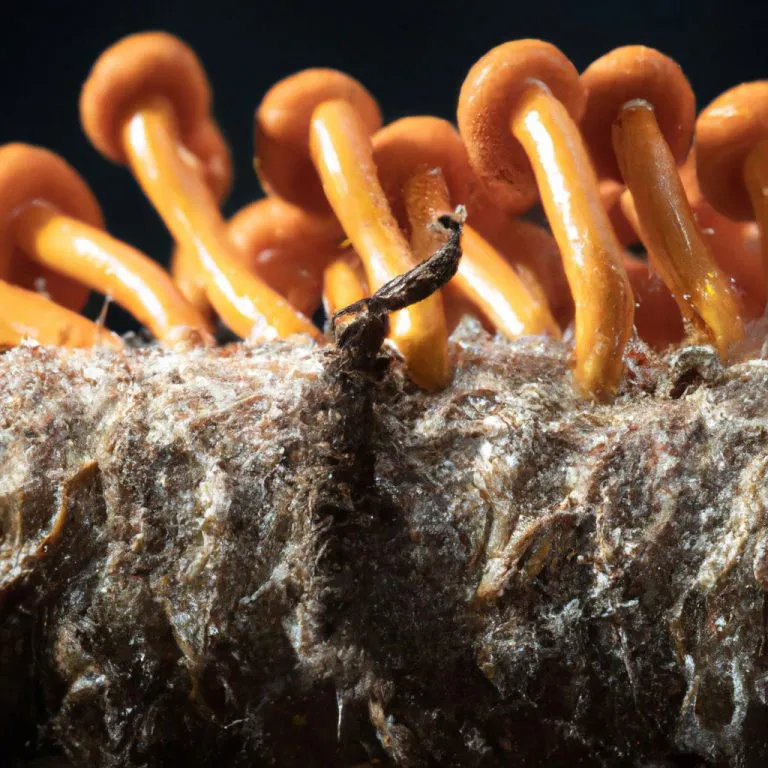
What is Cordyceps?
Cordyceps are a fascinating genus of fungi, encompassing over 600 species, that are renowned for their parasitic nature. These unique fungi are best known for their ability to infect and manipulate insects and other arthropods. What sets cordyceps apart is their complex life cycle, which often involves a host insect, where the fungus grows and eventually emerges, often in a dramatic fashion. This parasitic behavior makes cordyceps a subject of great scientific interest, especially in the fields of mycology and entomology. They’ve captured the imagination of scientists and nature enthusiasts alike due to their dramatic life cycle and their impact on the ecosystems they inhabit. This has led to extensive research aimed at understanding their biology, ecology, and potential applications. These fungi thrive in diverse environments worldwide, playing a significant role in regulating insect populations and shaping ecosystems.
The Cordyceps Lifecycle
The lifecycle of a cordyceps fungus is an intricate dance of parasitism. It begins with the fungal spores, which land on a suitable host, such as an insect. The spores germinate and penetrate the insect’s exoskeleton, entering its body. Once inside, the fungus begins to grow, consuming the insect from within. This process often leads to the insect’s demise. As the fungus matures, it replaces the insect’s tissues with its own hyphal structures. Finally, the fungus produces fruiting bodies, which emerge from the insect’s body. These fruiting bodies release new spores, starting the cycle anew. The entire process can take weeks or months, depending on the species of cordyceps and the host insect. Understanding the life cycle is critical to grasping how these fungi exert their control over their hosts. Furthermore, studying the cordyceps lifecycle provides valuable insight into the complex interactions within ecosystems.
How Cordyceps Infects Insects

The infection process is an intricate part of the cordyceps lifecycle. Cordyceps fungi employ various strategies to invade their insect hosts. Once the spores land on a host, they germinate and produce hyphae, which are thread-like filaments that penetrate the insect’s exoskeleton. The fungus then releases enzymes that break down the insect’s tissues, allowing the hyphae to spread throughout the insect’s body. As the fungus colonizes the host, it manipulates the insect’s behavior, often causing it to climb to an elevated position, which aids in spore dispersal. The infected insect typically dies, and the fungus continues to grow, eventually producing fruiting bodies that emerge from the insect’s body. The entire process is a testament to the efficiency and complexity of parasitic interactions in the natural world. This process showcases the sophisticated ways in which fungi can exploit the biology of their hosts.
The Tarantula’s Predicament
When a tarantula becomes infected by cordyceps, it faces a dire situation. The fungus infiltrates the tarantula’s body, gradually consuming its tissues and disrupting its bodily functions. The tarantula’s behavior is often altered, potentially leading it to positions that favor the fungus for spore dispersal. The infection typically results in the tarantula’s death. Cordyceps takes over its host, replacing its internal structure with fungal mass. This process is not only a fascinating display of natural parasitism, but also a demonstration of the power that fungi can exert over arthropods. The fate of the tarantula serves as a powerful illustration of the intricate relationships in ecosystems and the often unseen battles that shape the natural world. The tarantula’s predicament highlights the dramatic consequences of the parasitic relationship between cordyceps and its host.
Tarantula’s Habitat and Behavior
Tarantulas, the large, hairy spiders, thrive in diverse habitats around the world, from tropical rainforests to arid deserts. Their behavior varies depending on the species, but they are generally nocturnal hunters, often living in burrows or under rocks. Tarantulas are ambush predators, waiting patiently for prey to come within striking distance. Their diet typically consists of insects, small vertebrates, and sometimes even other tarantulas. Understanding the tarantula’s habitat and behavior is crucial when studying cordyceps-tarantula interactions. The tarantula’s lifestyle influences the likelihood of exposure to cordyceps spores and the subsequent infection process. Their habitat provides essential environmental factors that influence fungal growth. Studying their behavior is critical to understanding how these interactions play out in the wild. This information is invaluable in comprehending the complex ecology of these interactions.
The Time Lapse What to Expect

A time-lapse video offers a compelling visual narrative of the cordyceps-tarantula interaction. The process typically involves capturing a series of images over an extended period, revealing the gradual changes as the fungus colonizes the tarantula. Viewers can witness the initial stages of infection, the growth of the fungus within the tarantula, and the eventual emergence of fruiting bodies. The time-lapse allows for a dramatic visualization of a process that would otherwise be unseen due to its slow pace. This format is perfect for showcasing the intricacies of this interaction. Expect to see the slow, relentless spread of the fungus as it takes over the tarantula’s body. The time-lapse often highlights the fascinating morphological changes as the fungus matures, culminating in the formation of its fruiting bodies. The result is a stunning and informative depiction of nature’s parasitic wonders, providing insights into the delicate balance of the ecosystem.
Setting Up a Time Lapse
Creating a time-lapse requires careful planning and execution. The setup involves several key components. First, a suitable camera and lens are required, along with a stable tripod to prevent any movement during the process. The lighting conditions must be consistent, which may require artificial lighting. The subject, the tarantula and cordyceps, should be placed in a controlled environment, such as a terrarium. Setting up the camera to capture images at regular intervals, such as every few hours or days, is crucial. A timer or intervalometer is essential for automating the image capture process. The images must be compiled into a video sequence. This allows for a detailed record of the progression. The time-lapse setup is essential to capturing the whole lifecycle in a short period. Careful consideration should be given to the camera settings, lighting conditions, and environmental control to ensure a high-quality time-lapse video that accurately portrays the interaction between cordyceps and the tarantula.
Capturing the Cordyceps Growth
The most critical part of the time-lapse is the accurate capture of the cordyceps growth. This requires meticulous attention to detail. Ensure the tarantula is placed in a well-lit environment, allowing the camera to capture clear images. Position the camera to provide a comprehensive view of the tarantula. Start capturing images at regular intervals, following the time-lapse setup. Monitor the process regularly, and make necessary adjustments to lighting or camera settings. As the cordyceps grows, the camera should capture every stage. Proper focus and image quality are vital. Consider using a macro lens. This allows you to see the intricate details of the fungal structures. The successful capture of cordyceps growth requires patience, precision, and a thorough understanding of time-lapse techniques. This ensures a comprehensive and visually stunning representation of the cordyceps-tarantula interaction.
Data Analysis of Time Lapse

Analyzing the data from a cordyceps-tarantula time-lapse provides valuable insights into the fungal infection process. By reviewing the time-lapse footage, researchers can observe the rate of fungal growth, the progression of tissue degradation, and the overall impact on the tarantula. Data analysis involves carefully reviewing the images and measuring various parameters. This can involve measuring the size and shape of the fungal structures over time. The analysis can reveal information about the speed of infection and the stages of the parasitic process. Quantitative data can be extracted through measurements and statistical analysis. This data can then be compared to other studies. Time-lapse data analysis can help in understanding the mechanisms of parasitism and their impact on ecosystems. This helps in gaining a better understanding of the complex interactions between organisms and their environment.
What Can We Learn from Cordyceps-Tarantula Time Lapses?
Cordyceps-tarantula time-lapses offer a unique window into the world of parasitism. These videos reveal how fungi can infect and manipulate their hosts. They reveal the intricate mechanisms of fungal growth and the devastating impact on the tarantula. Through these time-lapses, we learn about the complex interactions within ecosystems, providing insights into the delicate balance of nature. The videos allow us to observe the lifecycle of the fungus in a way that is not otherwise possible. We can analyze the speed of the infection. Moreover, time-lapses provide valuable data for scientific research. These time-lapses reveal nature’s strategies and the delicate balance between life and death. We gain a deeper understanding of the natural world.
Conservation and Research Implications
The study of cordyceps and tarantulas has significant implications for both conservation efforts and scientific research. Understanding the biology of these fungi and their interactions with their hosts is crucial for conservation. By studying the factors that influence fungal infections, researchers can identify threats to tarantula populations and develop strategies to mitigate them. Research on cordyceps also contributes to our understanding of biodiversity and the complex relationships within ecosystems. The data generated from these studies can be applied to various fields. The findings can aid in the development of novel pharmaceuticals and biological control agents. The ongoing research contributes to a broader understanding of the natural world and its interconnectedness. The information gathered from these studies plays a role in maintaining ecological balance.
Cordyceps: Medicinal Potential

Cordyceps fungi have a rich history in traditional medicine, particularly in Eastern cultures. The fungi are known for a range of potential health benefits. Cordyceps are believed to have immune-boosting properties, anti-inflammatory effects, and anti-aging effects. Researchers are investigating cordyceps’ ability to combat various diseases, including cancer, diabetes, and respiratory illnesses. The use of cordyceps in modern medicine is expanding, with supplements and extracts becoming increasingly popular. Cordyceps research is continuously providing evidence for the use in a clinical context. The potential of cordyceps as a natural therapeutic agent. The unique compounds found in cordyceps can have a wide range of health benefits, thus expanding its use.
Other Cordyceps Species
While the cordyceps-tarantula interaction is captivating, the cordyceps genus encompasses a diverse range of species, each with its unique host preferences and ecological roles. Cordyceps species infect various insects and arthropods. Some species are known for their medicinal properties. Each species exhibits a distinct life cycle and infection strategy. Different species showcase the remarkable diversity within the cordyceps family. The different species have the ability to adapt to diverse environments. Exploring these different cordyceps species allows us to understand the larger diversity and their ecological impacts.
Popular culture references
The cordyceps fungus has made its mark in popular culture, appearing in books, movies, and video games. The most notable reference is in The Last of Us, where the fungus is depicted as a major threat. Cordyceps serves as a symbol of nature’s ability to both inspire and terrify. Its presence in these media formats has raised public awareness and has spurred interest in the real-world applications of the fungus. Cordyceps continues to captivate and influence the imaginations of many.