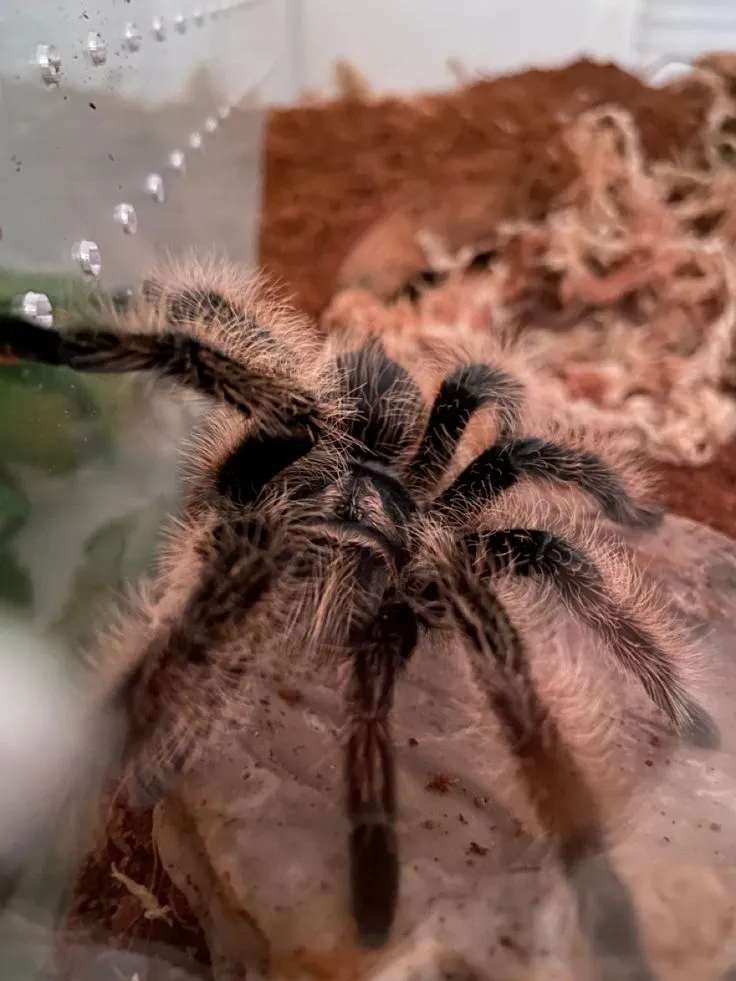
What is a Curly Hair Tarantula Egg Sac
The curly hair tarantula (Tliltocatl albopilosus), a captivating species admired for its gentle nature and distinctive appearance, is a popular choice among tarantula enthusiasts. One of the most exciting aspects of owning a curly hair tarantula is the opportunity to observe the creation and development of its egg sac. This silken pouch, meticulously crafted by the female tarantula, serves as a protective haven for her eggs, safeguarding them from external threats and maintaining optimal conditions for development. Understanding the intricacies of the egg sac is vital for those seeking to breed these fascinating creatures or simply to provide the best possible care for their pet. The egg sac is, in essence, the cradle of the next generation of curly hair tarantulas, representing a significant investment of the female’s energy and resources. Observing and understanding the egg sac is one of the most rewarding aspects of tarantula ownership.
Formation of the Egg Sac
The creation of the egg sac is a remarkable feat of arachnid engineering, a complex process that begins with mating. After the successful mating of the female tarantula, she undergoes a period of physiological changes, including the development of eggs within her abdomen. Once the eggs are fully formed, the female tarantula initiates the egg sac construction process. She begins by spinning a special silk mat within her enclosure, serving as the foundation for the egg sac. This mat is then carefully layered with the eggs, arranged in a compact cluster. After laying the eggs, the female will use her spinnerets to weave a dense, protective layer of silk around the eggs, completely encasing them within the sac. This protective barrier not only safeguards the developing eggs from predators and environmental hazards but also helps to maintain the precise temperature and humidity levels crucial for successful incubation. The female tarantula may spend several hours or even days meticulously constructing the egg sac, demonstrating a remarkable dedication to the survival of her offspring.
The Breeding Process

Breeding curly hair tarantulas can be a rewarding experience, but it requires a solid understanding of their life cycle and a commitment to providing optimal conditions. The breeding process begins with the introduction of a mature male and female, ideally in an enclosure specifically designed for breeding. It is crucial to ensure that the female is well-fed and in peak health before introducing her to a male, as this will greatly influence her ability to produce a healthy egg sac. The introduction of the male must be closely monitored, as the female may perceive him as a threat and attempt to attack. After successful mating, the female will undergo a period of gestation, during which she will develop her eggs and prepare for the creation of the egg sac. During this time, it is crucial to provide the female with a nutritious diet and a comfortable, stress-free environment. The breeding process highlights the intricate reproductive behavior of these fascinating creatures and requires patience, observation, and a commitment to providing the best possible care.
How the Egg Sac is Created
The female curly hair tarantula utilizes specialized structures called spinnerets located at the tip of her abdomen to produce the silk that forms the egg sac. She manipulates the silk with her pedipalps and chelicerae, weaving a protective enclosure. The silk itself is an extraordinary natural material, offering both remarkable strength and flexibility. The female tarantula typically holds the egg sac within her fangs, closely guarding it and frequently turning it to ensure all eggs receive the proper exposure to oxygen and maintain the correct conditions. This process can be a labor-intensive undertaking, lasting for several hours or even days depending on the size of the clutch and the female’s individual behavior. The result is a perfectly crafted protective sac that is crucial for the survival of the eggs.
How Many Eggs are in a Sac
The number of eggs contained within a curly hair tarantula egg sac can vary considerably, but typically ranges from 200 to 800 eggs. This number depends on factors such as the female’s size, age, overall health, and previous breeding history. Larger, more mature females generally produce a higher number of eggs. The size of the egg sac can also provide an indication of the potential number of spiderlings that will eventually hatch. However, it is important to remember that not all eggs will necessarily hatch successfully. The survival rate can be influenced by a variety of factors, including environmental conditions and the overall health of the eggs. Providing the optimal care and maintaining the appropriate conditions during the incubation period will significantly increase the chances of successful hatching and the survival of the spiderlings.
Incubation and Development

Following the creation of the egg sac, the eggs enter the incubation period, a crucial phase where the eggs undergo significant development, eventually transforming into tiny spiderlings. The duration of the incubation period can vary. In this period the eggs are inside the egg sac for some time, typically lasting anywhere from 6 to 12 weeks, though this is dependent on factors like temperature and humidity. During incubation, the female tarantula diligently cares for the egg sac, frequently turning it to ensure even exposure and maintaining the necessary humidity levels. The female’s dedication and vigilance during this period are vital for the success of the incubation process. Careful observation of the egg sac during incubation is an amazing display of natural biology, providing a unique opportunity to witness the miracle of life unfold. This period is vital to the survival of the spiderlings.
Temperature and Humidity Needs
Maintaining the appropriate temperature and humidity levels is paramount for successful incubation. The ideal temperature range for the curly hair tarantula egg sac is generally between 78-82°F (25-28°C). Humidity levels should be carefully monitored and maintained within the range of 75-80%. These precise conditions mimic the natural environment. This can be achieved by regular misting of the enclosure and ensuring the availability of a shallow water dish. Proper ventilation is also essential to prevent the build-up of excess moisture and the potential for mold growth. Fluctuations in temperature or humidity can be extremely detrimental to the developing eggs and spiderlings, underscoring the importance of consistent monitoring and adjustments. Using a reliable hygrometer and thermometer will assist in accurately monitoring the environment and ensuring that the necessary conditions are met.
Signs of a Healthy Egg Sac
Identifying the characteristics of a healthy egg sac can help owners ensure that the eggs are developing properly and to intervene if any issues arise. A healthy egg sac will typically appear plump and firm to the touch, with the silk intact and free of any tears or discoloration. The female tarantula will actively guard the egg sac. It is a sign that she is exhibiting normal feeding behavior. When viewed closely, the eggs within a healthy sac will often exhibit a slight discoloration, which is a normal part of the development process. It is essential to avoid disturbing the egg sac excessively, as this can stress the female and potentially damage the eggs. Consistent observation and monitoring will help to identify and address any potential issues early on. This will ensure the eggs remain healthy.
What to Do if the Egg Sac is Unhealthy

If you suspect that the egg sac is unhealthy, prompt action is necessary. Signs of an unhealthy egg sac include a change in color, the presence of mold or other unusual growths, or the female abandoning the sac. In instances where mold is present, it may be necessary to carefully remove the egg sac and attempt to gently clean it. This is, however, a risky procedure and should only be undertaken by experienced individuals. In the case of abandonment, it may be possible to attempt artificial incubation of the eggs, though the success rate is often lower compared to if the mother continues to care for them. It is always advisable to consult with an experienced tarantula breeder or a veterinarian with expertise in arachnids for guidance and support. The health of the eggs should always be the top priority, and taking swift and decisive action will provide the best possible chance of a successful outcome.
The Hatching Process
The hatching process is a remarkable and awe-inspiring event to witness. After the incubation period, the spiderlings begin to emerge from the egg sac, marking the beginning of a new generation. Initially, the spiderlings, often referred to as ’nymphs’, are incredibly small and vulnerable, resembling tiny versions of their adult counterparts. They typically remain within the egg sac for a period of time, undergoing their first molt and continuing their development. The time it takes for spiderlings to fully develop varies. This depends on the conditions in the enclosure. The hatching process is a defining moment. It marks a critical stage in the spiderlings’ life cycle, and providing the right environment and proper care at this juncture can significantly increase their chances of survival. Witnessing the emergence of the spiderlings is a rewarding experience for any tarantula owner.
Caring for Spiderlings
Newly hatched spiderlings require very specialized care due to their small size and delicate nature. They will need a small, secure enclosure, often referred to as a ‘spiderling enclosure,’ which provides proper ventilation and consistent temperature and humidity levels. The enclosure should be cleaned regularly to remove any uneaten food or waste, as cleanliness is essential to prevent the build-up of bacteria and mold. Handling spiderlings should be done with extreme care, as they are very fragile. Always provide small water dishes or shallow water sources to prevent the risk of drowning. Due to the risk of cannibalism, it is generally best to house each spiderling in its own individual enclosure. The provision of appropriate and safe housing is an essential factor to support the health and well-being of the baby tarantulas.
Feeding Spiderlings

Feeding spiderlings requires a meticulous approach, given their small size and the need for appropriately sized prey items. Flightless fruit flies or pinhead crickets are excellent choices for providing nutrition to baby tarantulas. The frequency of feeding should be adjusted based on the spiderlings’ age, growth rate, and feeding habits, with younger spiderlings typically requiring feeding every other day or even daily. Overfeeding should always be avoided, as this can lead to health problems and potentially shorten the spiderlings’ lifespan. Any uneaten food should be removed within 24 hours to prevent the growth of mold or mites, both of which can pose a threat to the spiderlings’ health. Regularly monitor the spiderlings’ eating habits and adjust the feeding schedule as needed to ensure they are thriving and growing at a healthy rate. Providing appropriate nutrition is crucial to support the growth and development of the spiderlings.
Growth and Development
Spiderlings progress through a series of molts, shedding their exoskeleton to allow for growth. The frequency of molting varies, depending on factors such as the spiderling’s age, feeding habits, and overall health. The provision of the right environmental conditions, particularly maintaining appropriate humidity levels, is crucial for ensuring successful molting. As the spiderlings grow, you will need to provide them with larger enclosures to accommodate their increasing size and prevent overcrowding. Observing the growth and development of spiderlings is a fascinating and rewarding process, and understanding the specific requirements during this phase is vital for their long-term well-being. Each molt is a sign of the spiderlings thriving and signifies their progress toward adulthood.
Common Issues and Solutions
Tarantula keepers, regardless of their experience level, may occasionally encounter a range of challenges. A proactive approach, based on awareness of potential issues and preparedness with solutions, is essential for maintaining the health and well-being of the tarantula. With experience, tarantula care can become easier to manage. Rapidly addressing problems can significantly enhance the chances of a successful outcome and, in turn, increase the health of the spiderlings. Furthermore, developing a proactive approach to potential problems, especially through acquiring knowledge beforehand, is an invaluable way to minimize associated risks.
Mites and Mold

Mites and mold are two of the most common problems encountered by tarantula keepers. Mites can infest the tarantula’s enclosure, often feeding on organic matter and posing a threat to the tarantula and, in particular, the spiderlings. Mold can result from excessive humidity or inadequate ventilation, creating an unhealthy environment. If you detect an infestation of mites or the presence of mold, prompt action is critical. Mites can often be addressed through thorough cleaning of the enclosure, including the removal of any contaminated substrate and a careful cleaning of the tarantula and its enclosure. Improve ventilation and ensure that the enclosure is kept dry to prevent mold. Also, implementing a regular cleaning and hygiene schedule can help minimize problems. Proper management of the enclosure environment is essential to prevent the growth of both mites and mold. Regular cleaning and the maintenance of good ventilation are key to maintaining a healthy environment for the tarantula.
Egg Sac Abandonment
Egg sac abandonment, a situation where the female tarantula ceases to care for the egg sac, can occur for a variety of reasons. This may be a result of stress, environmental issues, or underlying health problems. If the female tarantula abandons the egg sac, there may be an opportunity to attempt artificial incubation of the eggs. This involves carefully placing the egg sac in a controlled environment that mimics the conditions the female would have provided, although the success rate of artificial incubation may vary. Understanding the potential reasons for abandonment is vital. Prioritizing stress reduction, as well as taking other preventative measures can improve outcomes. Taking the time to address the problem in a calm and composed manner is recommended.
Preventing Problems
Preventing potential issues is always the best strategy for ensuring the well-being of a curly hair tarantula and its offspring. Regularly monitor and maintain the appropriate temperature and humidity levels within the enclosure. Ensure the enclosure is cleaned regularly, and fresh water is always provided. Maintain proper ventilation to prevent the build-up of excess moisture and the growth of mold. Feed the tarantula an appropriate diet and avoid overfeeding. Employ safe and proper handling techniques to minimize stress. Consult experienced tarantula keepers, breeders, and veterinarians. Regular monitoring and attentive care are the keys to success. A focus on preventative measures will greatly increase the chance of a high survival rate among the tarantula and its offspring.
Conclusion

Understanding the intricacies of the curly hair tarantula egg sac is fundamental for both successful breeding and responsible pet ownership. From the initial creation of the egg sac to the final hatching and the subsequent rearing of the spiderlings, each stage of development requires careful attention and dedicated care. This guide has covered a comprehensive range of subjects related to the egg sac and spiderling care. By understanding the needs of the tarantula at each stage of the life cycle, you can provide a great and enriching environment. The development of appropriate conditions and a suitable environment will significantly enhance the tarantula’s overall health and well-being, as well as your own appreciation of these unique and fascinating creatures.