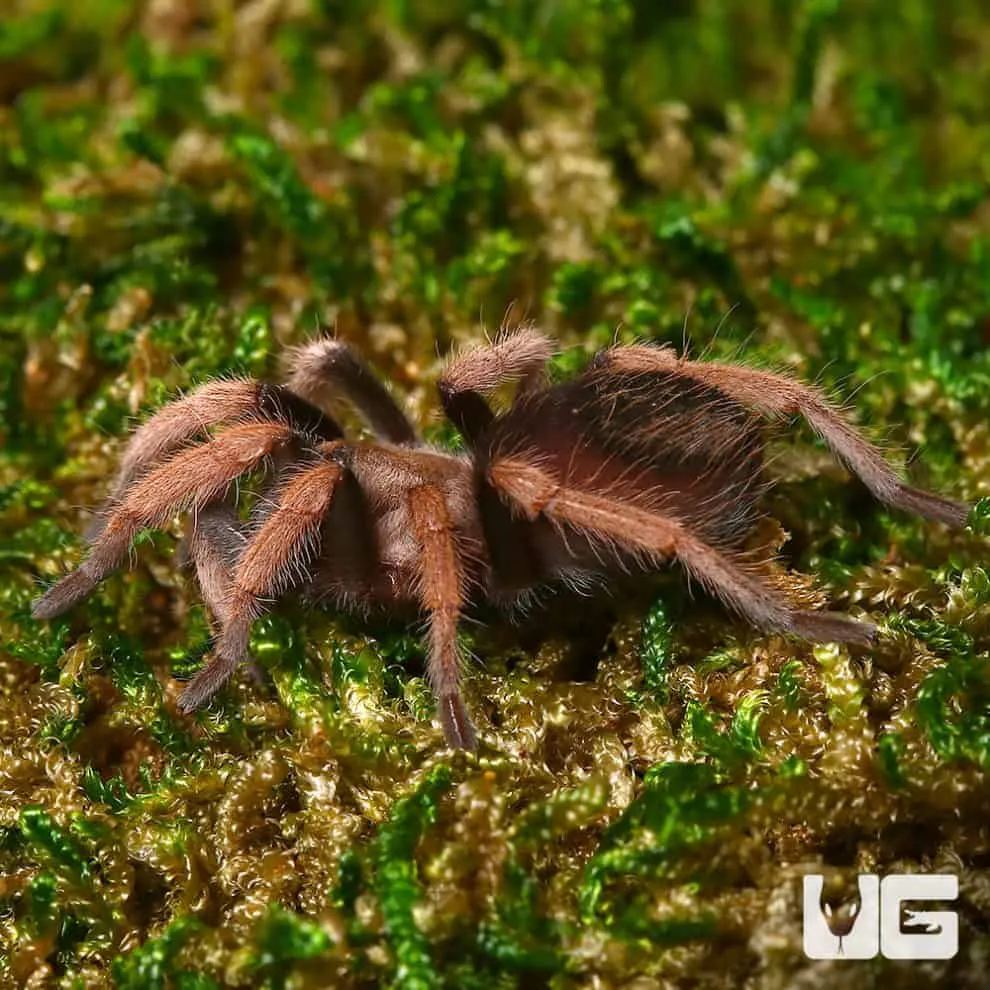
Curly Hair Tarantula Female Overview
The Curly Hair Tarantula (Tliltocatl albopilosus), a popular pet spider, captivates with its striking appearance and relatively docile temperament. This comprehensive guide delves into the specifics of caring for a female Curly Hair Tarantula, covering everything from habitat setup and feeding to health, breeding, and more. Understanding the unique needs of these fascinating creatures is key to providing them with a long and fulfilling life in captivity. This guide aims to be your go-to resource for all things related to female Curly Hair Tarantulas, ensuring you have the knowledge to become a responsible and successful tarantula keeper.
Appearance and Characteristics
The Curly Hair Tarantula is instantly recognizable, primarily due to the abundance of light brown hairs that give it a ‘curly’ appearance, particularly when viewed in good light. These hairs, technically called setae, cover the body and legs, providing a unique texture. The spider’s carapace (the top part of the cephalothorax) and legs are typically dark brown or black, providing a striking contrast to the lighter body hairs. These spiders are generally robust in build and possess powerful chelicerae, which are used for grasping prey and, occasionally, for defense. Understanding these visual characteristics is the first step in appreciating the beauty of this species.
Coloration and Markings

The overall coloration of a female Curly Hair Tarantula varies slightly based on age, molting cycles, and environmental factors. Younger specimens tend to have a lighter overall color, while adults can develop darker hues. The distinctive ‘curly’ hairs are typically a light brown or golden color, although the exact shade can vary. The abdomen often displays a pattern of darker markings, and the legs may have subtle banding. Careful observation of these markings can provide valuable insights into the spider’s health and developmental stage.
Size and Growth
Female Curly Hair Tarantulas are generally larger than their male counterparts. They can reach a leg span of up to 5-6 inches, making them a relatively large tarantula species. Growth is a gradual process, and tarantulas molt to shed their exoskeleton and grow larger. The frequency of molting decreases as the spider matures. Providing proper nutrition and a suitable environment is crucial for optimal growth. Regular monitoring of size and appearance is important for the health of your spider.
Habitat and Housing
Creating the right habitat is fundamental to the well-being of your Curly Hair Tarantula. The enclosure should mimic its natural environment, providing shelter, appropriate humidity, and a comfortable temperature. The size of the enclosure will depend on the size of the tarantula, with larger females requiring more space. Safe and enriching habitat is essential for its survival and happiness. Careful setup of the enclosure minimizes stress and encourages natural behaviors. The perfect home is an important key for your spider’s well-being.
Enclosure Setup

A glass or plastic terrarium is ideal for housing a Curly Hair Tarantula. The enclosure should be escape-proof, with a secure lid. For adult females, a terrarium that is at least 10-gallon capacity is recommended, although a 20-gallon is even better. The enclosure should be taller than it is wide, as this species is terrestrial and does not climb excessively. Ventilation is crucial to prevent the build-up of humidity and the growth of mold. The enclosure must be easy to clean and maintain.
Substrate and Furnishings
The substrate should be several inches deep to allow the tarantula to burrow if it chooses. A mixture of peat moss, coco fiber, and vermiculite is an excellent choice, as it holds moisture and provides a natural feel. Other furnishings should include a hide, such as a piece of cork bark or a hollow log, for the tarantula to retreat to. Provide a shallow water dish that is easily accessible and large enough for the tarantula to drink from. Adding a few artificial or live plants can also enhance the enclosure’s aesthetic appeal and offer additional security for the spider.
Temperature and Humidity
Curly Hair Tarantulas thrive in temperatures between 75-85°F (24-29°C). A heating pad placed on the side or back of the enclosure can provide the necessary warmth, but it must be regulated to avoid overheating. Humidity levels should be maintained at around 60-70%. This can be achieved by misting the enclosure with water once or twice a week and by ensuring that the substrate remains slightly damp. A hygrometer is essential for monitoring humidity levels, as too much or too little can cause health issues. Proper climate conditions are essential for your pet’s good health.
Feeding and Diet

A well-balanced diet is vital for the health and longevity of a female Curly Hair Tarantula. They are opportunistic predators, and their diet should consist primarily of insects. The type and frequency of feeding will vary depending on the spider’s age and size. Providing the right nutrition ensures proper growth and development. Clean water is important for hydration.
Dietary Needs
The primary food sources for Curly Hair Tarantulas are insects, such as crickets, roaches, and mealworms. The insects should be gut-loaded with nutritious food for 24 hours before feeding to provide the tarantula with a balanced diet. Avoid feeding wild-caught insects, as they may carry parasites or pesticides. The size of the prey should be appropriate for the spider’s size; the insects should be no larger than the tarantula’s body.
Feeding Frequency
Juvenile tarantulas should be fed 2-3 times a week, while adult females can be fed once or twice a week. Adjust the feeding schedule based on the spider’s appetite and body condition. If the tarantula is refusing food, it may be in pre-molt, and it’s best to reduce feeding until after the molt. Always remove uneaten prey within 24 hours to prevent stress or injury to the tarantula.
Watering Your Tarantula

Fresh water should always be available. A shallow water dish filled with clean water is essential. Regularly check and refill the water dish, especially if it’s shallow. Some keepers also mist the enclosure lightly, particularly during molting, to help maintain humidity. Make sure the water dish is not too deep, to prevent the tarantula from drowning.
Handling and Temperament
Curly Hair Tarantulas are generally known for their docile temperament, making them a popular choice for beginner tarantula keepers. However, it’s crucial to handle them with caution and respect. While they are not typically aggressive, they can bite if provoked, and their urticating hairs can cause irritation. Understanding their behavior and practicing safe handling techniques is paramount. The more you know about your spider’s behavior, the better you will be at looking after it.
Understanding Tarantula Behavior
Tarantulas are generally solitary creatures, and they prefer to be left undisturbed. Signs of stress include flicking hairs off the abdomen, raising their front legs in a defensive posture, or rapidly retreating. If the tarantula shows signs of stress, it is best to leave it alone. Observe their behavior, feeding habits, and movement patterns in order to understand if anything is wrong with the tarantula.
Handling Safety

Handle your Curly Hair Tarantula only when necessary, and always do so with extreme care. Avoid handling shortly after feeding or during molting. If you must handle the spider, do so close to the ground or a soft surface to prevent injury in case of a fall. Wash your hands thoroughly after handling and avoid touching your face. Be aware of the urticating hairs, which can cause skin irritation. Always be gentle, and never force the tarantula to do anything it does not want to do.
Health and Lifespan
Female Curly Hair Tarantulas, with proper care, can live for an impressive lifespan, making them a long-term commitment. Regular observation and attention to their health are essential to ensure their longevity. Knowing the common health issues and what to expect over time will help you provide the best possible care. Regular health checks are as important for tarantulas as they are for any other pet.
Common Health Issues
Common health issues in Curly Hair Tarantulas include mites, fungal infections, and dehydration. Mites can often be detected as tiny, moving specks on the spider or the substrate. Fungal infections can result from excessively humid conditions or poor ventilation. Dehydration can occur if the tarantula doesn’t have access to fresh water. Regular cleaning and monitoring of the enclosure are key to preventing many of these issues. Consult with an experienced tarantula keeper or veterinarian specializing in exotic animals if you notice any signs of illness.
Lifespan Expectations
Female Curly Hair Tarantulas can live for an average of 10-20 years, with some individuals living even longer. The lifespan is highly dependent on the care they receive. Provide a proper habitat, a balanced diet, and appropriate temperature and humidity, and your tarantula will have the best chance of living a long and healthy life. Male tarantulas typically have a much shorter lifespan, often only living for a few years after reaching maturity.
Breeding Curly Hair Tarantulas
Breeding Curly Hair Tarantulas can be a rewarding but complex process. It requires careful preparation, knowledge of the species’ behavior, and a commitment to caring for the offspring. Breeding is only recommended for experienced tarantula keepers. The main steps are sexing your tarantula, finding a suitable mate, and carefully monitoring the egg sac.
Sexing a Curly Hair Tarantula
It’s essential to accurately determine the sex of your tarantula before attempting to breed. The most reliable method is to examine the underside of the tarantula’s abdomen after a molt. Females have a spermatheca (a sperm storage organ), which appears as a small, raised plate. Males have a slightly different structure, typically without the spermatheca. Additionally, male tarantulas have modified pedipalps, which they use for mating. Sexing can also be done via the molt, by looking at the epigastric furrow.
Mating and Egg Sacs
Once you’ve confirmed the sex of your tarantulas, the next step is to introduce a mature male to a mature female. This process should be done with caution, as the female may try to eat the male. After mating, the female will usually lay an egg sac containing hundreds of eggs. She will then carefully guard and care for the egg sac until the spiderlings hatch. This process requires a lot of responsibility and dedication.
Caring for Spiderlings
After the spiderlings hatch, they will need to be separated and provided with their own individual enclosures. They will require a small, appropriate enclosure with a suitable substrate, water source, and small food items, such as flightless fruit flies. It can be a lot of work, as you will need to feed the spiderlings every few days, and ensure the correct temperature and humidity. This process takes a lot of responsibility.
Conclusion
Caring for a female Curly Hair Tarantula can be a rewarding experience, offering a unique opportunity to observe and appreciate the fascinating world of arachnids. By following this guide, you can provide your tarantula with the best possible care, ensuring its health, longevity, and overall well-being. Remember to continuously learn and adapt your care practices based on your tarantula’s individual needs. Enjoy the journey of tarantula keeping!