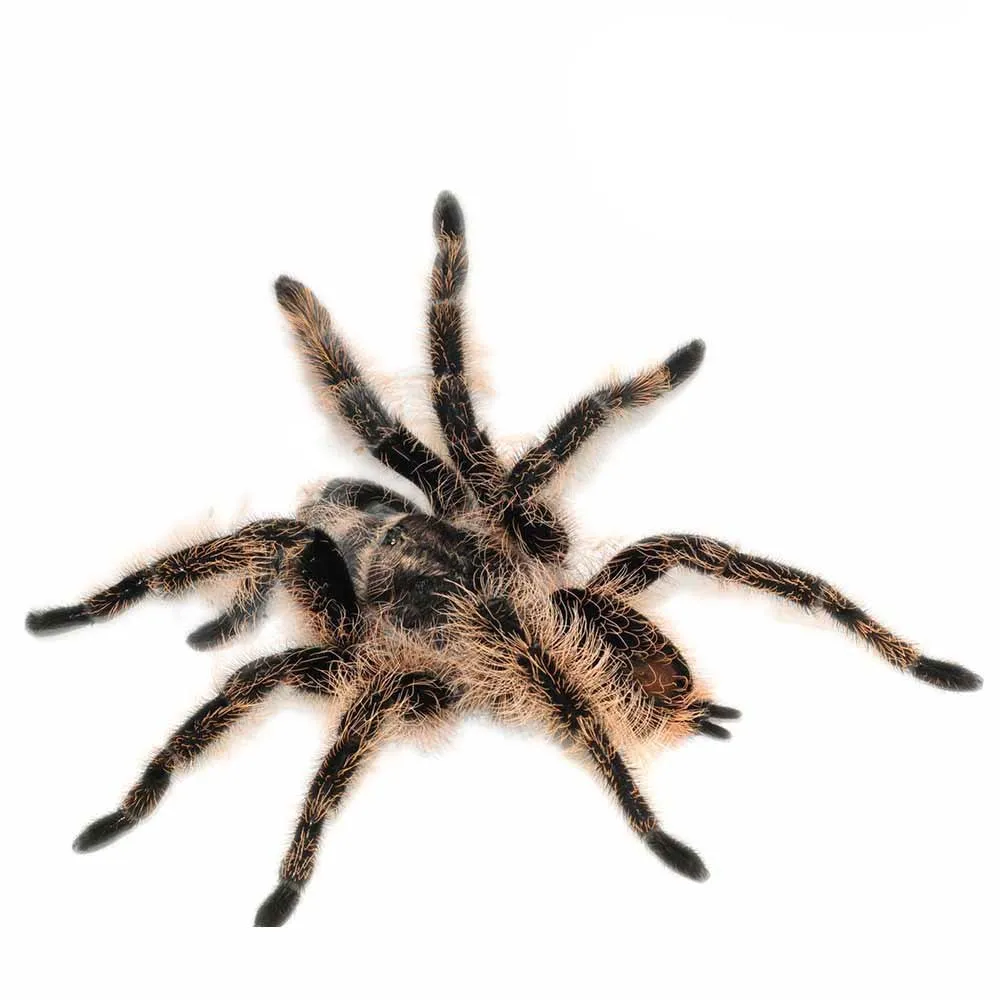
What is a Curly Hair Tarantula Web?
The curly hair tarantula, scientifically known as Tliltocatl albopilosus, is a fascinating creature, and its web is a critical part of its life. Unlike some spiders that construct elaborate webs for catching prey, the curly hair tarantula’s web serves multiple purposes. These webs are not designed to be grand architectural feats but rather functional structures. Understanding these webs provides valuable insight into the tarantula’s behavior, survival strategies, and overall lifestyle. This guide delves into the composition, purpose, and interesting facts surrounding the curly hair tarantula’s web, revealing a hidden world of arachnid ingenuity. From silk production to web variations, we will explore the intricate details of these crucial structures.
Web Composition
The primary material of a curly hair tarantula’s web is silk, a protein-based fiber produced by specialized glands located in the tarantula’s abdomen. This silk is remarkably strong, flexible, and lightweight, making it perfect for the web’s various functions. The composition of the silk varies depending on the tarantula’s needs, but it typically includes a combination of proteins, amino acids, and other substances. The spider spins this silk using spinnerets, which are located at the rear of its abdomen. These spinnerets allow the tarantula to precisely control the silk’s direction and thickness, crafting a web that is perfectly suited to its environment and needs. The silk’s composition gives it the ability to adapt to different conditions and fulfill a range of purposes.
Silk Production

Silk production is an intricate process, finely tuned in the curly hair tarantula. The tarantula has several spinnerets, each producing different types of silk for various purposes. The process starts with the production of silk proteins within specialized glands. These proteins are then extruded through the spinnerets as liquid silk. Once exposed to air, the liquid silk solidifies into strong, flexible strands. The tarantula’s ability to control the silk’s properties, such as stickiness, elasticity, and strength, is crucial for the web’s effectiveness. The process allows the tarantula to create diverse web structures, from the delicate strands of a retreat to the robust framework of a molting area. Learning about this process underscores the efficiency and design of the curly hair tarantula’s adaptation.
Why Do They Build Webs?
Curly hair tarantulas build webs for a multitude of reasons that directly impact their survival. These webs are not simply random constructions; they are carefully crafted tools designed to enhance the tarantula’s ability to thrive in its environment. The primary purposes of the web include providing protection, aiding in prey capture, and creating a safe haven. The web’s presence highlights the tarantula’s ability to adapt to its surroundings. We will explore the ways in which the web supports the tarantula’s basic needs.
Web Purpose
The primary function of a curly hair tarantula’s web is as a retreat and a sensory aid. Unlike orb-weavers that construct elaborate traps, curly hair tarantulas often use their webs as a safe haven. The web lines the burrow, provides a stable surface for molting, and helps the tarantula detect vibrations from potential prey or predators. The web serves as a crucial signal system, allowing the tarantula to respond quickly to environmental changes and threats. This also provides insulation and regulates humidity, creating a microclimate that supports the tarantula’s health. The web is an essential tool for survival, enabling the tarantula to thrive in diverse habitats.
Protection from Predators

The web provides the curly hair tarantula with significant protection from predators. The burrow, lined with silk, offers a secure shelter where the tarantula can retreat from threats. The silk lining the burrow adds structural integrity, making it harder for predators to access the tarantula. The web also serves as an early warning system. Vibrations on the web alert the tarantula to the presence of potential predators, giving it time to react and hide. This protection enhances the tarantula’s chances of survival in the wild. Additionally, the web helps to camouflage the burrow, making it less visible to predators.
Prey Capture
While not designed as a primary trapping device, the web does play a role in prey capture. The silk, spun around the burrow entrance, can help detect the approach of prey. When an insect or other potential meal brushes against the web, the vibrations alert the tarantula to the opportunity. The tarantula will then quickly emerge from its burrow to ambush the unsuspecting prey. In its burrow, the tarantula may use silk to restrain prey. While curly hair tarantulas are primarily ambush predators, their webs increase the chances of successful hunts.
Web Variations and Types
The web of a curly hair tarantula is not a static structure; it can vary based on the tarantula’s needs, the environment, and its life stage. These variations give important clues regarding its adaptation. There are multiple types, each contributing differently to the tarantula’s survival. Understanding the various forms of the web offers additional insights into the adaptability of these fascinating creatures.
Web as a Retreat

One of the most common web structures is a simple retreat. This is a silk-lined burrow or hideout, where the tarantula spends most of its time. The silk lining stabilizes the burrow, preventing it from collapsing. The retreat is a crucial component of their behavior, protecting them from predators and harsh weather conditions. This provides a safe and secure environment where they can rest, molt, and evade threats. The web’s presence defines the tarantula’s life. The retreat’s structure often includes a silk-covered entrance.
Web as a Sensory Tool
The web acts as a highly sensitive sensory tool. Fine strands of silk, anchored around the burrow, detect even the slightest vibrations, indicating the presence of potential prey or predators. These vibrations travel through the web to the tarantula, giving it a head start to prepare for an ambush or retreat. This sophisticated sensory system allows the tarantula to perceive its environment accurately. The sensitivity of the web helps the tarantula react rapidly to environmental changes, improving its survival rate. The web’s role highlights the complex adaptations of curly hair tarantulas.
Interesting Web Facts
The web of the curly hair tarantula has several fascinating aspects that often go unnoticed. Beyond its protective and sensory functions, this web is a testament to the tarantula’s capacity to adapt. Here are some interesting facts that show the hidden complexity of the tarantula’s life.
Web Structure and Texture

The web of a curly hair tarantula has a unique structure and texture. The silk itself is strong and flexible, enabling it to endure environmental factors. The texture of the web can vary. It is usually soft and delicate in the retreat, but can be more robust near the entrance. This variation in texture improves both shelter and detection functions. The structure is frequently reinforced with debris and substrate from the environment, providing additional camouflage and stability. The intricate structure helps the tarantula manage its surroundings.
Web Maintenance
The curly hair tarantula diligently maintains its web. They regularly repair and reinforce the web to ensure its structural integrity and effectiveness. The tarantula removes debris and replaces damaged silk, ensuring that its web remains efficient. The tarantula will rebuild the web during molting. This maintenance is essential for the tarantula’s survival. Consistent web maintenance ensures optimal protection and sensory awareness. This maintenance showcases the tarantula’s commitment to its safety and well-being.
In conclusion, the curly hair tarantula’s web is far more than a simple thread; it is a complex, adaptable, and crucial structure that supports its survival. From its composition and purpose to its variations and interesting facts, the web illustrates the tarantula’s resourcefulness. By understanding the web, we gain a better appreciation for the adaptability and ingenuity of these captivating creatures. The web is an integral part of the curly hair tarantula’s life, ensuring its safety, facilitating its hunt, and improving its survival in the wild.