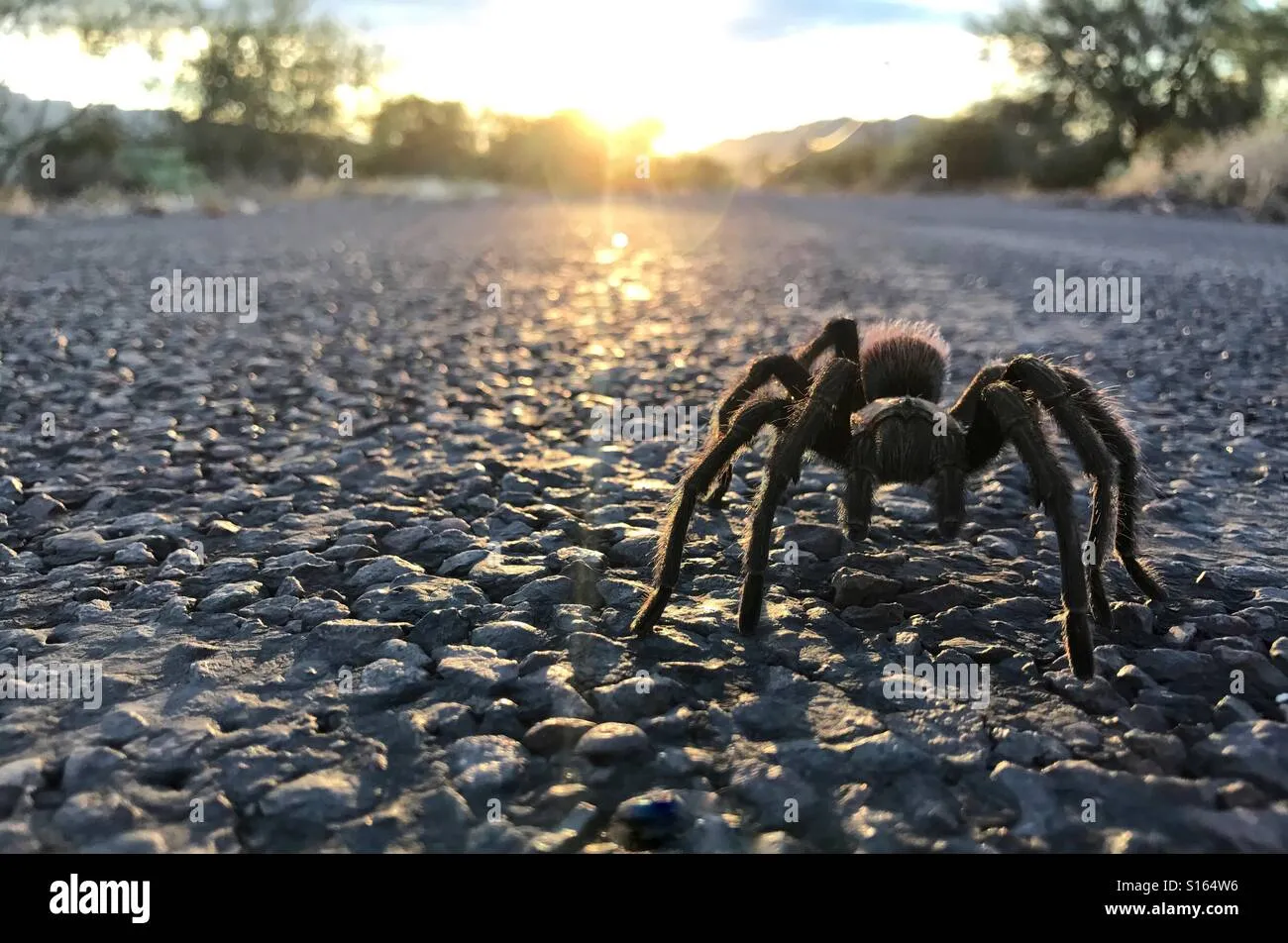
What is a Desert Tarantula?
The desert tarantula (Aphonopelma chalcodes) is a large, hairy spider native to the arid and semi-arid regions of the southwestern United States and northern Mexico. These impressive arachnids are a fascinating part of the desert ecosystem, playing a significant role in controlling insect populations. Despite their intimidating size and appearance, desert tarantulas are generally not aggressive towards humans. They are nocturnal creatures, spending the day in burrows and emerging at night to hunt. Understanding these creatures is essential for anyone living in or visiting their habitat, as it fosters respect for these often-misunderstood animals and their importance in maintaining ecological balance.
Appearance and Physical Characteristics
Desert tarantulas are easily recognizable due to their large size and distinctive hairy bodies. The females are typically larger than the males, with a body length that can reach up to 2.5 inches, and a leg span that can extend up to 5 inches. Their bodies are covered in short, bristly hairs, which can range in color from light brown to dark brown, providing excellent camouflage in their desert environment. They have eight eyes arranged in two rows, used primarily for detecting movement, and eight legs equipped with sharp claws for gripping surfaces and digging. The chelicerae, or mouthparts, are large and powerful, used for crushing prey.
Size and Lifespan

As mentioned earlier, the size of the desert tarantula varies, with females generally being larger than males. In terms of lifespan, desert tarantulas are known for their longevity. Females can live for up to 25 years or more in the wild, while males typically have a shorter lifespan, living for about 7-10 years. This difference in lifespan is largely due to the males’ role in mating, after which they often die. The long lifespan of the females contributes to the stability of the tarantula population within its habitat.
Desert Tarantula Habitat and Distribution
These spiders thrive in specific environments, and understanding their habitat is crucial for appreciating their survival strategies. Their distribution is limited to the southwestern United States and northern Mexico, reflecting their need for a warm, arid climate. The availability of suitable habitat is critical to their survival.
Preferred Habitats
Desert tarantulas prefer habitats that offer a combination of shelter and prey availability. They are commonly found in grasslands, scrublands, and deserts, often constructing burrows in the soil. These burrows provide protection from the harsh desert elements, including extreme heat and predators. They seek out areas with well-drained soil, which helps prevent flooding during infrequent rainfalls. The presence of rocks, shrubs, or other vegetation provides additional cover and aids in maintaining a favorable microclimate within their burrows.
Geographic Range

The geographic range of the desert tarantula is primarily within the southwestern United States. This includes states such as Arizona, California, Nevada, New Mexico, and Utah. They are also found in northern Mexico, extending their range into regions with similar climatic conditions. Within this range, their distribution is often localized, with populations concentrated in areas that offer suitable habitats. The species’ range may be affected by factors such as habitat loss, climate change, and human activity, which can lead to fragmentation of populations and reduced genetic diversity.
Desert Tarantula Diet and Hunting
As predators, desert tarantulas play a vital role in their ecosystem, controlling insect populations and serving as a food source for other animals. Their diet and hunting techniques are well-adapted to the challenges of desert life.
Hunting Techniques
Desert tarantulas are primarily nocturnal hunters, emerging from their burrows at night to search for prey. They rely on a combination of ambush and active hunting techniques. They often sit near the entrance of their burrows, waiting for prey to come within striking distance. They can sense vibrations in the ground, which helps them detect the presence of potential meals. When prey gets close enough, they launch a swift attack, using their powerful fangs to inject venom and immobilize their target. They will then carry their prey back to their burrow to consume it.
Common Prey

The desert tarantula’s diet primarily consists of insects and other invertebrates. Common prey items include crickets, grasshoppers, beetles, and other spiders. They are also known to consume small vertebrates, such as lizards and rodents, on occasion. The availability of these prey items varies depending on the season and habitat conditions, and the tarantulas have adapted to opportunistic feeding, taking advantage of whatever food sources are available.
Desert Tarantula Behavior and Defense Mechanisms
Despite their intimidating appearance, desert tarantulas are not aggressive creatures. However, they have evolved several defense mechanisms to protect themselves from predators and environmental threats.
Defensive Posture
When threatened, the desert tarantula will often adopt a defensive posture as a warning. This involves rearing up on its hind legs, raising its front legs, and displaying its fangs. It may also rub its abdomen with its hind legs, releasing urticating hairs, which can cause skin irritation and discomfort to predators. This defensive posture serves as a visual deterrent, signaling that the spider is not to be trifled with and may result in a painful encounter.
Venom and its Effects

Desert tarantula venom is not considered dangerous to humans. While their bite can be painful due to the large size of their fangs, it is not typically life-threatening. The venom is primarily used to subdue prey. Symptoms of a bite may include localized pain, redness, and swelling. In rare cases, individuals may experience more severe reactions, but these are uncommon. The risk of a bite can be minimized by avoiding handling desert tarantulas and respecting their space in the wild.
Desert Tarantula Life Cycle and Reproduction
The life cycle of the desert tarantula, from mating to the development of spiderlings, is a fascinating process that highlights their survival strategies in the challenging desert environment.
Mating Rituals
Mating season for desert tarantulas typically occurs in the late summer and fall. During this time, males leave their burrows in search of females. They will travel over long distances in the desert landscape, and the females are often found in their burrows, waiting for a suitable mate. The males approach the females cautiously, as the females are known to be cannibalistic. The males will initiate a courtship ritual, tapping on the female’s burrow or web to signal their presence. If the female is receptive, the male will mate with her and then quickly retreat to avoid being eaten. The males often die shortly after mating.
Egg Sac and Spiderlings

After mating, the female desert tarantula will lay eggs, which she encases in a silken egg sac. The egg sac is carefully guarded by the female and contains hundreds of tiny eggs. The eggs incubate for several weeks, and the female spider carefully tends to the egg sac during this time. Once the spiderlings hatch, they remain with their mother for a period, and the female may provide some initial care for them. The spiderlings eventually disperse, and they begin their independent lives, undergoing a series of molts as they grow into adults.
Conservation Status and Threats
Understanding the threats faced by desert tarantulas and efforts to conserve them is essential for ensuring their continued survival in the wild.
Threats to Survival
The desert tarantula faces several threats to its survival, including habitat loss due to human development, agriculture, and climate change. Pesticide use can also affect their prey, leading to food scarcity. They are also sometimes collected for the pet trade, which can negatively impact wild populations if not done sustainably. Furthermore, climate change can alter desert ecosystems, making them less hospitable for tarantulas and reducing their ability to thrive.
Conservation Efforts

Various conservation efforts are in place to protect the desert tarantula and its habitat. These efforts include habitat preservation, land management practices that minimize human impact, and public education campaigns to raise awareness about the importance of these arachnids. Limiting the collection of wild tarantulas and promoting responsible pet ownership practices can also contribute to conservation. Research studies on the species provide essential data for conservation planning and management, ensuring the species’ long-term survival.
Desert Tarantula and Humans
The relationship between desert tarantulas and humans involves interactions in the wild, as well as in the context of pet ownership. Understanding these interactions is crucial for promoting co-existence.
Interactions with Humans
Interactions with humans are generally infrequent, as desert tarantulas are often hidden in their burrows or active only at night. However, encounters may occur during outdoor activities or when humans encroach upon their habitat. Most interactions are harmless, but it’s important to be aware and avoid disturbing or handling these spiders. Education and awareness play a significant role in preventing negative encounters and promoting respect for these creatures. This includes not attempting to catch or harass them, and simply observing them from a safe distance.
Keeping Desert Tarantulas as Pets
Desert tarantulas are sometimes kept as pets, but it requires careful planning. They need a suitable terrarium setup that mimics their natural habitat, including appropriate temperature, humidity, and substrate. Proper feeding, which consists of insects like crickets and mealworms, is essential. It’s also important to handle them with care and respect, as they can be easily stressed. Responsible pet ownership includes knowing the species’ needs and ensuring their well-being. Researching and understanding the species’ specific requirements are crucial to ensure that the pet tarantula thrives. Owning a pet tarantula can be a rewarding experience for those who are well-informed and prepared.