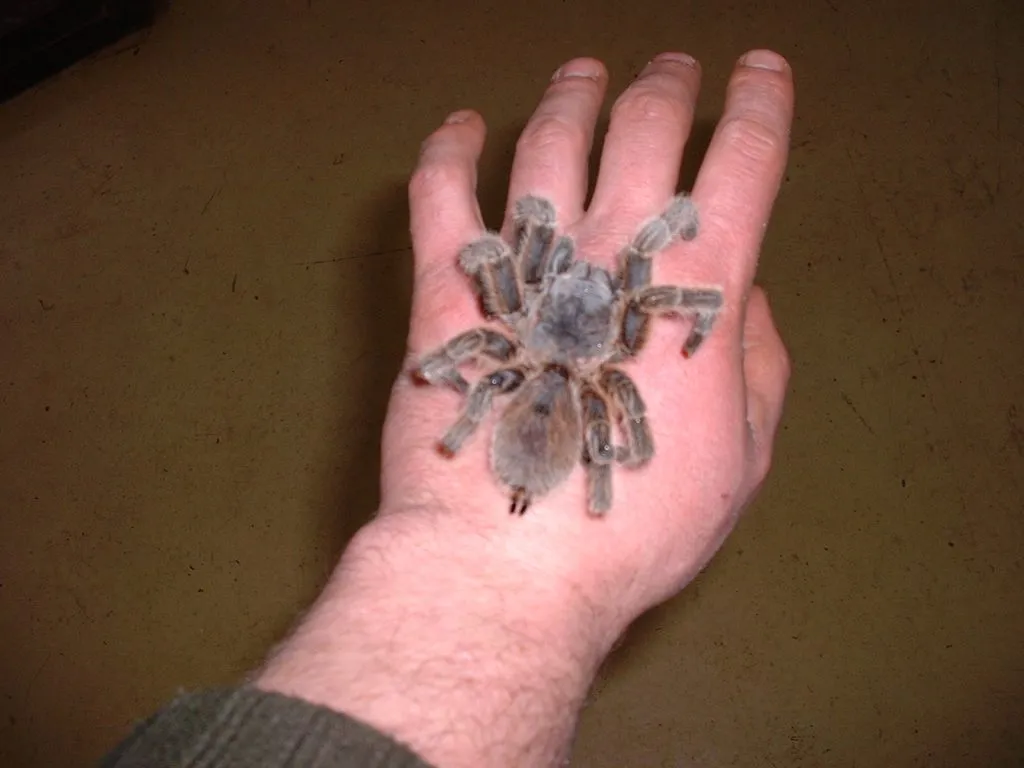
Chilean Rose Tarantula’s Natural Diet
Chilean Rose Tarantulas, native to the arid regions of Chile, are opportunistic hunters in their natural habitat. Their diet primarily consists of insects, but they are also known to consume small vertebrates when available. Understanding their natural feeding habits is crucial for providing proper care in captivity. These tarantulas are not picky eaters in the wild, consuming whatever prey is readily available, allowing them to thrive in harsh environments. This diet is a very important factor on keeping them healthy and happy.
Understanding the Chilean Rose Tarantula’s Prey
In the wild, these tarantulas feed on a variety of insects. Crickets, grasshoppers, beetles, and other invertebrates form the bulk of their diet. They are ambush predators, waiting patiently for their prey to come within striking distance. The tarantula then swiftly attacks, injecting venom to subdue the prey. In captivity, replicating this diet is essential for the tarantula’s health. Offering a variety of insects can help ensure they receive the necessary nutrients and maintain their natural hunting instincts. A varied diet also reduces the risk of nutritional deficiencies.
Ideal Prey for Chilean Rose Tarantulas

When selecting prey for your Chilean Rose Tarantula, prioritize insects that are readily available, nutritious, and safe. Crickets are a popular choice and readily available at most pet stores. Mealworms and superworms can also be offered, but they should be given in moderation due to their higher fat content. Roaches are another excellent option, providing a good source of protein. It is important to ensure the prey is gut-loaded before feeding it to your tarantula. This means feeding the insects a nutritious diet for 24-48 hours before offering them to your pet, which enriches the nutritional value of the meal. Avoid using wild-caught insects, as they may carry parasites or pesticides.
Size Matters Selecting the Right Prey
The size of the prey is crucial for Chilean Rose Tarantulas, particularly for younger tarantulas. As a general rule, the prey should be no larger than the tarantula’s body, including its legs. For spiderlings, small crickets or pinhead crickets are ideal. As the tarantula grows, you can gradually increase the size of the prey. Overly large prey can pose a risk, potentially injuring the tarantula. Always monitor your tarantula while it is eating to ensure it is successful in capturing and consuming its meal. Remove any uneaten prey within 24 hours to prevent stress on the tarantula.
How to Feed Your Chilean Rose Tarantula
Preparing the Feeding Area

Before feeding your Chilean Rose Tarantula, make sure the enclosure is clean and the environment is optimal. Ensure the substrate is dry, and the temperature and humidity levels are appropriate for the species. Remove any old molts or leftover food. Preparing the feeding area involves ensuring that the tarantula is comfortable and has a secure place to hunt. This might involve rearranging some of the decor to create more open space or adding a feeding dish. A clean feeding area also reduces the risk of mites or other pests. Remember, a happy tarantula is a hungry tarantula.
The Feeding Process Step by Step
The feeding process is straightforward. First, gently introduce the prey into the tarantula’s enclosure. Observe from a distance and let the tarantula hunt naturally. Some tarantulas will quickly pounce on their prey, while others may take a while to notice it. Avoid dropping the prey directly on the tarantula, as this can startle it. If the tarantula doesn’t show interest in the prey, you can try gently nudging the insect towards it using tongs. Once the tarantula has captured its prey, allow it to feed in peace. After 24 hours, remove any uneaten prey to prevent them from stressing or harming the tarantula.
Proper Handling Techniques
Handling your Chilean Rose Tarantula is generally not recommended, as it can stress the spider. However, if you need to handle it for any reason, do so with utmost care and respect. Always approach the tarantula slowly and gently. Avoid sudden movements, which could startle it and cause it to bite. Use a soft brush to gently encourage the tarantula to move onto your hand. Never try to grab or restrain the tarantula. Keep your hand close to the ground in case the tarantula falls. After handling, wash your hands thoroughly to remove any potential irritants.
Frequency of Feeding

The frequency of feeding depends on the age and size of your Chilean Rose Tarantula. Spiderlings and juvenile tarantulas require more frequent feedings, typically every 2-3 days. As the tarantula matures, you can reduce the feeding frequency to once or twice a week. Adult tarantulas can often be fed once every 7-14 days. Always observe your tarantula’s body condition and adjust the feeding schedule accordingly. A well-fed tarantula will have a plump abdomen. If the abdomen appears thin, increase the feeding frequency. A fat tarantula could be a sign you’re feeding too much.
Monitoring Your Tarantula’s Appetite
Regularly observe your Chilean Rose Tarantula’s appetite. A healthy tarantula will usually show interest in prey. If your tarantula suddenly stops eating, it could be a sign of an issue. This could be molting, changes in environmental conditions, or illness. If your tarantula refuses food for an extended period, investigate the cause. Check the temperature and humidity levels, and look for any signs of illness, such as lethargy or unusual behavior. Document the tarantula’s eating habits to help you identify any changes.
Feeding Frequency Based on Age
As mentioned, the feeding frequency varies depending on the tarantula’s age. Spiderlings, or baby tarantulas, are in their growth phase and need more food to develop. Feed them every 2-3 days. Juvenile tarantulas, those that are growing but not yet adults, should be fed approximately twice per week. Adult Chilean Rose Tarantulas can be fed once a week, or even less frequently, as their growth slows down. Always adjust your feeding schedule based on your tarantula’s body condition and eating habits.
What to Avoid Feeding Your Chilean Rose Tarantula

Foods to Never Give Your Tarantula
Certain foods should never be fed to a Chilean Rose Tarantula. Avoid feeding your tarantula any vertebrates, such as mice or lizards, unless specifically recommended by a veterinarian. These can be too large or pose a risk of injury. Do not feed the tarantula any insects that have been exposed to pesticides or insecticides. These chemicals are toxic and can be deadly. Processed human foods like ham, sausage, and all other foods not from the natural diet should also never be fed, as they provide no nutritional value and can harm your tarantula. Stick to a diet of appropriately sized, gut-loaded insects.
The Importance of Fresh Water
Fresh water is essential for the health and well-being of your Chilean Rose Tarantula. Tarantulas need water to stay hydrated and to help them molt successfully. Water also helps them regulate their body temperature. Without access to clean water, your tarantula may become dehydrated, leading to serious health problems. Always provide a shallow water dish that is easily accessible, even for small spiderlings. Ensure the dish is shallow enough to prevent the tarantula from drowning, and change the water regularly to keep it clean.
Watering Your Tarantula’s Enclosure

In addition to providing a water dish, you may need to mist the enclosure to maintain the appropriate humidity levels. The ideal humidity range for Chilean Rose Tarantulas is around 60-70%. Use a spray bottle filled with dechlorinated water to mist the enclosure lightly. Avoid over-misting, as this can lead to mold growth and other problems. The substrate should be slightly damp but not soggy. Monitor the humidity levels with a hygrometer and adjust your misting schedule accordingly. Water should always be available and the primary source of hydration for the tarantula.
Common Feeding Problems and Solutions
What to do if Your Tarantula Refuses to Eat
If your Chilean Rose Tarantula stops eating, don’t panic. There are several reasons why this might happen. The most common reason is that the tarantula is preparing to molt. During molting, tarantulas stop eating as they prepare to shed their exoskeleton. Other reasons include changes in environmental conditions, such as temperature or humidity. Stress from being moved or disturbed can also cause a tarantula to refuse food. Ensure that your tarantula’s enclosure is set up correctly, and the environment is stable. Check your tarantula’s abdomen to see if it’s full. If it is, this is likely not a problem. If the tarantula is not molting and still refuses to eat, consult an experienced tarantula keeper or veterinarian.
Identifying and Addressing Underlying Issues
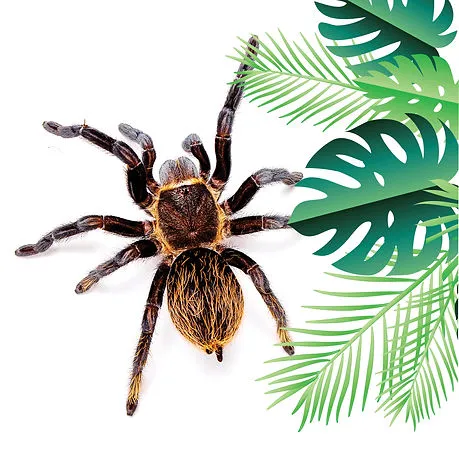
If your tarantula persistently refuses food, it could indicate an underlying health problem. Observe your tarantula for any signs of illness, such as lethargy, loss of balance, or unusual behavior. Check the enclosure for any pests or parasites. Review the temperature and humidity levels to ensure they are within the recommended range. If you suspect an issue, isolate the tarantula in a quarantine enclosure and consult an experienced tarantula keeper or veterinarian for advice. Early detection and intervention are key to resolving these problems.
Health and Well-being of Your Tarantula
Feeding your Chilean Rose Tarantula properly is crucial for its health and well-being. By providing a varied diet of appropriately sized, gut-loaded insects, maintaining proper environmental conditions, and monitoring your tarantula’s feeding habits, you can help your tarantula thrive. Regularly check your tarantula for any signs of illness or stress. Remember, the health and happiness of your tarantula depend on providing the correct care and paying attention to its needs. The goal is to keep your tarantula happy, and safe. Following these guidelines ensures a healthy and long life for your fascinating pet.