What are Spider Tarantula Fangs
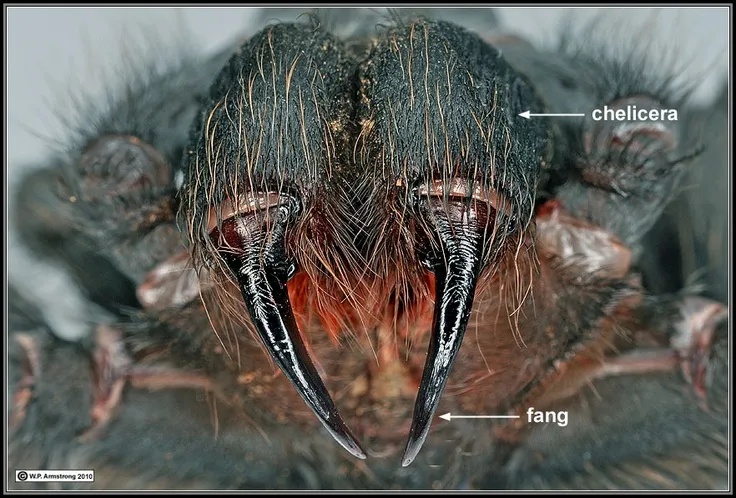
Spider tarantulas, formidable predators of the arthropod world, are equipped with a pair of fangs, technically known as chelicerae, that serve as their primary tools for hunting and defense. These fangs, located at the front of their heads, are not merely sharp appendages; they are complex structures designed for both piercing prey and delivering venom. Understanding the structure and function of these fangs provides a fascinating glimpse into the adaptations that allow these spiders to thrive in their diverse environments. The fangs are crucial for their survival, enabling them to capture food and protect themselves from threats. The fangs are a key feature and defining characteristic of these fascinating creatures.
Composition of Spider Tarantula Fangs
The fangs of a spider tarantula are primarily composed of two key substances that provide both strength and flexibility. Their structure is an intricate interplay of organic and inorganic materials. They are incredibly tough and capable of penetrating the exoskeletons of various prey items. The fang’s resilience is essential for effectively capturing and subduing prey.
Chitin and Protein

The primary structural component of tarantula fangs is chitin, a complex polysaccharide that also makes up the exoskeleton of the spider. Chitin provides rigidity and durability. Embedded within the chitin matrix are various proteins, which contribute to the flexibility and resilience of the fangs. This combination allows the fangs to withstand the forces exerted during both hunting and defense. The specific arrangement of these components gives the fangs their remarkable mechanical properties, ensuring they can withstand the stresses of their predatory lifestyle. The protein component also plays a role in the fang’s ability to resist wear and tear.
Venom Delivery
Spider tarantula fangs are not just for piercing; they also act as the conduits for delivering venom. Each fang is equipped with a small opening or duct through which venom is injected into the prey. This venom, a complex cocktail of toxins, serves multiple purposes. It can paralyze the prey, initiate the process of digestion, and also act as a defense mechanism. The efficient delivery of venom is critical to the tarantula’s success as a predator. The venom glands are located within the chelicerae, allowing for precise and controlled delivery. Different species of tarantulas have venom with varying potencies, adapted to their specific prey and environment.
The Role of Fangs in Hunting
The primary function of tarantula fangs is to aid in hunting. The fangs are meticulously designed to capture and subdue prey, from insects to small vertebrates. The effectiveness of a tarantula’s hunting technique is directly related to the structure, size, and venom of its fangs. They use these fangs to inject venom, initiate digestion and subdue the prey. Their specialized adaptations have been honed over millions of years of evolution, making them highly efficient predators.
Capturing Prey

When a tarantula spots its prey, it moves with incredible speed, using its fangs to quickly grab and immobilize the target. The fangs are used to puncture the exoskeleton or skin of the prey. The fangs are strong and sharp enough to pierce through tough exoskeletons. This initial grab is critical for preventing the prey from escaping. The tarantula then uses its fangs to hold the prey in place, ensuring a secure grip while the venom takes effect. The efficiency with which a tarantula captures its prey is a testament to the effectiveness of its fang structure.
Injecting Venom
Once the prey is secured, the tarantula injects venom through its fangs. This venom serves multiple purposes, including paralyzing the prey and initiating the digestive process. The venom is injected directly into the prey’s body, rapidly incapacitating it. The venom’s composition varies between species, but it often includes neurotoxins that interfere with the prey’s nervous system. This combination of physical restraint and chemical attack makes tarantulas highly effective hunters. Once the prey is paralyzed, the tarantula can safely begin the process of feeding.
Fang Size and Shape
The size and shape of a tarantula’s fangs vary significantly depending on the species. These variations are directly linked to the tarantula’s hunting strategies and the types of prey it typically targets. Some species have long, slender fangs, while others have shorter, more robust ones. The overall fang morphology is carefully adapted to maximize hunting success. The size and shape are a result of evolutionary pressures to optimize their hunting capabilities in their specific ecological niches.
Species Variation

Tarantulas that prey on insects may have smaller fangs, whereas those that hunt larger vertebrates might possess larger, more powerful ones. Some arboreal species, which live in trees, have curved fangs, allowing them to better grip their prey. The shape and size of the fangs are crucial adaptations. The differences highlight the remarkable diversity and adaptability of these spiders. The fangs’ features are finely tuned to match the specific demands of their environment.
Sexual Dimorphism
In some tarantula species, there is sexual dimorphism in fang size. Males might have slightly longer fangs than females, potentially used during mating rituals. The differences are subtle but can be significant in specific species. These variations are thought to play roles in mate competition or during courtship displays. This sexual dimorphism underscores the intricate interplay of form and function in the tarantula world. The male fangs could be used to display dominance or to secure the female.
Fang Health and Maintenance
Tarantulas invest considerable energy in maintaining the health and functionality of their fangs. These crucial tools must remain sharp and effective for the spider to survive. The fangs are constantly subject to wear and tear, and tarantulas have evolved mechanisms to ensure their continued use. Their maintenance involves several processes, including shedding, regrowth, and care following injuries. The health of the fangs is essential for the tarantula’s survival. These spiders are always prepared and ready for their next hunt.
Shedding and Regrowth

Like other parts of their exoskeleton, tarantula fangs are shed during molting, the process of replacing their outer covering. As the tarantula grows, it periodically sheds its exoskeleton, including its fangs. New fangs are formed beneath the old ones and are ready to function after the molt. The molting process is vital for both growth and the renewal of the fang’s structure. This process ensures the tarantula always has sharp, functional fangs. The entire process is a display of resilience and regeneration.
Injury and Care
Although the fangs are durable, they can sometimes be damaged, particularly if the tarantula is injured during a hunt or defense. If a fang is broken or damaged, it will be replaced during the next molt. Until then, the tarantula may have to adapt its hunting strategies. The tarantula’s ability to regrow a damaged fang is a testament to their remarkable resilience. Injury to the fangs is a natural risk, and their ability to heal is a survival mechanism.
Interesting Facts about Fangs
Tarantula fangs are not just tools for hunting; they also serve intriguing purposes. The fascinating world of tarantula fangs holds several surprising facts. They are marvels of evolutionary adaptation, constantly being refined to meet the changing needs of their environment and lifestyle. The fangs showcase some of the most interesting aspects of tarantula biology.
Defensive Use of Fangs

Beyond hunting, tarantula fangs are used for defense. When threatened, tarantulas will rear up and display their fangs to deter potential predators. The fangs serve as a clear warning, often accompanied by a threat posture. The fangs are capable of inflicting a painful bite if the threat persists. Their use in defense adds another layer of complexity to the fangs’ function. They are an essential part of their defense strategy.
Comparison to Other Arachnids
Compared to other arachnids, the fangs of tarantulas are relatively large and robust. Scorpions, for instance, have fangs that are modified pedipalps. Spiders use chelicerae to inject venom. The comparison helps illustrate the specialized adaptations of tarantulas. The variations reflect the different evolutionary paths and hunting strategies. The differences showcase the versatility of the arachnid body plan.
In conclusion, the fangs of spider tarantulas are remarkable structures. They are essential for hunting and defense. Their composition, size, shape, and function are all finely tuned to the tarantula’s specific needs. They are not just simple tools but complex adaptations. Their evolution reflects the incredible diversity of the arachnid world. From the chitin and protein composition to their role in venom delivery, tarantula fangs are a testament to the power of natural selection. Understanding the fangs provides a fascinating glimpse into the lives of these remarkable creatures.