What Do Tarantulas Eat?
Tarantulas are fascinating creatures, and understanding their diet is crucial for their health and well-being. As obligate carnivores, they primarily feed on insects, but the specific types of insects and the frequency of feeding depend on the tarantula’s age, size, and species. Providing the right food is essential to ensure your pet tarantula thrives in its enclosure. A well-balanced diet contributes to their growth, molting process, and overall vitality. This guide will help you navigate the essential aspects of feeding your tarantula, ensuring you provide a diet that meets its needs and promotes a long, healthy life for your eight-legged companion. Keep in mind that the nutritional value of the insects you feed your tarantula will directly impact its health, so choosing high-quality feeders is important.
Types of Insects Suitable for Feeding Tarantulas
Choosing the right insects is a key part of tarantula care. Several insect varieties are suitable for feeding, each with its own benefits and considerations. The best feeder insects are typically those readily available, easy to manage, and provide the necessary nutrients for tarantula health. When selecting feeder insects, always ensure they are free from pesticides and parasites. Purchasing from a reputable source is the best way to guarantee the insects’ quality and health. Variety in the diet can also be beneficial, providing a broader range of nutrients. It’s important to note that the size of the insect should correspond to the size of your tarantula to prevent any feeding difficulties. Regularly assessing the size and health of the feeder insects before offering them to your tarantula will further help maintain the health of your pet. Below is a list of commonly used insects.
Crickets

Crickets are a popular and readily available food source for tarantulas. They are relatively easy to breed and maintain, making them a convenient option for pet owners. Crickets are high in protein, which supports tarantula growth and energy levels. However, crickets can be noisy and may require specific environmental conditions to thrive, so consider the space and time needed to care for the crickets themselves. It’s important to gut-load crickets before feeding them to your tarantula, which involves feeding the crickets nutritious food such as vegetables and grains. This process increases the nutritional value of the insects and, consequently, benefits the tarantula’s diet. Avoid feeding your tarantula crickets that are too large, as they can pose a risk, especially to smaller or more fragile tarantulas. When feeding crickets, monitor your tarantula’s behavior to ensure it is eating them appropriately.
Roaches
Roaches, like crickets, are an excellent food source. They are rich in nutrients and easier to manage than crickets because they tend to be less noisy and can tolerate a wider range of environmental conditions. Certain species of roaches, like Dubia roaches, are popular for their high protein content and ease of breeding. They have a longer lifespan than crickets, which means you won’t have to replace them as often. Roaches are less likely to burrow in the tarantula’s enclosure than crickets, reducing the chances of them hiding and potentially stressing the tarantula. The nutritional value of roaches makes them a great choice for tarantulas, contributing to healthy growth and development. Always purchase roaches from a reliable source, and gut-load them before feeding to maximize their nutritional value. The size of the roaches should be appropriate for your tarantula’s size to ensure easy consumption and prevent any harm.
Mealworms
Mealworms are another option for feeding tarantulas, especially for smaller species or younger tarantulas. They are relatively easy to breed and maintain. However, mealworms are lower in protein and higher in fat compared to crickets or roaches. This means that mealworms should be provided in moderation as a part of a balanced diet. Always gut-load mealworms before offering them to your tarantula, as this enhances their nutritional value. It is crucial to consider the size of mealworms, too large mealworms can be difficult for smaller tarantulas to consume. Mealworms can also burrow, so keep an eye on the enclosure to ensure they don’t escape or disturb the tarantula. They can still be a valuable component of a diverse diet, providing variety and essential nutrients when used correctly.
Other insects

In addition to the insects mentioned above, other insects can be used as food for your tarantula. These include superworms, waxworms (though high in fat and should be given sparingly), and hornworms. The key is to ensure the insects are safe, pesticide-free, and appropriately sized for your tarantula. Variety in the diet can enhance the tarantula’s nutritional intake, so introducing different insect types periodically is a good practice. Always research any new insect before feeding it to your tarantula to ensure it is safe and beneficial. Providing a range of insects also helps to stimulate natural hunting behaviors in your tarantula, enhancing its well-being. Remember that the health and vitality of your tarantula largely depend on the quality and variety of its diet, so making informed choices about insects is crucial.
How Often Should You Feed a Tarantula?
Determining how often to feed your tarantula is essential for its health and well-being. Feeding frequency should be adjusted based on several factors, including the tarantula’s age, size, and species. Overfeeding can lead to health problems, while underfeeding can stunt growth and affect the tarantula’s overall vitality. A good rule of thumb is to observe your tarantula’s behavior and adjust the feeding schedule accordingly. Always provide fresh, clean water, regardless of how often you feed your tarantula, as hydration is essential for its survival and healthy molting. The following subtopics will guide you in determining the correct feeding schedule for your tarantula.
Feeding Frequency by Tarantula Size
The size of your tarantula is a primary factor in determining its feeding schedule. Spiderlings, the youngest tarantulas, require more frequent feedings due to their rapid growth rate. These tiny tarantulas should be fed every other day or every third day. As tarantulas grow, their feeding frequency should gradually decrease. Juvenile tarantulas, which are larger than spiderlings but not yet fully grown, can typically be fed once or twice a week. Adult tarantulas, the largest and most mature, often need feeding only once every one to two weeks. Adjust the size of the prey accordingly, providing larger insects as the tarantula grows. Always monitor your tarantula’s abdomen size; if it appears overly plump, reduce the feeding frequency. Keep an eye on its behavior; if the tarantula stops eating or becomes less active, it could be a sign of overfeeding or an issue with its environment.
Feeding Frequency by Tarantula Species

Different species of tarantulas may have varying feeding requirements. Some species are naturally more voracious eaters and may require more frequent feeding, while others are more prone to fasting. Researching the specific needs of your tarantula’s species is crucial. Arboreal tarantulas, which live in trees, and terrestrial tarantulas, which live on the ground, might have slightly different feeding patterns based on their natural environments and activity levels. For example, some species may require more frequent feedings when they are actively molting, while others may eat less during that process. Additionally, certain species may have seasonal variations in their eating habits. Before feeding your tarantula, it’s important to know the species’ preferences and needs to ensure it gets the correct amount of food. This knowledge allows you to tailor the feeding schedule and ensure your tarantula remains healthy and active.
How to Prepare Food for Your Tarantula
Preparing food properly for your tarantula involves several important steps to ensure the insects are safe, nutritious, and appropriately sized. Gut-loading the insects is a critical part of this preparation, significantly enhancing their nutritional value. Always handle feeder insects with care and maintain good hygiene practices to prevent the spread of diseases or parasites. The following subtopics will provide you with further details on how to prepare food for your tarantula.
Preparing Insects
Preparing the insects for your tarantula involves several steps. The first is gut-loading, which involves feeding the feeder insects a nutritious diet, such as fresh vegetables, fruits, and grains, at least 24 hours before feeding them to your tarantula. This process increases the vitamin and mineral content of the insects, making them more beneficial for your pet. Another critical aspect of preparing insects is sizing. The insects should be smaller than the tarantula’s body or no more than the size of the tarantula’s abdomen. Insects that are too large can pose a risk to the tarantula. Before feeding, remove any uneaten food or dead insects from the enclosure to prevent the growth of mold or bacteria. Regularly assess the condition of your feeder insects, ensuring they are healthy and free from any diseases or parasites. Preparing the insects correctly will contribute to the overall health and well-being of your tarantula.
Proper Handling and Hygiene

Proper handling and hygiene are essential when preparing and feeding your tarantula. Always wash your hands thoroughly before and after handling the insects or the tarantula itself. This helps prevent the transfer of bacteria, parasites, or chemicals that could harm your pet. When handling insects, use tools like tongs or tweezers to avoid direct contact, which minimizes the risk of bites or stings. Clean the enclosure regularly and remove any uneaten food to maintain a healthy environment. Store the feeder insects in a clean, well-ventilated container with appropriate food and water to keep them healthy and nutritious. Monitor the insects for any signs of illness or disease and remove any dead or unhealthy insects promptly. Proper hygiene practices will safeguard the health of both you and your tarantula, providing a safe and clean environment.
How to Feed Your Tarantula
Feeding your tarantula is a straightforward process. The method you use should be safe for both you and the tarantula. Always be cautious when handling your tarantula and its enclosure, and observe the tarantula’s behavior during feeding. It is essential to remember to remove any uneaten food to maintain cleanliness. The steps below will guide you through how to feed your tarantula safely and effectively.
Dropping the Food into the Enclosure
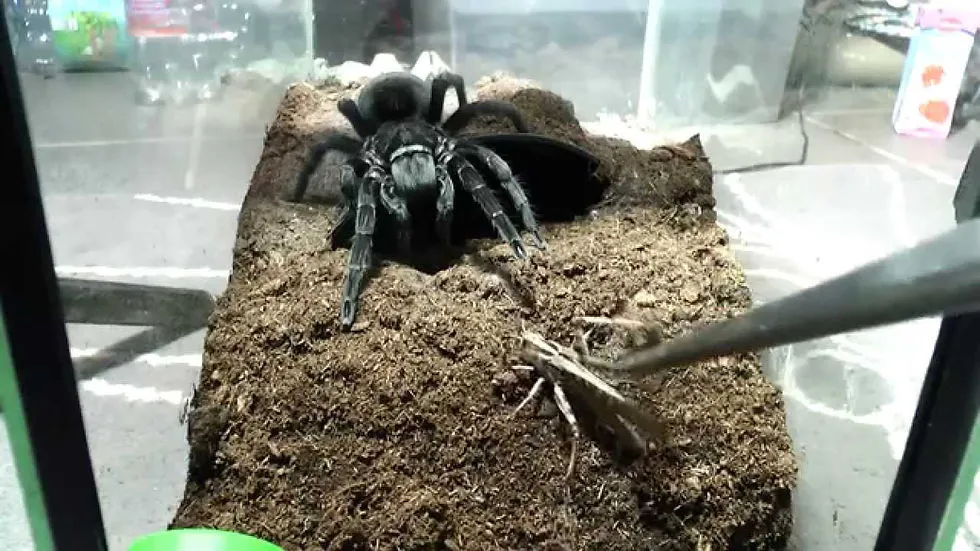
The most common method for feeding a tarantula is dropping the prepared insect directly into the enclosure. Using long tongs or tweezers, gently drop the insect near the tarantula. This allows the tarantula to hunt and consume the prey in its natural way. Avoid touching the tarantula directly, as this can stress the animal. If the tarantula is in a burrow, drop the insect near the entrance. Monitor the tarantula’s response and ensure it is able to catch and eat the insect. It might take some time for the tarantula to notice the food. It is important to provide multiple feeding locations if you have a larger enclosure or multiple tarantulas. Always be patient and observe the tarantula’s behavior during feeding.
Removing Uneaten Food
Removing uneaten food from the enclosure is a crucial step in maintaining a healthy environment for your tarantula. Uneaten insects can stress the tarantula, and dead insects can attract mold and bacteria, creating an unhealthy environment. After 24 to 48 hours, carefully remove any uneaten food using tongs or tweezers. Be sure to check all corners of the enclosure, as the insects might hide. Regularly inspect the enclosure for any signs of mold or pests. Maintaining a clean enclosure is crucial for the health of your tarantula and ensures a safe and comfortable environment. Make this step a part of your regular tarantula care routine to ensure the well-being of your pet.
Feeding Challenges and Solutions
Even with the best care, feeding challenges can arise. Tarantulas can sometimes refuse to eat, and dealing with overfed tarantulas is another concern. Recognizing these challenges and knowing the appropriate solutions will help maintain the health and well-being of your tarantula. In this section, we’ll cover common issues that can occur during feeding and how to address them. Understanding these challenges and their solutions will help you become a better tarantula owner, ensuring your pet’s health and happiness.
Tarantula Refusal to Eat
Tarantulas may refuse to eat for several reasons. One common reason is that they are about to molt. During this period, the tarantula stops eating and may become less active. Check for signs of molting, such as a dull appearance or a bald spot on the abdomen. Other reasons for food refusal include stress, illness, or environmental issues, such as improper temperature or humidity levels. Ensure that the tarantula’s enclosure is set up correctly, and that the environment meets the tarantula’s needs. The enclosure should have appropriate temperature and humidity levels, and be free from disturbances. If a tarantula consistently refuses food, consider consulting with a veterinarian specializing in exotic animals to identify any potential health issues. Patience is key; sometimes, tarantulas simply need time to adjust, and their appetite may return on its own.
Dealing With Overfed Tarantulas

Overfeeding can be detrimental to a tarantula’s health. A tarantula that is constantly fed may become obese, which can lead to problems with mobility, molting, and overall well-being. If you suspect your tarantula is overfed, reduce the feeding frequency immediately. Monitor the size of its abdomen, which should appear slightly plump after a meal, but not distended. Adjust the feeding schedule based on the tarantula’s size, species, and activity level. Make sure that the enclosure has appropriate hiding places and environmental conditions, which will help the tarantula stay active and burn off excess energy. Always consult with a veterinarian or experienced tarantula keeper if you have concerns about your tarantula’s health. Remember that moderation is the key to tarantula feeding; maintaining a balanced diet and schedule ensures that your pet remains healthy and active.
Providing Water for Your Tarantula
Providing fresh, clean water is as essential as offering the right food for your tarantula. Tarantulas need access to water to stay hydrated and to help them molt properly. Ensure that the water source is readily available and easily accessible. This section will address the type of water and how to provide it safely.
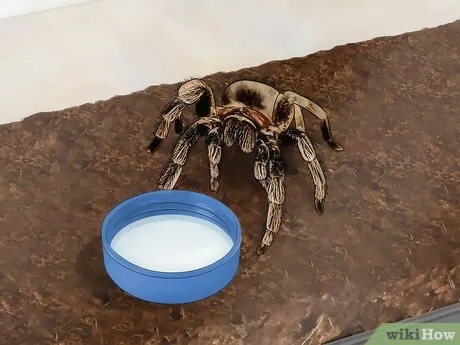
Provide a shallow water dish that is appropriate for the tarantula’s size. Use a dish that the tarantula cannot easily tip over. The water should be clean and chlorine-free. Change the water regularly, typically every day or two, to prevent the growth of bacteria or algae. Some keepers use a water gel product, which can help keep the water clean and reduces the risk of drowning. Ensure the water source is clean and safe, contributing to the tarantula’s health and survival. Providing fresh water will also ensure your tarantula is able to properly molt.
In conclusion, feeding your pet tarantula properly is critical for its health and longevity. By understanding the types of insects that make up a good diet, how frequently to feed based on the tarantula’s size and species, and how to prepare the food, you can ensure your tarantula thrives. Always ensure a clean enclosure and provide fresh water, addressing any challenges you may encounter along the way. Remember, proper feeding is a cornerstone of responsible tarantula ownership, contributing to a happy and healthy pet. Regular observation of your tarantula, coupled with the application of these guidelines, will enable you to provide the best care for your eight-legged companion.