Giant Centipede vs Tarantula 10 Awesome Facts
The natural world is full of incredible creatures, and the showdown between a giant centipede and a tarantula is a spectacle of nature’s raw power. These two formidable predators, each with its own unique set of adaptations, often clash in a battle for survival. From their distinct physical characteristics to their hunting strategies and defense mechanisms, the giant centipede and tarantula offer a fascinating glimpse into the intricate web of life. This article explores 10 awesome facts about these incredible creatures, comparing their strengths, habitats, and the intriguing dynamics of their interactions.
Size and Appearance
Giant Centipede Characteristics

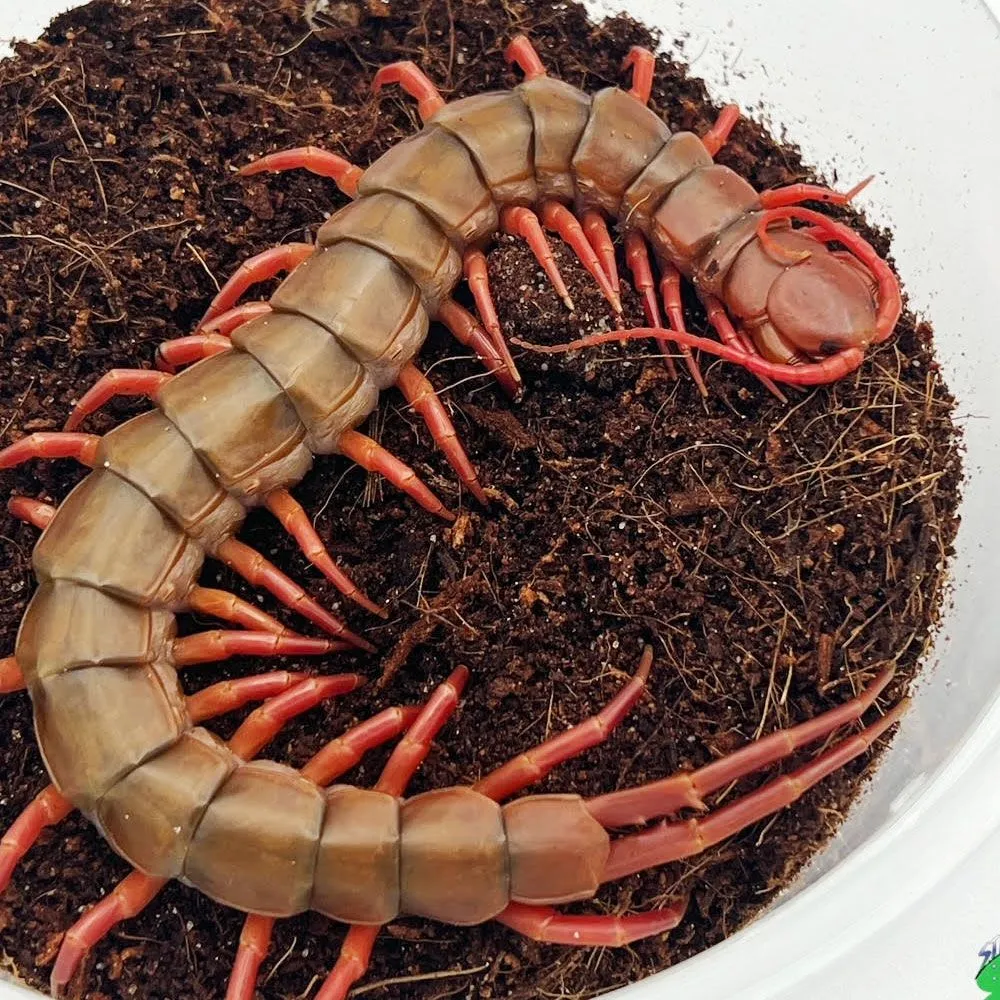
Giant centipedes are instantly recognizable by their elongated, segmented bodies and numerous legs. Their appearance is often intimidating, with vibrant colors ranging from reddish-brown to dark shades, and some species even have yellow or orange markings. They can grow to impressive lengths, with some reaching over a foot long. Their bodies are flattened, allowing them to navigate tight spaces, and each segment boasts a pair of legs, except for the final segment which has the modified legs.
Tarantula Characteristics
Tarantulas are large, hairy spiders, known for their imposing size and variety of colors. They possess eight legs, two pedipalps (used for sensing and manipulating prey), and two chelicerae (fangs) that inject venom. Their bodies are divided into two main parts the cephalothorax and the abdomen, which is covered in dense hairs. Tarantulas exhibit a wide range of colors and patterns, from the deep blacks and browns to vibrant blues and oranges, depending on the species and their environment.
Habitat and Distribution
Giant Centipede Habitats

Giant centipedes thrive in a variety of habitats, primarily in tropical and subtropical regions. They prefer moist environments, hiding under rocks, logs, leaf litter, and in the soil. These nocturnal predators are well-suited to dark, damp environments, which offer both shelter and an abundance of prey. Their habitat often coincides with areas rich in insect life, as they are voracious hunters, helping to maintain balance in their ecosystem. They are found in forests, gardens, and even inside human dwellings, particularly in warmer climates.
Tarantula Habitats
Tarantulas are found across various parts of the world, from the Americas to Asia, Africa, and Australia. Their habitats range from tropical rainforests to deserts and grasslands. Some species are terrestrial, living in burrows they dig themselves or take over from other animals, while others are arboreal, dwelling in trees. Their distribution depends on the species, with some preferring humid environments and others adapted to arid conditions. They are a key part of the ecosystem, helping to control insect populations.
Diet and Hunting Strategies
Giant Centipede Hunting Techniques

Giant centipedes are agile and aggressive predators, hunting a wide range of prey. They are primarily nocturnal hunters, using their antennae to detect movement and vibrations. Their venomous fangs deliver a potent bite that paralyzes their victims. Once subdued, they use their powerful mandibles to devour their prey. Their diet includes insects, spiders, and even small vertebrates like lizards and mice. The hunting techniques vary, but usually involve a swift strike and a quick injection of venom.
Tarantula Hunting Techniques
Tarantulas are ambush predators, often lying in wait for unsuspecting prey. They rely on their keen senses to detect movement and vibrations around their burrows or hunting grounds. Their primary hunting strategy involves a quick pounce and a venomous bite from their fangs. Tarantulas are opportunistic hunters, feeding on insects, other spiders, and small vertebrates. They may also use silk to create trip lines or traps to capture their prey. Their venom helps to immobilize the victim, and they then inject digestive fluids to break down the tissues for easier consumption.
Venom and Defense Mechanisms
Giant Centipede Venom

Giant centipedes possess venomous fangs that they use to subdue prey and defend themselves. Their venom contains a mixture of toxins that can cause pain, paralysis, and tissue damage. While their venom is not usually fatal to humans, their bite can be extremely painful. The strength of the venom varies depending on the species. They typically inject venom with a swift strike, quickly incapacitating their target. The venom is crucial to their hunting success and defense against potential threats.
Tarantula Defense
Tarantulas have evolved several defense mechanisms. They use their fangs to deliver a venomous bite, which, while rarely fatal to humans, can be painful. Many species also have urticating hairs on their abdomen that they can flick at predators, causing irritation and discomfort. They may also raise their front legs and expose their fangs as a warning display. Some tarantulas will also retreat into their burrows or try to escape if they feel threatened. Their overall defensive strategy depends on their species, but they are well-equipped to ward off threats.
Lifespan and Life Cycle
Giant Centipede Life Cycle

Giant centipedes go through a simple life cycle, starting as eggs laid in moist environments. The young centipedes hatch and resemble miniature versions of the adults. They molt several times as they grow, increasing in size and developing more segments. The lifespan of a giant centipede can vary depending on the species, but some can live for several years. They continue to hunt and grow until they reach their full adult size, then primarily focus on reproduction.
Tarantula Life Cycle
Tarantulas have a complex life cycle that includes multiple molts as they grow. They begin as eggs laid in a silk egg sac. The spiderlings hatch and disperse, molting frequently as they mature. The molting process allows them to grow larger and replace damaged body parts. The lifespan of a tarantula can vary greatly depending on the species and sex, with females often living for many years, while males have a shorter lifespan after reaching maturity. The molting process is essential for their growth, and each molt reveals a larger, more mature spider.
Interaction and Predation
Giant Centipedes as Predators

Giant centipedes are formidable predators, and can sometimes prey on tarantulas, though the outcome of a fight can vary. They are capable of subduing and consuming insects, spiders, and small vertebrates. They use their venomous fangs and agility to capture prey, injecting venom to immobilize their victims. Their hunting prowess and adaptability make them dominant hunters in their environments. Their role in the ecosystem helps control populations of various arthropods, which balances the food chain.
Tarantulas as Predators
Tarantulas are also predators, and will consume a variety of insects and small animals. They use their fangs to inject venom, and employ ambush tactics to capture prey. Although they are predators, they can also be preyed upon by larger animals like birds, snakes, and mammals. Their survival depends on their ability to defend themselves and secure food. Their contribution to the ecosystem includes controlling insect populations and serving as food for larger animals.
Common Misconceptions
Myth Busting: Centipedes and Tarantulas
There are several common misconceptions surrounding giant centipedes and tarantulas. People often overestimate the danger posed by their bites and assume they are always aggressive. The truth is, they generally avoid human contact and only bite when threatened. It is also commonly believed that all tarantulas are highly venomous and deadly to humans, which is not accurate. Most tarantula bites are not life-threatening, and the venom is usually not potent enough to cause serious harm to humans. It is important to separate facts from fiction.
Interesting Facts
Unusual Behaviors and Abilities
Both giant centipedes and tarantulas have unique behaviors and abilities. Some tarantula species can flick irritating hairs at predators, a defense mechanism called urtication. Giant centipedes display remarkable agility and speed when hunting. They are both masters of their environments, with adaptations that help them thrive. They have developed highly specialized hunting techniques and defense mechanisms. Some can even survive for months without food. Their behaviors and adaptations make them fascinating subjects of scientific study.
Conservation Status
Threats to Both Species
While not currently considered endangered, both giant centipedes and tarantulas face threats. Habitat loss, due to deforestation and urbanization, is a significant concern. The pet trade can also impact some tarantula populations. The use of pesticides can indirectly harm both species. Protecting their habitats and promoting sustainable practices are crucial for ensuring their survival. Both species play critical roles in their ecosystems, and conservation efforts are essential to preserve their populations.
In conclusion, the giant centipede and tarantula present an amazing contrast in the natural world, with each creature showcasing distinct characteristics and adaptations. They share the same habitats and often interact in their ecosystems. Learning about their behaviors and ecological roles deepens our appreciation for the incredible diversity of life on Earth.