What is the Texas Giant Tarantula
The Texas giant tarantula, scientifically known as Aphonopelma hentzi, is a fascinating and often misunderstood creature. It is one of the largest spiders found in North America, captivating the attention of both arachnophiles and those who are wary of spiders. These impressive arachnids are native to the southwestern United States, with a significant presence in Texas. They are not just spiders; they are integral components of the ecosystem, playing roles in controlling insect populations and serving as prey for other animals. Their imposing size, coupled with their relatively docile nature, makes them a subject of intrigue and study. The Texas giant tarantula is more than just a large spider; it’s a symbol of the biodiversity of the Texan landscape.
Appearance and Identification
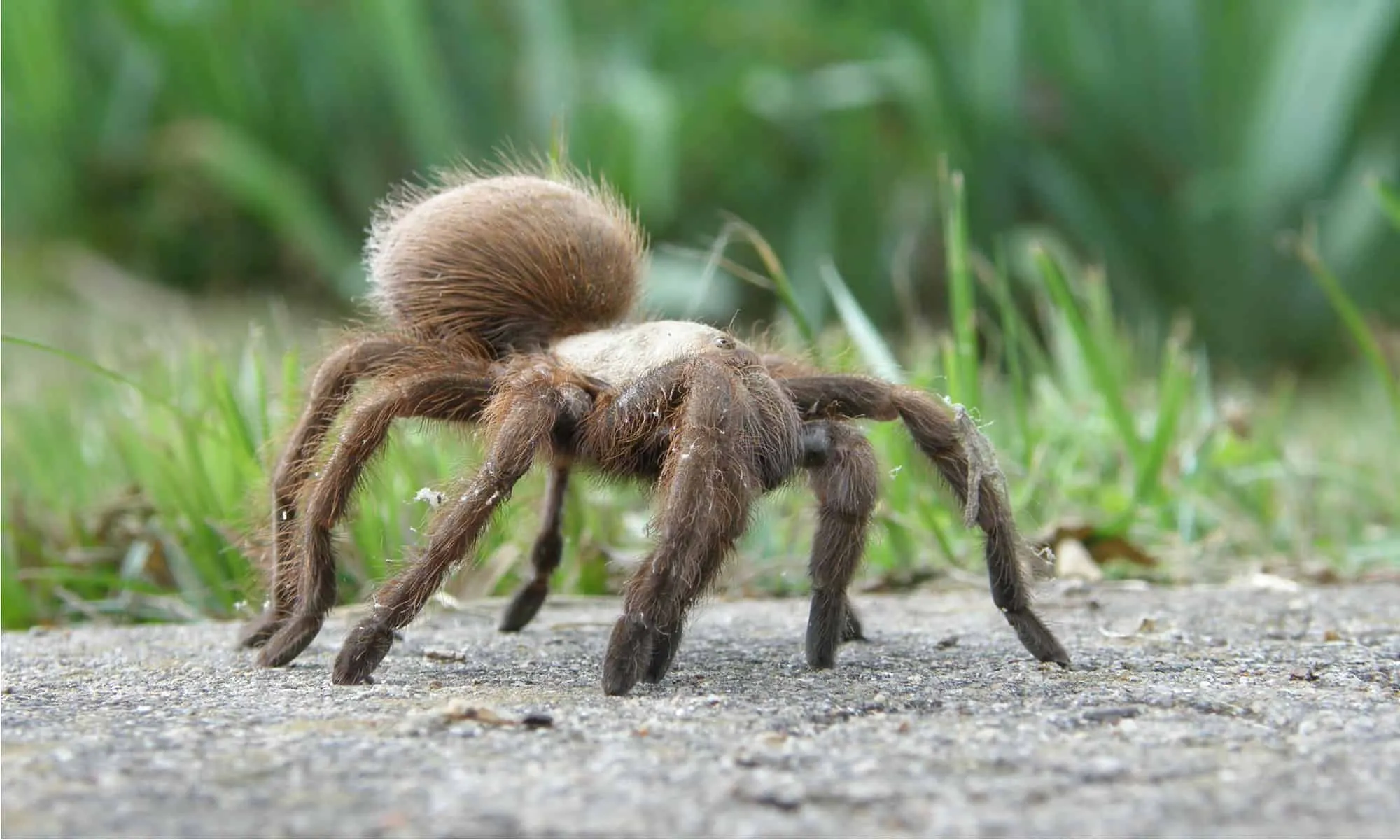
Identifying the Texas giant tarantula is relatively straightforward, thanks to its distinct features. These tarantulas are large, with a body length that can reach up to 2.5 inches, and a leg span that can extend to over 5 inches. Their bodies are covered in fine hairs, giving them a velvety appearance. The overall coloration is typically a combination of brown and tan hues, providing excellent camouflage within their natural habitats. To identify a Texas giant tarantula, focus on its size, overall color, and the presence of long, hairy legs. These features are crucial for distinguishing them from other, smaller spider species found in Texas. The presence of a distinct carapace (the hard upper shell) and the eight eyes arranged in a specific pattern are also key identifiers.
Size and Physical Characteristics

The sheer size of the Texas giant tarantula is one of its most striking features. As mentioned, they can have a leg span exceeding 5 inches, making them quite imposing. Their bodies are robust, with a well-defined cephalothorax (the fused head and thorax) and abdomen. The legs are thick and powerful, enabling them to move quickly and efficiently. They also have two chelicerae, which are mouthparts that contain fangs, used for injecting venom and for holding prey. The overall structure and size of the Texas giant tarantula are specifically adapted to their lifestyle, including hunting and burrowing. Their size and physical characteristics are essential for survival in their environment.
Color Variations
While the standard coloration of the Texas giant tarantula is typically shades of brown and tan, there can be slight variations among individuals. These color differences can be influenced by several factors, including age, environment, and genetics. Some tarantulas may appear darker, almost black, while others have a more reddish-brown hue. These color variations are not usually extreme, but they can add a unique touch to each spider. The ability to blend with their surroundings through coloration is a crucial aspect of their survival, allowing them to camouflage effectively and ambush prey. Observing these color variations can be an interesting aspect of studying the Texas giant tarantula.
Habitat and Distribution
The Texas giant tarantula is primarily found in the southwestern United States, particularly in Texas, as its name suggests. Their habitat is characterized by semi-arid environments, including grasslands, scrublands, and open woodlands. They are adaptable creatures, capable of thriving in a variety of conditions within these environments. The distribution of these tarantulas is not uniform throughout Texas; they are more commonly found in certain regions, such as central and west Texas. Understanding their habitat and distribution is key to appreciating their ecological role and the factors that influence their survival.
Where They Live in Texas

Within Texas, the giant tarantula typically inhabits areas with suitable soil for burrowing and ample prey. These areas often include grasslands, prairies, and open woodlands. You can find them in regions like the Texas Hill Country, the Edwards Plateau, and parts of West Texas. They are not usually found in dense forests or highly urbanized areas, as they prefer environments with less disturbance and more space for hunting and burrowing. The specific locations can vary based on local environmental conditions, like moisture levels and the presence of other species. Their presence often indicates a healthy, diverse ecosystem.
Preferred Habitats
The Texas giant tarantula prefers specific habitats that meet their survival needs. These habitats are characterized by well-drained soil, which is ideal for burrowing. They construct burrows, often several inches deep, where they spend most of their time, especially during the day. They also prefer habitats with enough ground cover, such as grasses, shrubs, and leaf litter, to provide shelter and camouflage. These conditions provide protection from predators and the harsh Texas sun. Their preferred habitats are essential for their survival, offering both a safe place to live and a hunting ground for prey.
Behavior and Lifestyle
The Texas giant tarantula is a nocturnal creature, primarily active during the night. During the day, they usually remain hidden in their burrows, emerging to hunt or mate. They are generally solitary creatures, except during mating season. They are not aggressive and prefer to avoid conflict if possible. Their lifestyle revolves around burrowing, hunting, and reproduction. Understanding these behaviors helps appreciate their role in the ecosystem. Their movements are often deliberate, they have evolved to survive and thrive in their specific environment.
Diet and Hunting

The Texas giant tarantula is a predator, feeding mainly on insects, such as grasshoppers, crickets, and beetles. They are ambush hunters, lying in wait near the entrance of their burrows until prey comes close. Once a potential meal is within striking distance, the tarantula quickly pounces and uses its fangs to inject venom, which paralyzes the prey. The spider then uses enzymes to break down the prey’s body and absorb the nutrients. Their diet is essential for growth and energy. This method of hunting is a testament to their adaptation to the environment.
Defense Mechanisms
When threatened, the Texas giant tarantula has several defense mechanisms. The primary defense is to flee and retreat into its burrow. If cornered, the spider can flick urticating hairs from its abdomen, which can cause skin irritation to predators. They can also raise their front legs and display their fangs as a warning. The defense mechanisms are crucial for survival, protecting them from predators and allowing them to live in their habitat. They generally avoid conflict and only resort to these methods when necessary.
Reproduction and Life Cycle
The reproduction cycle of the Texas giant tarantula is a fascinating process. It starts with mating rituals and ends with the development of spiderlings. Their lifecycle encompasses several stages, from egg to adult. Understanding this cycle is crucial to appreciate the species’ resilience and its place in the ecosystem. This process is also affected by environmental factors, such as temperature and the availability of resources.
Mating Rituals

Mating in Texas giant tarantulas is a delicate and often dangerous process. The male spider must approach the female cautiously, as she may perceive him as prey. The male performs a mating dance, drumming his pedipalps (small appendages near the mouth) on the ground to signal his intentions. If the female accepts, he will mate with her, delivering sperm using his pedipalps. After mating, the male often leaves quickly to avoid being eaten by the female. The mating ritual is an important part of their reproductive process, and it determines whether the species continues.
Egg Laying and Hatching
After mating, the female Texas giant tarantula lays eggs in a silken egg sac. She usually creates this sac inside her burrow, providing a safe and secure environment for the eggs. The number of eggs can vary, but they typically contain hundreds of eggs. She fiercely guards the egg sac, protecting it from predators. The eggs hatch into spiderlings, which resemble miniature versions of the adults. The egg laying and hatching process is essential for the continuation of the species. The spiderlings will then molt several times to grow into adults.
Interactions with Humans
Interactions between humans and the Texas giant tarantula are relatively rare due to the spider’s nocturnal habits and preference for avoiding contact. Most encounters occur when the spiders are disturbed or when humans accidentally come across their burrows. These interactions are generally harmless, as tarantulas are not aggressive and usually only bite as a defense. Their interactions with humans are an important topic because it can shape human perception. The vast majority of the time, these interactions do not pose a threat.
Are They Dangerous to Humans

The Texas giant tarantula is not considered highly dangerous to humans. While they can bite, their venom is not potent and is similar to a bee sting. The bite may cause some localized pain, swelling, and redness, but serious medical complications are rare. The biggest risk is an allergic reaction. They are more likely to use other defense mechanisms. They are more frightening than dangerous and do not pose a significant threat to human health.
Bites and Venom
If bitten by a Texas giant tarantula, the bite typically results in mild symptoms. The venom is not potent, and its effects are generally localized. Symptoms may include pain, redness, and swelling around the bite area. In rare cases, individuals may experience more severe reactions, such as muscle cramps or nausea. It’s essential to clean the bite area thoroughly and monitor for signs of infection. Medical attention is usually unnecessary, but it is recommended if you experience any severe symptoms. Bites are rare, as tarantulas prefer to avoid confrontation. Their venom is primarily designed for use on insects.
Conservation Status
The Texas giant tarantula is not currently listed as an endangered species, but like many other species, their population faces various threats. Habitat loss due to development and agriculture is a significant concern. These spiders depend on undisturbed habitats, and the destruction of these areas can impact their ability to survive and reproduce. Other threats include the use of pesticides and the illegal pet trade. Conservation efforts are essential to ensure their long-term survival. Their status can change, depending on the impact of environmental factors.
Threats to Their Population

The primary threats to the Texas giant tarantula population are habitat loss, pesticide use, and the pet trade. Urbanization and agricultural expansion reduce the available habitat. Pesticides can directly affect the spiders and their prey. The illegal collection of tarantulas for the pet trade can also impact populations. Understanding these threats is crucial for developing effective conservation strategies. These factors can significantly reduce the population, making conservation efforts vital.
Conservation Efforts
Several conservation efforts are in place to protect the Texas giant tarantula. These include habitat preservation, promoting responsible land management practices, and educating the public about their importance. Research on their population dynamics and threats is also a significant part of conservation. Supporting these efforts and educating yourself about their habitat can make a difference in their long-term survival. Conservation is not just about preserving the tarantulas; it is about protecting the entire ecosystem.
Interesting Facts
There are many fascinating facts about the Texas giant tarantula. For example, they can live for several years. Females can live for over 20 years. They also play a vital role in controlling insect populations. They are relatively docile creatures that are not aggressive towards humans. Learning about them and their habits can help overcome fears and build respect. The giant tarantula is an amazing creature, and knowing more about it is essential. They are a crucial component of the Texas ecosystem.
Lifespan

The lifespan of the Texas giant tarantula varies between males and females. Males typically live for 5 to 10 years, while females can live for 20 years or more. Their long lifespan is due to a slow metabolism and the protective environment of their burrows. Their longevity is one of the many features that makes them so intriguing. This lifespan is dependent on many factors, including the environment. Their ability to live a long time is an excellent adaptation to their environment.
Molting Process
Like all tarantulas, the Texas giant tarantula molts to grow. Molting is the process of shedding their exoskeleton, which does not grow. As they grow, they outgrow their exoskeletons and must shed them to make room for new growth. During molting, the spider becomes vulnerable, as its new exoskeleton is soft. This process can take several hours or even days, depending on the size of the spider. The molting process is vital for their growth. This allows the spider to shed parasites and renew its appearance. The process itself is an incredible feat of nature.
Common Misconceptions
There are many common misconceptions about the Texas giant tarantula, often fueled by fear and misunderstanding. One of the most widespread is that they are highly dangerous and aggressive. In reality, they are generally docile and prefer to avoid conflict. Another misconception is that their bite is deadly. In most cases, the bite is not serious and causes only mild symptoms. Dispelling these myths and educating the public is essential for promoting respect and understanding. The common misconceptions about these spiders often overshadow their importance.
Myths vs Reality
The myths surrounding the Texas giant tarantula often exaggerate their danger and aggression. The reality is that these spiders are not out to attack humans. They are more likely to flee than to bite. Their venom is not highly potent, and their bites rarely require medical attention. Another myth is that they are always found in homes. In reality, they are more likely found in their natural habitats, such as grasslands and woodlands. Separating myth from reality is critical for appreciating these amazing arachnids. Their behavior is based on survival, and that means avoiding unnecessary confrontation.
Dispelling Fears
Overcoming the fear of the Texas giant tarantula involves understanding their behavior and dispelling common misconceptions. Education is a key step in reducing arachnophobia. Learning about their docile nature, their role in the ecosystem, and the generally mild effects of their bite can help people become less fearful. When encountering one, it is best to observe from a distance and avoid disturbing it. Their fear, when rationalized, can be reduced significantly. Understanding these spiders helps change the perspective towards them.