
Golden Knee Tarantula Facts Unveiled
The Chaco Golden Knee Tarantula (Grammostola pulchripes), a captivating arachnid, has become a favorite among tarantula enthusiasts. Known for its docile temperament and striking appearance, this species, native to South America, offers a fascinating glimpse into the world of exotic pets. This article delves into the essential facts about the Golden Knee, guiding you through its care, behavior, and unique characteristics. Whether you are a seasoned tarantula keeper or a curious beginner, understanding these amazing creatures is the first step to providing them with a thriving and happy life. Prepare to explore the world of the Golden Knee, where beauty meets fascination, and the journey of tarantula keeping begins.
Understanding Golden Knee Tarantulas
Golden Knee Tarantulas are ground-dwelling spiders, recognizable by their distinctive coloration. The combination of black legs and golden-yellow bands around their knee joints makes them visually stunning. Their calm demeanor further contributes to their popularity as pets, as they are generally less aggressive than other tarantula species. Their relatively slow movement also adds to their appeal, allowing keepers to observe their behaviors more closely. Understanding the temperament and habits of these spiders is crucial for providing proper care and fostering a positive relationship with your pet. By learning about their natural behaviors and preferences, you can create an environment that supports their overall health and happiness, while also making the experience of keeping them more rewarding and engaging.
Origin and Habitat of Golden Knee Tarantulas

Native to the grasslands and scrublands of Argentina and Paraguay, the Chaco Golden Knee Tarantula thrives in a terrestrial environment. In their natural habitat, they create burrows underground or seek shelter under rocks and logs to escape extreme temperatures and predators. The climate in these regions is characterized by warm summers and mild winters, which influences their activity and behavior. When kept in captivity, replicating these natural conditions is essential for their well-being. This includes providing a suitable substrate that allows them to burrow, maintaining the right temperature and humidity levels, and creating a secure environment where they feel safe and comfortable. Understanding their origin provides a vital context for understanding their needs and preferences in captivity, which in turn helps ensure their long-term health and happiness.
Appearance and Physical Characteristics of Golden Knees
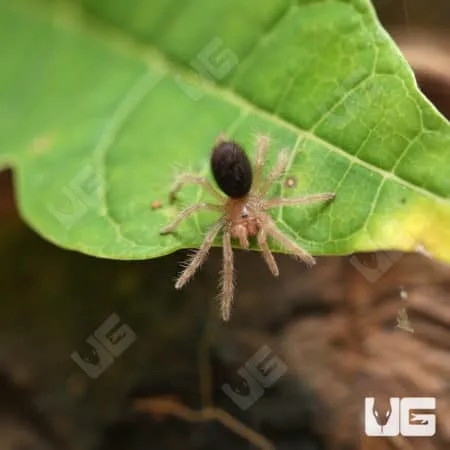
The Chaco Golden Knee Tarantula showcases a striking contrast of colors. The most distinguishing feature is the vibrant golden-yellow bands around the joints of their legs, which stand out against their black bodies. This coloration intensifies with each molt, making them even more visually appealing. As adults, they can reach a leg span of up to 8 inches, making them a moderately sized tarantula. They are covered in tiny hairs known as setae, which are essential for their sensory perception. These setae detect vibrations, air currents, and chemical signals, allowing them to navigate and hunt prey. The male tarantulas often exhibit smaller sizes and a less vibrant coloration compared to the females, which are typically larger and have a more robust build. Careful observation of these physical traits helps keepers identify their tarantula’s gender and monitor its overall health and development.
Caring for Your Golden Knee Tarantula
Caring for a Chaco Golden Knee Tarantula involves providing a suitable habitat, proper feeding, and consistent monitoring of their environment and health. Setting up their enclosure, maintaining appropriate humidity and temperature levels, and providing them with a balanced diet are essential elements of their care. They require a stress-free environment, which includes providing a spacious enclosure with appropriate substrate for burrowing. Regular inspection for any signs of illness, such as lethargy, loss of appetite, or changes in behavior, is crucial. Keepers should also be aware of the molting process, where the tarantula sheds its exoskeleton. By following these basic care guidelines, you can create a nurturing environment that enables your Golden Knee tarantula to thrive.
Creating the Ideal Habitat

The ideal habitat for a Golden Knee tarantula closely mirrors its natural environment. This includes providing a spacious enclosure with proper ventilation, a suitable substrate, and a temperature and humidity gradient. A well-designed habitat creates a comfortable and stimulating environment that minimizes stress and encourages natural behaviors. The enclosure should be escape-proof to ensure the safety of both the tarantula and its keeper. Additionally, adding decor, such as hides and artificial plants, can provide the tarantula with security and enrich its environment. Careful consideration of these elements creates a healthy and engaging living space that supports the tarantula’s well-being.
Choosing the Right Enclosure
An appropriate enclosure is crucial for the Golden Knee’s well-being. The size of the enclosure should be proportional to the tarantula’s size, allowing it to move around freely and feel secure. For juvenile tarantulas, a smaller enclosure is recommended to prevent stress, while adults require a larger setup. A glass or acrylic terrarium with a secure lid is generally the best choice. Good ventilation is also essential to prevent the buildup of mold and maintain air quality. Avoid enclosures with too many crevices where the tarantula could get trapped, and ensure that the enclosure is easy to clean and maintain. Remember that a well-chosen enclosure is the foundation of a healthy and happy tarantula’s living space.
Substrate Selection and Setup
The substrate serves as the tarantula’s bedding and plays a vital role in maintaining humidity levels and providing a burrowing environment. A mixture of substrate materials is often recommended, such as peat moss, coconut fiber, and a small amount of vermiculite. The substrate should be deep enough for the tarantula to burrow comfortably, with a depth of at least 4-6 inches. Maintaining a slightly moist substrate is essential for maintaining humidity, but avoid making it excessively wet. Regularly monitor the substrate for any signs of mold or decay, and replace it as needed to keep the enclosure fresh and healthy. A well-maintained substrate not only provides a comfortable environment but also aids in the overall health and well-being of the tarantula.
Maintaining Temperature and Humidity
Consistent temperature and humidity levels are essential for the Golden Knee tarantula’s health and activity. The ideal temperature range should be between 75-85°F (24-29°C). A heat source, such as a low-wattage heat lamp or a heat mat placed on the side of the enclosure, can be used to maintain the temperature. Humidity levels should be maintained between 60-70%. This can be achieved by misting the enclosure lightly every few days, providing a water dish, and ensuring good ventilation to prevent excess moisture. Monitoring the temperature and humidity using a thermometer and hygrometer is essential to make necessary adjustments. Maintaining optimal environmental conditions contributes to the tarantula’s comfort, appetite, and overall health, simulating its natural habitat.
Feeding Your Golden Knee Tarantula
Proper feeding is key to maintaining a healthy Golden Knee tarantula. Providing a balanced diet consisting of appropriately sized insects is crucial for their growth and vitality. Adjusting the feeding frequency and methods based on the tarantula’s life stage and appetite is also essential. Understanding the dietary needs of this species ensures that it receives adequate nutrition, which is essential for their molting process and overall well-being. Careful feeding practices result in a thriving and active tarantula, while also creating an enjoyable experience for its keeper.
Dietary Needs and Preferences
Golden Knee tarantulas are primarily insectivores, feeding on a variety of live insects. Crickets, mealworms, and roaches are common choices. The size of the prey should be appropriate for the tarantula, generally no larger than the length of its body. Providing a diverse diet helps ensure that the tarantula receives the necessary nutrients. Supplementing their diet with occasional treats, such as a small piece of pre-killed pinky mice, can also provide additional nutrition. Always ensure that the insects are sourced from a reliable supplier and are free from pesticides or harmful substances. Providing a varied and nutritious diet contributes to the tarantula’s health, growth, and overall vitality.
Feeding Frequency and Techniques

The feeding frequency of your Golden Knee tarantula will depend on its age and size. Spiderlings and juveniles should be fed more frequently, typically two to three times per week, while adults can be fed once a week or every other week. Observe your tarantula’s appetite and adjust the feeding schedule accordingly. Place the live insect into the enclosure and monitor if the tarantula is willing to eat. Remove any uneaten insects after 24 hours to prevent stress or injury to the tarantula. Providing a shallow water dish with clean water is also essential for hydration. Careful monitoring of feeding habits and the overall health of the tarantula creates a fulfilling and safe environment for the pet.
Handling and Safety Precautions
While Golden Knee tarantulas are generally docile, handling them requires caution. Their venom is mild to humans, similar to a bee sting, but it can still cause discomfort. The risk of a bite, or of the tarantula’s defensive hairs being released, necessitates careful handling practices. Understanding the tarantula’s behavior and being aware of potential risks is essential. Minimizing unnecessary handling is recommended, as it can stress the spider. However, if handling is required, proceed slowly and gently, avoiding sudden movements. Keeping the tarantula safe during handling is vital for both your safety and the well-being of the tarantula.
Understanding Tarantula Behavior
Understanding the behavior of your Golden Knee tarantula can help you interact with it safely and effectively. When feeling threatened, these tarantulas may raise their front legs or flick their urticating hairs as a defense mechanism. Avoid sudden movements or loud noises near the enclosure. It is important to observe their behavior patterns, which can indicate their health, mood, and environmental preferences. Monitoring their posture, feeding habits, and activity levels provides valuable insights into their well-being. These observations help you adjust their care accordingly, fostering a positive and stress-free environment. These interactions create a strong and healthy relationship with your pet, while also ensuring their safety and happiness.
Molting Process and What to Expect

The molting process is a natural and crucial part of a tarantula’s life cycle. During molting, the tarantula sheds its exoskeleton to grow and replace damaged or worn-out parts. This process can take several hours, or even days, during which the tarantula will be vulnerable and should not be disturbed. The molting frequency decreases as they mature. As a keeper, it’s important to understand the stages of molting and create a safe environment for your tarantula. Maintaining the correct humidity levels aids in the molting process. After molting, the tarantula’s new exoskeleton is soft, making it important to avoid handling or disturbing the tarantula until the new exoskeleton hardens. Keeping track of molts helps you monitor its health and growth over time. These periods of renewal contribute to your pet’s longevity and overall health.
Common Health Issues and Prevention
Like all pets, Golden Knee tarantulas are susceptible to certain health issues. Proper care and preventative measures can minimize the risks. Some common issues include parasitic infections, fungal infections, and dehydration. Providing a clean and well-maintained enclosure, offering a balanced diet, and maintaining correct humidity levels help prevent such problems. Regular observation for any unusual behavior, such as lethargy, loss of appetite, or changes in the abdomen, is essential. If any signs of illness are noticed, consult with a veterinarian experienced in exotic animal care. Early detection and prompt treatment are vital for ensuring the tarantula’s health and well-being, extending their life and creating a more rewarding pet ownership experience.
Breeding Golden Knee Tarantulas
Breeding Chaco Golden Knee tarantulas requires careful planning and specialized knowledge. It is not a beginner-friendly endeavor and should only be undertaken by experienced keepers. Successful breeding involves identifying the sexes, preparing the tarantulas for mating, and creating a suitable environment for egg laying and incubation. The female tarantula will lay her eggs in a silk sac, which the keeper must carefully manage to ensure proper development. The entire process requires specialized equipment and knowledge. Successful breeding also includes providing the correct temperature, humidity, and nutrition for the spiderlings after they hatch. Careful planning, meticulous execution, and a deep understanding of tarantula biology are essential for a successful breeding project.
Conclusion

Caring for a Golden Knee tarantula can be a rewarding experience for any pet enthusiast. By understanding the needs, behavior, and specific requirements of this species, you can provide a safe, stimulating, and enriching environment. From setting up the ideal habitat to providing a balanced diet and practicing safe handling techniques, the journey of Golden Knee tarantula keeping involves continuous learning and careful observation. Remember that the health and well-being of your tarantula depend on your dedication and commitment. Enjoy the journey of discovery, and cherish the opportunity to observe these beautiful arachnids, who provide a unique window into the wonders of the natural world.