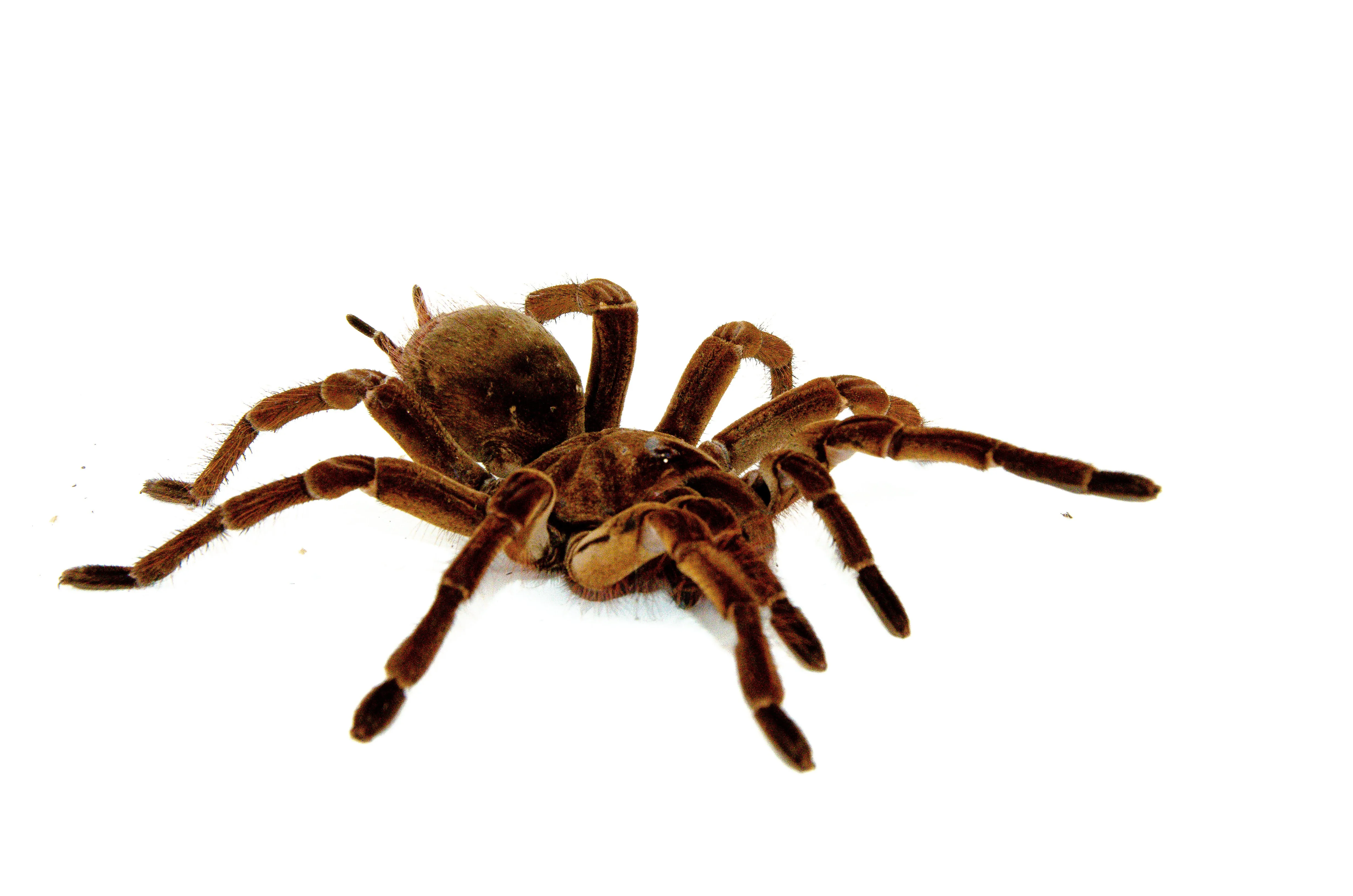
Goliath Bird-Eating Tarantula: Top 5 Facts
The Goliath Bird-Eating Tarantula, scientifically known as Theraphosa blondi, is one of the largest tarantula species in the world, and keeping one as a pet is a significant commitment. These fascinating creatures require specific care to thrive, including a carefully controlled environment, a suitable diet, and safe handling procedures. This care sheet will provide you with the essential information you need to ensure your Goliath Bird-Eating Tarantula lives a long, healthy, and fulfilling life in your care. From understanding their unique characteristics to setting up their habitat and ensuring their well-being, this guide will provide the top 5 facts to get you started.
Appearance and Characteristics of Goliath Bird-Eating Tarantulas
Goliath Bird-Eating Tarantulas are truly impressive, with females often reaching a leg span of up to 12 inches. Their bodies are covered in coarse, reddish-brown hairs, and they possess large fangs designed for capturing prey. These tarantulas have a heavy build and are generally not as fast-moving as some other tarantula species. They also have the ability to flick urticating hairs from their abdomen as a defense mechanism, which can cause skin irritation. This species is native to the rainforests of South America. They have chelicerae, which are fang-like structures used to inject venom, and pedipalps, which are small leg-like appendages used for sensing and manipulating food. Understanding their physical traits is crucial for providing proper care.
Size and Lifespan of Goliath Bird-Eating Tarantulas

One of the most striking facts about the Goliath Bird-Eating Tarantula is its immense size. As mentioned, females can have a leg span of up to a foot, making them one of the largest spiders in the world. Males are generally smaller, but still substantial. Their lifespan is another significant factor to consider; females can live for 15 to 25 years, while males typically live for 3 to 6 years. The longevity of the females means that owning a Goliath Bird-Eating Tarantula is a long-term commitment. Their size and lifespan are major considerations when preparing for and providing their care, as it influences habitat needs, food requirements, and overall management.
Habitat and Enclosure Setup for Your Tarantula
Creating a suitable habitat is paramount to the health and well-being of your Goliath Bird-Eating Tarantula. Their enclosure must mimic their natural environment. This involves several key elements that meet the needs of the tarantula, including the correct enclosure size, substrate, and the ability to maintain temperature and humidity levels. A well-designed habitat will not only make your tarantula comfortable but also enhance your experience of owning this remarkable species.
Choosing the Right Enclosure
The enclosure should be large enough to accommodate the tarantula’s size, providing adequate space for movement and exploration. A good rule of thumb is to ensure the enclosure is at least three times the tarantula’s leg span in width. Glass or clear plastic terrariums are suitable choices, as they allow for easy viewing and maintenance. Ensure the enclosure has a secure lid to prevent escapes, as these tarantulas are strong and can lift loose lids. Ventilation is also essential to prevent the buildup of humidity and mold, so select an enclosure with appropriate ventilation holes or a mesh top.
Substrate and Decor

The substrate should be deep enough for the tarantula to burrow if it chooses, and it should also retain moisture. A mix of peat moss, coconut fiber, and a bit of vermiculite is an excellent choice. The depth should be at least 6-8 inches. The substrate should be kept slightly moist but not wet. Include a hide, such as a piece of cork bark or a hollow log, for the tarantula to retreat to, providing a sense of security. Provide a shallow water dish, ensuring it’s always filled with fresh water. Avoid sharp objects and materials that could harm the tarantula.
Temperature and Humidity
Maintaining the correct temperature and humidity is critical for the tarantula’s health. The ideal temperature range is between 75°F and 85°F (24°C and 29°C). A heat lamp or under-tank heater can be used to maintain this temperature, but be cautious not to overheat the enclosure. Humidity levels should be between 75% and 85%, which can be achieved by misting the enclosure with water a few times a week and ensuring the substrate remains slightly moist. Use a hygrometer to monitor humidity levels. Adequate ventilation is essential to prevent mold and maintain air quality.
Feeding Your Goliath Bird-Eating Tarantula
Feeding your Goliath Bird-Eating Tarantula requires a good understanding of their dietary needs. As the name suggests, they will eat small birds in the wild. However, in captivity, their diet primarily consists of insects and occasional small vertebrates. Providing a balanced diet is vital for their health, growth, and overall well-being.
What to Feed Your Tarantula

The main diet should be composed of insects, such as crickets, cockroaches, mealworms, and superworms. These insects can be easily sourced from pet stores. The size of the insects should be appropriate for the tarantula’s size; avoid feeding insects that are larger than the tarantula’s abdomen. You can supplement the diet with small vertebrates, such as pinky mice, but this should be done sparingly, perhaps once or twice a month. It’s essential to ensure all prey items are healthy and free of pesticides.
Feeding Frequency and Amount
Young tarantulas should be fed more frequently, usually every 2-3 days. As they grow, the feeding frequency can be reduced. Adults can be fed once or twice a week. The amount of food should be enough to satisfy their appetite, but avoid overfeeding. Remove any uneaten prey within 24 hours to prevent the buildup of waste and the risk of the prey harming the tarantula. Always provide a source of fresh water in a shallow dish. Overfeeding can lead to health issues, so it’s best to err on the side of caution.
Handling and Safety Precautions
Handling a Goliath Bird-Eating Tarantula requires careful consideration due to its size, potential for defensive behavior, and the presence of urticating hairs. While they are not typically aggressive, handling should be kept to a minimum to avoid stressing the spider and to reduce the risk of triggering a defensive response. Prioritizing safety and understanding the tarantula’s behavior will ensure a positive experience for both the owner and the spider.
Understanding Tarantula Behavior

Goliath Bird-Eating Tarantulas, like all tarantulas, may exhibit defensive behaviors when they feel threatened. These behaviors can include raising their front legs, displaying their fangs, and flicking urticating hairs. If a tarantula shows these signs, it is best to leave it alone. It is important to understand the tarantula’s mood and behavior, so you can anticipate their reaction. They are generally calm if left undisturbed in their enclosure. Observe your tarantula for any signs of stress or unusual behavior, which might indicate a problem.
Safe Handling Practices
If handling is necessary, it should be done with extreme care and only when the tarantula is calm. Avoid sudden movements or loud noises. Use a soft, wide object to gently coax the tarantula onto your hand, if required. Always wash your hands thoroughly before and after handling, and avoid touching your eyes or face during handling. Urticating hairs can cause severe skin irritation, so avoid contact with them. If you are bitten, seek medical advice, although a bite from a Goliath Bird-Eating Tarantula is not typically life-threatening but can be very painful.
Common Health Issues and How to Address Them
Goliath Bird-Eating Tarantulas can be susceptible to certain health issues if not properly cared for. Identifying and addressing these problems early is essential for maintaining their health. Regular observation of your tarantula and their environment will help you identify potential issues and take appropriate action.
Moulting Process and What to Expect

Moulting is a natural process where tarantulas shed their exoskeleton to grow. It is a vulnerable time for them. During moulting, the tarantula will typically stop eating and may lie on its back. The process can take several hours or even days. Do not disturb the tarantula during moulting. After moulting, the tarantula will be soft and vulnerable, so do not feed it for a week or until its fangs have hardened. Ensure the humidity levels are ideal during moulting to aid in the process.
Signs of Illness and Disease
Watch out for signs of illness, such as lethargy, loss of appetite, unusual posture, or a distended abdomen. Infections can be caused by poor hygiene or injuries. If you observe any of these signs, consult a veterinarian with experience in exotic animals. Ensure the enclosure is clean, and the substrate is replaced regularly. Provide a varied and nutritious diet. Regular inspection will help you catch any potential issues before they become severe.
Breeding Considerations
Breeding Goliath Bird-Eating Tarantulas is a complex process best left to experienced keepers. It involves careful preparation and understanding of the tarantulas’ mating behavior. This section is for those who are considering this advanced aspect of tarantula care.
What to do when your tarantula molt
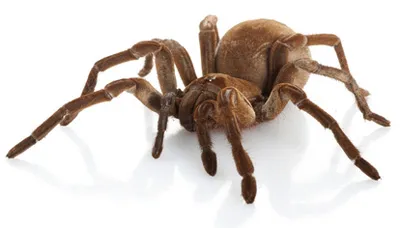
After a tarantula molts, it’s essential to provide a stable environment. Maintain the correct temperature and humidity levels to help the tarantula recover. Do not feed the tarantula for a week, or until the fangs have hardened, as they are vulnerable after molting. Provide fresh water. Avoid handling the tarantula during this period to prevent injury. The new exoskeleton will need time to harden. After the molt, the tarantula’s colors may appear brighter. Be patient and observe the recovery process.
In conclusion, caring for a Goliath Bird-Eating Tarantula is a rewarding experience that requires commitment and careful attention to detail. By understanding their needs, providing a suitable environment, a proper diet, and practicing safe handling, you can ensure your tarantula thrives. Regularly monitor your pet, observe their behavior, and address any health issues promptly. This care sheet provides a comprehensive guide to help you provide the best possible care for your Goliath Bird-Eating Tarantula, allowing you to enjoy the unique experience of owning one of these magnificent creatures.