What is a Goliath Bird Eating Tarantula?
The Goliath Bird Eating Tarantula, scientifically known as Theraphosa blondi, is the world’s largest spider by mass and can be a fascinating yet challenging pet. Native to the rainforests of northern South America, this impressive arachnid has captured the attention of exotic pet enthusiasts worldwide. Its imposing size, striking appearance, and unique behaviors make it a sought-after creature for experienced keepers. However, owning a Goliath Bird Eating Tarantula is not a decision to be taken lightly. It requires a significant commitment to understanding its specific needs, providing a suitable environment, and handling it with the utmost care. This comprehensive guide will delve into every aspect of caring for a Goliath Bird Eating Tarantula, from habitat setup to feeding, handling, and health, to help you determine if you are prepared for this unique and rewarding pet.
Appearance and Characteristics
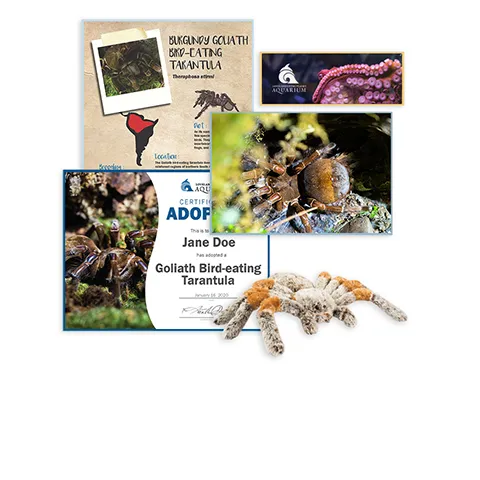
The Goliath Bird Eating Tarantula is a truly remarkable creature, instantly recognizable by its sheer size and imposing appearance. The females can have a leg span of up to 12 inches or more, while males are typically slightly smaller. Their bodies are covered in dense, reddish-brown hairs, giving them a fuzzy, almost velvety texture. These hairs aren’t just for show; they play a crucial role in the tarantula’s defense mechanism. When threatened, the tarantula can flick these urticating hairs towards its perceived threat, causing irritation and discomfort. The fangs of the Goliath Bird Eating Tarantula are also significant, reaching up to an inch long, reflecting the tarantula’s predatory nature. In addition to its impressive size, the tarantula has a robust body and strong legs, which are well-suited for digging and climbing within its habitat. Understanding these physical characteristics is key to providing the right environment and handling this fascinating animal responsibly.
Size and Lifespan

The Goliath Bird Eating Tarantula’s impressive size is a significant factor in its appeal as a pet. Females are known to be the larger of the sexes and can live for an extended period, often exceeding 20 years in captivity if properly cared for. Males, on the other hand, have a shorter lifespan, typically living for 3 to 6 years. Their size is influenced by factors such as genetics, diet, and environmental conditions. Young tarantulas grow through a series of molts, shedding their exoskeleton to accommodate their increasing size. These molts are a vulnerable time, and providing the correct environmental parameters is essential. Regular and adequate feeding is crucial to support healthy growth and longevity. The prolonged lifespan of the females makes owning a Goliath Bird Eating Tarantula a long-term commitment, highlighting the importance of understanding its specific needs and requirements before acquiring one.
Habitat and Natural Behavior
In their natural habitat, the Goliath Bird Eating Tarantula thrives in the humid, tropical rainforests of northern South America, including regions of Brazil, Venezuela, Guyana, Suriname, and French Guiana. They are primarily terrestrial spiders, spending most of their time on the forest floor, often in burrows or under logs and rocks. These tarantulas are opportunistic hunters, ambushing prey that wanders within their reach. They are not known for actively pursuing their meals but rather for waiting patiently for the right moment to strike. Their diet consists of insects, other invertebrates, and occasionally small vertebrates, such as lizards and small birds – hence the name, although it is very rare for them to eat birds in the wild. Understanding their natural behavior is fundamental to replicating a suitable environment in captivity. Replicating this natural environment is key to the tarantula’s well-being and is crucial in keeping the animal stress-free.
Creating the Perfect Habitat
Providing the correct habitat is essential for the health and happiness of your Goliath Bird Eating Tarantula. The enclosure should be spacious, allowing the tarantula to move around and engage in natural behaviors like burrowing. A secure enclosure is also essential to prevent escapes. It is also important to provide a suitable substrate, temperature, and humidity levels to mimic its natural environment. These factors play a crucial role in the tarantula’s health and well-being. The proper setup ensures the tarantula can thrive, molt successfully, and live a long, healthy life. Attention to detail in habitat creation demonstrates your commitment to providing the best possible care for your Goliath Bird Eating Tarantula and ensures a positive pet-owning experience.
Enclosure Setup

The size of the enclosure is very important. For a full-grown Goliath Bird Eating Tarantula, a terrarium that is at least 24x18x18 inches (length x width x height) is highly recommended, although a larger enclosure is always preferable. The enclosure must be made of a material that is escape-proof, such as glass or acrylic. A secure lid is vital to prevent escapes. Adequate ventilation is necessary to prevent the buildup of excessive humidity and to ensure air circulation, but be sure to avoid areas that could lead to the tarantula’s escape. Place the enclosure in a location away from direct sunlight, drafts, and loud noises to minimize stress. The location of the enclosure directly impacts the health and longevity of the Goliath Bird Eating Tarantula.
Substrate and Decor
The substrate should be deep enough for the tarantula to burrow, which is a natural behavior for these spiders. A mixture of peat moss, coconut fiber, and a small amount of soil is ideal. This combination retains moisture, allowing proper humidity levels within the enclosure. Add a layer of approximately 6-8 inches of substrate. Include decorations such as cork bark, driftwood, and artificial plants to provide hiding places and enrich the environment. These elements not only enhance the aesthetic appeal of the habitat but also provide the tarantula with areas to explore and retreat to, reducing stress and fostering natural behaviors. Avoid any sharp objects or materials that could pose a risk of injury to the tarantula.
Temperature and Humidity
Maintaining the correct temperature and humidity is crucial for the health and well-being of your Goliath Bird Eating Tarantula. The ideal temperature range is between 75-85°F (24-29°C). You can use a heat pad or a ceramic heat emitter to maintain this temperature, but be careful not to overheat the enclosure. The humidity levels should be kept between 75-85%. You can achieve this by misting the enclosure with water a few times a week, or by providing a large water dish for evaporation. Regular monitoring with a hygrometer and thermometer is recommended to ensure optimal conditions. Fluctuations in temperature or humidity can cause issues with molting, appetite, and overall health, so diligent maintenance is very important. Avoid placing the enclosure near a window or direct sunlight to prevent temperature spikes.
Feeding Your Goliath

Proper nutrition is vital for the growth and development of your Goliath Bird Eating Tarantula. It’s important to provide a balanced diet and feed the tarantula an appropriate amount to ensure its health. The tarantula’s feeding habits are as interesting as its size, so understanding what to feed your tarantula is very important. A healthy diet will not only satisfy the tarantula’s hunger but also improve its well-being and help prevent potential health issues. Overfeeding and underfeeding can also lead to health problems, so it’s important to strike a balance.
Diet and Nutrition
The Goliath Bird Eating Tarantula is an opportunistic predator, and its diet in captivity should primarily consist of insects. Crickets, roaches, mealworms, and other readily available insects are suitable options. Always ensure that the insects are gut-loaded before feeding them to the tarantula. Gut-loading involves feeding the insects nutritious food, such as vegetables and commercial insect food, which enriches the nutritional value of the insects and provides better nutrition for the tarantula. You can also occasionally offer small vertebrates, like pinkie mice, but these should be given sparingly as part of a balanced diet, and are more suitable for adult tarantulas. A constant supply of fresh water is also vital, so a water dish is necessary and must always be available.
Feeding Frequency
The feeding frequency depends on the age and size of your tarantula. Younger tarantulas, or spiderlings, need to be fed more frequently, typically every other day. As the tarantula matures, you can decrease the frequency to once or twice a week. Adult Goliath Bird Eating Tarantulas can often be fed once a week, or even less frequently, as long as they have a healthy appetite. Be cautious about overfeeding, as this can lead to health problems and potentially shorten their lifespan. Remove any uneaten prey within 24 hours to prevent the build-up of waste and to reduce the risk of the tarantula being disturbed while it’s molting. Closely observe the tarantula’s body condition to adjust the feeding schedule as needed. If the abdomen appears too large, reduce the feeding frequency.
Handling and Safety

Handling a Goliath Bird Eating Tarantula should be approached with caution and is generally not recommended, especially for beginners. These tarantulas are large, possess potent fangs, and can exhibit defensive behaviors, including biting and flicking urticating hairs. However, if handling is necessary, a proper technique and understanding of the risks involved are crucial to ensure both the safety of the handler and the well-being of the tarantula. It is essential to familiarize yourself with safety measures, anticipate the spider’s reactions, and know when to avoid handling altogether. Any handling attempts should always be done with great care.
Handling Precautions
If you must handle your Goliath Bird Eating Tarantula, it should be done with utmost care and the understanding of potential risks. Always handle the tarantula close to the ground or a soft surface in case of a fall. Gently coax the tarantula onto your hand, avoiding sudden movements that could startle the spider. Never grab the tarantula. Avoid handling during or immediately after molting, as they are extremely vulnerable at this time. Wash your hands thoroughly before and after handling to avoid any transfer of substances that could be harmful to the tarantula. If you are bitten, seek medical attention immediately, as their venom can cause pain and discomfort, although it is typically not life-threatening. Proper handling protects both the handler and the pet and will help you create a safer environment for everyone.
Recognizing Stress and Defensive Behavior
It’s essential to recognize signs of stress and defensive behavior in your Goliath Bird Eating Tarantula. A stressed tarantula may adopt a defensive posture, raising its front legs and fangs in a threatening display. They may also flick urticating hairs from their abdomen towards a perceived threat. If you observe these behaviors, it is a clear indication that the tarantula is feeling threatened, and you should not attempt to handle it. Always respect the tarantula’s boundaries and understand that it is okay for a pet to not want to be handled. Creating a safe environment by allowing the tarantula to retreat to its hide and avoiding any unnecessary disturbances minimizes stress and fosters a healthier, more comfortable environment for your pet. Paying attention to the tarantula’s behavior is the best way to ensure you are not putting it in an uncomfortable situation.
Health and Common Issues

Maintaining the health of your Goliath Bird Eating Tarantula involves vigilance and preventative measures. Common health issues, such as problems with molting or parasites, can be avoided with careful habitat maintenance and by being attentive to the tarantula’s behavior. It’s important to be aware of the signs of potential health problems and know how to address them promptly to ensure a long and healthy life for your pet. The following are some common issues that can affect Goliath Bird Eating Tarantulas and how to prevent or manage them. Addressing these issues can greatly improve your pet’s quality of life.
Molting Process
Molting is a natural process for tarantulas, where they shed their exoskeleton to grow. During this process, the tarantula is very vulnerable. Signs that your tarantula is about to molt include loss of appetite, inactivity, and a change in the color of the abdomen. Provide a suitable environment with the correct temperature and humidity levels to aid the molting process. Never disturb your tarantula during molting, as it is a stressful and delicate period. After molting, do not feed the tarantula for a few days to allow the new exoskeleton to harden. If the tarantula struggles to molt, it may be due to inadequate humidity or other environmental factors. In such instances, you might need to seek assistance from an experienced tarantula keeper or a veterinarian specializing in exotic animals.
Parasites and Diseases
Goliath Bird Eating Tarantulas can be susceptible to certain parasites and diseases, although these are relatively rare in well-maintained captive environments. One of the most common parasites is mites. Mites can infest the tarantula’s body and enclosure, causing irritation. Regular cleaning of the enclosure and monitoring of the tarantula’s health can help prevent mite infestations. A healthy tarantula should have good movement, a healthy appetite, and a firm abdomen. If you observe any unusual symptoms, such as lethargy, loss of appetite, or visible parasites, it’s important to consult with an experienced tarantula keeper or an exotic animal veterinarian. Proper hygiene and quarantine for new tarantulas are crucial to minimize the risk of diseases and parasites within your collection.
Breeding and Reproduction

Breeding Goliath Bird Eating Tarantulas is a complex undertaking that is best left to experienced keepers. It involves carefully managing the environmental conditions, handling the tarantulas with care, and knowing how to identify their sex. Before attempting to breed, you should have a thorough understanding of tarantula biology, reproductive behavior, and the proper care for spiderlings. Breeding requires a significant commitment of time, resources, and expertise to ensure the health of the tarantulas and the survival of their offspring. This also helps to ensure a healthy population of Goliath Bird Eating Tarantulas. Breeding these animals is not something that can be taken lightly.
Identifying Gender
Identifying the gender of a Goliath Bird Eating Tarantula can be challenging, particularly in younger specimens. The most reliable method is to examine the tarantula’s molted exoskeleton. In adult males, you can often find modified pedipalps that are used for mating. Females usually have a seminal receptacle. Examining the underside of the tarantula’s abdomen, after a molt, may reveal a spermatheca in females. However, this process requires a magnifying glass and good lighting. If you are unsure, it is best to consult with an experienced tarantula keeper or breeder. Accurate sexing is crucial for successful breeding attempts.
Breeding Process
The breeding process for Goliath Bird Eating Tarantulas involves introducing a mature male to a receptive female. It’s important to monitor the tarantulas closely during this time and to have a plan for separating them if the female becomes aggressive towards the male. If the mating is successful, the female will lay an egg sac, which she will then guard and protect. The spiderlings that emerge from the egg sac require specialized care, including a suitable environment, proper feeding, and careful handling. The rearing of spiderlings requires specialized knowledge and a significant investment in resources. It is essential to have a comprehensive understanding of all aspects of their care and a willingness to dedicate a great deal of time.
Conclusion
Caring for a Goliath Bird Eating Tarantula can be an incredibly rewarding experience, providing a fascinating glimpse into the world of these incredible creatures. However, it’s crucial to approach this undertaking with a full understanding of their needs, a commitment to providing the proper care, and a deep respect for their nature. By understanding their habitat, diet, and potential health issues, you can provide a thriving environment for your pet. Remember to prioritize their safety, always handle them with caution, and be mindful of their well-being. With the right knowledge and dedication, you can enjoy the unique privilege of being a Goliath Bird Eating Tarantula keeper and appreciate the magnificence of this impressive species. Remember, responsible pet ownership is key to ensuring the health, happiness, and longevity of these amazing creatures.