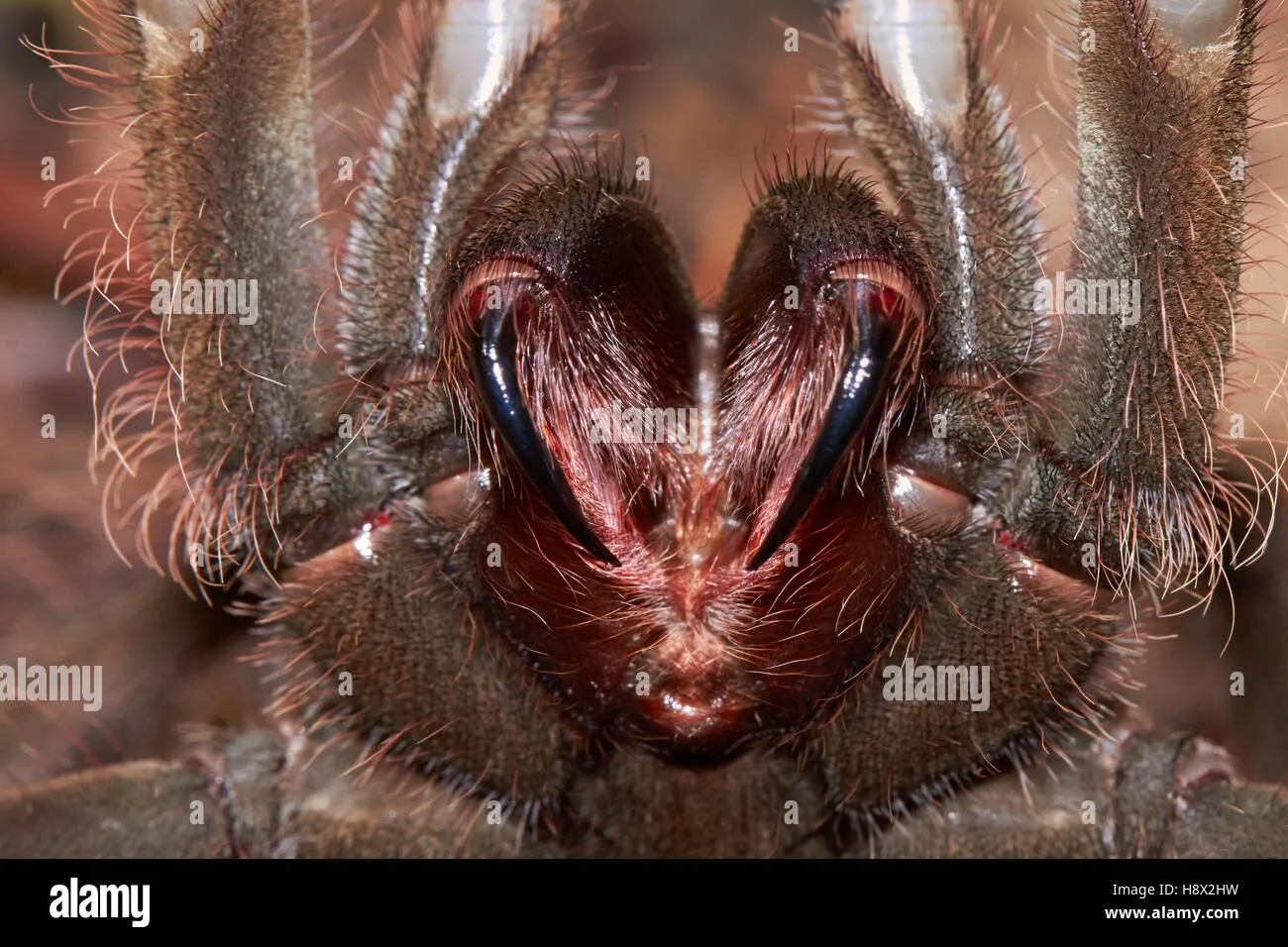
Goliath Birdeater Tarantula Mouse Eating Habits
The Goliath Birdeater tarantula, scientifically known as Theraphosa blondi, is one of the largest spiders in the world. Its imposing size and predatory nature have fascinated arachnid enthusiasts worldwide. This article delves into the fascinating world of how this giant spider eats mice, providing insights into its diet, hunting techniques, and feeding practices. Understanding the Goliath Birdeater’s eating habits is crucial for anyone interested in keeping one as a pet or simply curious about these incredible creatures. This comprehensive guide explores the details of their diet and how to provide the best possible care for your tarantula.
The Goliath Birdeater Tarantula’s Diet
The Goliath Birdeater tarantula, despite its name, doesn’t primarily feast on birds. While it may occasionally consume small birds, its diet consists mainly of insects, invertebrates, and small vertebrates. Understanding their natural diet is essential for providing proper nutrition in captivity. A balanced diet contributes significantly to the tarantula’s health, growth, and overall well-being. A diverse diet ensures they receive all the necessary nutrients for a long and healthy life. This includes various food items that cater to their nutritional requirements and mimic their natural feeding behavior.
What Do Goliath Birdeaters Eat in the Wild

In their natural habitat, which includes the rainforests of South America, Goliath Birdeater tarantulas are opportunistic feeders. Their diet primarily includes insects such as crickets, beetles, and cockroaches. They will also consume earthworms and other invertebrates they can find. However, their large size allows them to hunt and consume small vertebrates, including lizards, frogs, and, yes, even small rodents like mice. This varied diet reflects their adaptability and survival instincts within their ecosystem. They are true apex predators in their environment, always ready to seize an opportunity to feed.
The Role of the Mouse in the Tarantula’s Diet
Mice can be a part of the Goliath Birdeater’s diet, especially in captivity. Feeding a tarantula a mouse offers a significant nutritional boost due to the high protein content. However, this should be done with caution and in moderation. Mice should not be the sole food source, as it can lead to an unbalanced diet. A mouse can be offered periodically to provide a different nutritional profile, mimicking a more natural and varied diet. This provides the necessary variety to promote health and well-being, as well as satisfy their natural hunting instincts. Remember that these spiders are predators by nature!
Mouse Consumption Process
Witnessing a Goliath Birdeater tarantula consume a mouse is a captivating experience. The process involves a series of steps, showcasing the spider’s predatory skills and unique adaptations. It’s a display of nature’s efficiency and the tarantula’s remarkable capabilities.
The Hunt

The hunt begins with the tarantula ambushing its prey. Goliath Birdeaters are not active hunters, relying on their size and patience. They wait for the mouse to come within striking distance. They use their sensitive hairs to detect vibrations and changes in air currents, alerting them to the prey’s presence. Once the mouse is close enough, the tarantula swiftly strikes, using its powerful fangs to inject venom.
The Kill
The venom injected by the Goliath Birdeater is primarily designed to immobilize and begin the digestive process. The venom contains enzymes that begin breaking down the mouse’s tissues. The tarantula’s powerful fangs help it to firmly grasp the prey. The tarantula then holds the mouse until the venom takes effect. The effectiveness of the venom can vary, but it usually paralyzes the mouse quickly.
Consumption
Once the mouse is subdued, the Goliath Birdeater begins to consume its meal. The tarantula secretes digestive enzymes onto the prey. The spider then uses its chelicerae, or fangs, to break down the mouse into a liquid form. The spider then sucks up the liquefied nutrients. This slow but effective process allows the tarantula to extract all the essential nutrients from its meal. Only the indigestible parts, such as hair and bones, are left behind.
Preparing a Mouse Meal for Your Tarantula

Providing a mouse meal for your Goliath Birdeater tarantula requires careful preparation. This ensures the safety and well-being of both the tarantula and the handler. It’s crucial to source healthy mice and prepare them appropriately before offering them as a food source. Proper preparation minimizes the risk of disease transmission and provides optimal nutrition.
Sourcing Safe and Healthy Mice
The quality of the mice is paramount to the health of your tarantula. Always obtain mice from a reputable source. This minimizes the risk of disease and ensures the mice are properly fed. Healthy mice are more nutritious and less likely to carry parasites or diseases. Always prioritize the well-being of your pet by selecting the healthiest possible food source.
Where to Buy Mice
Mice can be purchased from pet stores specializing in reptile and exotic animal supplies. Look for stores that prioritize the health and care of their feeder animals. Local breeders are also an option, as they often provide healthy, well-cared-for mice. Online suppliers are available, offering convenience but require careful consideration of shipping conditions to ensure the mice arrive in good condition.
How to Choose Healthy Mice

When selecting mice, look for those that are active, alert, and free from any signs of illness. Their coats should be clean and well-groomed, and their eyes should be clear. Avoid mice that appear lethargic, have any discharge from their eyes or nose, or show any signs of injury. Choosing healthy mice is key to preventing the introduction of diseases to your tarantula.
Preparing the Mouse for Feeding
Before feeding the mouse to your tarantula, it’s important to prepare it properly. This ensures the tarantula’s safety and makes the meal more appealing. Preparation steps reduce the risk of any potential health hazards and increase the chances of your tarantula accepting the meal.
Thawing and Handling
If you are feeding frozen mice, thaw them completely before offering them to your tarantula. The best way to thaw a mouse is in the refrigerator overnight. Never use a microwave, as this can cause the mouse to heat unevenly and potentially injure your tarantula. Handle the mouse with tongs or forceps to avoid any direct contact and the risk of being bitten.
Presenting the Mouse to Your Tarantula

Use tongs or forceps to offer the mouse to your tarantula. Avoid dropping the mouse directly into the enclosure, as this can startle the spider and make it less likely to feed. Gently place the mouse near the tarantula. Observe the spider’s behavior and reaction to the offered prey. If the tarantula is hungry, it will usually approach the mouse and seize it. If not, remove the mouse after 24 hours.
Feeding Frequency and Portion Size
Determining the proper feeding frequency and portion size is crucial for maintaining your Goliath Birdeater tarantula’s health. Overfeeding can lead to health problems, while underfeeding can hinder growth and development. Adjusting the feeding schedule as the tarantula grows is crucial.
Frequency
Feeding frequency depends on the tarantula’s age and size. Spiderlings and juvenile tarantulas should be fed more frequently, typically once or twice a week. Adult Goliath Birdeaters can be fed less often, usually every two to three weeks, or even less frequently. Always observe your tarantula’s body condition. If the abdomen appears plump and round, it is likely well-fed. Adjust the frequency depending on your observation.
Portion Size
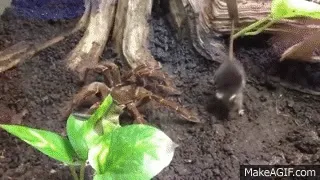
The size of the meal should be appropriate for the tarantula’s size. A good rule of thumb is to offer a prey item that is no larger than the tarantula’s body size. For adults, this may mean a small mouse or rat every few weeks. Always remove any uneaten prey within 24 hours to prevent the risk of mites or mold growth.
Monitoring Your Tarantula’s Eating Habits
Regularly monitoring your Goliath Birdeater tarantula’s eating habits is essential for detecting any potential health issues. A healthy tarantula will have a strong appetite and readily consume food. Changes in eating behavior can indicate underlying problems. This includes changes in appetite or any reluctance to eat. Closely observing your tarantula allows you to respond promptly to any health issues and ensure your pet’s well-being.
Signs of a Healthy Appetite
A healthy Goliath Birdeater tarantula will have a consistent appetite and readily accept food. It will approach the prey with enthusiasm and seize it quickly. The abdomen will appear plump and rounded after feeding, indicating that it is well-nourished. Regular molting is another sign of a healthy, growing tarantula. All these things point to a thriving tarantula.
Signs of Potential Issues
A loss of appetite can be a sign of several potential health issues. This may include stress, illness, or problems with the enclosure environment. If your tarantula refuses to eat, examine the enclosure conditions, making sure the temperature and humidity are correct. Check for any signs of parasites or other health problems. Consult with a veterinarian specializing in exotic animals if the tarantula continues to refuse food. Prompt intervention will ensure the best chances of recovery and long-term health.
In conclusion, understanding the Goliath Birdeater tarantula’s eating habits is vital for providing proper care and ensuring its health and well-being. By understanding their diet, providing the correct food, and monitoring their eating behavior, you can keep your Goliath Birdeater tarantula healthy and thriving. These magnificent creatures can be fascinating pets and, with the right care, can bring years of enjoyment. Always prioritize the health and happiness of your tarantula by staying informed and attentive to its needs. Careful observation and proactive care will help you to successfully raise this amazing species. So take the knowledge you have learned here, and put it into practice!