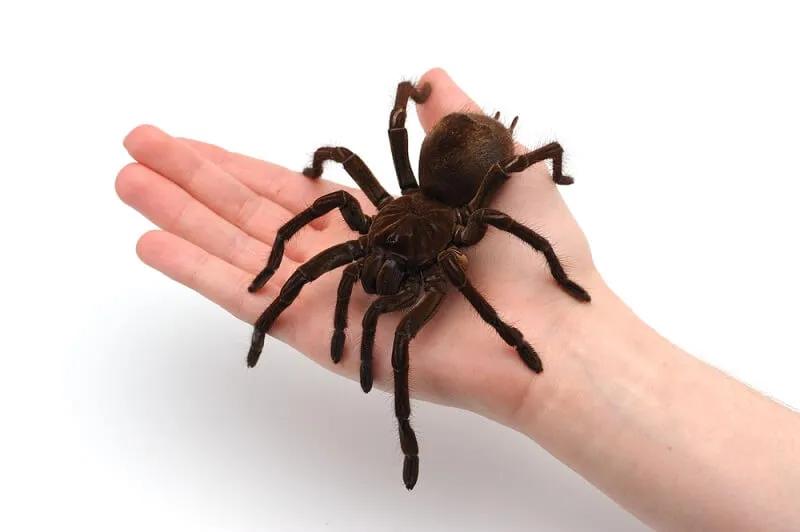
What is a Goliath Spider Tarantula?
The Goliath spider tarantula (Theraphosa blondi) reigns supreme as the world’s largest spider, captivating both scientists and enthusiasts alike with its impressive size and striking appearance. Native to the rainforests of South America, this arachnid giant is a true marvel of nature. The Goliath spider tarantula presents a fascinating subject for study, offering insights into the adaptability and survival strategies of spiders. Understanding this species involves exploring its physical attributes, its role in the ecosystem, and the various challenges it faces in the wild. This article provides an overview of the Goliath spider tarantula.
Size and Appearance of the Goliath Spider Tarantula
The Goliath spider tarantula’s sheer size is the first thing that grabs attention. These spiders can boast a leg span of up to 12 inches (30 cm) – rivaling the size of a dinner plate – and weigh over 6 ounces (170 grams). The body is covered in a dense coat of reddish-brown to dark brown hairs, lending it a fuzzy, almost velvety texture. The chelicerae, powerful mouthparts used to inject venom, are sizable and formidable. The overall robust build combined with the impressive size and color contributes to its intimidating presence. The appearance of the Goliath spider tarantula immediately signifies its status as the world’s largest spider, making it a standout in the world of arachnids.
Goliath Spider Tarantula Size Comparison

To truly appreciate the Goliath spider tarantula’s size, it helps to compare it to more familiar objects. Its leg span, which can reach up to a foot, can be likened to the size of a human forearm or a small cat. When fully extended, its legs can cover a large area, making it a visually stunning creature. Its weight, exceeding 6 ounces, can be compared to that of a small mammal. These comparisons provide a tangible sense of just how massive this spider is, setting it apart from many other creatures in the animal kingdom. Comparing it with everyday objects makes it easier to visualize the enormous size of this incredible spider.
Goliath Spider Tarantula Coloration and Features
The Goliath spider tarantula’s coloration is predominantly a rich reddish-brown to a deep, dark brown. This muted palette provides excellent camouflage within its rainforest habitat. The body and legs are covered in fine hairs, contributing to its overall appearance and aiding in its sensory perception. These hairs are also instrumental in detecting vibrations and other environmental stimuli. The combination of color, the fine hairs, and the robust build contributes to the Goliath spider tarantula’s distinctive and recognizable appearance. A closer examination of its coloration and physical characteristics reveals fascinating adaptations that aid in its survival in the wild. During molting, the spider sheds its exoskeleton, revealing vibrant new colors and features before the new shell hardens.
Habitat and Distribution
The Goliath spider tarantula is indigenous to the rainforests of South America, specifically thriving in the tropical regions of countries like Brazil, Venezuela, Guyana, Suriname, and French Guiana. The warm, humid environment of the rainforest is ideal for their survival. They are commonly found in burrows or under rocks and logs, where they can find shelter and ambush their prey. The geographical distribution is limited to areas with specific climatic and environmental conditions, highlighting their sensitivity to environmental factors. The Goliath spider tarantula thrives in a specific habitat, thereby playing a critical role in the biodiversity of the rainforest ecosystem.
Where Goliath Tarantulas Live

Goliath spider tarantulas are primarily terrestrial creatures, meaning they live on the ground. They build or occupy burrows in the soil, providing a safe haven from predators and the elements. These burrows, which can be self-excavated or adapted from existing ones, are often lined with silk to maintain stable temperature and humidity levels. The preferred environment is dark, humid, and sheltered, as is common in rainforest settings. The location of their habitat is critical for their survival in the wild, so protecting it is a must. These spiders require a safe place to live, hunt, and avoid predators.
Goliath Spider Tarantula Preferred Environments
The Goliath spider tarantula has particular preferences in its habitat, requiring warm and humid environments characteristic of tropical rainforests. These spiders are primarily nocturnal, becoming most active during the night when they venture out to hunt. They prefer areas with dense vegetation, which offers plentiful cover and shelter, and they need a reliable source of food and water, readily available in their natural habitat. These ideal conditions help these spiders survive and thrive. The Goliath spider tarantula’s preference for certain environmental conditions underlines the sensitivity of its habitat and its critical role within the rainforest ecosystem.
Diet and Hunting Habits
The Goliath spider tarantula is a formidable predator with a varied diet, primarily consisting of insects but also extending to small vertebrates. These spiders are ambush predators, waiting patiently for their prey to come within striking distance. The spider uses its large chelicerae to inject venom, which paralyzes and eventually kills the prey. They then use their fangs to liquefy the insides of their prey before consuming them. This hunting strategy is critical for their survival in the wild. The diet and hunting habits of the Goliath spider tarantula provide insight into its role in the ecosystem and its impressive predatory skills.
What Goliath Tarantulas Eat

The Goliath spider tarantula has a wide-ranging diet, mainly composed of insects. This includes a broad assortment of bugs, like crickets, beetles, and other invertebrates. They have a diverse diet, and also eat small vertebrates like lizards, small snakes, frogs, and occasionally, small birds. These spiders are opportunistic feeders. The food that they eat helps the spider survive. The spider’s dietary habits reveal its adaptability and role as an apex predator in its ecosystem.
Hunting Strategies
Goliath spider tarantulas use sophisticated hunting strategies. As ambush predators, they rely on their size and camouflage to remain unseen. They wait patiently in or near their burrows, detecting vibrations in the ground that signal approaching prey. Once prey is within striking distance, the spider will swiftly pounce, using its large fangs to inject venom. This hunting technique is vital for the Goliath spider tarantula to secure its necessary sustenance for survival. These strategies demonstrate the spider’s adaptability and hunting prowess in its habitat.
Venom and Danger to Humans
The Goliath spider tarantula is venomous, but its venom is not typically considered lethal to humans. Although a bite from a Goliath spider tarantula can be painful, the venom is relatively mild. The venom’s primary function is to subdue prey, and its effects on humans are typically localized. Reactions to a bite can vary depending on the individual but often include pain, redness, and swelling at the bite site. The spider’s large size and powerful jaws can cause physical trauma. Knowing about the venom and its impact on humans is important for understanding the nature of a bite.
Is the Goliath Spider Tarantula Venomous?

Yes, the Goliath spider tarantula is venomous, a key element of its hunting strategy. They use venom to immobilize or kill prey, injecting it through their fangs, which are used to pierce the prey’s exoskeleton. The venom of the Goliath spider tarantula is not typically life-threatening to humans, but it can cause some pain and discomfort. Understanding the nature of the venom and its impact on both prey and humans is essential for understanding the spider’s biology and its survival in the wild.
Effect of a Bite
The effect of a Goliath spider tarantula bite on humans varies, but it is not typically severe. The primary effects of the bite are localized, including pain, redness, and swelling around the bite site. Muscle cramps and slight nausea may also occur. The venom can cause a range of effects, depending on individual sensitivity. While the venom itself is not deadly to humans, the bite can still be quite painful. Knowing the effects of a bite helps in assessing the risks of interacting with these spiders. Medical attention might be necessary if symptoms are severe or persist, but it’s usually not required.
Lifespan and Reproduction
The Goliath spider tarantula has a comparatively long lifespan for an invertebrate, especially when kept in captivity. Its reproductive cycle involves complex behaviors and processes. The duration of its life and methods of reproduction heavily shape population dynamics and impact its ecological role. Studying the lifespan and reproduction of these spiders provides insight into their survival strategies and enhances understanding of the species as a whole.
Lifespan in the Wild and Captivity

In the wild, the Goliath spider tarantula can live for 10 to 15 years, and sometimes even longer. In captivity, where conditions are controlled and food is consistently available, they can survive for over 20 years. Many factors affect their lifespan, including habitat and predator avoidance. Their lifespan is influenced by environmental factors, such as food availability, predators, and climate. Proper care in a controlled environment allows them to thrive for longer periods, as it mitigates the challenges they would face in the wild.
Reproduction Process
The Goliath spider tarantula’s reproduction involves complex behaviors. The male spider approaches the female’s burrow, engaging in elaborate courtship rituals to avoid being attacked. The male deposits sperm, which fertilizes the eggs. The female then lays her eggs in a silk sac, protecting them until they hatch. The young spiders, known as spiderlings, go through several molts as they grow. The whole process is fascinating and provides insight into the life cycle of this remarkable spider. The reproduction process shows the species’ delicate balance and how the spider continues to live on.
Conservation Status
The Goliath spider tarantula’s conservation status is currently listed as “Least Concern” by the International Union for Conservation of Nature (IUCN). Although not immediately threatened, their populations can be affected by habitat loss due to deforestation and collection for the pet trade. Conservation efforts aim to protect their natural habitats and regulate the pet trade to ensure sustainable practices. The Goliath spider tarantula’s population depends on protecting its habitat and controlling unsustainable collection. Constant monitoring and conservation are essential for the long-term survival of this fascinating species. These spiders play a crucial role in their ecosystems, and face challenges like climate change.