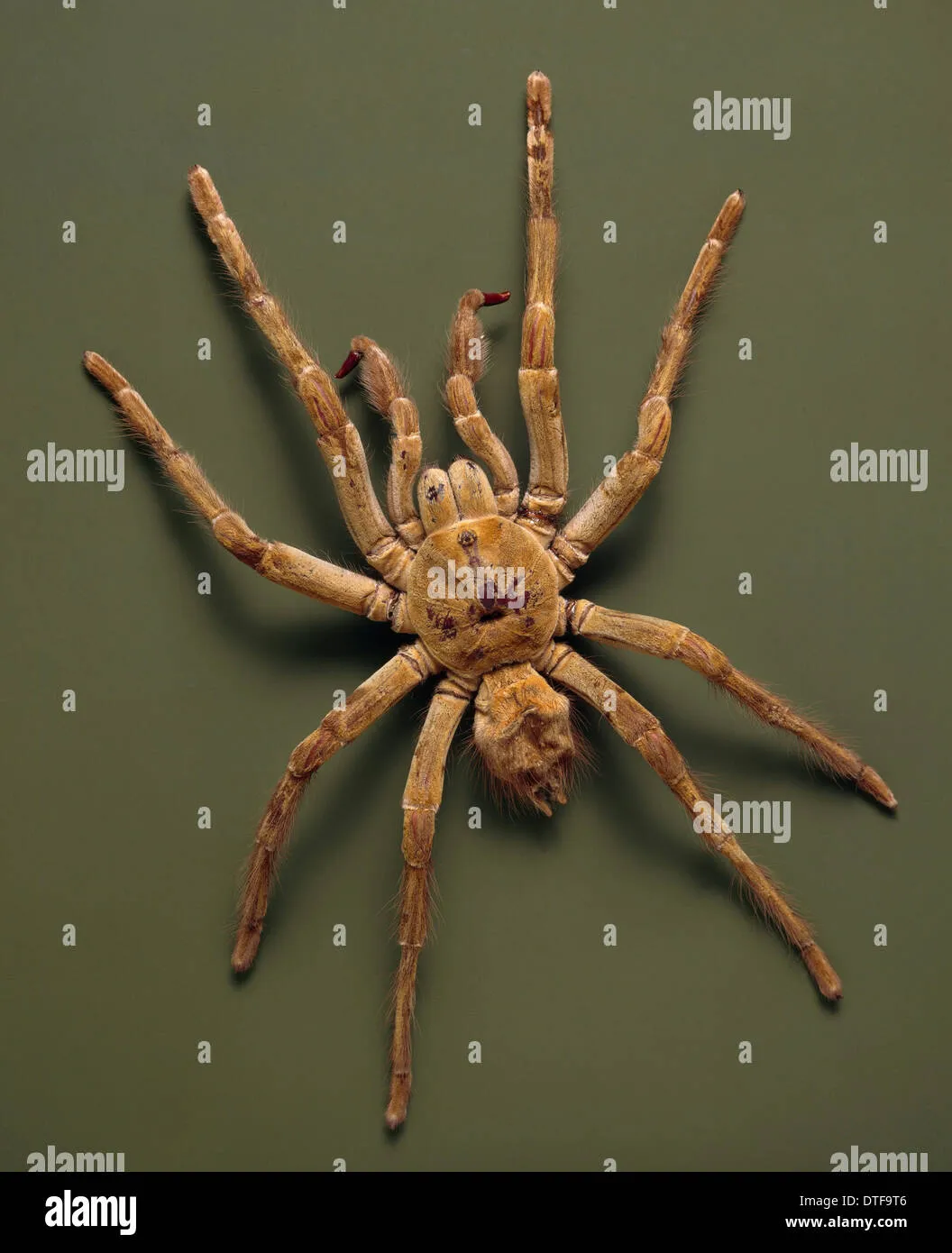
What is a Goliath Tarantula?
The Goliath Birdeater, scientifically known as Theraphosa blondi, is the world’s largest spider, and it’s a truly impressive creature. Despite its name, it doesn’t primarily eat birds; its diet consists mainly of insects, but it’s been known to consume small rodents, lizards, and even snakes. These spiders are native to the rainforests of northern South America. The Goliath Birdeater’s imposing size and unique characteristics have made it a source of fascination and, for some, a pet of interest. Understanding these incredible arachnids requires looking into their physical attributes, behavior, and the environment they thrive in.
Size and Appearance
One of the most striking goliath tarantula facts is their size. These spiders can have a leg span of up to 12 inches (30 cm) or more, and can weigh over 6 ounces (170 grams). The body itself can be several inches long. They are typically brown in color, with a hairy appearance, which helps them camouflage within their habitat. Females are generally larger than males, and their lifespan is also significantly longer. The overall appearance is one of a robust, intimidating spider, and the size is undoubtedly a key factor in its popularity among enthusiasts.
Habitat and Distribution

Goliath Birdeaters are found in the rainforests of northern South America, specifically in countries like Brazil, Venezuela, Guyana, Suriname, and French Guiana. Their natural habitat consists of deep burrows in humid, swampy areas, or rainforest. They often live in burrows, usually near sources of water. The damp environment is crucial for their survival, as it helps to maintain the necessary humidity for their health. Understanding the natural habitat is important for anyone considering keeping them as pets, because the enclosure must replicate these environmental conditions for the spider to thrive.
Behavior and Temperament
Goliath Birdeaters are generally docile, but they can become defensive when threatened. Their behavior includes a threat display, where they will raise their front legs and expose their fangs. They may also rub their legs against their abdomen, releasing urticating hairs that can cause skin irritation. These hairs are a primary defense mechanism. While not aggressive, they can be unpredictable, so it’s essential to handle them with care and respect their space. They are nocturnal creatures, most active during the evening and night.
Diet and Feeding Habits
Contrary to their name, Goliath Birdeaters do not primarily eat birds. Their diet typically includes insects such as crickets, mealworms, and roaches. They may also consume small rodents, lizards, and sometimes snakes, especially when they are juveniles. In captivity, their diet is usually supplemented with appropriately sized insects and occasionally small vertebrates. They are ambush predators, waiting in their burrows or hunting in the cover of darkness before pouncing on their prey. The feeding frequency depends on the spider’s age, with younger spiders needing more frequent feedings.
Lifespan and Reproduction

The Goliath Birdeater’s lifespan varies significantly between males and females. Males typically live for around 3 to 6 years, while females can live for 10 to 25 years. This long lifespan makes them a significant commitment for pet owners. Reproduction involves a complex mating ritual, and the female lays eggs in a silk egg sac. She protects the sac until the spiderlings hatch and begin to disperse. The growth rate of the spiderlings varies depending on the conditions, but they will molt several times during their lifespan as they outgrow their exoskeletons.
Are Goliath Tarantulas Dangerous?
Goliath Birdeaters, despite their size, are not considered highly dangerous to humans. However, they possess certain defense mechanisms that can cause discomfort and potential health issues. It is essential to understand these risks and take appropriate precautions when handling or being around these spiders.
Venom and Bites
Goliath Birdeaters do have fangs and can bite, injecting venom. The venom of a Goliath Birdeater is not considered lethal to humans, but the bite can be painful. The pain is often compared to a bee sting, and it may be accompanied by localized swelling and redness. The severity of the reaction can vary depending on the individual and the amount of venom injected. It is always essential to seek medical attention if you have been bitten by a Goliath Birdeater, especially if you experience severe symptoms or an allergic reaction.
Defensive Mechanisms

Beyond biting, Goliath Birdeaters have other defensive mechanisms. One is the ability to flick urticating hairs from their abdomen. These hairs are irritating and can cause intense itching and skin irritation if they come into contact with skin or eyes. The hairs are released when the spider feels threatened, and they can be a significant nuisance. They also have the ability to make a hissing sound by rubbing their legs together, as a warning signal to potential threats. Because of these defensive mechanisms, it is always crucial to handle them with care, and avoid provoking them.
Keeping Goliath Tarantulas as Pets
Keeping a Goliath Birdeater as a pet can be a rewarding experience, but it requires careful consideration and preparation. The spider’s specific needs must be met to ensure its health and well-being. Understanding the enclosure requirements, feeding needs, and potential health issues is crucial before bringing one of these magnificent creatures home.
Enclosure Requirements
A suitable enclosure for a Goliath Birdeater must be large enough to accommodate its size. A glass or plastic terrarium is often the best choice, and it should be at least 24x18x18 inches (60x45x45 cm) for an adult. The enclosure needs a secure lid to prevent escape. The substrate should be several inches deep and composed of a mixture of peat moss, coco fiber, and vermiculite to retain humidity and allow the spider to burrow. Provide hiding places, such as cork bark or artificial plants. Maintain a temperature between 75-85°F (24-29°C) and humidity levels of 75-85% by misting the enclosure regularly. Always provide a shallow water dish for drinking.
Feeding and Care

Feeding a Goliath Birdeater involves offering a variety of insects, such as crickets, roaches, and mealworms, which should be appropriately sized to the spider. Feed young spiders 2-3 times a week, and adults every 1-2 weeks, depending on their appetite. Ensure the prey items are gut-loaded with nutritious foods before feeding them to your spider. The water dish should be kept clean, and the enclosure should be spot-cleaned regularly to remove any uneaten food or waste. Observe the spider’s behavior to ensure that it is eating properly and maintaining a healthy condition.
Common Health Issues
Goliath Birdeaters can be prone to certain health issues in captivity. One common issue is dehydration, which can be avoided by ensuring proper humidity levels and a clean water source. Another concern is mites, which can infest the spider and cause irritation. Inspect the spider regularly for any signs of mites and address them with appropriate treatments. Improper molting can also occur if the humidity or temperature levels are not correct; always provide a moist environment to help with this. Avoid handling the spider unnecessarily, as this can cause stress and potentially injure it. Regular observation and proper care are the best way to keep a Goliath Birdeater healthy.
Goliath Tarantula Facts FAQs
Here are some frequently asked questions about Goliath Tarantulas:
- Are Goliath Birdeaters venomous? Yes, but their venom is not considered deadly to humans. The bite can be painful.
- How big do Goliath Birdeaters get? They can have a leg span of over 12 inches.
- What do Goliath Birdeaters eat? They eat insects, small rodents, lizards, and sometimes snakes.
- How long do they live? Females can live for 10-25 years, while males live for 3-6 years.
- Are Goliath Birdeaters good pets? They can be interesting pets, but they require specialized care and handling.