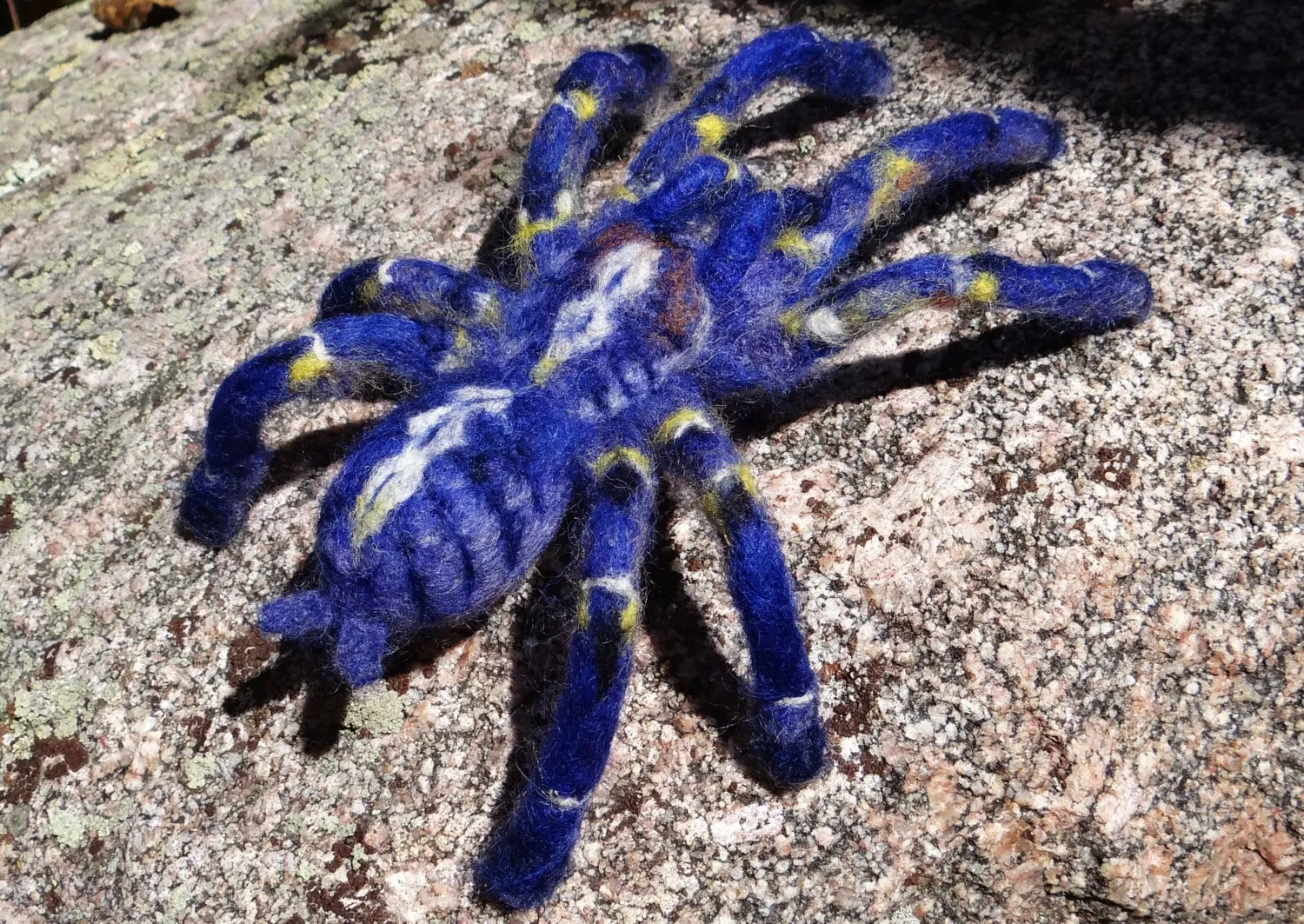
Gooty Sapphire Tarantula Top 5 Facts
The Gooty Sapphire Ornamental Tarantula (Poecilotheria metallica) is a stunning and highly sought-after species in the tarantula hobby. Known for its vibrant metallic blue coloration and unique arboreal lifestyle, this tarantula captivates both novice and experienced keepers. This article will delve into five fascinating facts about this captivating creature, providing insights into its characteristics, care, and the reasons behind its popularity. From its origins to the specifics of its habitat, this guide aims to offer a comprehensive overview of the Gooty Sapphire Ornamental Tarantula, helping you to understand and appreciate this remarkable species. Explore the world of these captivating arachnids and discover why they’re so cherished.
What is a Gooty Sapphire Tarantula?
The Gooty Sapphire Ornamental Tarantula, scientifically known as Poecilotheria metallica, is a species of tarantula native to a small region in Andhra Pradesh, India. It’s renowned for its striking metallic blue coloration, a characteristic that distinguishes it from many other tarantula species. These tarantulas are arboreal, meaning they live primarily in trees, a behavior that influences their enclosure needs and care requirements. Their unique appearance and relatively manageable size have made them a favorite among tarantula enthusiasts, though their care demands some experience. Their beauty and intriguing habits make them a standout species in the world of arachnids.
Origin and Habitat of Gooty Sapphire Tarantula

The Gooty Sapphire Tarantula originates from a limited area in Andhra Pradesh, India. Historically, they were found in the Gooty region, hence their common name. Their natural habitat consists of tropical deciduous forests where they typically inhabit tree hollows or under the bark of trees. Due to habitat loss and other environmental factors, their natural population is considered vulnerable. Understanding their origin and natural environment is critical to providing proper care in a captive setting. Mimicking their natural environment in an enclosure is essential for their well-being, including appropriate humidity, temperature, and vertical space.
Appearance and Characteristics
The Gooty Sapphire Tarantula is instantly recognizable due to its vibrant metallic blue coloration, which adorns its legs and carapace. This striking color is a key reason for its popularity. They also have distinct patterns on their abdomen, often featuring a mix of black and yellow markings, adding to their visual appeal. As arboreal tarantulas, they have long legs adapted for climbing, and their bodies are slightly flattened to navigate the narrow spaces of their arboreal habitat. They typically have a moderate size compared to other tarantula species, making them relatively manageable for keepers who are aware of their needs.
Unique Metallic Blue Color
The most striking feature of the Gooty Sapphire Tarantula is its vibrant metallic blue coloration. This color is not a pigment but structural, created by the way light interacts with the microscopic structures on the tarantula’s hairs and exoskeleton. This phenomenon, known as iridescence, gives the tarantula its brilliant shine, making it appear to shimmer and change color under different lighting conditions. The intensity of the blue can vary depending on the tarantula’s age, health, and lighting. The mesmerizing color is a key reason why these tarantulas are so highly sought after by collectors and enthusiasts worldwide. This unique feature makes them stand out among other tarantula species.
Size and Lifespan

Gooty Sapphire Tarantulas are of moderate size, with females typically reaching a leg span of up to 7-8 inches. Males are often smaller. Their lifespan varies, with females living significantly longer than males. Females can live for 10 to 12 years, or sometimes even longer in optimal conditions, whereas males typically live only 2-3 years after their final molt. The lifespan difference is an important consideration when keeping these tarantulas, influencing decisions regarding care, breeding, and the overall commitment required.
5 Fascinating Facts about Gooty Sapphire Tarantulas
Fact 1 Unique Coloration
As mentioned, the metallic blue coloration is one of the most distinguishing features of the Gooty Sapphire Tarantula. The structural coloration, produced by the way light reflects off the hairs and exoskeleton, is a marvel of nature. The intensity and shade of blue can vary from a deep, almost electric blue to a lighter, more iridescent hue, depending on the individual spider and the lighting conditions. This feature sets them apart and makes them a prime example of nature’s artistry. This unique coloration is a major attraction for enthusiasts.
Fact 2 Arboreal Lifestyle
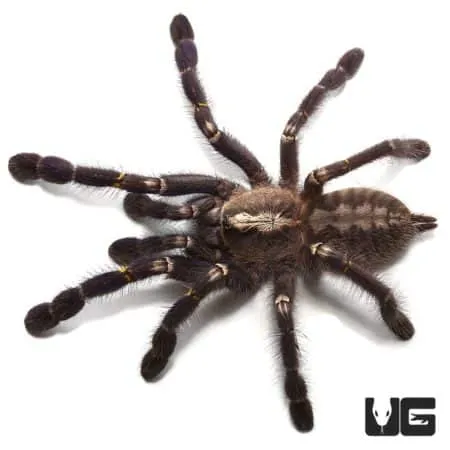
Unlike many tarantula species that are terrestrial, the Gooty Sapphire Tarantula is arboreal, spending most of its time in trees. This behavior influences their enclosure requirements, which need to provide ample vertical space, branches, and other climbing structures. They are skilled climbers, using their claws to grip surfaces. Understanding their arboreal nature is crucial for providing a suitable environment that caters to their natural instincts and behaviors. This arboreal lifestyle is also an important point when considering how to handle them.
Fact 3 Defensive Behavior
Gooty Sapphire Tarantulas, like many tarantulas, have defensive behaviors. They may exhibit threat postures if they feel threatened, which can include raising their front legs, exposing their fangs, and sometimes flicking urticating hairs (tiny irritating hairs) from their abdomen as a defense mechanism. While they are not known for being overly aggressive, it is important to handle them with caution and respect. Knowing their defensive behavior is vital for safe handling and minimizing the risk of bites or other defensive reactions.
Fact 4 Rarity and Conservation
The Gooty Sapphire Tarantula is considered a vulnerable species due to habitat loss and collection for the pet trade. Their natural habitat in India is under threat, and the species’ limited distribution makes them particularly susceptible to environmental changes. Conservation efforts are important to protect their natural environment and to ensure the sustainability of the species in the hobby. Supporting responsible breeders and conservation organizations helps to preserve the future of this beautiful tarantula. Captive breeding programs are helping reduce the impact on wild populations.
Fact 5 Venom and Toxicity

All tarantulas are venomous, including the Gooty Sapphire Tarantula. However, their venom is generally not considered life-threatening to humans. A bite from a Gooty Sapphire Tarantula can cause localized pain, swelling, and muscle cramps, similar to a bee sting. It is essential to avoid handling them directly and to take precautions to prevent bites, such as using long tongs and avoiding sudden movements near the tarantula. Proper handling techniques and respecting their space can significantly reduce the risk of a bite.
Caring for a Gooty Sapphire Tarantula
Caring for a Gooty Sapphire Tarantula involves creating an environment that mimics their natural habitat. This includes providing a suitable enclosure, maintaining appropriate temperature and humidity levels, and offering a proper diet. Attention to detail is crucial to ensure the well-being of these delicate creatures. Proper care not only promotes their health but also allows enthusiasts to enjoy the beauty and unique characteristics of these stunning tarantulas. Careful consideration should be given to enclosure size, substrate, and feeding habits.
Enclosure Requirements
As an arboreal species, the Gooty Sapphire Tarantula requires a vertically-oriented enclosure. A tall terrarium with ample space to climb is essential. The enclosure should be well-ventilated to prevent the buildup of humidity and mold. Secure the lid to prevent escapes and provide a variety of climbing structures, such as branches, cork bark, or artificial plants, to simulate their natural habitat. The size of the enclosure should be appropriate for the size of the tarantula; a juvenile can start in a smaller enclosure, while adults will require a larger setup. Ensure that the enclosure is easy to maintain and provides a safe and comfortable environment for the tarantula.
Substrate and Decorations

The substrate for a Gooty Sapphire Tarantula should be one that retains some moisture without being overly damp. A mixture of coco fiber, peat moss, and sphagnum moss is often recommended. This provides a naturalistic environment and helps maintain the appropriate humidity level. Add decorations such as cork bark, artificial plants, and branches to provide hiding places and climbing opportunities. Ensure that the decorations are securely placed and do not pose a hazard to the tarantula. A well-decorated enclosure not only provides enrichment for the tarantula but also enhances the aesthetic appeal for the keeper.
Temperature and Humidity
Maintaining the correct temperature and humidity levels is critical for the health of a Gooty Sapphire Tarantula. The ideal temperature range is typically between 75-85°F (24-29°C). A heat source, such as a heat mat or a ceramic heat emitter, can be used to provide supplemental heat, but it should be monitored carefully to avoid overheating the enclosure. Humidity should be maintained between 65-75%. Regular misting with water, along with the use of a humidity gauge, can help maintain the correct levels. Adequate ventilation is also important to prevent mold growth while maintaining the necessary humidity.
Feeding and Diet
Gooty Sapphire Tarantulas are carnivorous and require a diet of live insects. Crickets, roaches, mealworms, and other readily available feeder insects are suitable choices. The size of the insects should be appropriate for the size of the tarantula; juveniles should be fed smaller prey items. Feed the tarantula 1-2 times per week, adjusting the frequency based on its appetite and growth rate. Always remove any uneaten prey within 24 hours to prevent stress and potential harm to the tarantula. Provide a shallow water dish with clean water at all times for hydration.
Handling and Safety Precautions

While Gooty Sapphire Tarantulas are beautiful, it’s best to avoid direct handling unless absolutely necessary. They are not typically aggressive but may bite if they feel threatened. Use long tongs to handle the tarantula, especially when moving it for cleaning or maintenance. Always be cautious and respect the tarantula’s space. Avoid sudden movements and keep your hands away from the enclosure to minimize the risk of a bite. If you are bitten, clean the bite area thoroughly and seek medical attention if necessary. Proper handling and awareness are key to safe interactions.
Conclusion
The Gooty Sapphire Tarantula is an exquisite species that has captivated tarantula enthusiasts around the globe. From its dazzling metallic blue coloration to its unique arboreal lifestyle, it offers a fascinating glimpse into the world of arachnids. This guide has explored the key facts, from its origins and habitat to its care requirements, providing a comprehensive overview for potential keepers. By understanding and respecting their needs, enthusiasts can enjoy the beauty of these incredible creatures while ensuring their well-being. The Gooty Sapphire Tarantula’s beauty and allure continue to make it a cherished species in the hobby.