Green Bottle Tarantula Introduction
The Green Bottle Blue Tarantula (GBB) is a stunning and vibrant species, quickly becoming a favorite among tarantula enthusiasts. Their striking metallic blue legs and iridescent green carapace make them a visual spectacle, and their relatively active nature adds to their appeal. However, like any exotic pet, they require specific care to thrive. This comprehensive care sheet will guide you through every aspect of providing the best possible environment and care for your Green Bottle Blue Tarantula, ensuring a long, healthy, and fascinating life for your eight-legged friend. From enclosure setup to feeding and handling, this guide covers everything you need to know. Owning a tarantula is a rewarding experience. It’s a unique opportunity to observe the fascinating world of arachnids firsthand. However, it’s important to remember that these are delicate creatures that require dedicated care and attention to thrive, so read on and learn how to keep your GBB happy.
Understanding the Green Bottle Tarantula
Before diving into the specifics of care, it’s crucial to understand the Green Bottle Blue Tarantula itself. This knowledge will help you better meet its needs and appreciate its unique characteristics. This species, scientifically known as Chromatopelma cyaneopubescens, is native to the arid regions of northern Venezuela and the island of Trinidad. They are a terrestrial species, meaning they primarily live on the ground, but they also exhibit arboreal tendencies, often found creating webs in the lower branches of shrubs and trees. They are known for their vibrant colors, with adults displaying a metallic blue on their legs and a beautiful green carapace, which is the top part of the cephalothorax. They are also known for being relatively active spiders, often seen out and about in their enclosures, and they can be quite skittish. Understanding their natural behaviors will help you create an environment where they feel safe and secure. They are venomous, but their venom is not considered dangerous to humans, though a bite can be painful.
Origin and Habitat

The Green Bottle Blue Tarantula originates from the arid regions of northern Venezuela and the island of Trinidad. In their natural habitat, they are found in dry, scrubby environments, often near the coast. They are opportunistic web-builders, constructing intricate silk retreats amongst the low vegetation and rocks. The climate in these regions is characterized by high temperatures and moderate humidity, conditions that are essential to replicate in captivity. Understanding their natural habitat is crucial to providing the right environment in your home. Replicating these conditions as closely as possible ensures the tarantula thrives. Their natural behavior is influenced by their environment. The arid environment they come from dictates the need for a well-ventilated enclosure with specific temperature and humidity parameters. Researching their natural habitat gives valuable insights into their needs and how to properly take care of your tarantula.
Appearance and Characteristics
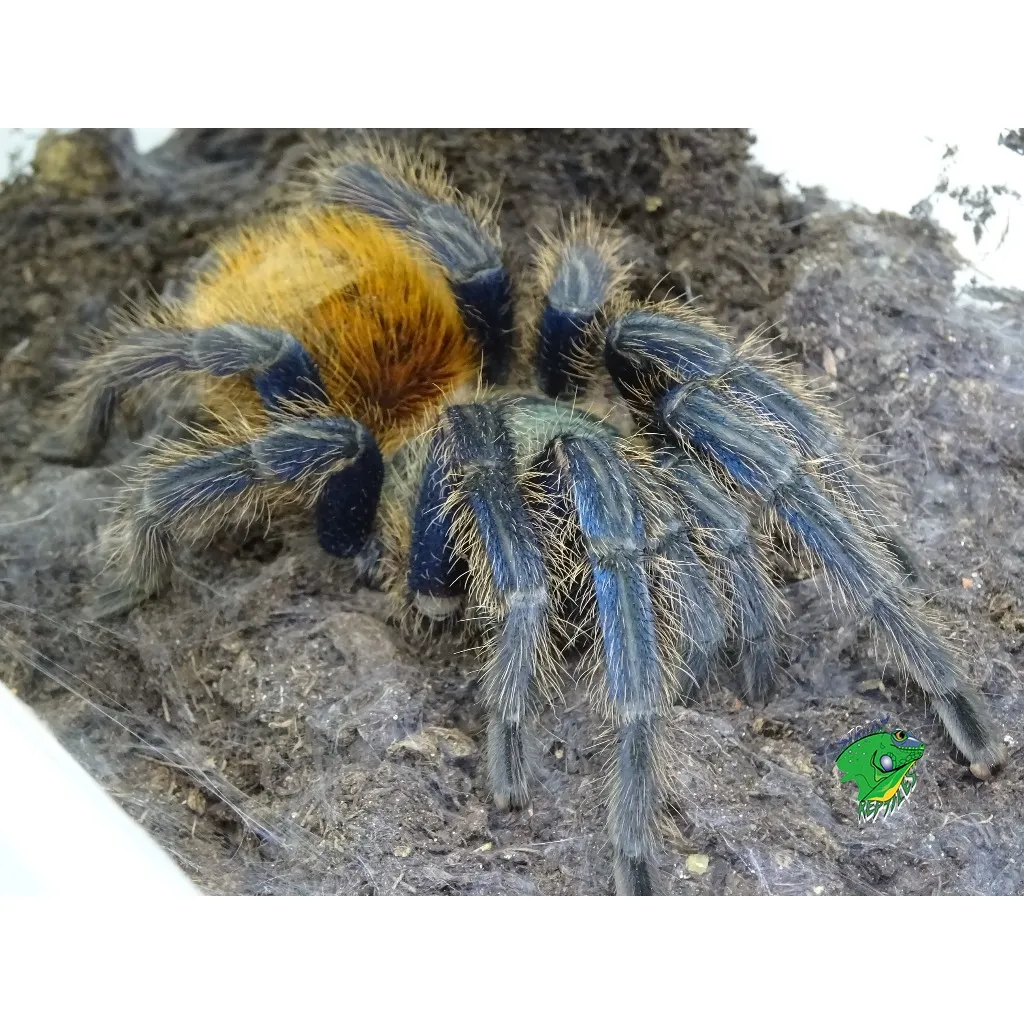
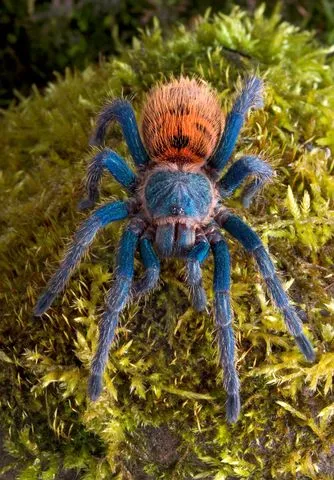
The Green Bottle Blue Tarantula is easily recognizable due to its striking appearance. Adults display a vibrant metallic blue coloration on their legs and pedipalps, contrasting beautifully with their iridescent green carapace. The abdomen is typically a reddish-orange hue with some darker markings. They are medium-sized tarantulas, with females reaching a leg span of up to 6 inches (15 cm). Males are typically smaller, with a leg span around 4-5 inches (10-12 cm), and often have a slightly less vibrant color. Their appearance is one of the primary reasons they are so popular among tarantula keepers. They are also known for their relatively fast growth rate. Young tarantulas have a less vibrant coloration, but as they mature, their colors intensify with each molt. The visual appeal of the GBB is one of its greatest strengths.
Setting Up the Perfect Green Bottle Tarantula Enclosure
Creating a suitable enclosure is paramount to the well-being of your Green Bottle Blue Tarantula. A well-designed enclosure provides a safe, comfortable environment where your tarantula can thrive. It should mimic the tarantula’s natural habitat as closely as possible, providing the necessary temperature, humidity, and space for its needs. The enclosure should also be escape-proof, as these spiders are surprisingly agile and can squeeze through small openings. Proper setup not only supports their physical health but also reduces stress, promoting a more active and observable tarantula. By paying attention to the details of the enclosure, you can significantly enhance the quality of your GBB’s life.
Choosing the Right Tank

The size of the enclosure should be appropriate for the tarantula’s size. For spiderlings, a small, secure container is sufficient. As they grow, you will need to upgrade to larger enclosures. A good rule of thumb is to provide a tank that is at least three times the tarantula’s leg span in width and length. For an adult female, a 10-gallon tank or larger is recommended. The enclosure should be made of clear material, such as glass or acrylic, to allow for easy viewing. Ventilation is crucial, but the enclosure must also be secure to prevent escapes. Ensure the lid fits snugly and consider using clips or other securing methods. A front-opening enclosure is often preferred for ease of access and maintenance. Remember that a well-chosen tank is the foundation for a healthy tarantula.
Substrate Selection
The substrate, or bedding, is an important component of the enclosure, providing a comfortable surface for your tarantula and helping to maintain humidity. The best substrate for a Green Bottle Blue Tarantula is a mixture that allows for proper ventilation and drainage. A good mix includes a combination of peat moss, vermiculite, and a small amount of coco fiber. This combination offers excellent moisture retention while allowing for proper drainage, preventing the substrate from becoming waterlogged. The substrate should be deep enough to allow the tarantula to burrow if it chooses, typically 2-4 inches deep depending on the size of the tarantula and enclosure. Avoid using substrates that are dusty or can harbor mites. Regularly inspect the substrate and replace it as needed to maintain a healthy environment. A well-maintained substrate supports good health and natural behavior.
Decor and Hiding Spots
Providing decor and hiding spots enhances the tarantula’s well-being by creating a more stimulating and secure environment. Include a piece of cork bark, a hollow log, or a similar structure that the tarantula can use to hide. This allows the tarantula to feel safe and retreat when it feels threatened. Artificial plants can also be used to add visual interest and provide additional cover. Avoid using anything with sharp edges that could injure the tarantula. Ensure that all decor is clean and free of pesticides or chemicals. The tarantula will often create webs around its hiding spots, adding to its comfort. The combination of the right substrate, decor, and hiding spots will provide a safe and natural environment for your Green Bottle Blue Tarantula to thrive.
Temperature and Humidity

Maintaining the correct temperature and humidity levels is crucial for the health and well-being of your Green Bottle Blue Tarantula. The ideal temperature range is between 75-85°F (24-29°C). This can be achieved using a heat mat placed on the side of the enclosure (never underneath) or by maintaining a consistent room temperature. Humidity levels should be kept between 60-70%. This can be achieved by lightly misting the enclosure once or twice a week, but avoid saturating the substrate. Monitor both temperature and humidity using a digital thermometer/hygrometer to ensure the environment is within the correct range. Adequate ventilation is also important to prevent mold and mildew. By carefully managing the temperature and humidity, you are significantly contributing to the tarantula’s health.
Feeding Your Green Bottle Tarantula
Proper feeding is essential for maintaining the health and vitality of your Green Bottle Blue Tarantula. The right food, frequency, and hydration methods will provide your tarantula with the nutrients it needs to grow and thrive. Understanding the feeding habits of this species is key to ensuring its well-being. A well-fed tarantula will display vibrant colors, be more active, and be less stressed. This section will detail the best food choices, the frequency of feeding, and proper hydration techniques.
What to Feed Your Tarantula
Green Bottle Blue Tarantulas are opportunistic predators, meaning they will eat a variety of insects. The staple diet should consist primarily of gut-loaded insects, which are insects fed a nutritious diet before being offered to your tarantula. Suitable food options include crickets, dubia roaches, mealworms, and superworms. The size of the food item should be appropriate for the tarantula’s size; the general rule is to offer prey items no larger than the tarantula’s body length. Avoid feeding wild-caught insects, as they may carry parasites or pesticides that could harm your tarantula. Always remove any uneaten food items within 24 hours to prevent the growth of mold or mites. Ensure the insects are alive and moving when offered, as this will trigger the tarantula’s hunting instincts. This will ensure that your pet gets all the necessary nutrition.
Feeding Frequency

The frequency of feeding depends on the tarantula’s age and size. Spiderlings should be fed more frequently, typically every 2-3 days. Juvenile tarantulas can be fed every 3-5 days, while adult tarantulas can be fed every 5-7 days. Adjust the feeding schedule based on the tarantula’s appetite and condition. A well-fed tarantula will have a plump abdomen, whereas a thin abdomen may indicate that it needs to be fed more often. During molting, tarantulas typically stop eating. Do not offer food during this time. Always monitor your tarantula and adjust the feeding schedule accordingly, making sure you never overfeed. Remember, it is better to feed less frequently than to overfeed. This keeps your pet healthy.
Watering and Hydration
Providing a clean water source is crucial for your Green Bottle Blue Tarantula’s hydration. Always provide a shallow water dish with fresh, clean water. The water dish should be small enough to prevent the tarantula from drowning. The water level should also be low enough to allow the tarantula to drink safely. Alternatively, you can mist the enclosure lightly once or twice a week, allowing the tarantula to drink the droplets. Never use tap water, as it may contain chlorine or other chemicals that could harm the tarantula. Use bottled water or let tap water sit out for 24 hours before use to allow chlorine to evaporate. Regularly clean and refill the water dish to prevent the build-up of bacteria or algae. Proper hydration, like a healthy diet, is essential for your tarantula to thrive.
Green Bottle Tarantula Health and Handling
Maintaining your Green Bottle Blue Tarantula’s health requires a proactive approach, including recognizing potential health issues, practicing safe handling techniques, and understanding the molting process. Regular observation of your tarantula is essential for detecting any abnormalities. These actions will help you ensure your tarantula’s well-being and create a safe environment for both you and your pet. Understanding the tarantula’s needs and being able to respond to any health issues will make you a better owner.
Recognizing Common Health Issues
While Green Bottle Blue Tarantulas are generally hardy, they can still be susceptible to certain health issues. Common problems include mites, fungal infections, and dehydration. Mites are tiny parasites that can infest the tarantula’s exoskeleton and substrate. These can be detected by small, moving specks on the tarantula or in the enclosure. Fungal infections can develop in enclosures with poor ventilation or excessive humidity. Signs include discoloration on the tarantula’s body or substrate. Dehydration can be recognized by a shrunken abdomen and lethargy. If you notice any of these signs, it’s important to take immediate action. Quarantine the tarantula if necessary, improve ventilation, adjust humidity levels, and consult with a veterinarian or experienced tarantula keeper. Early detection is key to successful treatment.
Safe Handling Techniques
Handling Green Bottle Blue Tarantulas is generally not recommended. Although their venom is not considered dangerous to humans, a bite can be painful, and they may also flick urticating hairs as a defense mechanism. If handling is necessary, do so with extreme caution and only when absolutely required, such as for enclosure cleaning or health inspections. Avoid sudden movements and always approach the tarantula slowly and calmly. Use a soft brush to gently encourage the tarantula onto your hand, and keep your hand close to a surface to prevent a fall. It’s best to handle them close to the ground. Always wash your hands thoroughly before and after handling. Remember that the safety of both the tarantula and yourself should always be the top priority.
Molting and What to Expect
Molting is a natural process where tarantulas shed their exoskeleton to grow. This process is crucial for their development, but it can be a stressful time for the tarantula. During molting, the tarantula will typically stop eating and may become reclusive. It will often lie on its back. The duration of the molt can vary depending on the tarantula’s age and size. Do not disturb the tarantula during molting, as it is vulnerable at this time. Provide a humid environment and ensure the enclosure is free of any potential hazards. After molting, the tarantula will have a new, softer exoskeleton. It will take a few days for the exoskeleton to harden. Once it has hardened, the tarantula will resume eating and its vibrant colors will become even more pronounced. Understanding and supporting this process helps ensure the overall health and well-being of the tarantula.
Breeding Green Bottle Tarantulas

Breeding Green Bottle Blue Tarantulas is a rewarding experience for advanced keepers, but it requires a significant understanding of the species. It also involves specialized knowledge and resources. It’s important to be fully prepared before attempting to breed them. This section provides an overview of the key aspects of breeding, from identifying the sex of the tarantula to managing the mating process and caring for the egg sac. This section provides information on the basics for someone interested in taking their hobby to the next level.
Identifying Sex
Determining the sex of a Green Bottle Blue Tarantula is necessary before attempting to breed them. The most reliable method is to examine the tarantula’s exuviae (molted exoskeleton). Look for the presence of spermathecae (sperm storage organs) in females. These are typically located on the underside of the abdomen. Males will have a pair of modified pedipalps, called “boxing gloves,” used for sperm transfer. These are easily seen under magnification. You can also try to examine the tarantula itself. However, this is more difficult and requires a steady hand and a good eye. Accurately identifying the sex of your tarantula will help you determine if they are ready to breed.
Mating and Egg Sacs
Mating Green Bottle Blue Tarantulas can be a delicate process. Introduce the male to the female’s enclosure, under close supervision. Be prepared to separate them immediately if the female shows aggression. If the mating is successful, the female will eventually produce an egg sac, which can contain hundreds of eggs. The female will guard the egg sac, and it’s important to maintain proper temperature and humidity levels to ensure the eggs hatch successfully. The egg sac will typically hatch in 4-8 weeks. Once the spiderlings emerge, they will need to be housed individually. This breeding process is advanced and requires time, dedication, and resources to ensure success. Successful breeding can be a hugely rewarding experience.
Conclusion
Caring for a Green Bottle Blue Tarantula is a rewarding experience for any arachnid enthusiast. Their stunning appearance, relatively active nature, and manageable care requirements make them a popular choice for both beginners and experienced keepers. By following this care sheet, you can provide your tarantula with a healthy and stimulating environment, allowing it to thrive and captivate you with its beauty. Remember that responsible pet ownership involves continuous learning and observation. Continue to research and learn about your tarantula, monitor its behavior, and adjust your care practices as needed. With proper care and attention, your Green Bottle Blue Tarantula can bring you years of enjoyment and fascination. Embrace the opportunity to learn more about these wonderful creatures and enjoy the journey of tarantula keeping.