What Makes a Tarantula Handleable
Choosing a tarantula to handle can be an exciting step for any aspiring arachnid enthusiast. However, not all tarantulas are created equal when it comes to handling. Several factors contribute to a tarantula’s suitability for handling, influencing both the safety of the keeper and the well-being of the spider. Understanding these factors is crucial before bringing a new eight-legged friend into your home and, importantly, into your hands. These aspects include the tarantula’s temperament, the potency of its venom, and its overall speed and agility. Evaluating each aspect helps you make an informed decision about which tarantulas are best suited for gentle interactions. Safety and respect for the animal should always be the top priorities when it comes to pet tarantulas.
Temperament and Handling
Temperament is arguably the most critical factor. Some tarantulas are naturally docile and less prone to defensive behaviors, such as biting or flicking urticating hairs (small, irritating hairs). These tarantulas are often considered better choices for handling. Docile species are less likely to see your hand as a threat. They may still bolt for cover, but they are less likely to actively attack. Observation of the tarantula’s behavior in its enclosure can provide clues about its temperament. Does it readily retreat when disturbed, or does it stand its ground? Does it display threat postures, such as rearing up or showing its fangs? By paying attention to these behavioral cues, you can better gauge its suitability for handling.
Venom Potency

Venom potency, while not the primary concern for most tarantula species, is still a consideration. Tarantula venom is generally not life-threatening to humans. However, the effects can range from mild discomfort to more severe reactions, depending on the species and the individual’s sensitivity. Bites from some tarantulas may cause localized pain, swelling, and redness, while others may induce flu-like symptoms. Even if a tarantula has mild venom, a bite is still a bite, and it is essential to take precautions. Therefore, it is crucial to research the venom potency of a species. Handling tarantulas that are known for having weaker venom may be preferable for beginners or those less experienced with tarantulas, as the consequences of a bite will be less severe.
Speed and Agility
The speed and agility of a tarantula also play a role in handling. Some species are incredibly fast and can move with surprising swiftness. This makes them more challenging to handle, as they can quickly escape from your grasp, leading to potential falls or injuries. A fast-moving tarantula might also be more prone to defensive behaviors. Slower, more deliberate species are often easier to handle, as they are less likely to bolt and give you more time to react. When handling, always be aware of the tarantula’s potential speed. Avoid making sudden movements that could startle it, and always handle over a soft surface to minimize the risk of injury in case it does happen to fall.
Top 5 Handle With Ease Tarantulas
Based on the factors discussed, here are some of the best pet tarantulas to handle. These species are known for their generally docile temperaments, manageable speeds, and relatively mild venom, making them suitable for both beginners and experienced keepers who enjoy interaction. Remember that individual tarantulas within a species may vary, and it is essential to observe each spider’s behavior before handling.
The Chilean Rose Hair Tarantula

The Chilean Rose Hair (Grammostola rosea) is one of the most popular pet tarantulas, especially for beginners. They are known for their docile temperament, making them a great choice for those who want to handle their tarantulas. Their calm demeanor makes them ideal for gentle interactions. This species is also relatively slow-moving, further enhancing their suitability for handling. A bite from a Chilean Rose Hair is considered unlikely, and the venom is mild, causing minimal discomfort. The Chilean Rose Hair is a great first tarantula.
Appearance and Characteristics
Chilean Rose Hair tarantulas are medium-sized, with adults reaching about 5-6 inches in leg span. They have a brownish coloration with pinkish hairs. They are native to the deserts of Chile, so they prefer a drier environment. Chilean Rose Hairs are typically docile. They are not prone to biting or flicking hairs, though it is possible if they feel threatened. Their slow movements allow for gentle handling, giving you plenty of time to react. They are known for their calm nature and are a good option for beginners. The Chilean Rose Hair’s manageable size and relatively undemanding care make them a great first pet tarantula.
Handling Tips
When handling a Chilean Rose Hair, always approach slowly and calmly. Gently coax the tarantula onto your hand, allowing it to walk onto your palm. Avoid sudden movements that could startle it. Handle over a soft surface, such as a bed or carpet, to cushion any potential falls. Wash your hands before and after handling. Be patient, as Chilean Rose Hairs are not always eager to be handled. Always supervise children when handling, and teach them how to interact with this tarantula safely.
The Pinktoe Tarantula

The Pinktoe tarantula (Avicularia avicularia) is another popular species that’s relatively handleable. They are known for their arboreal lifestyle. Pinktoes can be docile and are often quite inquisitive, making them more receptive to handling. However, they can be more skittish than terrestrial species, so gentle handling is crucial. Their venom is considered mild, and bites are rare if handled respectfully. This spider is not the best choice for those with small children.
Appearance and Characteristics
Pinktoes are known for their vibrant coloration. They typically have a dark body with pink or orange toe pads. This coloration, coupled with their arboreal nature, makes them an appealing choice for pet keepers. They have a manageable size, usually reaching 4-5 inches in leg span. They are known for their curious nature, which can make them more receptive to handling. However, their arboreal lifestyle means they are prone to being fast and quick-moving. It is essential to handle them with care and respect. Their unique looks and moderately docile nature make them a good choice for experienced handlers.
Handling Tips
When handling a Pinktoe tarantula, handle them over a soft surface, as they may be prone to jumping. Handle them slowly and calmly, allowing them to crawl onto your hand. Avoid grabbing or squeezing them. Be aware of their speed. Keep them away from sudden movements and loud noises. If you feel the tarantula is stressed, put it back in its enclosure. Always wash your hands before and after handling to maintain a clean environment. A respectful approach will help make the interaction more enjoyable.
The Mexican Red Knee Tarantula

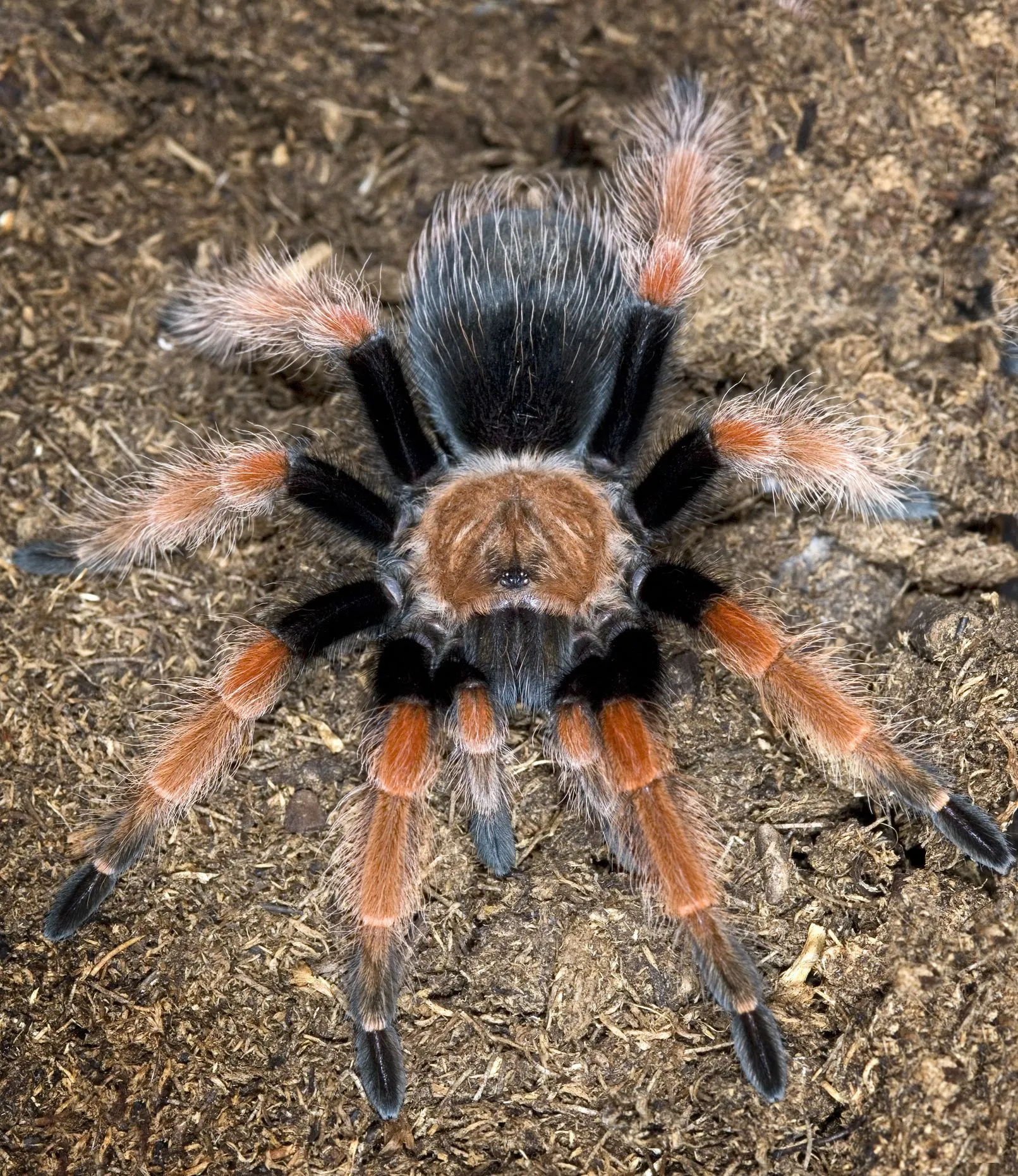
Mexican Red Knees (Brachypelma hamorii, formerly Brachypelma smithi) are another well-regarded tarantula for handling. They are known for their gentle temperament and are often slower-moving, making them more manageable. While they may flick urticating hairs, they are less likely to bite. A bite from a Mexican Red Knee is not considered medically significant. This makes them a good choice for those who want a calm and visually striking pet. Their size and appearance make them a popular choice for both beginners and experienced keepers, especially those who appreciate the beauty of this species.
Appearance and Characteristics
Mexican Red Knees are known for their striking appearance, with a black body and vibrant red/orange bands on their legs. They are a medium-sized tarantula, reaching up to 6 inches in leg span. They have a generally docile temperament. They are less likely to bite, although they may flick urticating hairs. Their slow movements and generally docile temperament make them a popular choice for handling. They are also relatively hardy and easy to care for, which makes them a good pet choice for beginners.
Handling Tips
When handling a Mexican Red Knee, handle them over a soft surface. Gently coax the tarantula onto your hand, allowing it to walk onto your palm. Be patient, and avoid sudden movements that could startle it. Be mindful of the urticating hairs; avoid touching your face after handling without washing your hands. Always supervise children when handling, and teach them how to respect the tarantula. Regular and calm handling will make for a great pet.
The Curly Hair Tarantula

Curly Hair Tarantulas (Tliltocatl albopilosus, formerly Brachypelma albopilosum) are another good option. They are well-known for their gentle temperament and distinctive appearance. They are a good choice for beginners. Curly Hairs are generally docile and less inclined to bite. They might flick hairs when threatened. The venom is mild. They’re slow-moving, which makes them easy to handle. Their manageable size and overall calm behavior make them a popular choice.
Appearance and Characteristics
Curly Hair tarantulas are named for their distinctive curly hairs. They have a brown to golden color. They are a medium-sized tarantula, reaching up to 5-6 inches in leg span. They have a generally docile temperament, which makes them easy to handle. They are less likely to bite, and their movements are slow and deliberate. They are hardy, relatively easy to care for, and are a good choice for beginner keepers, especially those new to handling tarantulas.
Handling Tips
When handling a Curly Hair tarantula, handle them over a soft surface. Let the tarantula walk onto your hand. Avoid grabbing or squeezing it. Handle slowly and patiently, and be aware of the urticating hairs. If the tarantula shows signs of stress, put it back into its enclosure. Be sure to wash your hands after handling. Approach them with calm movements to make the interaction go smoothly.
The Brazilian Black Tarantula

Brazilian Black Tarantulas (Grammostola pulchra) are another good choice, particularly for experienced keepers. They have a reputation for being docile, and their jet-black coloration makes them visually striking. They are relatively slow-moving. Their venom is considered mild. This makes them a good option for those seeking a visually impressive, handling-friendly tarantula. Their size and beauty make them a great choice for experienced tarantula keepers. They are a good pet for handling.
Appearance and Characteristics
Brazilian Black Tarantulas are known for their all-black coloration, which is very appealing. They can reach up to 6-7 inches in leg span, making them a larger species. They are generally docile, though individual personalities may vary. Their slow movements make handling easier. They are considered to be a less aggressive species. They are popular among keepers who appreciate their beauty and ease of handling. Respect is the key when handling any tarantula, and the Brazilian Black is no exception.
Handling Tips
When handling a Brazilian Black tarantula, approach calmly. Let the tarantula crawl onto your hand. Avoid sudden movements and handle over a soft surface. If the tarantula shows signs of distress, return it to its enclosure immediately. Wash your hands before and after handling. Gentle handling is the key to a positive experience. Patience and calm handling will make for a good experience with this species.
Safe Handling Practices for All Tarantulas

Regardless of the species, safe handling practices are essential. These practices minimize the risk of injury to both the keeper and the tarantula. Following these guidelines ensures a safe and enjoyable experience when interacting with these fascinating creatures.
Preparing for Handling
Before handling any tarantula, take time to prepare. First, ensure the tarantula is in a good mood and not about to molt. Check the environment for safety. Make sure the enclosure is secure, and that you have a safe space ready for handling, such as a soft surface. Wash your hands thoroughly with soap and water to remove any scents that could agitate the tarantula. Also, ensure that you are calm. Do not handle the tarantula if you are stressed or rushed, as this can be picked up by the tarantula. Make sure children are supervised. Avoid any actions that could be seen as a threat.
During Handling
When handling a tarantula, move slowly and deliberately. Never grab the tarantula; instead, gently encourage it to walk onto your hand. Always handle over a soft surface to minimize the risk of injury in case of a fall. Avoid sudden movements or loud noises. These can startle the tarantula, leading to defensive behavior. Watch the tarantula’s body language for any signs of stress, such as rearing up, raising its front legs, or flicking hairs. If the tarantula displays any of these behaviors, gently place it back in its enclosure. Be respectful of the tarantula’s space. The goal is to keep the tarantula calm and comfortable. Also, never put your face close to the tarantula. A respectful approach will keep handling stress-free.
Post-Handling Care
After handling the tarantula, wash your hands thoroughly with soap and water. This removes any potential irritants, such as urticating hairs, and also helps to remove any scents that could attract other tarantulas. Monitor the tarantula for any signs of stress, such as changes in its feeding behavior or hiding habits. If you observe any unusual behavior, consult with a veterinarian or experienced tarantula keeper. By following these practices, you can ensure the safety and well-being of your pet tarantula while also enjoying a rewarding experience.
Conclusion
Choosing a handleable tarantula can be a rewarding experience for both the keeper and the spider. By carefully considering factors such as temperament, venom potency, and speed, and by following safe handling practices, you can enjoy a positive interaction with these fascinating creatures. The Chilean Rose Hair, Pinktoe, Mexican Red Knee, Curly Hair, and Brazilian Black tarantulas are all good options. Remember, every tarantula is an individual, and it’s essential to respect its boundaries. Always prioritize the tarantula’s well-being, and your handling experience will be more enjoyable and safe for everyone involved. With careful consideration and a gentle approach, you can develop a fulfilling relationship with these amazing creatures.