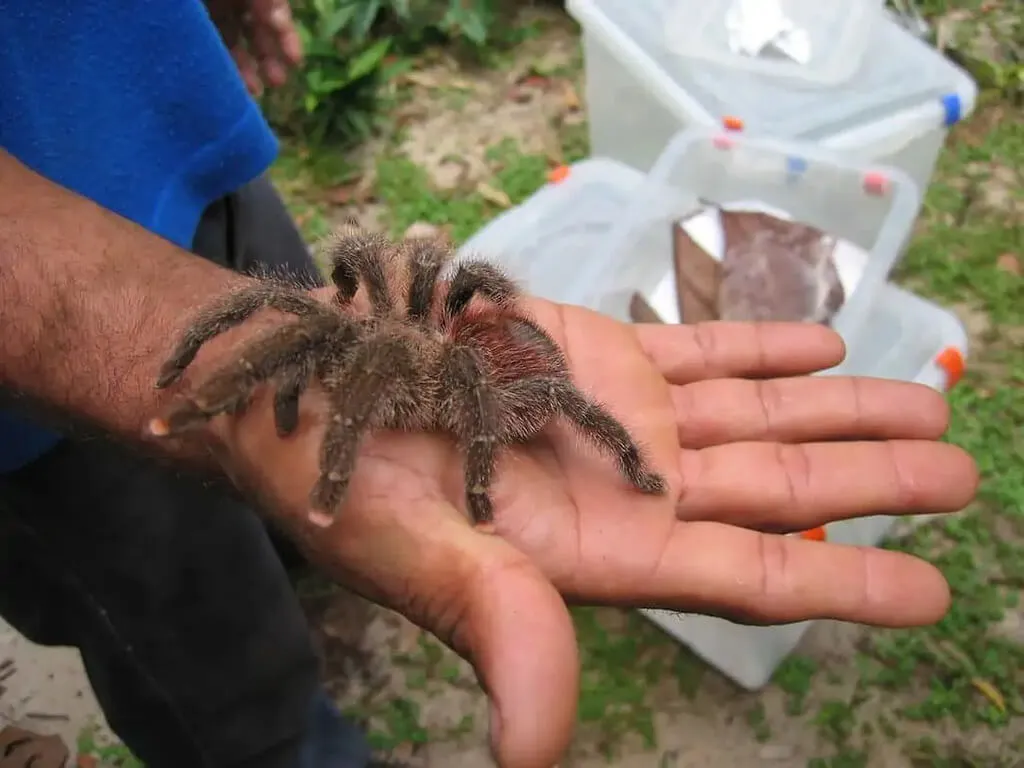
Understanding Pink Toe Tarantulas (PTTs)
The Pink Toe Tarantula (Caribena versicolor), a captivating arboreal species, is a popular choice among tarantula enthusiasts. Their striking appearance, characterized by a metallic sheen and vibrant pink toe pads, makes them visually appealing. However, their beauty is matched by specific needs, particularly when it comes to handling. Understanding the PTT is the first step in safely handling this species. These tarantulas are native to the Caribbean islands, thriving in humid environments. They are relatively docile compared to some other tarantula species, but they are also known for being skittish and quick. Their behavior can be unpredictable, and a calm approach is always essential. It is important to know that the Pink Toe Tarantula is venomous, though their venom is not considered medically significant to humans. They are more likely to flee than bite, and handling should always be done with caution and respect for the animal’s well-being.
PTT Temperament and Behavior
Pink Toe Tarantulas generally exhibit a more docile temperament compared to some terrestrial tarantula species. They are known for their arboreal lifestyle, preferring to live in trees or elevated areas. Their behavior is often characterized by quick movements and a tendency to retreat when startled. PTTs are not aggressive, but they can be defensive if they feel threatened. Understanding their behavior is crucial for safe handling. They might flick urticating hairs as a defense mechanism. This is not an aggressive act but a way for them to protect themselves. Before attempting to handle your Pink Toe Tarantula, observe its behavior. Look for signs of nervousness, such as rapid movements or a defensive posture. They may also show warning signs, such as raising their front legs or displaying their fangs. It’s also important to realize that individual tarantulas have their personalities. Some are more relaxed and can handle themselves, and some may be more timid and prefer to be left alone.
Recognizing Signs of Stress in Your PTT

Before even considering handling, you must be able to recognize signs of stress in your Pink Toe Tarantula. Stress can lead to defensive behaviors and increase the risk of a bite or a fall, so it’s best to avoid it whenever possible. One primary indicator of stress is their posture. If a tarantula feels threatened, it may raise its front legs in a defensive stance. Another sign is a rapid retreat. If your tarantula quickly moves away from you or hides, it’s an indication that it is not comfortable. Urticating hairs are another indicator. A tarantula may flick these tiny hairs from its abdomen as a defense mechanism. This is not an aggressive act but a way of warning the perceived threat. Excessive movement, such as pacing inside the enclosure, can also indicate stress, especially if the tarantula isn’t eating. If your tarantula shows any of these signs, it’s best to postpone handling and allow it to settle down. Ensuring a comfortable environment, with appropriate humidity and temperature, is vital for reducing stress.
Essential Equipment for Handling Pink Toe Tarantulas
Preparing correctly is a must before handling any tarantula, and having the right equipment is essential for ensuring a safe and controlled handling experience with your Pink Toe Tarantula. While handling isn’t always necessary, if you need to move your tarantula for enclosure maintenance or health checks, these tools will prove helpful. First, you’ll need a clear, escape-proof container. A plastic container with a secure lid is ideal. It should be large enough to comfortably accommodate the tarantula, but not so big that the tarantula can escape from your sight. Next, you will need a soft, long paintbrush. This tool can be used to gently guide the tarantula into the container. It can also be used to gently touch the tarantula, which will encourage it to move in the desired direction. Finally, consider wearing gloves. While Pink Toe Tarantula bites are not life-threatening, they can still be painful, and some people may have an allergic reaction. Gloves provide an additional layer of protection. Remember, the goal is to handle your tarantula safely and prevent injury to both you and your pet. Proper equipment is the first step in achieving this.
Handling PTTs The Right Way
Handling a Pink Toe Tarantula requires patience, preparation, and a gentle approach. The right way of handling starts by approaching your tarantula’s enclosure slowly and quietly. Avoid sudden movements or loud noises, which can startle your tarantula. Observe the tarantula’s behavior. If it appears calm and relaxed, you may proceed. If it shows signs of stress, it is better to postpone handling. If the tarantula is in a suitable mood, very gently open the enclosure. The key to successful handling is to let the tarantula walk onto your hand of its own accord. Never try to grab or force it. Place your hand in front of the tarantula and allow it to explore. If it starts to climb on your hand, you can slowly and gently lift it out of the enclosure. Always keep your hand close to the ground or surface in case the tarantula falls. Once the tarantula is on your hand, avoid making sudden movements. Speak calmly, and move slowly and deliberately. Always support the tarantula and keep it from falling. By following these steps, you can ensure a safe and positive handling experience for both you and your Pink Toe Tarantula.
Preparing Your Environment

Creating a safe environment is a critical factor to consider before handling your Pink Toe Tarantula. First, select a location that is free from distractions and potential hazards. Choose a calm, quiet space, free of pets, children, and other potential disturbances. Cover the area with a soft, clean surface. This will provide a safe landing in case your tarantula falls. This can be as simple as placing a thick blanket or a soft towel on a table or the floor. Remove any objects that could cause injury, such as sharp edges or small gaps where the tarantula could get trapped. Make sure the room is at a comfortable temperature. A stable, warm environment will help reduce stress. By preparing your environment, you minimize risks and increase the chances of a successful handling session. The comfort and safety of your Pink Toe Tarantula should always be your top priority, so preparing a proper environment is critical.
Proper Hand Positioning and Support
The correct hand positioning and support are paramount for handling a Pink Toe Tarantula. Proper handling ensures the tarantula feels secure and prevents accidental falls, thus reducing the risk of injury. When allowing the tarantula to walk onto your hand, keep your hand flat and level. This provides a stable surface for the tarantula to move across. Offer your hand slowly, without any sudden movements. As the tarantula climbs onto your hand, keep your hand close to the ground. This will minimize the distance it would fall in the event it loses its grip. Do not try to hold the tarantula above your head. If you choose to use two hands, gently cup your hands together to create a secure platform, but do not try to trap the tarantula. Let it move freely, and always support its body. Avoid any actions that could startle or frighten the tarantula. Remember, the key to safe handling is to be gentle and provide support at all times. This minimizes the risk of accidents and ensures the tarantula’s safety.
Techniques for Gentle Handling
Gentle handling techniques are essential for building trust and promoting a positive experience with your Pink Toe Tarantula. The primary rule is to avoid any actions that could startle or frighten the tarantula. This means no sudden movements, loud noises, or quick grabbing. Always approach the tarantula calmly and slowly. Encourage the tarantula to move by offering your hand as a bridge or a platform. The tarantula should move on to your hand willingly, not be forced. If the tarantula appears hesitant, don’t force it. Instead, try again later. During handling, speak to the tarantula in a soft, reassuring voice. This can help calm the tarantula and make it feel more secure. Avoid touching the tarantula’s abdomen, which can be sensitive. Focus on providing support and allowing the tarantula to move freely. Never try to grab the tarantula or restrain it. The goal is to build a relationship with your Pink Toe Tarantula based on trust and mutual respect.
Post-Handling Care and Observation

After handling your Pink Toe Tarantula, post-handling care and observation are vital for ensuring its well-being. Return the tarantula to its enclosure gently and safely. Observe its behavior for any signs of stress or injury. Look for unusual movements, changes in posture, or any indication that the tarantula may have been hurt. Also, check for any physical damage. Look closely at its legs, fangs, and abdomen. If you notice any injury, consult with a veterinarian or experienced tarantula keeper. Provide the tarantula with a quiet, undisturbed environment to recover. Avoid any further handling for the next few days. Make sure that its enclosure conditions, such as temperature and humidity, are correct. By following these steps, you are ensuring the safety of your pet. Proper post-handling care is essential for maintaining the health and happiness of your Pink Toe Tarantula.
Identifying and Addressing Common Problems
Even with the best handling practices, problems can arise. It is important to know how to identify and address them. One common problem is the tarantula flicking urticating hairs during handling. If this happens, avoid touching the area where the hairs have landed. The hairs can cause skin irritation. Another issue is a tarantula attempting to flee. This often indicates stress. Return the tarantula to its enclosure immediately and reassess the situation. Always keep an eye on your tarantula’s health. If you notice any change in its behavior, such as loss of appetite, lethargy, or unusual movements, consult with an expert. Being aware of potential problems and knowing how to address them will help ensure a safe and positive experience for both you and your Pink Toe Tarantula. Regular observation is key to catching and addressing problems early.
Addressing Handling Accidents and Bites
Though rare, handling accidents can occur, and it is critical to be prepared. Bites from Pink Toe Tarantulas are not usually life-threatening, but they can be painful and lead to localized swelling and discomfort. If bitten, remain calm and gently clean the bite area with soap and water. Apply a cold compress to help reduce swelling and pain. Monitor the bite for any signs of infection, such as increased redness, pus, or fever. If symptoms worsen or if you experience an allergic reaction, seek medical attention immediately. It is also important to assess the circumstances of the bite. Determine what might have caused the tarantula to bite. Review handling techniques to identify areas for improvement. Remember, the safety of both you and your tarantula is paramount. Taking the right steps will help you minimize the risks and handle any accidents that may arise.
Preventing Bites During Handling

Preventing bites is a priority during Pink Toe Tarantula handling, and a few key strategies can minimize the risk. The first and most important step is to avoid handling the tarantula unless it is absolutely necessary. This will reduce the chance of a bite. Before any handling, observe the tarantula’s behavior and recognize signs of stress. If the tarantula shows signs of stress, postpone handling. Handle the tarantula slowly and gently. Avoid sudden movements or any actions that could startle or frighten the animal. Always support the tarantula, and never try to grab it. Use tools, such as a paintbrush, to guide the tarantula instead of direct contact. By following these guidelines, you can create a safer environment for handling. Prevention is the best strategy for ensuring that both you and your tarantula have a positive and stress-free experience.
Dealing with a PTT Bite
If you are bitten by a Pink Toe Tarantula, it’s essential to remain calm and take the appropriate steps. While the venom is generally not considered medically significant, it can still cause localized pain and swelling. Immediately after the bite, gently clean the affected area with mild soap and water. Rinse thoroughly to remove any traces of venom. Apply a cold compress to the bite site. This can help reduce swelling and ease discomfort. If the pain is intense, you can take an over-the-counter pain reliever, such as ibuprofen or acetaminophen. Keep an eye on the bite for any signs of infection, such as increased redness, warmth, or pus. If you develop any severe symptoms, such as difficulty breathing, chest pain, or dizziness, seek medical attention immediately. By taking the right steps, you can manage the effects of the bite and support your recovery. It’s important to remain calm and seek help if needed.
Advanced Handling Considerations
As you become more experienced with Pink Toe Tarantula handling, you may consider some advanced techniques. Remember that these techniques should only be considered once you have a solid understanding of the tarantula’s behavior and are comfortable with basic handling practices. One advanced consideration is to handle the tarantula in a well-lit, open space. This allows you to observe the tarantula and allows it to see its surroundings. When using a paintbrush to guide your tarantula, use it very gently. Never poke or prod the tarantula, as this can cause stress. Another advanced consideration is to handle the tarantula at different times of the day or night. This will help you learn how your tarantula reacts in different conditions. Always prioritize the tarantula’s well-being. If the tarantula displays any signs of stress, return it to its enclosure and try again later. Your knowledge of the tarantula’s body language and behavior will allow you to become a more responsible handler.
Handling Different PTT Sizes

Handling Pink Toe Tarantulas of different sizes requires adjustments in your approach. The principles of safe handling remain the same, but your techniques need to be modified to the tarantula’s size and behavior. With juvenile tarantulas, you need to be extra careful due to their fragility and smaller size. When handling smaller tarantulas, it is essential to have a gentle touch. Use a soft paintbrush to gently guide them. Always keep the tarantula close to a safe surface. For adult tarantulas, you may need to adjust the location. You will want to choose an area that is larger. When you are handling larger tarantulas, make sure you have sufficient support. The goal is to always provide a safe and secure environment. No matter the size, the key is to treat each Pink Toe Tarantula with respect, patience, and a gentle touch. By understanding the size-specific nuances of your handling process, you are ensuring that your tarantula stays happy and healthy.
Handling with Confidence
Handling a Pink Toe Tarantula can be a rewarding experience when done with confidence. Confidence comes from knowledge, preparation, and a calm approach. The more you understand about the tarantula’s behavior, the more confident you will feel. Always prepare your environment and have all the necessary equipment ready before handling. Practice the handling techniques. Before you attempt to handle your tarantula, it is important to understand its body language and its behavior. Pay attention to how it reacts. This will help you anticipate its movements and handle it with greater confidence. Remember that handling is not always necessary. If you’re unsure or if the tarantula displays signs of stress, it’s always best to skip handling and give the tarantula some space. By following these steps, you can handle your Pink Toe Tarantula safely and with confidence.